
What Every Tourist in Singapore Should Know Before Visiting
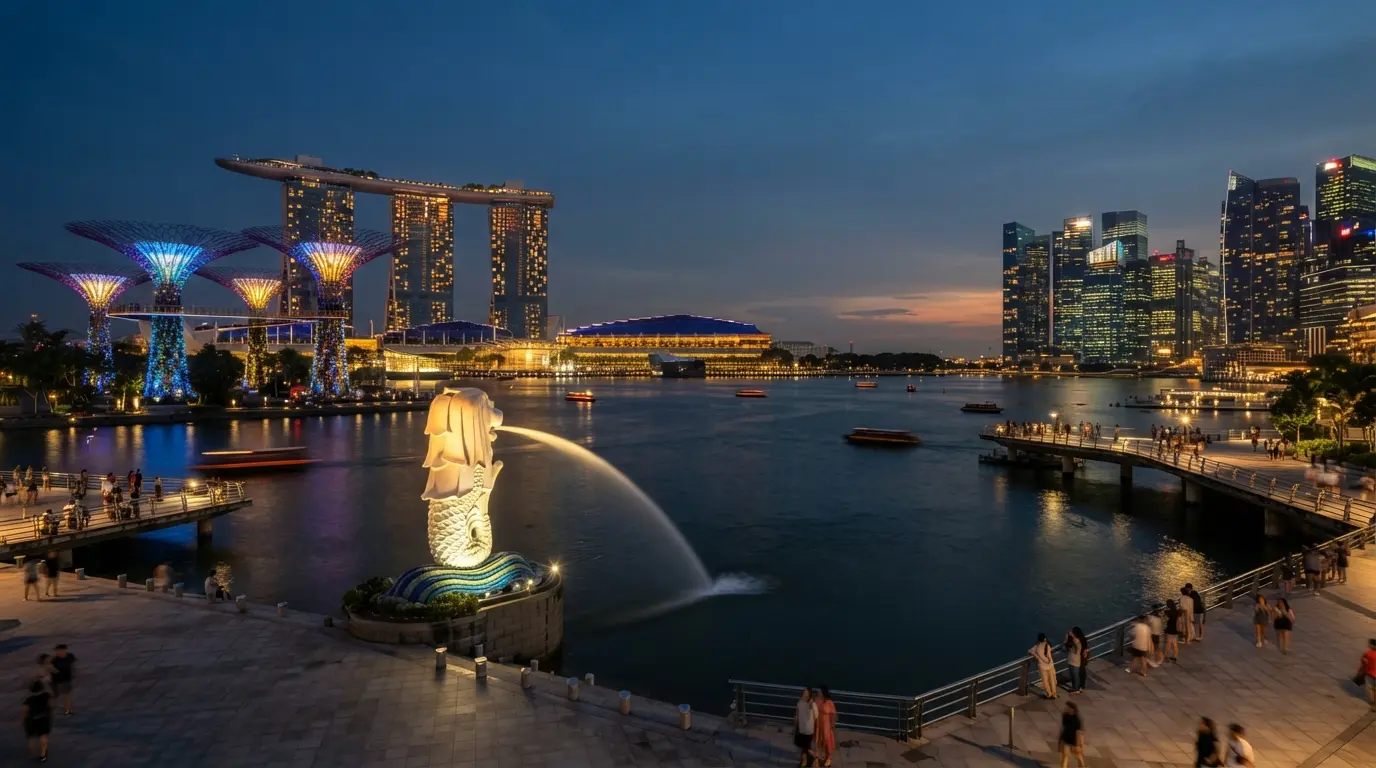
Planning a trip as a tourist in Singapore comes with a mix of excitement and confusion, mostly because there is so much packed into one small island. From futuristic gardens to centuries old temples, this city rewards travelers who plan smart. Most visitors can comfortably see the top attractions in three to four days if they group their sightseeing by neighborhood instead of chasing one landmark at a time across town.
If you have ever felt overwhelmed scrolling through endless “best things to do” lists, you are not alone. Many first-time visitors worry about overspending, missing the right season, or wasting a whole afternoon walking in the wrong direction because two attractions that look close on a map are actually separated by a highway. This guide sorts through all of that so a tourist in Singapore can spend less time guessing and more time actually enjoying the trip.
What Do You Need to Know Before Visiting Singapore as a Tourist?
Most travelers arriving as a tourist in Singapore need to submit the SG Arrival Card online within three days before landing. This digital form has replaced the old paper version and takes about five minutes to complete. It asks for passport details, flight information, and a health declaration.
Visa requirements depend on nationality. Travelers from the US, UK, Australia, most EU countries, and many parts of Asia typically get visa-free entry for short stays, usually up to 30 or 90 days depending on the passport. A handful of nationalities do need to apply for a visa in advance, so it is worth checking Singapore’s Immigration and Checkpoints Authority website against your specific passport before booking flights, since rules do shift from year to year.
A few practical things help before landing:
- Download the Grab app for taxis and food delivery.
- Get an EZ-Link card or use contactless payment for MRT rides.
- Pack a light rain jacket, since sudden downpours are common even in dry months.
- Bring a universal adapter, since Singapore uses the UK-style three-pin plug.
Do Tourists Need a Visa for Singapore in 2026?
Most Western passport holders do not need a visa for tourism trips under 30 to 90 days. Citizens of some countries in South Asia, the Middle East, and parts of Africa do require a visa, arranged either online or through a Singapore embassy before departure. Always confirm current rules against your specific passport, since visa policy can change without much notice.
What Is the Best Time of Year to Visit Singapore?
Singapore sits almost exactly on the equator, so temperatures hover around 27 to 32 degrees Celsius all year with high humidity. There is no true dry season the way you would find in Thailand or Vietnam, but travelers consistently find February through April slightly less rainy, making it a popular window for a tourist in Singapore who wants fewer sudden downpours.
November through January tends to bring the heaviest monsoon rain, with short, intense afternoon showers that can flood streets for twenty minutes before clearing up completely. This does not ruin a trip since most major attractions have indoor or covered sections, but it is smart to plan outdoor activities like the Southern Ridges walk or Botanic Gardens for the morning, before the afternoon rain rolls in.
School holiday periods in June and December, plus the Lunar New Year window in late January or February, bring noticeably bigger crowds and higher hotel prices. If avoiding queues matters more than perfect weather, shoulder months like May, September, or October offer a reasonable middle ground.
How Many Days Do You Need to See the Top Tourist Attractions in Singapore?
Three to four full days lets a tourist in Singapore cover the essentials without rushing. Here is a rough breakdown that avoids the common mistake of zig-zagging across the island:
- Day 1: Marina Bay cluster, Marina Bay Sands, Gardens by the Bay, Merlion Park, evening light show.
- Day 2: Sentosa Island for beaches, Universal Studios, or the aquarium.
- Day 3: Cultural districts, Chinatown, Little India, Kampong Glam, and Arab Street.
- Day 4 (optional): Nature side, Botanic Gardens or Southern Ridges, plus shopping on Orchard Road, ending with an early evening at Jewel Changi Airport before a flight out.
Travelers with only two days should skip the nature day and focus on Marina Bay and one cultural district instead, since those two areas deliver the most recognizable Singapore tourist attractions per hour spent.
What Are the Best Tourist Places in Singapore Near Marina Bay?
The Marina Bay area is the most concentrated cluster of tourist attractions in Singapore, and almost everything here sits within a 15 to 20 minute walk, connected by the Bayfront and Promenade MRT stations.
| Attraction | Approx. Cost (2026) | Time Needed | Best For |
| Marina Bay Sands SkyPark | Around SGD 32 to 36 for non-guests | 45 to 60 minutes | Skyline photos, sunset views |
| Gardens by the Bay outdoor gardens | Free | 1 to 2 hours | Supertree Grove, light show |
| Cloud Forest and Flower Dome | Around SGD 32 combined ticket | 1.5 hours | Air-conditioned nature escape |
| Merlion Park | Free | 20 to 30 minutes | Iconic photo, harbor views |
| Marina Bay light show | Free | 15 to 20 minutes | Evening entertainment |
Is the Marina Bay Sands SkyPark Worth It?
For most first-time visitors, yes. The 360 degree view from the 57th floor, looking out over the Gardens by the Bay Supertrees on one side and the container port and city skyline on the other, is genuinely one of the best panoramic views in Southeast Asia. That said, budget-conscious tourists in Singapore can get a similar vantage point for the price of one cocktail at Cé La Vi, the rooftop bar inside the same hotel, without paying the separate observation deck fee. The trade-off is that the bar area is smaller and can feel crowded at sunset, so book a table in advance if that route appeals more.
What Time Is the Gardens by the Bay Light Show?
The Supertree Grove’s free evening show, known as Garden Rhapsody, usually runs at 7:45pm and 8:45pm daily, lasting about 15 minutes each. Arriving at least 15 minutes ahead secures a spot on the lawn with a clear sightline. Locals recommend bringing a light mat or towel to sit on, since the grass area fills up fast on weekends.
What Are the Top Tourist Attractions in Singapore for Culture and History?
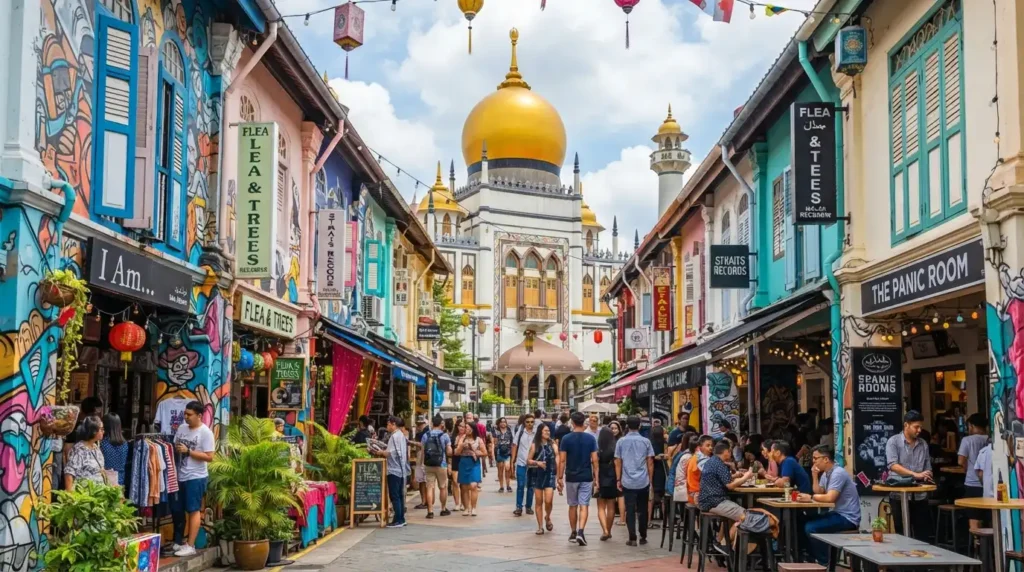
Beyond the futuristic skyline, Singapore’s cultural neighborhoods are where the tourist attraction list gets genuinely interesting. Chinatown, Little India, and Kampong Glam each grew around a different immigrant community, and walking through them back to back in one day shows just how layered this small island really is.
Chinatown centers around Pagoda Street and the striking Buddha Tooth Relic Temple, with the Hindu Sri Mariamman Temple sitting just a few blocks away, a reminder of how closely different faiths coexist here. Little India, reachable by its own MRT stop, is loaded with spice shops, garland sellers, and the Tekka Centre hawker hub, best visited around lunch or dinner when the food stalls are in full swing. Kampong Glam is anchored by the golden dome of Sultan Mosque, with Haji Lane’s narrow street running alongside it, packed with independent boutiques and mural art.
What Should Tourists Know About Temple Etiquette in Singapore?
Visitors should remove their shoes before entering any of these temples and dress modestly, covering shoulders and knees. Loose sarongs are often available to borrow at the entrance if needed. Photography is usually fine in main halls, but it is polite to avoid pointing a camera directly at people who are actively praying. A common mistake first-timers make is treating temple visits like a quick photo stop rather than slowing down to actually read the history posted near the entrance, which usually explains why the building matters to the surrounding community.
Is Sentosa Island Worth Visiting for Tourists?
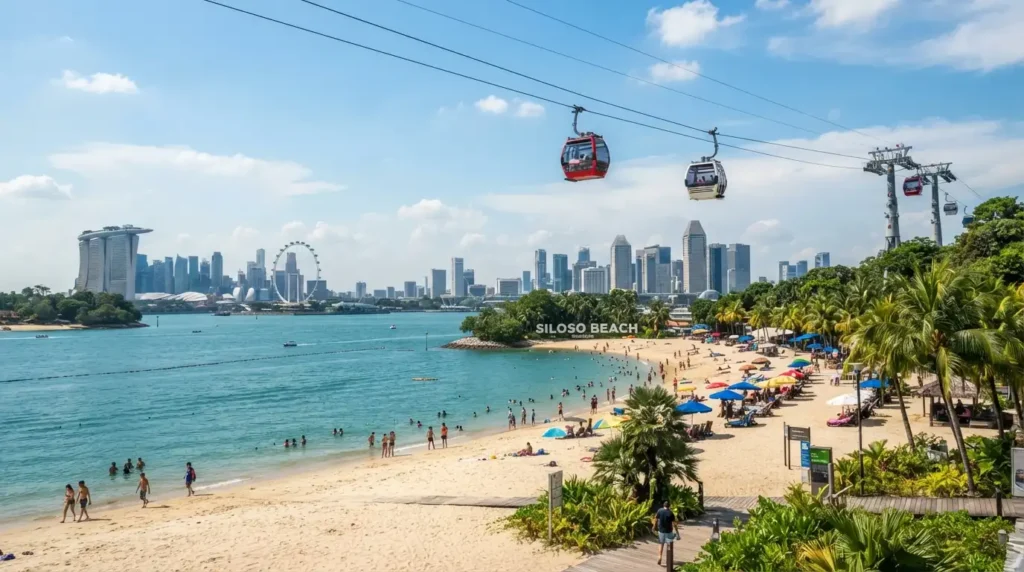
Sentosa is Singapore’s dedicated resort island, connected to the mainland by a short monorail, cable car, or a walkable boardwalk. It suits families and anyone craving a beach day without leaving the country. Universal Studios Singapore is the headline attraction, alongside the S.E.A. Aquarium and Adventure Cove Waterpark.
Honest downside worth knowing: Sentosa can feel more like a manufactured resort complex than an authentic slice of Singapore, and food and drink prices inside the island run noticeably higher than in Chinatown or Little India. It is also one of the more crowded tourist places in Singapore on weekends, when local families join the visiting crowds.
| Feature | Gardens by the Bay | Sentosa Island |
| Best for | Photography, evening shows, gardens | Beaches, theme parks, families |
| Typical time needed | Half day | Full day or more |
| Cost level | Mostly free, domes optional | Moderate to high, tickets add up fast |
| Crowd level | Busy evenings, quieter mornings | Very busy weekends and school holidays |
How Much Does It Cost to Be a Tourist in Singapore Per Day?
Singapore carries a reputation as an expensive stop in Southeast Asia, and it is true compared to neighbors like Vietnam or Indonesia, but it is still very possible to control costs by choosing hawker food over restaurants and public transport over taxis.
| Traveler Type | Daily Budget (2026 estimate) | What It Covers |
| Backpacker | SGD 70 to 100 | Hostel dorm, hawker meals, MRT, free attractions |
| Mid-range | SGD 150 to 250 | 3-star hotel, mix of hawker and casual dining, some paid attractions |
| Luxury | SGD 500 plus | Hotels like Marina Bay Sands, fine dining, private tours |
Most visitors find the biggest cost swing comes from where they eat. A hawker centre meal typically runs SGD 4 to 8, while the same style of dish at a mall food court or tourist-facing restaurant can cost two to three times more.
How Do Tourists Get Around Singapore Without a Car?
The MRT is the backbone of getting around for any tourist in Singapore, with clean, air-conditioned trains running roughly every few minutes across several color-coded lines. Most major attractions sit within a short walk of a station, and Google Maps gives accurate real-time directions for combining bus and train legs.
For visitors planning several rides a day, a Singapore Tourist Pass offers unlimited travel for one, two, or three days, with a refundable card deposit. Grab, the regional ride-hailing app, fills in the gaps for late-night trips or when heading somewhere the MRT does not reach directly, such as parts of East Coast Park or Bukit Timah Nature Reserve.
What Food Should Every Tourist Try in Singapore?
No list of tourist attractions in Singapore feels complete without addressing food, since eating here is as much an attraction as any landmark.
- Chilli crab: A whole crab cooked in a sweet, spicy tomato-chilli sauce, best shared between two or more people. Prices vary by weight, but expect a noticeably higher bill at a sit-down seafood restaurant in Clarke Quay compared to a hawker version.
- Singapore Sling: The signature cocktail, invented at Raffles Hotel’s Long Bar. Expect to pay a premium price here purely for the history and setting, since it is one of the most photographed drinks in the country.
- Hawker centre classics: Chicken rice, laksa, char kway teow, and satay are all widely available at hawker centres for a fraction of restaurant prices, and many stalls have decades of history behind a single dish.
A common mistake first-timers make is skipping hawker centres because they look plain compared to a restaurant, when in reality some of the most awarded food in the entire city comes from these no-frills stalls.
What Are Some Hidden Gem Tourist Places in Singapore Beyond the Main List?
Once the major landmarks are covered, a few quieter spots reward travelers who have an extra day. Pulau Ubin, reached by a short bumboat ride from Changi Point Ferry Terminal, feels like stepping back fifty years, with unpaved roads, old kampong houses, and the Chek Jawa Wetlands boardwalk. Kusu Island offers a similar slow pace, centered around a small temple and calm swimming lagoon. The Southern Ridges trail links several parks through elevated walkways like Henderson Waves, giving sweeping views without the crowds found at more famous attractions.
These spots rarely appear on mainstream tourist attraction lists, which makes them a good way to experience a version of Singapore that feels less staged and more lived-in.
Is Singapore Overrated or Overcrowded for Tourists in 2026?
Singapore is not overrated, but a few spots do get genuinely crowded. Gardens by the Bay’s light show and Sentosa’s beaches fill up fast on weekends and during school holiday periods in June and December. Visiting these spots on weekday mornings, or booking timed e-tickets in advance for domes and observation decks, cuts down on queue time considerably. Travelers who stick strictly to weekend visits to the most Instagrammed spots are the ones most likely to walk away feeling like the city was too busy.
Conclusion
Being a tourist in Singapore does not have to mean choosing between the skyline and the culture, since both sit close enough together to see in one well-planned trip. Group your days by neighborhood, budget realistically for hawker food over restaurant meals, and leave room in the schedule for at least one quieter spot away from the main crowds. Start with Marina Bay, work through the cultural districts, and let Changi Airport’s Jewel be your final stop before heading home.
FAQs
Is Singapore worth visiting for tourists?
Yes. Its mix of futuristic architecture, diverse food culture, and easy public transport makes it one of the most efficient cities in Southeast Asia to explore, even on a short trip.
How many days do I need in Singapore?
Three to four days covers the major tourist attractions comfortably, though two days works for a quick stopover focused on Marina Bay and one cultural district.
Do I need a visa to visit Singapore as a tourist?
Most Western passport holders do not, typically getting 30 to 90 days visa-free, but always check your specific passport’s requirements before booking.
What is the best area to stay in Singapore for tourists?
Kampong Glam, Chinatown, and the Bugis area offer good value and walkability, while Marina Bay area hotels suit travelers wanting to be near the main skyline attractions.
Is Singapore expensive for tourists?
It runs higher than most Southeast Asian countries, but hawker food and MRT travel keep daily costs manageable, especially compared to hotel and fine dining prices.
Which is better, Gardens by the Bay or Sentosa Island?
Gardens by the Bay suits travelers short on time who want photography and evening shows, while Sentosa suits families wanting a full beach and theme park day.
Is Universal Studios Singapore worth it for adults?
Yes for thrill-ride fans, though the park is compact compared to US counterparts, so adults without kids may want to pair it with the aquarium next door to fill the day.
How to avoid tourist traps in Singapore?
Skip touristy seafood restaurants along the main Clarke Quay strip in favor of hawker centres, and compare prices before ordering chilli crab, since portions and pricing vary widely.
What are hidden gems in Singapore that tourists don’t know about?
Pulau Ubin, Kusu Island, and the Southern Ridges trail all offer a quieter, greener side of the city that most standard tourist attraction lists overlook.


