Left Bank Cocktail: Recipe, Ingredients, and How to Serve It
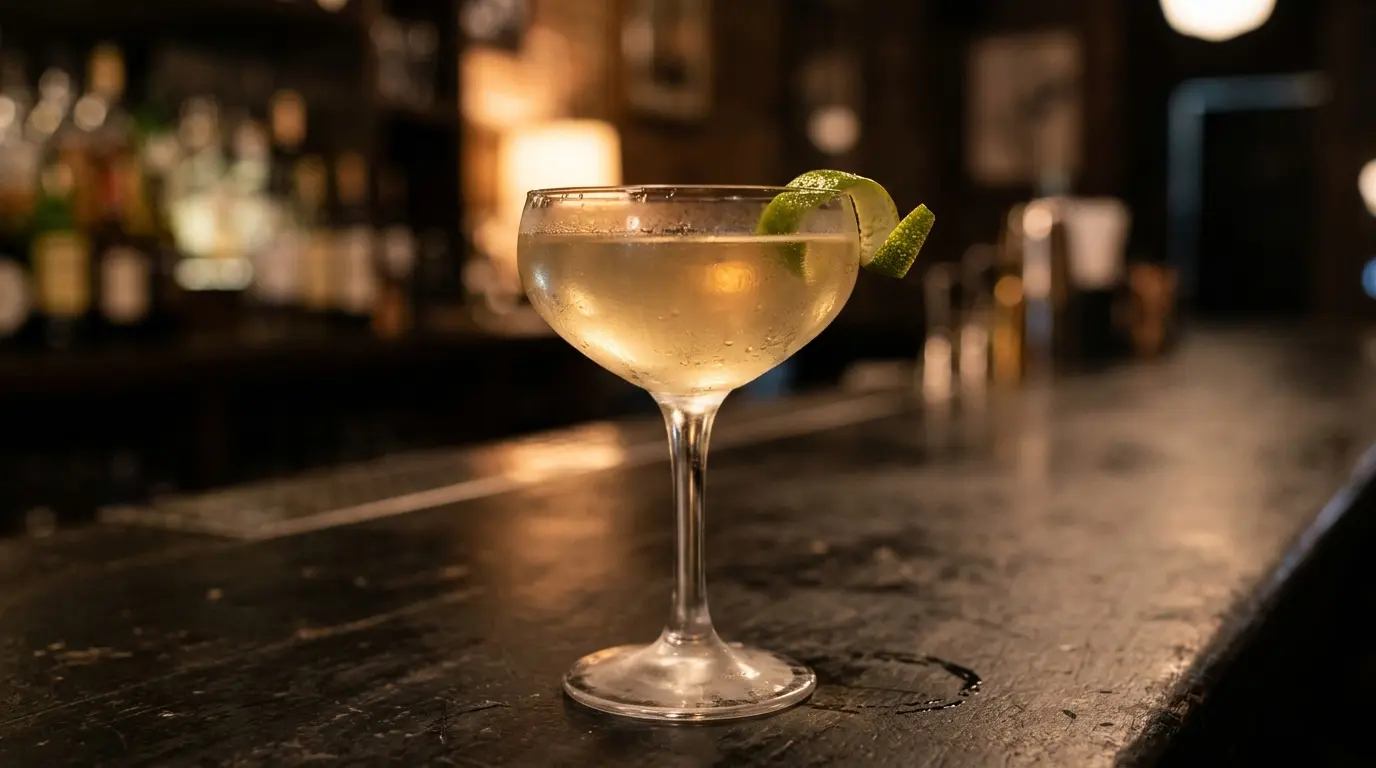
The Left Bank cocktail mixes gin, elderflower liqueur, dry white wine, and a touch of dry vermouth. It is stirred or shaken with ice and strained into a chilled coupe or martini glass. A lime or lemon twist finishes the drink. The result is dry, floral, and light rather than sweet. The name refers to the Left Bank of Paris and the St-Germain elderflower liqueur that often appears in the recipe. Home bartenders can make it with standard bar tools and common spirits.
Core Ingredients and Exact Measures
A standard single serving uses 60 ml gin, 15 ml elderflower liqueur such as St-Germain, 15 ml dry white wine (Chardonnay or Chablis), and 7.5 ml dry vermouth. Some versions replace the vermouth with a small amount of triple sec or omit it. Fresh lime juice appears in a few older recipes at about 7 ml. The gin provides the base spirit. The elderflower adds light sweetness and aroma. The wine keeps the drink dry and adds body. Measure with a jigger for consistency. Scale the amounts for a pitcher if serving a group.
Use a London dry gin or a lightly botanical gin so the other flavors stay clear. British gin traditions influence many modern cocktail recipes that start with the same spirit. Chill all ingredients before mixing. The white wine should be dry and unoaked so it does not clash with the floral notes.
Step-by-Step Preparation
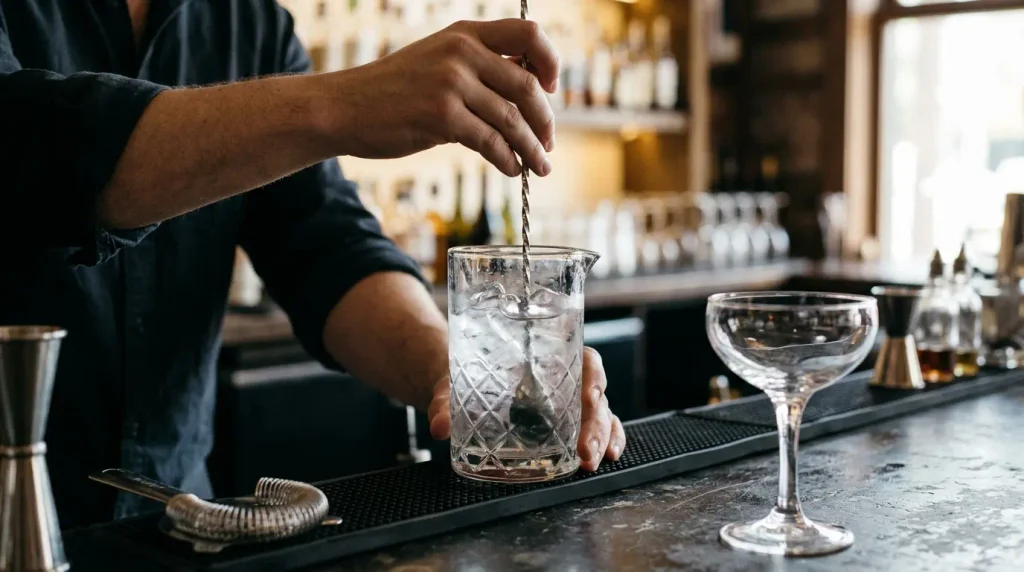
Fill a mixing glass or shaker with ice. Add the gin, elderflower liqueur, white wine, and vermouth. Stir for 20 to 25 seconds if you want less dilution, or shake briefly if you prefer more aeration. Strain into a chilled coupe or martini glass. Express a lime or lemon peel over the surface and drop it in as garnish. The drink is ready to serve immediately. For a pitcher, combine the liquids, add ice, stir, and remove the ice before pouring. Do not let the pitcher sit with ice for long or the drink becomes watery.
A fine strainer removes small ice chips. Italian-style drinks also benefit from precise straining. Taste and adjust the elderflower if the batch tastes too sweet or too dry. The whole process takes under two minutes once the glass is chilled.
Glassware, Garnish, and Presentation
Serve in a coupe or classic martini glass that has been chilled in the freezer. The wide bowl lets the aroma reach the nose. A thin lime wheel or a long lemon twist works as garnish. Some bartenders use a single edible flower for visual effect. The drink should look clear and pale gold or light straw in color. No sugar rim is used because the cocktail is meant to stay dry. Place the glass on a small napkin if serving at a table.
Pre-chill the glass for at least ten minutes. Singapore bar menus often feature similar clear, aromatic cocktails in coupe glasses. The garnish should be fresh so the oils spray onto the surface. Avoid thick peels that sink and look messy.
Flavor Profile and How It Is Drunk
The Left Bank tastes dry with a soft floral note from the elderflower and a clean finish from the gin and wine. It is sipped slowly rather than shot. The alcohol level sits around 20–25 percent depending on the exact pour. It pairs with light appetizers such as olives, mild cheese, or seafood. The drink works as an aperitif before a meal. Most people finish one glass over 15 to 20 minutes. It is not a high-volume party drink because the flavors are delicate.
The balance shifts if the wine is too sweet or the gin is heavily juniper-forward. Light Mexican dishes can also accompany it when the meal stays mild. Serve it cold. Warm versions lose the crisp edge that defines the cocktail.
Common Variations
One variation uses only gin, elderflower cordial, and white wine without vermouth. Another adds a small splash of orange juice for a brighter note. A third replaces the white wine with dry vermouth only and increases the elderflower slightly. The original 2007–2008 version from Le Lion Bar in Hamburg used gin, white wine, elderflower, and vermouth. Later recipes reduced the sweet elements to keep the drink drier. Home versions often simplify to three ingredients when vermouth is unavailable.
Adjust the elderflower down if you prefer less sweetness. Caribbean-inspired menus sometimes adapt the recipe with local citrus. Stick close to the core ratios the first time you make it. Small changes alter the balance quickly.
Where to Find or Order It
Cocktail bars that stock St-Germain and a dry white wine can make the Left Bank on request. It appears on some European bar menus under its own name or as a house martini variation. In the United States and United Kingdom it is less common as a standard pour, so you may need to ask the bartender to build it. Home preparation is straightforward once you have the bottles. Look for it at bars that focus on classic and modern gin drinks rather than high-volume sweet cocktails.
Call ahead if you want it at a specific venue. Coastal restaurant bars sometimes list similar floral gin drinks. The ingredients are widely available at liquor stores. Making it at home gives the most control over the exact taste.
Tips for Consistent Results
Use fresh ice and a clean shaker. Measure every ingredient. Chill the glass. Express the citrus peel so the oils hit the surface. Taste the white wine first; if it tastes oaky, choose a different bottle. Store opened vermouth in the refrigerator. The cocktail does not keep well once mixed, so prepare it just before serving. For parties, mix a pitcher without ice and add ice only when pouring individual glasses.
Keep a small bottle of elderflower liqueur on hand if you make the drink often. Calm evening routines can include one carefully made cocktail rather than several. The recipe scales easily for two or four people. Write the exact measures down the first time so you can repeat the result.
FAQs
Left bank cocktail
The Left Bank cocktail combines gin, elderflower liqueur, dry white wine, and a little dry vermouth. It is stirred or shaken with ice, strained into a chilled coupe, and finished with a citrus twist. The taste is dry and lightly floral. It is usually served as an aperitif.
What are the main ingredients?
Gin, elderflower liqueur (often St-Germain), dry white wine, and dry vermouth. Some recipes add a small amount of lime juice. The standard single serve is 60 ml gin, 15 ml elderflower, 15 ml wine, and 7.5 ml vermouth.
How do you make a Left Bank cocktail?
Add the measured ingredients to a mixing glass with ice. Stir for 20–25 seconds. Strain into a chilled coupe. Garnish with a lime or lemon twist. The drink is ready at once.
What glass should I use?
A chilled coupe or martini glass. The wide surface lets the aroma come forward. Pre-chill the glass in the freezer for at least ten minutes.
Is the Left Bank sweet or dry?
It is dry. The elderflower adds a soft floral sweetness that stays in the background. The wine and vermouth keep the finish clean. Adjust the elderflower down if you want it even drier.
Can I make it without vermouth?
Yes. Many home versions use only gin, elderflower liqueur, and white wine. The drink remains balanced. Add a tiny splash of dry vermouth later if you want more complexity.
What gin works best?
A London dry gin or a lightly botanical gin. Heavy juniper or strongly flavored gins can overpower the elderflower and wine. Taste the gin on its own first.
How strong is the cocktail?
Around 20–25 percent alcohol by volume depending on the exact pour and dilution. It is sipped, not consumed quickly. One serving is typical before a meal.
Where did the name come from?
The name refers to the Left Bank of Paris and to St-Germain elderflower liqueur, which is named after the Saint-Germain-des-Prés area. The modern recipe is linked to a bar in Hamburg around 2007–2008.
Can I batch it for a party?
Yes. Multiply the ingredients, mix in a pitcher without ice, and chill. Add ice only when you pour individual glasses. Do not leave ice in the pitcher for long.
What food pairs with it?
Light appetizers such as olives, mild cheese, or simple seafood. It works as an aperitif. Avoid heavy or very spicy dishes that cover the floral notes.
Do I need special tools?
A jigger, mixing glass or shaker, strainer, and a chilled glass. A citrus peeler helps with the garnish. Most home bars already have these items.