Attractions in Scotland: Best Places to Visit in 2026
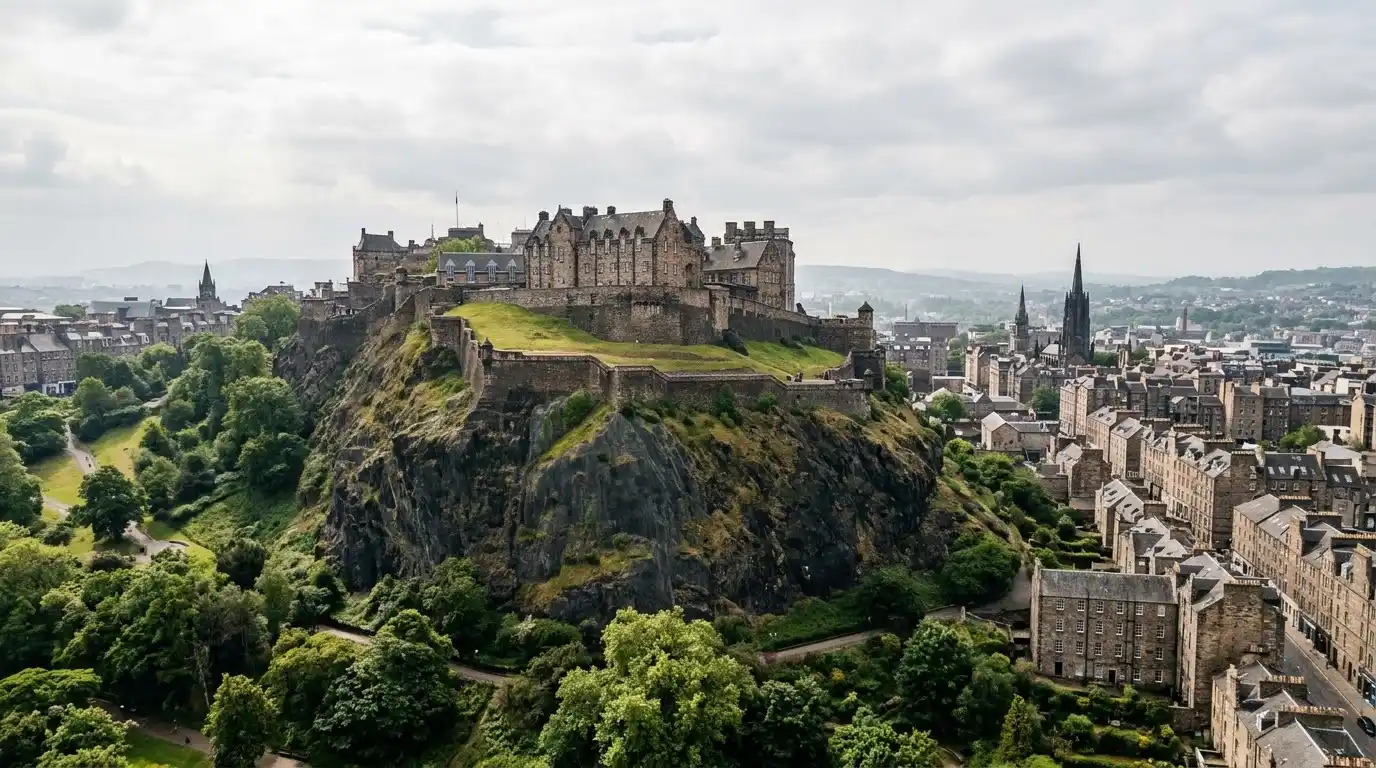
Attractions in Scotland range from Edinburgh Castle to the Highlands and Isle of Skye. Visitors explore historic sites, lochs, and castles with entry fees in British pounds. Most major spots are accessible by train or short drives, with many free outdoor areas.
Edinburgh Highlights
Edinburgh Castle sits on Castle Rock and offers views over the city. Adult entry costs around £23.50 in 2026, with hours from 9:30 to 17:00 or 18:00 depending on the season. The Royal Mile runs downhill from the castle to Holyrood Palace, lined with shops and closes.
Holyrood Palace and the nearby abbey ruins are open to visitors. Arthur’s Seat provides a free hike with city panoramas, taking 1-2 hours. The National Museum of Scotland has free entry and covers history from ancient to modern times.
For European city comparisons, see must see in Europe. Edinburgh’s compact old town makes walking the main sites easy within a few kilometres.
Glasgow and Central Scotland
Glasgow offers the Kelvingrove Art Gallery and Museum with free entry. The Riverside Museum covers transport history, also free. Stirling Castle, about 40 kilometres north, charges around £18 for adults and shows medieval architecture.
Loch Lomond sits 30-40 kilometres from Glasgow and offers boat trips and walking trails. Entry to the lochside is free. The Trossachs National Park nearby has hiking paths of various lengths.
These sites connect well with road trips. Check best road trip routes in Europe for planning multi-stop journeys. Distances between Glasgow and Stirling are short by train.
Highlands and Islands
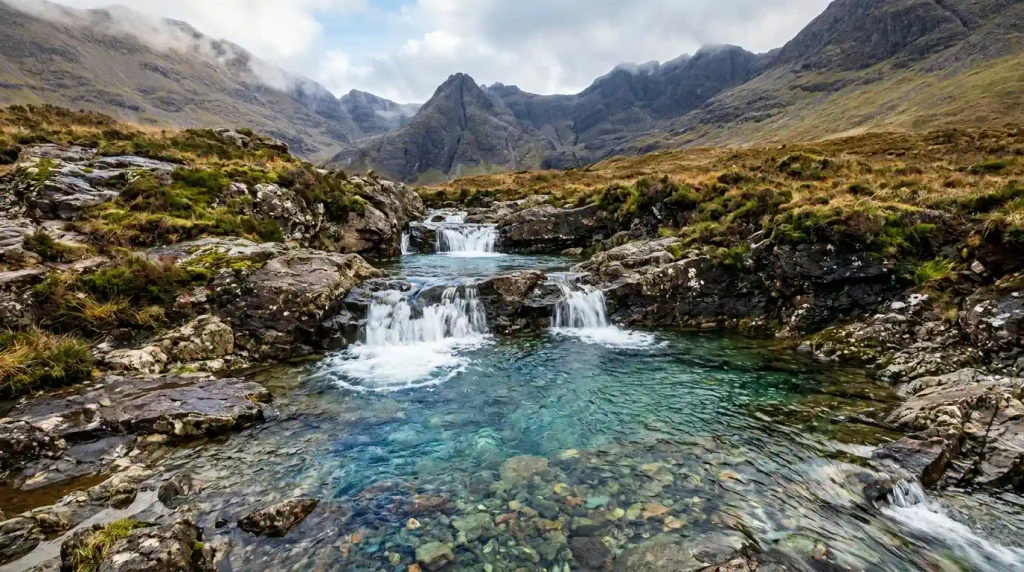
The Isle of Skye features the Fairy Pools and Old Man of Storr. Access is by car or bus from the mainland, with free entry to most viewpoints. The pools involve a short walk of about 2 kilometres. Weather changes quickly, so check forecasts.
Inverness serves as a base for Loch Ness. Cruises on the loch cost £15-30 and last 1-2 hours. Urquhart Castle ruins nearby charge about £12. The Highlands cover large areas, so a car helps for remote spots.
Island experiences differ from mainland ones. Compare with Kauai must do for another island destination. In Scotland, many Highland attractions remain free for outdoor viewing.
Castles and Historic Sites
Beyond Edinburgh and Stirling, Eilean Donan Castle on the west coast charges around £12 and sits on a small island. Dunnottar Castle near Stonehaven costs similar and offers cliff views. Most castles open 9:30 or 10:00 to 16:00 or 17:00.
Historic Scotland and National Trust sites often have combined tickets. Many ruins are free to approach from outside. Guided tours add £5-10. Distances vary; some sit 1-2 hours from major cities.
Castle visits fit into broader European trips. See two week European vacation ideas. Scotland’s castles often include grounds for walking.
Natural Attractions and Outdoor Activities
Glencoe offers dramatic valleys and free hiking trails of 5-15 kilometres. Ben Nevis, the UK’s highest peak, has a popular path taking 7-9 hours round trip. Entry is free, but weather can be severe.
The Cairngorms National Park provides skiing in winter and walking in summer. Loch Ness and the surrounding area support boat and land-based activities. Many trails start from free car parks.
Outdoor options suit active travellers. Look at best hikes in Arches National Park for contrast in terrain. In Scotland, pack waterproofs for all outdoor attractions in Scotland.
Museums and Cultural Experiences
The Scottish National Gallery in Edinburgh is free. Glasgow’s museums cover art and history at no cost. Whisky distilleries in Speyside offer tours for £15-25, lasting 1-2 hours with tastings.
Highland games events happen in summer with free or low-cost entry. Traditional music sessions occur in pubs. Many cultural sites open year-round with seasonal hours.
Cultural stops complement outdoor ones. Read things to do in Edinburgh for city-specific details. Distilleries often require booking in peak season.
Practical Planning for Attractions in Scotland
Use British pounds for all costs. Trains connect major cities efficiently. A car is useful in the Highlands. Distances: Edinburgh to Glasgow is 70 kilometres, to Inverness about 250 kilometres. Many attractions offer family tickets.
Summer brings longer days but more crowds. Winter suits city visits and indoor sites. Book popular castles ahead. Public transport covers the main attractions in Scotland well.
Combine with other UK trips. See trips to Ireland and Scotland. Most visitors spend 7-10 days to cover highlights without rushing.
| Attraction | Location | Adult Entry | Time Needed |
|---|---|---|---|
| Edinburgh Castle | Edinburgh | £23.50 | 2-3 hours |
| Stirling Castle | Stirling | £18 | 2 hours |
| Fairy Pools | Isle of Skye | Free | 1-2 hours |
| Loch Ness Cruise | Near Inverness | £15-30 | 1-2 hours |
| Glencoe | Highlands | Free | Half day |
FAQs
attractions in scotland
Key attractions in Scotland include Edinburgh Castle, the Isle of Skye’s Fairy Pools, Loch Ness, Stirling Castle, and Glencoe. Many historic sites charge £12-25 while outdoor areas are free. Visitors can cover major ones by train or car. A week allows time for cities and one Highland area.
How many days do you need in Scotland?
Five to seven days cover Edinburgh, Glasgow, and a short Highlands trip. Ten days allow the Isle of Skye or deeper exploration. The country is compact but roads in the north take time. Prioritise based on interest in cities versus nature.
Is Scotland expensive to visit?
Cities have mid-range costs with free museums. Castles cost £15-25. Accommodation varies by season. Food in pubs is affordable. Overall, it fits moderate budgets with planning. Peak summer raises prices for popular spots.
What is the best time to visit Scotland?
May to September offers milder weather and longer days. June and July are warmest but busiest. Winter suits city breaks and has fewer crowds. Rain is possible year-round, so pack accordingly. Shoulder months balance weather and prices.
Do you need a car in Scotland?
Not for Edinburgh or Glasgow, where trains and buses work well. A car helps in the Highlands and islands for flexibility. Public buses reach many attractions but take longer. Rental is common for multi-day Highland trips.
Are there free attractions in Scotland?
Yes, many museums in Edinburgh and Glasgow are free. Outdoor sites like Arthur’s Seat, Glencoe trails, and loch shores cost nothing. Some castle grounds allow free viewing from outside. Walking the Royal Mile is free.
How do you get around the Highlands?
Buses connect main towns, but a car is more convenient for remote sites. Trains reach Inverness and some west coast spots. Organised tours cover popular routes. Distances between attractions can be 50-100 kilometres.
What currency is used in Scotland?
British pounds sterling (GBP). Scottish banknotes are accepted everywhere in the UK. Cards work widely. ATMs are common in towns. Small cash helps in rural areas or for small purchases.
Is Edinburgh walkable?
Yes, the old town and Royal Mile are very walkable. Major sites sit within 2-3 kilometres. Hills add some elevation. Public buses cover longer distances. Most visitors walk the centre easily.
Can you visit the Isle of Skye in a day?
A day trip is possible from Inverness but rushed. Overnight stays allow better exploration of the Fairy Pools and viewpoints. The drive or bus takes 2-3 hours each way. Many prefer 1-2 nights there.
What should you pack for Scotland?
Waterproof jacket, layers, comfortable walking shoes, and a hat. Weather changes fast. Sunscreen for summer. No special gear for most attractions. A reusable bottle is useful for hikes.
Are the castles worth the entry fee?
Yes for the main ones like Edinburgh and Stirling, which include museums and views. Smaller ruins may be free outside. Combined tickets save money if visiting several. Interiors show history not visible from outside.