
Kyoto Must Do: The Complete 2026 Guide to Japan’s Cultural Capital
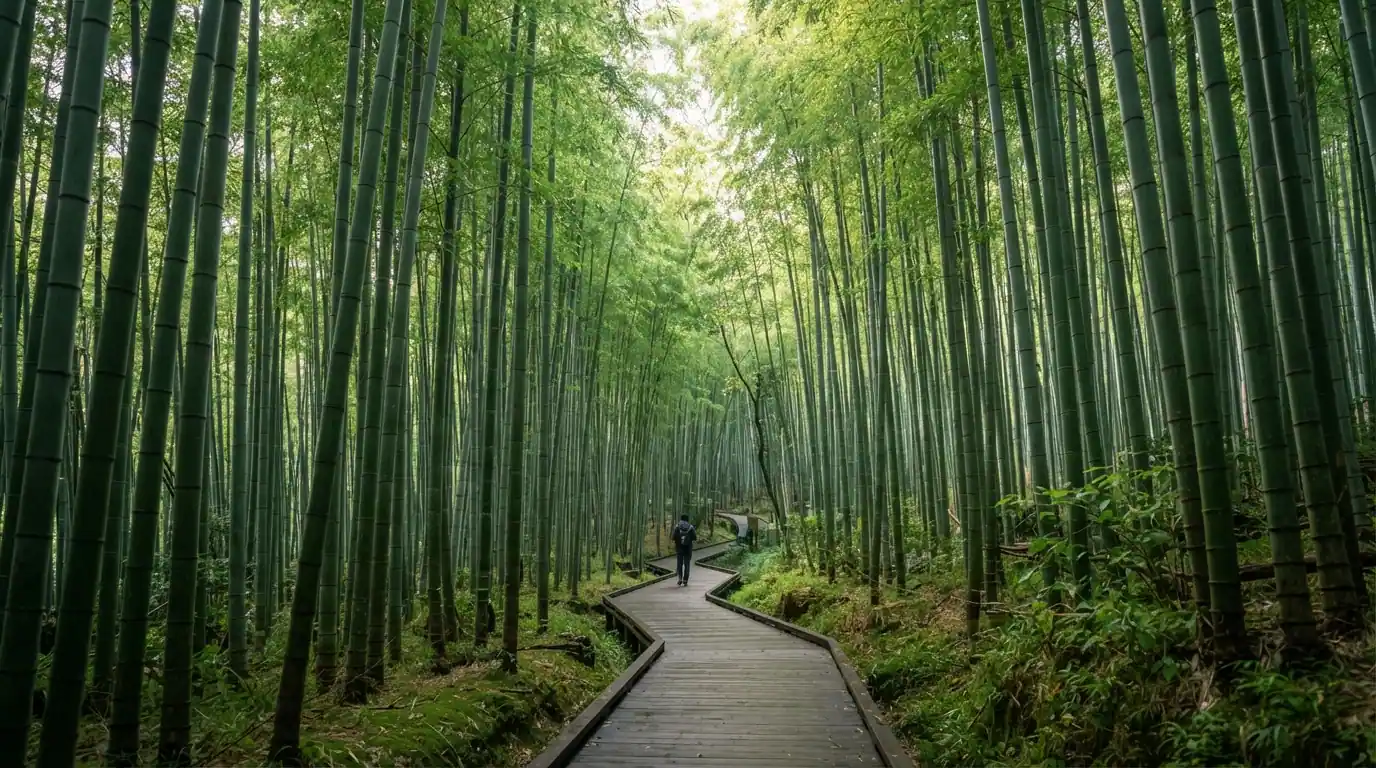
The kyoto must do list comes down to a handful of places done properly rather than a rushed checklist. Fushimi Inari’s endless torii gates, the golden reflection of Kinkaku-ji, the bamboo grove in Arashiyama, and a slow walk through Gion cover the essentials without leaving you exhausted after two days. If you’ve read that Kyoto is either Japan’s most magical city or hopelessly overrun with tour groups, both descriptions have some truth to them depending entirely on when and how you visit.
Kyoto served as Japan’s imperial capital for over a thousand years, and it shows in a way few cities can match. Wooden temples, quiet gardens, and entire neighborhoods of traditional machiya houses survived here largely untouched by the wartime bombing that reshaped much of the rest of the country. That history is exactly why Kyoto draws such heavy crowds today, and knowing how to work around that crowding is often the difference between a trip that feels magical and one that feels like standing in line all day.
Is Kyoto Worth Visiting in 2026?
Kyoto is worth visiting because it holds more UNESCO World Heritage sites than almost any other city in Japan, preserving centuries of traditional wooden architecture, Zen gardens, and temple culture within a genuinely walkable city. It rewards travelers who plan around crowds rather than fighting them head on.
The city sits compact enough that most kyoto must do sites cluster into a few distinct districts, Eastern Kyoto around Gion and Kiyomizu-dera, Northern Kyoto around Kinkaku-ji and Ginkaku-ji, and Western Kyoto around Arashiyama. That geographic clustering makes planning considerably easier than it first appears, since a single day can realistically cover one district thoroughly rather than crisscrossing the whole city.
How Many Days Do You Need for the Kyoto Must Do Experience?
Three full days cover the essential kyoto must do list, including Eastern Kyoto, Fushimi Inari, and Arashiyama, while four days lets you add a proper day trip to Nara or Uji without feeling rushed. Two days works only if you’re willing to skip one major district entirely.
Day one suits Fushimi Inari in the early morning followed by an afternoon in Eastern Kyoto around Kiyomizu-dera and Gion. Day two works well for Arashiyama’s bamboo grove and Kinkaku-ji, both on the western and northern sides of the city respectively, though they require some cross-city travel to combine in one day. Day three opens up a day trip, whether that’s the deer park in Nara or the quieter tea town of Uji. A common mistake first-timers make is trying to squeeze Fushimi Inari into a late morning slot, when the crowds are already thick and the July and August heat makes the uphill hike considerably less pleasant than an early start would.
What Are the Kyoto Must See Places in Eastern Kyoto?
The kyoto must see places in Eastern Kyoto include Kiyomizu-dera, the Gion district, and Ginkaku-ji paired with the Philosopher’s Path, all connected loosely enough to walk between with some effort or a short bus ride.
Is Kiyomizu-dera Worth Visiting?
Kiyomizu-dera, a wooden temple built on a hillside without using a single nail in its main stage construction, is worth visiting for the sweeping views over Kyoto from its famous veranda. Entry typically costs around 400 to 500 yen for adults, and the approach up Higashiyama’s preserved streets, lined with traditional shops selling pottery and wagashi sweets, is as much a part of the experience as the temple itself.
Travelers consistently find the approach streets more crowded than the temple grounds themselves, particularly during cherry blossom and autumn foliage seasons, when the surrounding maple trees turn the whole hillside into one of Kyoto’s most photographed views.
What Do You See in the Gion District?
Gion, Kyoto’s most famous geisha district, offers preserved wooden teahouses, narrow lantern-lit streets, and the chance to spot a geiko or maiko, the Kyoto terms for geisha and apprentice geisha, heading to evening appointments. Hanamikoji Street remains the district’s most photographed lane.
A common mistake first-timers make is not realizing that certain private streets within Gion now restrict tourist photography entirely, following complaints from residents and business owners about intrusive behavior toward geisha. Locals recommend sticking to main public streets for photos and never approaching or blocking a geiko or maiko who is clearly on her way somewhere, since it’s both disrespectful and, on restricted streets, can result in a fine.
Is Ginkaku-ji Worth Visiting Alongside the Philosopher’s Path?
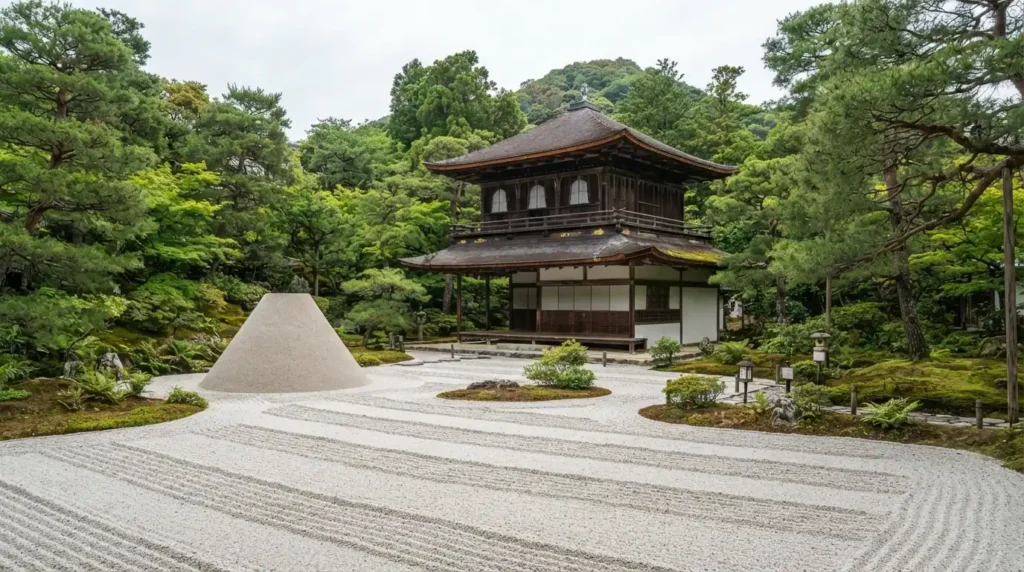
Ginkaku-ji, the Silver Pavilion, despite its name was never actually covered in silver, and its understated wooden structure alongside a meticulously raked sand garden offers a quieter, more contemplative counterpart to the golden extravagance of Kinkaku-ji. Entry runs around 500 yen, and it pairs naturally with the Philosopher’s Path, a canal-side walking route lined with cherry trees that connects toward several smaller temples.
Is Fushimi Inari Taisha Worth Visiting and When Should You Go?
Fushimi Inari Taisha, famous for its thousands of vermillion torii gates climbing up Mount Inari, is absolutely worth visiting and remains free to enter, though timing your visit correctly matters more here than at almost any other kyoto must do site.
The first few hundred meters of gates near the entrance get genuinely crowded from mid-morning through late afternoon, with the bottleneck easing considerably past the first major rest stop as many day-trippers turn back. Locals recommend arriving before 7am or after sunset, when the gates stay open and lit but the crowds thin dramatically, for a noticeably more atmospheric walk through the vermillion tunnels. The full hike to the summit and back takes two to three hours, though most visitors find walking to the upper viewpoint, roughly 30 to 45 minutes up, gives a satisfying sense of the shrine’s scale without needing to complete the entire loop.
What Are the Kyoto Must Do Experiences in Arashiyama?
The kyoto must do experiences in Arashiyama center on the bamboo grove, Tenryu-ji Temple, and the option to ride the Sagano Scenic Railway along the Hozugawa River gorge, all clustered together on Kyoto’s western edge.
The Arashiyama Bamboo Grove is free to walk through and takes only about 10 to 15 minutes to traverse, though it’s most photogenic and least crowded in the very early morning before tour buses arrive. Tenryu-ji Temple, a UNESCO listed site with a beautifully preserved Zen garden, charges a modest entry fee, typically around 500 yen for garden access with an additional fee for building interiors. The Sagano Scenic Railway, a slow trundling train through the river gorge, costs around 880 yen one way and is worth it specifically for autumn foliage or spring cherry blossom season, though travelers visiting outside those windows often find the free riverside walking paths just as scenic without the ticket cost.
Is Kinkaku-ji Worth the Ticket Price?
Kinkaku-ji, the Golden Pavilion covered in genuine gold leaf and reflected in its surrounding pond, is worth the ticket price for most first-time visitors, with entry running around 500 yen and the visit itself taking 30 to 45 minutes along a set walking path through the grounds.
A common mistake first-timers make is expecting to linger extensively at the pavilion itself. The site follows a one-way walking route that keeps visitors moving past the best photo point relatively quickly, so most of the visit is spent walking the surrounding garden paths rather than lingering at the pavilion. Most visitors say the reflection shot from the main viewing point across the pond remains the highlight, best captured on a still, clear day when the water isn’t rippled by wind.
What Are the Best Underrated Kyoto Day Trips?
The best underrated kyoto day trips include Uji, a quiet town famous for producing some of Japan’s finest matcha, and Kurama combined with Kifune Shrine, a mountain village pairing a hiking trail with an outdoor hot spring, both offering a genuinely different pace from the busier city center sites.
Uji sits about 20 to 30 minutes from Kyoto by train and centers on Byodo-in Temple, featured on the Japanese 10 yen coin, alongside numerous tea houses offering matcha tastings and desserts made from the region’s famous green tea. Kurama and Kifune, roughly 30 minutes north of central Kyoto by train, pair a scenic mountain hiking trail past Kurama-dera Temple with Kurama Onsen, an outdoor hot spring bath with forest views, typically costing around 2500 to 3000 yen for a day pass including towel rental. Travelers consistently find both of these day trips considerably quieter than the more famous Nara deer park excursion, making them worth considering specifically for anyone who has already done Nara on a previous trip or wants to avoid its heavier crowds.
What Food Should You Try in Kyoto?
Kyoto food culture centers on kaiseki dining, yudofu tofu hot pot, and matcha in its many forms, alongside the lively stalls of Nishiki Market, often nicknamed Kyoto’s kitchen.
Kaiseki, a traditional multi-course meal built around seasonal ingredients, ranges enormously in price, from around 5000 yen for a more accessible lunch version to well over 20000 yen for an elaborate evening experience at a high-end ryotei. Yudofu, simple tofu simmered in a light kombu broth, remains a Kyoto specialty particularly associated with temple cuisine, especially around the Arashiyama area near Tenryu-ji. Nishiki Market’s narrow covered arcade offers everything from fresh seafood skewers to pickled vegetables and matcha sweets, and it’s one of the better places to sample a wide range of Kyoto specialties without committing to a full sit-down meal.
Is Kyoto Expensive? What Does a Kyoto Trip Cost?
Kyoto runs slightly more expensive than Osaka for dining and accommodation, though temple entry fees themselves remain modest, typically 400 to 600 yen per site, keeping sightseeing costs relatively low compared to accommodation and food.
[Cost Table: Kyoto Must Do Estimated Costs 2026]
| Item | Approximate Cost |
| Kiyomizu-dera entry | 400–500 yen |
| Kinkaku-ji entry | ~500 yen |
| Ginkaku-ji entry | ~500 yen |
| Tenryu-ji garden entry | ~500 yen |
| Sagano Scenic Railway (one way) | ~880 yen |
| Fushimi Inari Taisha | Free |
| Kaiseki lunch | 5,000+ yen |
| Kurama Onsen day pass | 2,500–3,000 yen |
A common budgeting mistake is underestimating kimono rental costs if that’s part of the plan, since basic rentals start around 3000 to 4000 yen for a few hours, while premium shops with styling and photography add-ons can run well over 10000 yen.
When Is the Best Time to Visit Kyoto?
The best time to visit Kyoto is late March through early April for cherry blossoms or mid to late November for autumn foliage, though both windows shift slightly year to year and bring the heaviest crowds of the entire calendar.
Most visitors say early April delivers the most reliable cherry blossom viewing around the Philosopher’s Path and Maruyama Park, though exact peak bloom dates vary annually and are worth checking closer to travel dates rather than assuming a fixed calendar window. Summer brings intense heat and humidity that makes hiking Fushimi Inari considerably less comfortable, while winter offers the thinnest crowds and a genuinely different, quieter atmosphere across the temple districts, even if it lacks the seasonal spectacle of the other two windows.
Conclusion
Kyoto rewards travelers who plan around timing as much as location. Spend your kyoto must do time on Fushimi Inari early in the day, Eastern Kyoto and Gion in the afternoon, and Arashiyama’s bamboo grove before the tour buses arrive, then add Uji or Kurama if you have a fourth day for something quieter. Book kimono rentals and any Sagano Railway seats ahead during peak cherry blossom or autumn foliage weeks, and Kyoto tends to deliver exactly the magic its reputation promises, as long as you’re not standing in the busiest crowd at the busiest hour.
FAQs
Is Kyoto worth visiting?
Yes, Kyoto offers more UNESCO World Heritage sites than nearly any other Japanese city, preserving centuries of temple culture and traditional architecture within a walkable, well organized city.
What is Kyoto known for?
Kyoto is known for Fushimi Inari’s torii gates, Kinkaku-ji, the Arashiyama Bamboo Grove, and the geisha district of Gion.
How many days do you need in Kyoto?
Three days covers the essential kyoto must do list, while four days allows time for a proper day trip to Nara or Uji without rushing.
Is Kyoto expensive?
Kyoto runs slightly pricier than Osaka for dining and accommodation, though temple entry fees themselves stay modest at around 400 to 600 yen per site.
What is the best area to stay in Kyoto?
Central areas near Kyoto Station or Gion suit first-time visitors wanting walking access to major sights, while quieter neighborhoods like Uji or northern Kyoto suit longer stays.
Is Kyoto or Osaka better to stay in?
Kyoto suits travelers prioritizing temples and traditional culture, while Osaka offers cheaper accommodation and a stronger food and nightlife scene, and the two cities are only about 15 minutes apart by train.
What is there to do in Kyoto besides temples?
Nishiki Market, kaiseki dining, kimono rental experiences, and day trips to Uji or Kurama Onsen all offer non-temple focused ways to spend time in Kyoto.
How do you get from Osaka to Kyoto?
By train, taking roughly 15 to 30 minutes depending on whether you use the JR line or a private railway, making it an easy day trip or base swap.
Is Fushimi Inari worth visiting?
Yes, and it’s free to enter, though visiting before 7am or in the evening avoids the heaviest crowds that build up mid-morning through late afternoon.
What is the best time to see cherry blossoms in Kyoto?
Late March through early April typically offers peak bloom, though exact timing shifts year to year and is worth checking closer to your travel dates.
What’s the best day trip from Kyoto besides Nara?
Uji, known for its matcha and Byodo-in Temple, and Kurama combined with Kifune Shrine both offer quieter alternatives to the more crowded Nara deer park excursion.
Is Kyoto safe to walk around at night?
Yes, Kyoto is considered very safe, with most visitors experiencing no issues walking through areas like Gion or Pontocho Alley even late in the evening.


