
Big Island Hawaii Beach Guide: Best Beaches by Type and Location
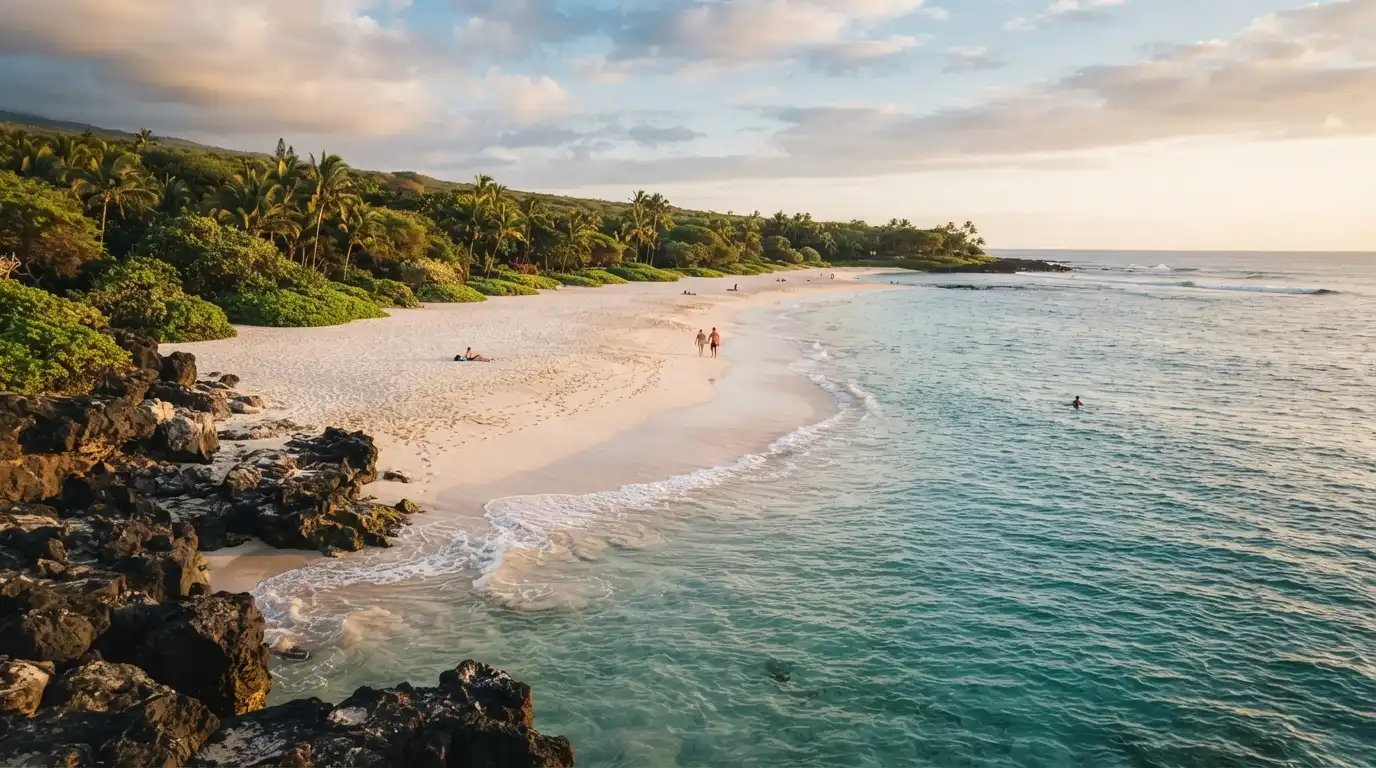
A big island hawaii beach rarely looks like the postcard white sand most people picture for Hawaii. This island’s beaches range from jet black volcanic sand at Punalu’u to one of the only green sand beaches on Earth at Papakolea, with white sand pockets mostly clustered on the drier Kona side. If you’ve been comparing Big Island beach lists and getting confused about why some sound nothing like a typical Hawaiian beach, that’s exactly why.
The Big Island is younger geologically than the other islands, and its coastline shows it. Lava flows have shaped much of the shoreline, which means fewer long stretches of soft white sand and more variety in beach type than you’d find on Oahu or Maui. That variety is actually the appeal here, but it does mean picking the right beach for what you actually want to do matters more on this island than almost anywhere else in Hawaii.
What Is the Best Beach on the Big Island for Swimming?
Hapuna Beach State Park and Kua Bay both rank among the best beaches on the Big Island for swimming, offering wide stretches of white sand and generally calm water during summer months, though both can develop a stronger shore break during winter swells.
Hapuna sits on the Kona side and offers enough space that even a busy day rarely feels packed the way smaller beaches do. Parking fills up by mid-morning on weekends, so arriving before 9am gives you the best shot at a close spot. Kua Bay, a bit further north, has clearer water on calmer days but far less shade, so bringing your own umbrella or shelter matters here more than at Hapuna, where some natural shade exists along the tree line.
Is Punalu’u Black Sand Beach Worth Visiting?
Punalu’u Black Sand Beach is worth visiting for the sand itself and the regular sea turtle sightings, though it’s better suited to photos and a short walk than actual swimming, since the sand is coarser and rockier underfoot than most visitors expect.
Hawaiian green sea turtles, known locally as honu, haul out onto the sand here regularly to rest, and Hawaii state law requires staying at least 10 feet away from any turtle on the beach, a rule park rangers do enforce. A common mistake first-time visitors make is approaching turtles for a closer photo, which is both illegal and disruptive to the animals. The water at Punalu’u can also carry a noticeable undertow near the rocky points, so most visitors treat this stop as a walk-and-photograph beach rather than a swimming destination, saving actual ocean time for calmer spots elsewhere on the island.
How Do You Get to Papakolea Green Sand Beach and Is the Hike Worth It?
Papakolea Green Sand Beach requires a roughly 5-mile roundtrip hike along a dirt access road near South Point, and it’s worth the effort for most visitors specifically because it’s one of only a handful of green sand beaches in the world, formed from olivine crystals eroded out of a nearby volcanic cinder cone.
The hike itself takes most people 90 minutes to two hours roundtrip depending on pace, with little shade along the exposed, windy route. Some local drivers offer paid truck shuttles along the same dirt road for a fee that typically runs 15 to 20 dollars roundtrip per person, cutting the walking time down considerably, though this arrangement isn’t an official park service and can vary in reliability. Once you reach the beach, the actual swimming area is a small, somewhat rocky cove, so most travelers say the destination itself is more about the color and rarity of the sand than a comfortable beach day.
What Is the Best Snorkeling Beach on the Big Island?
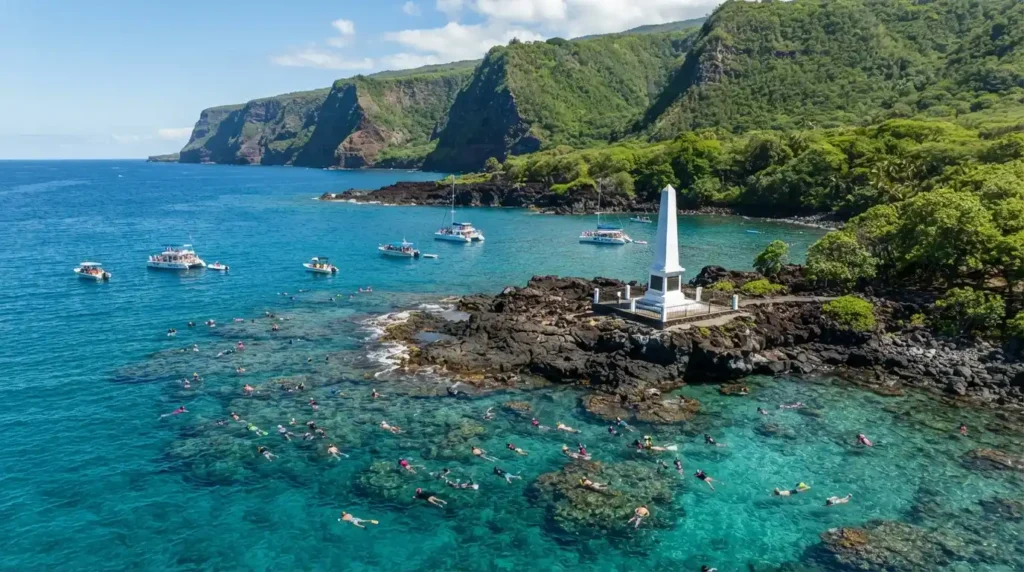
Kekaha Kai State Park and the Two Step spot at Honaunau Bay both rank among the best snorkeling beaches on the Big Island, with clear water and consistent reef fish sightings, and Two Step in particular known for regular dolphin and sea turtle encounters just offshore.
Two Step gets its name from natural lava rock steps that make entering the water easier than at most rocky Big Island shorelines, though the entry can still be tricky for less confident swimmers given the uneven lava surface. Kekaha Kai’s Mahai’ula Bay offers a calmer, sandier entry point better suited to snorkelers who want an easier time getting in and out of the water.
What Are the Best Beaches on the Big Island for Families?
Hapuna Beach State Park and Anaeho’omalu Bay both work well for families, offering wide sandy areas, generally gentler entry points than the island’s rockier beaches, and enough space for kids to spread out without crowding.
Anaeho’omalu Bay, often shortened locally to A-Bay, combines calm swimming water with nearby ancient Hawaiian fishponds worth a short walk to see, giving families something beyond just beach time in the same stop. Carlsmith Beach Park near Hilo offers a different, quieter option, with a series of connected tide pools that tend to appeal to younger kids more than open ocean swimming does.
Kona Beaches vs Hilo Beaches: What’s the Difference?
Kona side beaches sit in a rain shadow created by the island’s volcanoes, staying dry and sunny for most of the year, while Hilo side beaches deal with considerably more rainfall and rougher surf, making them better suited to sightseeing than sunbathing.
[Comparison Table: Kona Side vs Hilo Side Beaches]
| Factor | Kona Side | Hilo Side |
| Typical weather | Dry, sunny most days | Wet, frequent rain |
| Beach type | More white sand, calmer water | Rockier, tide pools, black sand |
| Best for | Swimming, sunbathing | Sightseeing, tide pools |
| Example beaches | Hapuna, Kua Bay, A-Bay | Richardson Ocean Park, Carlsmith |
Travelers consistently find the Kona side more reliable for a straightforward beach day, while the Hilo side rewards visitors more interested in tide pools, dramatic coastline, and a quieter, less touristed feel.
Are Big Island Beaches Safe for Swimming?
Big Island beaches are generally safe for swimming when you check conditions first, though rip currents, strong shore break, and a lack of lifeguards at many beaches make caution genuinely necessary rather than optional advice.
Papakolea, much of Kekaha Kai State Park, and several stretches near South Point have no lifeguard present at all, so swimming ability and conditions awareness matter more at these spots than at guarded beaches like Hapuna. Winter swells, typically running from November through March, can turn otherwise calm west side beaches choppier and more dangerous for casual swimmers, so checking the NOAA surf report before heading out is worth the extra few minutes, particularly at beaches without lifeguard towers.
Do You Need Reef-Safe Sunscreen for Big Island Beaches?
Yes, Hawaii state law bans the sale of sunscreens containing oxybenzone and octinoxate, chemicals shown to harm coral reefs, so bringing a reef-safe, mineral-based sunscreen from home or buying one locally is required rather than optional for beach visits.
A common mistake mainland visitors make is packing a standard sunscreen from home without checking the ingredient list, then discovering it isn’t sold locally once they arrive. Mineral sunscreens using zinc oxide or titanium dioxide as the active ingredient meet the reef-safe standard and are widely available at Hawaii grocery and drugstores if you forget to pack one.
Conclusion
Choosing the right big island hawaii beach really comes down to matching the beach type to what you actually want from the day. Head to Hapuna or Kua Bay for straightforward swimming, save Punalu’u and Papakolea for the volcanic sand experience rather than a swim, and check surf conditions before heading to any beach without a lifeguard. Pack reef-safe sunscreen before you land, respect the distance rules around sea turtles and monk seals, and the Big Island’s beaches end up offering a genuinely different kind of Hawaii trip than the more familiar white sand islands.
FAQs
What is the best beach on the Big Island of Hawaii?
Hapuna Beach State Park is widely considered one of the best overall, combining wide white sand with generally calm, swimmable water for most of the year.
Does the Big Island have good beaches?
Yes, though they differ significantly from other Hawaiian islands, ranging from black and green sand volcanic beaches to white sand spots concentrated mostly on the Kona side.
What is Big Island known for?
The Big Island is known for its volcanic landscape, including black sand and green sand beaches, along with active volcano sites and a noticeably drier climate on its Kona side.
Are Big Island beaches black sand?
Some are, like Punalu’u, but the island also has white sand beaches like Hapuna and Kua Bay, mostly concentrated on the drier Kona coastline.
What is the best beach on the Big Island for families?
Hapuna Beach State Park and Anaeho’omalu Bay both suit families well, offering wide sandy areas and generally gentle entry points.
Is Punalu’u Black Sand Beach safe for swimming?
It’s better suited to walking and turtle viewing than swimming, since the sand is rockier and the water can carry a noticeable undertow near the points.
How do you get to Papakolea Green Sand Beach?
By a roughly 5-mile roundtrip hike along a dirt access road near South Point, or by paying for a local truck shuttle that covers the same route faster.
What is the best snorkeling beach on the Big Island?
Two Step at Honaunau Bay and Kekaha Kai State Park’s Mahai’ula Bay both rank among the top snorkeling spots, known for clear water and frequent sea turtle sightings.
Is the hike to Green Sand Beach worth it?
Yes for most visitors, given the rarity of green sand beaches worldwide, though the hike itself takes 90 minutes to two hours roundtrip with little shade.
Do you need reef-safe sunscreen for Hawaii beaches?
Yes, Hawaii law bans sunscreens containing oxybenzone and octinoxate, so a mineral-based reef-safe sunscreen is required rather than just recommended.
What is the difference between Kona and Hilo beaches?
Kona beaches tend to be drier, sunnier, and better for swimming, while Hilo beaches see more rain and rougher surf, suiting sightseeing more than sunbathing.


