
Asheville Must Do: The Complete Guide to Biltmore, Breweries, and Mountain Views
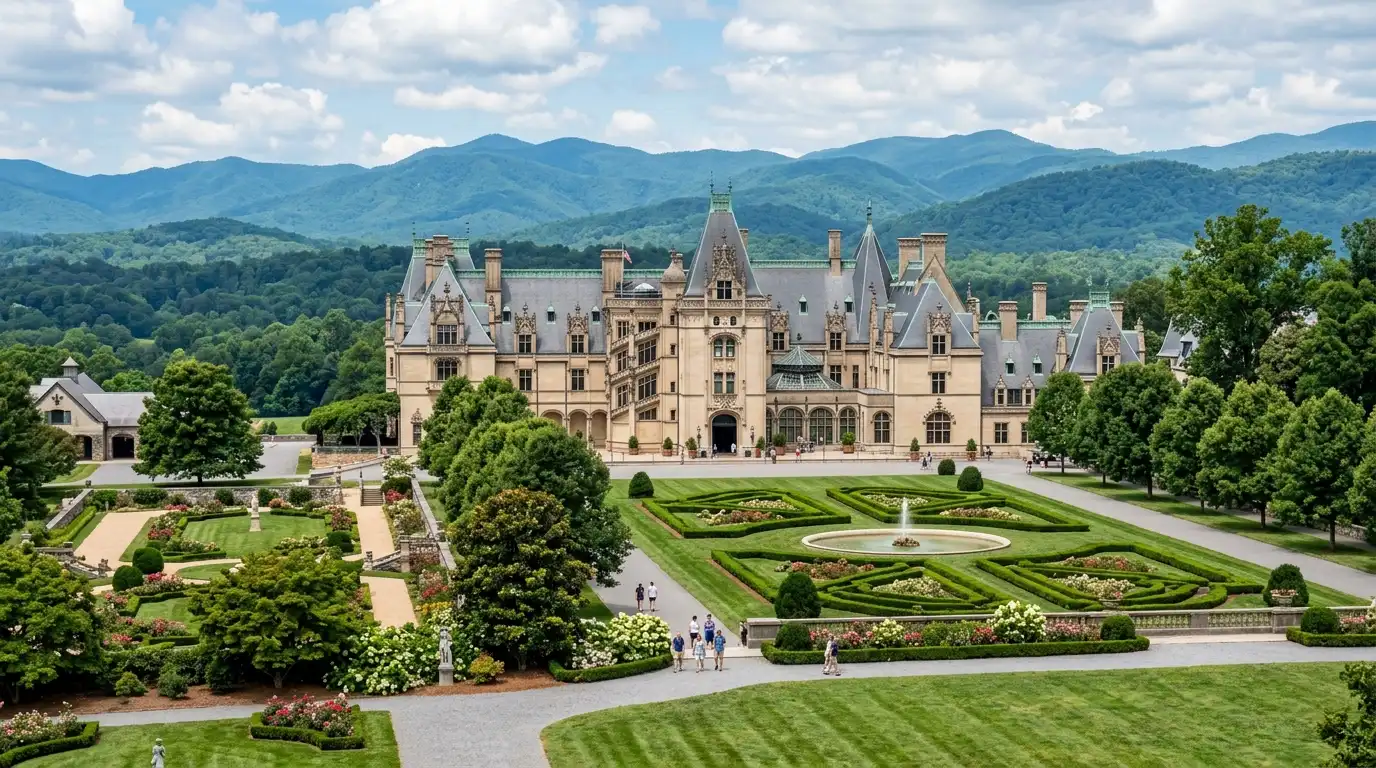
The top asheville must do experiences are Biltmore Estate, downtown’s rooftop bars and bookshops, the River Arts District, and a hike at DuPont State Forest. Asheville packs a surprising amount into a small mountain city, and first-time visitors often underestimate how much time each of these actually takes. This guide breaks down exactly what to prioritize, what things cost in 2026, and when to go.
Nestled in the Blue Ridge Mountains of North Carolina, Asheville has built a reputation as one of the South’s most creative small cities. It blends grand Gilded Age history with a scrappy, artsy present, and it has done so while actively rebuilding parts of itself after Hurricane Helene. That rebuild matters for anyone planning a trip, so let’s start there before getting into the fun stuff.
Is Asheville Worth Visiting in 2026 After Hurricane Helene?
Yes, Asheville is open and actively welcoming travelers again. Downtown Asheville and most of the River Arts District have reopened, with local businesses making a strong push for tourism dollars to help fund the ongoing rebuild. Visitors who came through in the months following the storm reported that recovery progress was already visible and impressive.
That said, a common mistake first-timers make is assuming every business listed in an older blog post is still operating exactly as described. Some riverside spots and smaller studios are still rebuilding, so it’s worth doing a quick check of current hours or calling ahead for anything you’re planning around, especially in the River Arts District where flood damage was concentrated.
What Is the Number One Must Do Thing in Asheville?
Biltmore Estate tops nearly every asheville must do list, and for good reason. It’s America’s largest privately owned home, built by George Washington Vanderbilt, sitting just 15 minutes from downtown Asheville. The mansion itself has 250 rooms, and the grounds include sweeping gardens, a working winery, a hotel, and a village area with shops, restaurants, and a petting zoo for kids.
Most visitors say plan on spending most of a full day here if you want to see the house, walk the gardens, and stop by the winery without feeling rushed. Skipping Biltmore on a first Asheville trip is one of the more common regrets travelers mention afterward, even among budget-conscious visitors.
How Much Does It Cost to Visit Biltmore Estate?
Pricing at Biltmore varies by season, day of the week, and how far ahead you book, so treat these as realistic 2026 ranges rather than fixed numbers.
| Expense | Typical Cost Range (2026) |
| General admission (advance online) | $60 to $75 per person |
| Peak season or walk-up ticket | $80 to $90+ per person |
| Wine tasting add-on | Often included with admission |
| Food and drinks on the estate | Moderately priced, expect standard tourist-attraction markup |
| Overnight at The Inn on Biltmore Estate | Higher end luxury pricing |
Expect to pay less by booking online in advance rather than buying tickets at the gate, since walk-up pricing runs noticeably higher during peak fall foliage weekends. Locals recommend weekday visits when possible, since weekend crowds can stretch the visit longer than planned.
What Are the Best Things to Do in Downtown Asheville?
Downtown Asheville rewards slow wandering more than a rigid checklist. Start at the Grove Arcade, a historic shopping building filled with local shops, food stalls, and small boutiques. Just inside, you’ll find the Battery Park Book Exchange & Champagne Bar, a genuinely unusual combination of secondhand bookshop and champagne bar that consistently ranks as one of downtown’s most memorable stops.
Other downtown must dos include:
- Downtown Books & News Bookshop for a deep secondhand book collection
- Mister K’s Used Bookshop, a bit further out but worth the trip for book lovers
- Rooftop bars at hotels like Cambria and Embassy Suites for sunset views over the mountains
- The Asheville Pinball Museum, a genuinely quirky stop with vintage playable machines
Most visitors say the best strategy is picking one or two of these rather than trying to cram all of downtown into a single afternoon, since the walkable core is compact but each stop invites lingering.
What Should You Eat and Drink in Asheville?
Asheville takes its food and drink seriously, and travelers consistently find the craft beer scene to be one of the city’s biggest draws. Sierra Nevada Brewing operates more like a destination than a simple taproom, with a large restaurant, an outdoor back porch, and live music upstairs. It gets genuinely packed on weekend afternoons, so a common tip from repeat visitors is to go on a weekday or arrive early to snag the quieter back porch seating.
New Belgium Brewing Company is another solid stop, with tasting rooms and a schedule of live music worth checking before you go. For food, Rocky’s Hot Chicken Shack delivers Nashville-style heat that regularly gets ranked as a top meal in the city, and French Broad Chocolate near the downtown art museum is a favorite for hot drinking chocolate and truffles, with good vegan and gluten-free options. In the River Arts District, The Bull & Beggar has rebuilt after storm damage and continues serving one of the area’s more polished dinner menus.
What Is There to Do in the River Arts District?
The River Arts District turns old industrial warehouses into working studios for painters, jewelers, photographers, and glassblowers, most of which are open for visitors to wander through and even watch artists at work. Colorful murals cover many of the buildings, making it one of the more photogenic must do stops in Asheville.
Since this district took some of the heaviest flood damage during Hurricane Helene, it is worth noting that the community rallied quickly, and travelers visiting since have found much of the district back up and running with a strong local push to support these small businesses directly.
What Outdoor Activities and Hikes Are Must Dos Near Asheville?
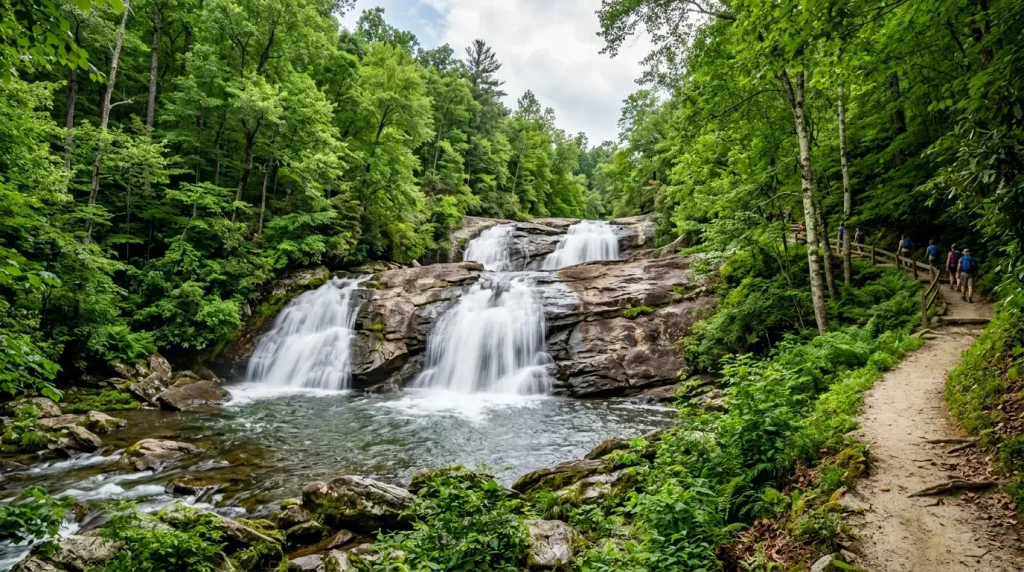
Just outside the city, DuPont State Forest offers 86 miles of trails, but you don’t need anywhere near that much time to get a great experience. An easy 3 mile roundtrip loop leads to three waterfalls, Hooker Falls, Triple Falls, and High Falls, and this specific route was used as a filming location for The Hunger Games, adding a fun bonus for movie fans. Admission is free, and the park is open daily, though arriving early is smart since parking fills up fast on weekends.
Beyond DuPont, the Blue Ridge Mountains surrounding Asheville offer endless scenic driving and additional hiking options, while the North Carolina Arboretum is worth a visit in late spring, summer, or fall when the gardens and trees are in full bloom rather than the bare branches of early spring.
When Is the Best Time to Visit Asheville?
The right season depends on what you’re prioritizing. Fall, roughly September through November, is peak season for a reason, since the Blue Ridge Mountains put on a genuinely spectacular foliage display and hiking weather turns crisp and comfortable. This is also when Biltmore and downtown get their busiest, so expect higher prices and bigger crowds.
| Season | Best For | Trade-Off |
| Fall (Sep to Nov) | Foliage, hiking, cooler weather | Highest crowds and prices |
| Summer (Jun to Aug) | Brewery patios, outdoor exploring | Hot and humid, afternoon storms |
| Spring (Mar to May) | Blooming gardens at Biltmore and the Arboretum | Some areas still bare in early spring |
| Winter (Dec to Feb) | Cozy rooftop bars, fewer crowds, lower prices | Cold, some outdoor trails less appealing |
Locals recommend late spring or early fall for the best balance of good weather and manageable crowds, avoiding both the peak foliage rush and summer humidity.
How Many Days Do You Need for an Asheville Trip?
| Duration | What You Can Realistically Cover |
| 1 Day | Biltmore Estate only, or a downtown-focused day with breweries and bookshops |
| 2 Days | Biltmore Estate plus a full downtown day covering the Grove Arcade, rooftop bars, and dinner in the River Arts District |
| 3 Days | Days 1 and 2 plus a hike at DuPont State Forest and time to explore the River Arts District galleries properly |
A common mistake first-timers make is trying to squeeze Biltmore Estate and a full downtown day into the same afternoon, since Biltmore alone often takes four to six hours once you factor in the gardens, winery, and village. Two full days is the realistic minimum for a satisfying first trip.
What Are Some Unique or Offbeat Things to Do in Asheville?
Beyond the marquee attractions, Asheville has a handful of genuinely quirky stops. The Asheville Pinball Museum lets you play vintage machines rather than just look at them, which surprises a lot of first-time visitors who didn’t expect to find it downtown. Book lovers should carve out time for both Downtown Books & News and Mister K’s Used Bookshop, since staff at one often point travelers toward the other for a more complete selection. Sports fans can catch a Premier League match at a local pub over morning coffee, a small but telling sign of Asheville’s eclectic, slightly anglophile personality.
Is Asheville Good for a Trip Near Black Mountain?
Yes, Black Mountain sits a short drive from Asheville and works well as an add-on for travelers who want a quieter, small-town contrast to Asheville’s busier downtown core. It pairs naturally with an Asheville must do itinerary for anyone with an extra day to spare, offering a slower pace without sacrificing the same Blue Ridge Mountains scenery.
Final Thoughts
An Asheville must do trip really comes down to balancing Biltmore Estate’s grandeur with downtown’s food, art, and mountain views, and giving yourself enough time to actually enjoy each one. Two to three days lets you cover the essentials without rushing, and visiting in late spring or early fall gets you the best weather without the heaviest crowds. Book Biltmore tickets in advance, check current hours for River Arts District businesses, and Asheville will likely earn a spot on your list of favorite small city trips.
FAQs
What is Asheville NC known for?
Asheville is known for Biltmore Estate, its craft beer scene, the River Arts District, and its scenic setting in the Blue Ridge Mountains.
Is Asheville worth visiting?
Yes, it offers a strong mix of history, food, art, and outdoor activities in a compact, walkable mountain city.
How many days do you need in Asheville?
Two full days cover the essentials, while three days lets you add outdoor hiking and a slower exploration of the River Arts District.
What is the number one thing to do in Asheville?
Biltmore Estate, America’s largest privately owned home, tops nearly every recommendation list.
How much does it cost to visit Biltmore Estate?
Expect to pay roughly $60 to $90 per person depending on season and how far in advance you book.
What is the best time of year to visit Asheville?
Fall offers the best foliage and hiking weather, though it also brings the biggest crowds and highest prices.
Is Asheville recovered from Hurricane Helene?
Largely yes, with downtown and most of the River Arts District reopened, though it’s smart to confirm specific business hours before visiting.
What are the best breweries in Asheville?
Sierra Nevada Brewing and New Belgium Brewing Company are two of the most popular, each offering tours, food, and live music.
Is Biltmore worth the money?
Most visitors say yes, especially if you plan to spend a full day exploring the house, gardens, and winery rather than rushing through.
Can I do Biltmore and downtown Asheville in one day?
It’s tight. Biltmore alone often takes four to six hours, so most travelers split it across two days for a relaxed pace.
What waterfalls near Asheville are easy hikes for beginners?
DuPont State Forest’s 3 mile roundtrip loop to Hooker, Triple, and High Falls is an easy, family-friendly hike.
Is River Arts District safe and open after the flooding?
Yes, most of the district has reopened with strong local support, though some individual businesses are still rebuilding.


