Dolomites Italy Hiking: What You Need to Know for Trails and Rifugios
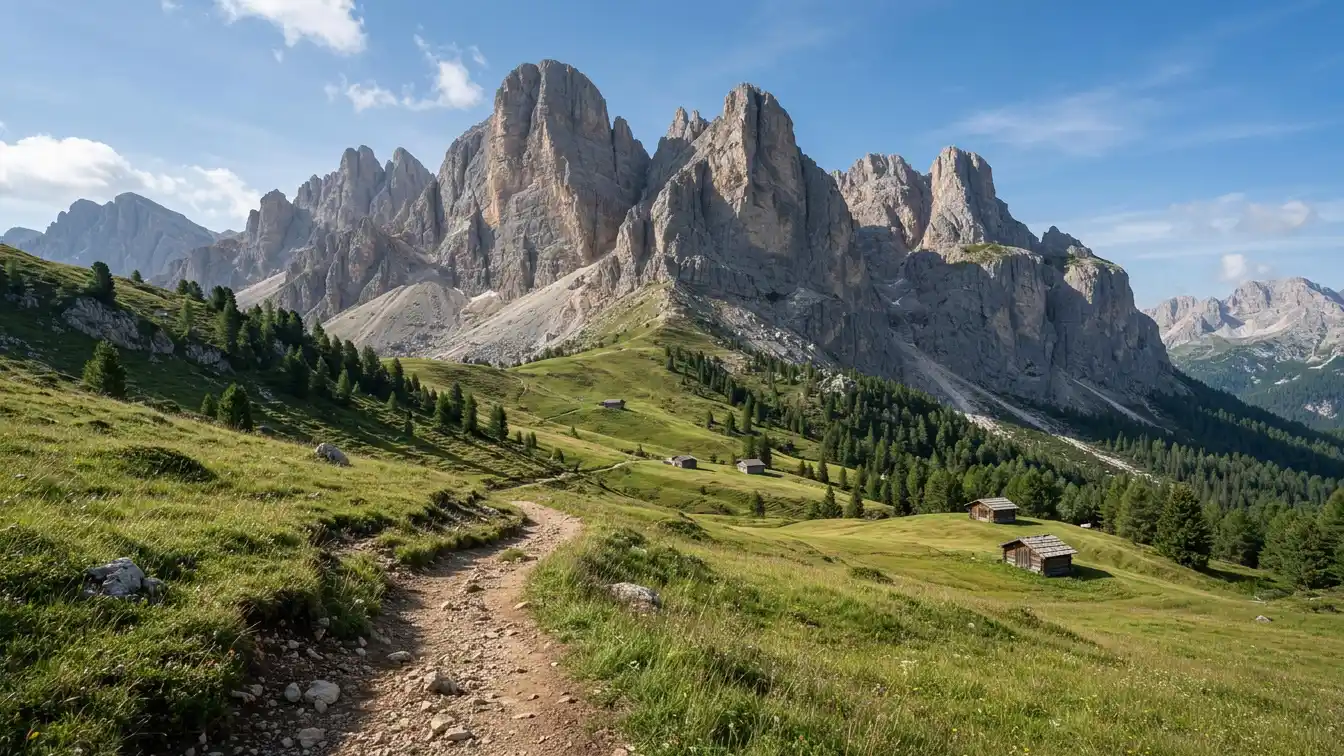
Dolomites Italy hiking offers everything from easy lake loops to multi-day Alta Via routes, with cable cars, rifugios, and dramatic limestone peaks accessible from bases such as Ortisei or Cortina.
The Dolomites stretch across northern Italy in the provinces of South Tyrol, Trentino, and Belluno. Trails range from flat meadow walks to exposed ridges. Many routes use cable cars or gondolas to cut elevation, then continue on foot. Rifugios (mountain huts) serve meals and sometimes overnight beds along popular paths. The main hiking season runs from June to September, with July and August busiest. Distances are in kilometres. Currency is the euro.
First-time visitors often start with Tre Cime di Lavaredo or Seceda for classic views. Access rules have tightened in recent years, especially for popular trailheads that now require timed parking reservations. For other mountain hiking ideas, the Hatcher Pass hikes page covers similar preparation for alpine conditions.
Easy Walks and Lake Loops
Lago di Braies (Pragser Wildsee) is a flat 3–4 kilometre circuit around a turquoise lake backed by steep rock. It requires no special experience and works as an arrival-day walk. Cinque Torri offers short paths among rock towers and World War I sites, reachable by a short cable car or hike. Alpe di Siusi (Seiser Alm) is a large high meadow with gentle trails and gondola access from Ortisei or Castelrotto.
These routes suit families and anyone easing into the altitude. Parking fills early at Braies and Tre Cime in peak season, so morning starts or shuttle use helps. The best hikes in Arches National Park guide shows how short, scenic loops fit limited time windows.
Classic Moderate Hikes
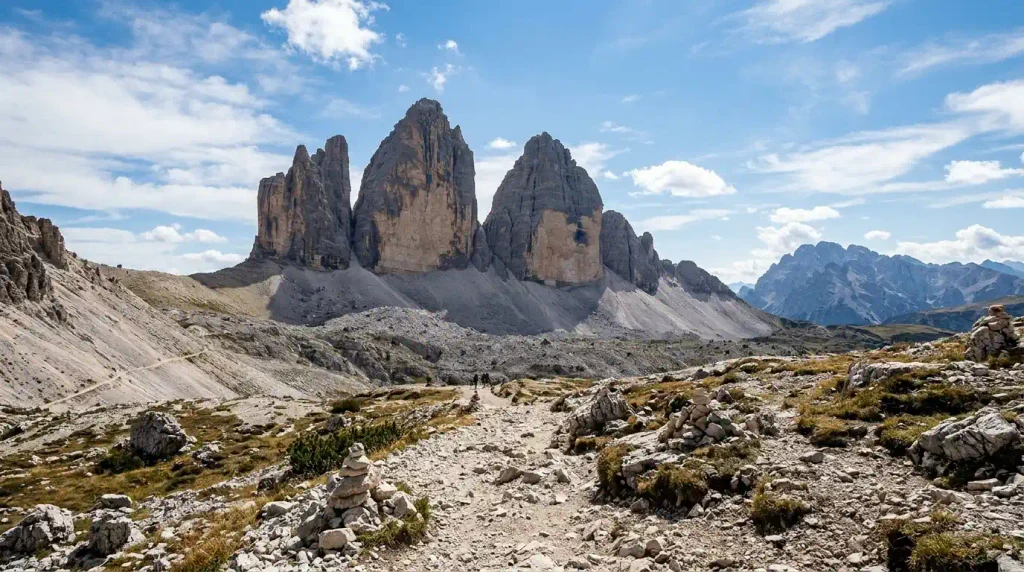
Tre Cime di Lavaredo is a roughly 10 kilometre loop past three massive limestone towers. It starts from Rifugio Auronzo. The trail is rocky but not technical. Timed entry and paid parking apply in high season. Seceda Ridge near Ortisei gives wide views after a gondola ride, with optional longer walks along the ridge. Lago di Sorapis is a steeper half-day hike to a milky turquoise lake.
These hikes reward early starts. Rifugios along the way serve lunch, so carrying a full picnic is optional. Weather can change quickly above 2,000 metres, so a waterproof layer stays in the pack. Checking the forecast the morning of the hike is standard.
Longer Routes and Alta Via
The Alta Via 1 is a multi-day traverse of about 120 kilometres with significant elevation gain. It typically takes 8–12 days and links rifugios. Permits are not required, but hut beds book out in July and August. Day hikers can sample sections using cable cars or buses. Other longer day options include the Adolf Munkel Weg or circuits in the Puez-Odle group.
These routes suit people with prior hiking experience and good fitness. Navigation apps and paper maps both work. The solo hiking trips page covers preparation steps that apply to longer Dolomites outings as well.
Access, Parking, and Cable Cars
Popular trailheads such as Tre Cime now require online timed reservations for the toll road in peak season. Fees apply for cars. Shuttles run from nearby towns on some routes. Cable cars and gondolas operate daily in season and reduce the climbing needed to reach high viewpoints. Buying tickets online or early in the day avoids queues.
Bases such as Ortisei, Cortina d’Ampezzo, and Dobbiaco have good bus connections. Renting a car adds flexibility for less-visited trailheads. Fuel and parking costs add up on multi-day trips, so comparing shuttle versus rental makes sense for shorter stays.
Rifugios, Food, and Overnight Options
Rifugios serve hot meals, cakes, and drinks. Many offer dormitory beds that must be reserved in advance for summer. Prices are higher than valley restaurants because supplies are brought up by cable car or helicopter. Carrying cash is useful at smaller huts. Water refill points exist at most rifugios.
Valley towns have full grocery stores and restaurants for rest days. Packing snacks and a reusable bottle covers the trail sections between huts. Dietary needs are harder to meet at remote rifugios, so planning ahead helps.
Best Time and Practical Preparation
June to September is the core season. Snow can linger on higher trails into early July. September brings fewer people and stable weather for many routes. Thunderstorms are common on summer afternoons, so starting early reduces risk. Sturdy boots, layers, sun protection, and a rain shell cover most conditions.
Altitude ranges from 1,500 to over 2,500 metres on typical day hikes. Most visitors adjust within a day or two. The best places to see fall foliage page notes similar shoulder-season advantages that apply here in September.
Dolomites hiking rewards a mix of easy viewpoint walks and one or two longer days. Matching the route to fitness, booking popular access in advance, and watching the weather produces the smoothest trips.
FAQs
Dolomites Italy Hiking: What You Need to Know
Expect trails from easy lake loops to multi-day routes, cable-car access, and rifugios for meals. June to September is the main season. Popular sites such as Tre Cime require timed parking reservations in peak months.
What is the easiest hike?
Lago di Braies is a flat loop of about 3–4 kilometres. Cinque Torri and Alpe di Siusi meadow walks are also gentle and scenic.
Do I need a car?
A car adds flexibility, but buses and cable cars reach many trailheads. Popular spots have shuttles in season. Renting is optional for shorter trips.
When should I book rifugio beds?
As early as possible for July and August. Shoulder months have more availability. Many huts take online reservations.
Are the trails technical?
Most classic day hikes are rocky but not technical. Some ridges have exposure. Via ferrata routes require extra gear and experience.
What about parking at Tre Cime?
Timed online reservations and a fee apply in high season for the road to Rifugio Auronzo. Slots fill, so book ahead.
How long is the Tre Cime loop?
About 10 kilometres and 3.5–4 hours for most people. The path is rocky. Early starts avoid crowds and afternoon weather.
Can beginners hike in the Dolomites?
Yes. Easy loops and gondola-assisted walks suit beginners. Longer or exposed routes are better with some prior experience.
What should I pack?
Sturdy boots, layers, rain shell, sun protection, water, and snacks. A map or app helps. Cash is useful at rifugios.
Is September a good month?
Yes. Crowds drop after August and weather often stays stable. Some higher trails may see early snow late in the month.
Do cable cars run every day?
Most operate daily in the main season. Check current schedules because weather or maintenance can cause closures.
Are there guided options?
Yes. Local guides and tour companies offer day hikes and multi-day trips. Independent hiking is also common on marked trails.