Top Beaches in Oahu Worth Visiting
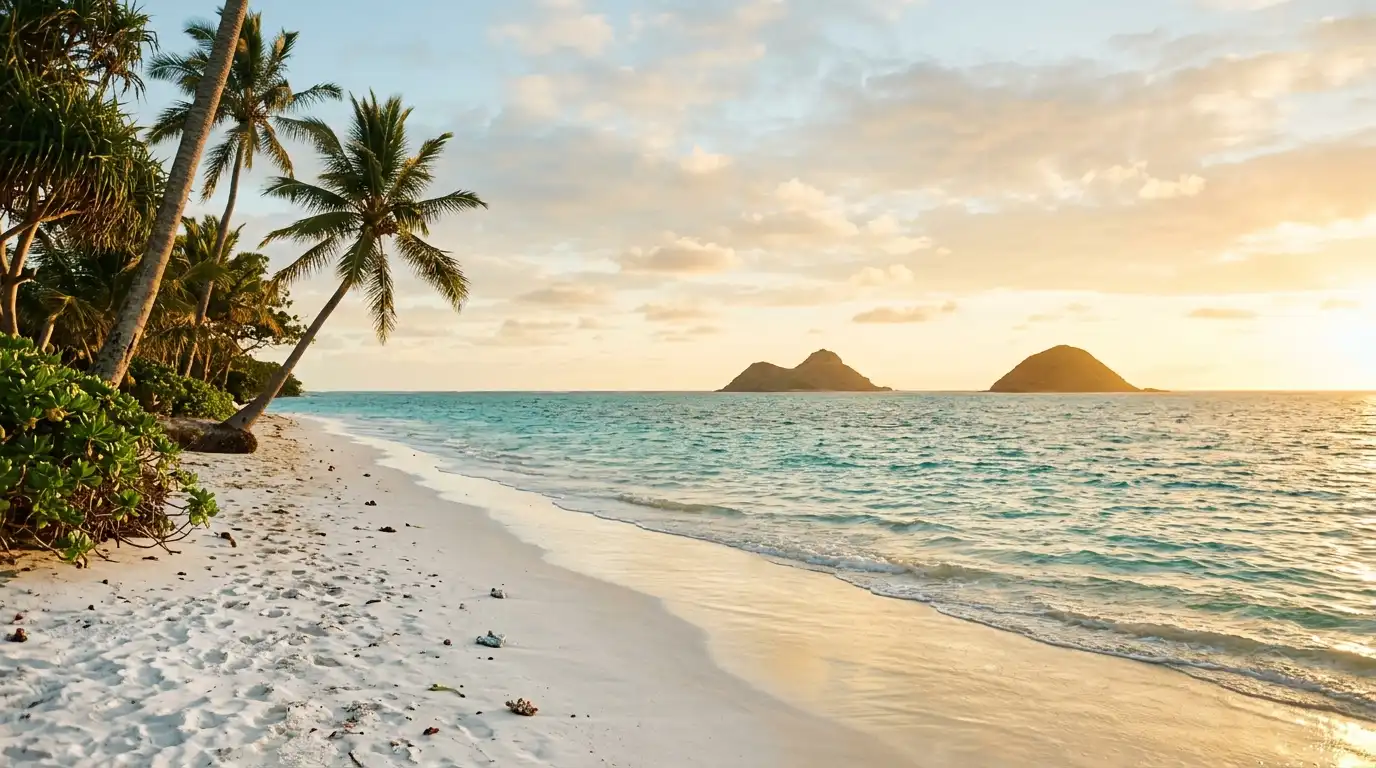
Oahu’s top beaches include Hanauma Bay for snorkeling, Lanikai and Kailua on the windward side for calm swimming, and Waikiki for easy access and surf lessons. North Shore beaches such as Waimea and Sunset are best for watching big waves in winter and swimming only in summer. Choose by season and activity because conditions change sharply around the island.
South Shore Beaches
Waikiki Beach remains the most visited stretch, with gentle waves suitable for beginner surf lessons and clear views of Diamond Head. Lifeguards are on duty and facilities are plentiful. Ala Moana Beach and Magic Island offer calmer water for swimming and stand-up paddling a short distance from the city centre.
Hanauma Bay is the island’s premier snorkeling spot. Entry costs $25 for non-residents and the bay is closed Mondays and Tuesdays. Reservations open two days ahead at 7 am Hawaii time and sell out quickly. The protected reef is excellent for beginners when conditions are calm.
Windward Coast Beaches
Kailua Beach and Lanikai Beach feature soft white sand and turquoise water sheltered by the Ko‘olau range. Both are popular for kayaking to the Mokulua Islands and for family swimming. Parking at Lanikai is limited; many visitors park at Kailua Beach Park and walk the shoreline.
These beaches stay relatively calm year-round. Lifeguards patrol the main sections. Morning visits avoid stronger afternoon trade winds. The area suits longer beach days with picnic facilities nearby.
North Shore Beaches
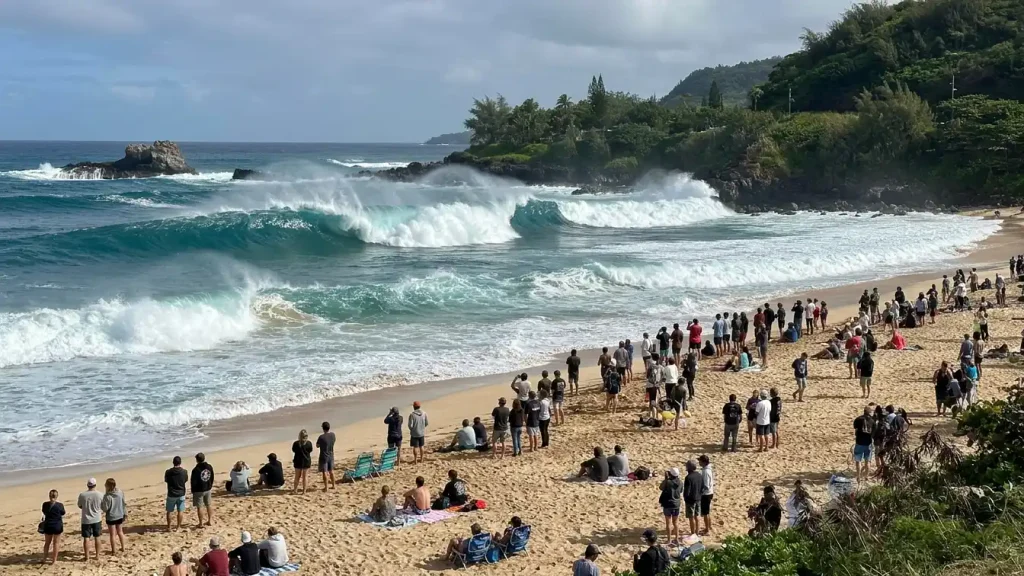
From November to February the North Shore produces some of the world’s largest waves. Pipeline, Sunset Beach, and Waimea Bay draw spectators but are unsafe for swimming during high surf. Lifeguards post warnings and close sections when conditions turn dangerous.
From May to October the same beaches flatten and become excellent for swimming and snorkeling. Sharks Cove and Kuilima Cove are especially good for reef exploration in summer. Always check the Hawaii Ocean Safety site before entering the water.
West Side and Other Spots
Ko Olina’s man-made lagoons provide the calmest water on the island and work well for toddlers. Electric Beach (Kahe Point) offers strong snorkeling for experienced swimmers but has no lifeguard. Makaha and other west-side beaches are better known for surfing than swimming.
Sandy Beach on the southeast coast has heavy shorebreak and is popular with bodyboarders yet risky for casual swimmers. Stick to guarded beaches if you are new to Hawaiian surf.
Seasonal Safety Guide
Summer (May–September) makes the North Shore safe for swimming and snorkeling. Winter (November–February) brings large waves to the north and generally calmer water on the south and windward sides. South-shore swells can still appear in summer and create better surf at Waikiki.
Stay out of the water for 72 hours after heavy rain because runoff can affect quality. Brown-water advisories are posted online. Reef shoes help on rocky entries. Never turn your back on the ocean.
Facilities and Access
Most popular beaches have restrooms, showers, and lifeguard stations. Parking fills early at Hanauma, Lanikai, and North Shore spots. Public buses reach Waikiki, Ala Moana, and parts of the windward coast. Rental cars or rideshares cover the rest.
Entrance fees apply only at Hanauma Bay. All other listed beaches are free. Shade is limited, so bring an umbrella or arrive early. Food trucks and small stands operate near several beaches.
Best Beaches by Activity
| Beach | Best For | Season Note | Lifeguard |
|---|---|---|---|
| Hanauma Bay | Snorkeling | Year-round (reservations) | Yes |
| Lanikai / Kailua | Swimming, kayaking | Year-round | Yes (main areas) |
| Waikiki | Surf lessons, easy swim | Year-round | Yes |
| Waimea Bay | Summer swim / winter watch | Summer only for swimming | Yes |
| Ko Olina Lagoons | Families, toddlers | Year-round | Check |
Match the beach to the activity and the month. A winter trip focused on swimming should stay on the south and windward sides. A summer trip can include the North Shore reefs.
Planning a Beach Day
Start early to secure parking and calmer water. Pack reef-safe sunscreen, water, and snacks. Check the daily surf report and any advisories. Combine two nearby beaches if time allows, such as Kailua and Lanikai or Waikiki and Ala Moana.
Respect local rules and reef areas. Do not stand on coral. Leave the beach as you found it. The variety across Oahu means most visitors can find a suitable stretch without long drives.
FAQs
Top Beaches in Oahu Worth Visiting
Hanauma Bay leads for snorkeling, Lanikai and Kailua for calm swimming, and Waikiki for convenience. North Shore beaches are for winter wave-watching and summer swimming. Choose by season because conditions change around the island.
What is the best beach for snorkeling on Oahu?
Hanauma Bay is the top choice for beginners. It requires a reservation and $25 entry for non-residents. Sharks Cove is excellent in summer.
Are North Shore beaches safe for swimming?
Only in summer (roughly May to October). From November to February large waves make them dangerous. Watch from the sand in winter.
Do I need a reservation for Hanauma Bay?
Yes. Reservations open two days ahead at 7 am Hawaii time and sell out fast. The bay is closed Mondays and Tuesdays.
Which beach is best for families with young children?
Ko Olina lagoons and Ala Moana Beach offer the calmest water and nearby facilities. Kailua is also suitable on calm days.
Is Waikiki good for swimming?
Yes. The water is generally gentle and lifeguards are present. It is also the easiest place for a first surf lesson.
How do I get to Lanikai Beach?
Parking is limited. Most people park at Kailua Beach Park and walk along the shore. Rideshares drop closer when available.
Are there entrance fees?
Only Hanauma Bay charges non-residents ($25). All other major beaches listed are free.
What should I watch for after rain?
Stay out of the water for 72 hours after heavy rain. Check for brown-water advisories on official sites before swimming.
Can I see turtles at the beaches?
Yes. Sea turtles appear at several spots, especially on the North Shore in summer and near some south-shore reefs. Keep a respectful distance.
What time should I arrive?
Early morning secures parking and often calmer conditions. Popular beaches fill by mid-morning on weekends and holidays.
Are the beaches lifeguarded?
Main sections of Waikiki, Hanauma, Kailua, and Waimea have lifeguards. Always swim near a guard and obey posted flags.