Top Beaches in the World Worth Visiting
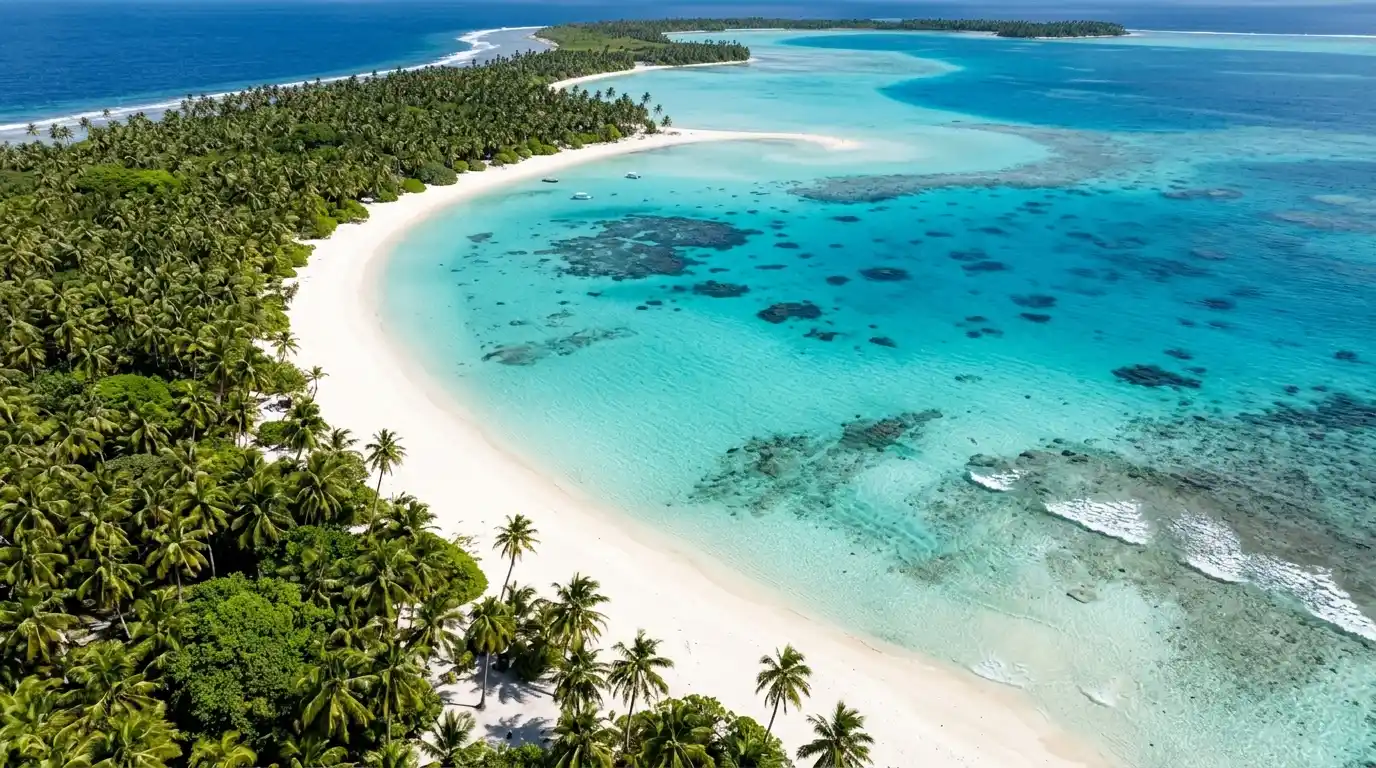
Rankings from Condé Nast Traveler and Tripadvisor in 2026 place Veligandu Island in the Maldives, Elafonissi and Balos in Greece, and Isla Pasión off Cozumel among the highest-rated beaches. These sites stand out for clear water, soft sand, and consistent visitor scores above 90 points on major awards lists.
How 2026 Rankings Were Built
Condé Nast Traveler Readers’ Choice Awards scored beaches on a 100-point scale from reader surveys. Veligandu Island in the Maldives led with 97.55, followed by Maunday’s Bay in Anguilla at 94.71 and Ao Nang in Thailand at 94.00. Tripadvisor’s Travellers’ Choice list placed Isla Pasión, Mexico, first, then Elafonissi Beach and Balos Lagoon in Greece.
Other strong performers included Grace Bay in Turks and Caicos, Pink Sands in the Bahamas, and Manuel Antonio National Park in Costa Rica. Scores reflect water clarity, sand quality, scenery, and overall experience rather than facilities alone. Rankings shift slightly each year but the same regions appear repeatedly.
Top-Rated Beaches by Region
In the Indian Ocean, Veligandu Island and other Maldives atolls dominate for turquoise water and overwater access. The Philippines appears multiple times with Coron, El Nido, and Boracay. Thailand’s Ao Nang and Railay Beach score highly for limestone cliffs and calm bays.
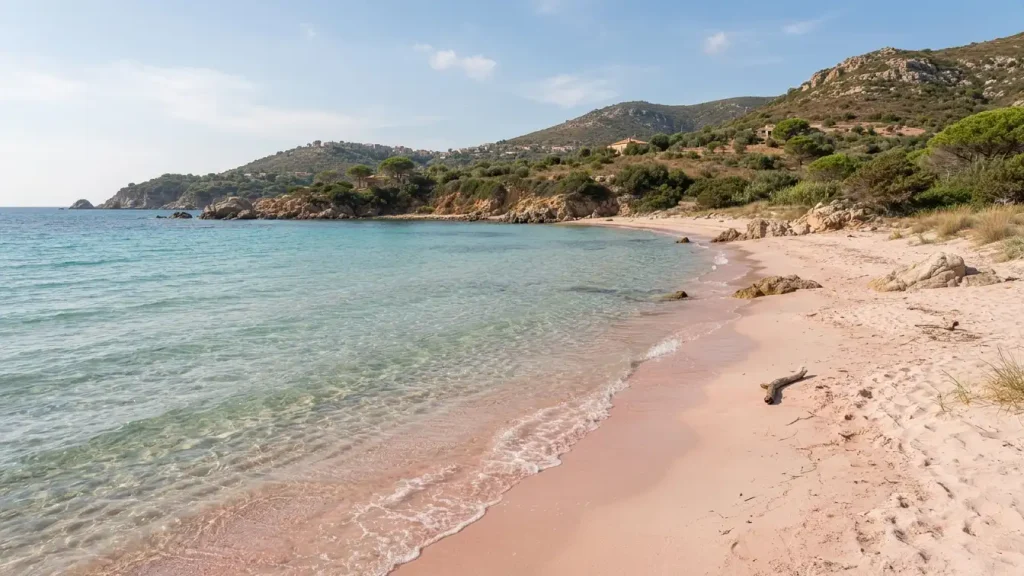
Greece leads the Mediterranean with Elafonissi’s pink sand and Balos Lagoon’s shallow turquoise channels. Turkey’s Iztuzu Beach and Italy’s Sperlonga also place well. In the Caribbean, Grace Bay, Maunday’s Bay, and beaches in the Bahamas and Curaçao earn consistent praise for powder-white sand.
Practical Access and Costs
Many top beaches require a boat or short transfer. Isla Pasión is reached only by boat from Cozumel. Elafonissi and Balos involve a drive or boat from nearby towns in Crete. Maldives resorts often include transfers from the main airport. Entrance fees are rare, but boat trips, parking, or resort access add cost.
Peak season varies. Mediterranean beaches fill in July and August. Caribbean and Maldives stay warm year-round, with lower rates outside December to April. Book boat transfers and any park permits in advance during high season. Local currency is used everywhere; cards work at larger resorts but cash helps for smaller operators.
What Makes a Beach Rank Highly
Clear, calm water ranks first in nearly every survey. Soft, pale sand and uncrowded stretches follow closely. Dramatic scenery such as cliffs, lagoons, or offshore islands boosts scores. Facilities matter less than the natural setting, though clean restrooms and basic shade improve the experience.
Visitor reviews also reward easy access and reliable weather. Beaches that stay swimmable most of the year score higher than those limited to short seasons. Environmental care appears in comments about clean sand and healthy reefs.
Sample Itinerary Ideas
A week in Crete covers Elafonissi and Balos with day trips from Chania or Kissamos. The Maldives works best as a multi-island stay with seaplane or speedboat links. Cozumel visitors can add Isla Pasión as a half-day boat outing alongside reef snorkeling. Combining two or three high-ranked beaches in one trip is realistic in Greece or the Caribbean.
Allow full days for remote beaches because transfers take time. Morning arrivals often mean calmer water and fewer boats. Afternoon winds can pick up in some locations, so plan swimming early.
Seasonal Considerations
Mediterranean summers bring warm water and long days but also crowds. Shoulder months of May, June, and September offer milder temperatures and more space. Caribbean hurricane season runs June to November; check forecasts if travelling then. Maldives experiences monsoon periods that bring short heavy rains but rarely close beaches for long.
Water temperature stays comfortable at most top beaches from spring through autumn in the northern hemisphere. Southern hemisphere beaches reverse the pattern. Pack reef-safe sunscreen and a light cover-up for all locations.
Responsible Visiting
Stick to marked paths and avoid walking on coral or nesting areas. Many top beaches limit large groups or require guided access to protect reefs. Take all rubbish with you. Support local operators rather than large outside companies when possible.
Some sites charge small conservation fees that fund clean-up and monitoring. These fees are usually modest and help keep the beaches in the condition that earned their rankings. Observe any local rules about drones, fires, or beach sports.
Comparing Top Contenders
| Beach | Location | 2026 Highlight | Access Note |
|---|---|---|---|
| Veligandu Island | Maldives | Highest Condé Nast score | Resort transfer |
| Elafonissi | Crete, Greece | Pink sand, shallow water | Drive or boat |
| Isla Pasión | Cozumel, Mexico | Tripadvisor #1 | Boat only |
| Grace Bay | Turks and Caicos | Long powder sand | Short drive or walk |
| Balos Lagoon | Crete, Greece | Turquoise channels | Boat or steep path |
Each beach rewards different priorities. Choose based on whether you prefer resort comfort, independent travel, or dramatic scenery. All remain accessible with standard tourist infrastructure in 2026.
FAQs
Top Beaches in the World Worth Visiting
2026 rankings highlight Veligandu Island in the Maldives, Elafonissi and Balos in Greece, and Isla Pasión in Mexico. These beaches earn top scores for clear water, fine sand, and scenery. Access ranges from resort transfers to short boat rides.
Which beach ranked first in 2026?
Condé Nast Traveler readers placed Veligandu Island, Maldives, first. Tripadvisor named Isla Pasión off Cozumel as its top beach for the year.
Are the top beaches expensive to visit?
Entry is usually free. Costs come from flights, transfers, and lodging. Maldives and remote islands cost more than Mediterranean day trips. Shoulder seasons lower prices.
Do I need a boat for the highest-ranked beaches?
Many do. Isla Pasión, several Maldives atolls, and Balos Lagoon require boats. Elafonissi and Grace Bay can be reached by road.
What is the best time to visit?
May to June and September work well for the Mediterranean. December to April is peak for the Caribbean and Maldives. Check local weather for each destination.
Are these beaches suitable for families?
Most top beaches have calm sections suitable for children. Shallow areas at Elafonissi and Grace Bay are especially easy. Always check current conditions and supervise closely.
How crowded do they get?
Peak summer months bring crowds at Mediterranean and Caribbean beaches. Early mornings and shoulder seasons offer more space. Some islands limit daily visitors.
Can I snorkel at these beaches?
Yes at most. Clear water and nearby reefs make snorkeling a highlight at Isla Pasión, Maldives atolls, and many Caribbean beaches. Bring or rent gear.
What should I pack?
Reef-safe sunscreen, a hat, water shoes for rocky entries, and a dry bag. Cash for small operators and a light cover-up for boat rides.
Are there facilities?
Facilities vary. Resort beaches offer full services. Public beaches may have basic restrooms and food stalls. Remote spots require bringing your own supplies.
How do rankings change each year?
Scores shift with new reviews and weather events, but the same regions stay near the top. Check the latest Condé Nast and Tripadvisor lists before planning.
Is it safe to swim?
Yes at designated areas when conditions are calm. Follow local flags and avoid swimming after heavy rain. Some beaches have seasonal currents.