Best Time To Visit Machu Picchu Peru: What You Need to Know for Weather and Crowds
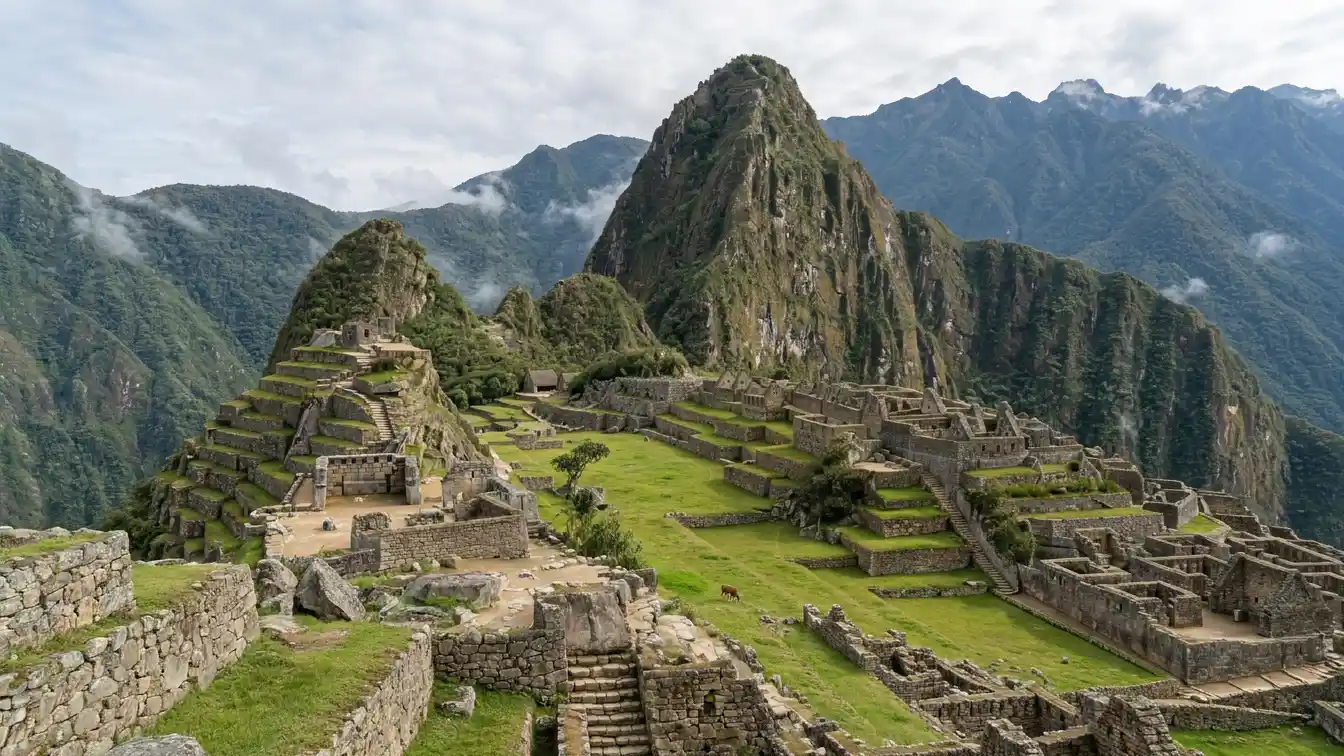
The best time to visit Machu Picchu is the dry season from April to October, with May and September offering the strongest balance of clear skies and manageable crowds for most travelers.
Machu Picchu sits at about 2,430 metres in the Peruvian Andes. The dry season runs from April through October and brings the highest chance of clear views. The rainy season from November to March turns the hillsides greener but raises the risk of clouds, slippery trails, and occasional delays. June, July, and August are the driest and busiest months. Tickets and trains sell out faster then and prices rise. Most visitors reach the site by train from Cusco or Ollantaytambo to Aguas Calientes, then take a short bus or hike up to the citadel.
Entry is by timed ticket. Booking the earliest morning slot improves the chance of softer light and thinner crowds. The Inca Trail closes every February for maintenance. For a broader look at planning a visit, the luxury travel Machu Picchu page covers higher-end options that still follow the same seasonal patterns.
Dry Season Versus Rainy Season
April to October is the dry season. Rainfall drops sharply and mornings are often clear. Trails stay firmer and train schedules run more reliably. November to March brings afternoon showers that can last longer in January and February. The landscape looks lusher, but cloud cover can hide the peaks for hours. Some visitors prefer the moody light and lower prices of the wet months if they stay flexible.
Temperatures stay mild year-round at the site, with daytime highs around 18–22 °C and cooler nights. Cusco, at higher elevation, feels colder, especially in the dry months. Layers work for both seasons. A light rain jacket is useful even in the dry season because brief showers still occur.
Month-by-Month Overview
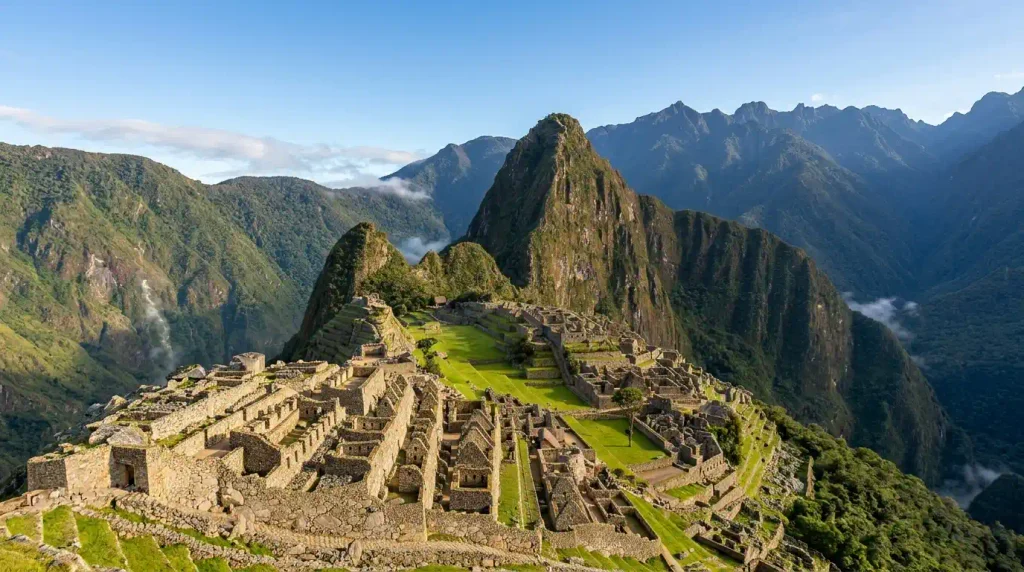
May and September stand out for most people. May sits early in the dry season with good weather and fewer visitors than midsummer. September offers similar conditions after the July-August peak has passed. Early October remains usable before heavier rains return. June to August give the driest skies but the largest crowds and highest demand for trains and hotels.
| Month | Weather | Crowds | Notes |
|---|---|---|---|
| May | Dry, clear mornings | Moderate | Strong overall choice |
| June–August | Driest | High | Book months ahead |
| September | Mostly dry | Moderate | Good balance |
| November–March | Rainy | Lower | Greener, more flexible pricing |
February is the quietest month for visitor numbers, but the Inca Trail is closed and rains are frequent. December sees a brief rise around the holidays. Checking recent visitor statistics helps confirm current patterns, as numbers can shift year to year.
Crowds, Tickets, and Train Demand
High season runs roughly from mid-June to early November. Daily visitor caps exist, and popular circuits sell out. Early morning entry slots fill first. Booking tickets and train seats several weeks to months ahead is standard for June through August. Shoulder months such as May and September still benefit from advance reservations but leave more last-minute options.
Trains from Cusco or Ollantaytambo to Aguas Calientes operate year-round. Popular departure times book up in peak months. Guided tours often bundle tickets and transfers, which simplifies logistics. Independent travelers can buy tickets online through official channels. For other high-demand sites, the must-do in Rome Italy guide shows similar timing strategies around peak visitor periods.
Hiking the Inca Trail and Other Routes
The classic four-day Inca Trail requires permits that sell out months in advance for the dry season. It closes all of February. Alternative routes such as the Salkantay or shorter day hikes remain open year-round, though wet-season conditions make them muddier. Many visitors combine a train ride with a guided walk inside the citadel rather than a multi-day trek.
Day hikes around Aguas Calientes or the shorter Inca Trail options suit people with less time. Elevation is a factor for everyone. Most travelers spend at least one night in Cusco or the Sacred Valley to acclimate before heading to the site. The hiking on Kauai island page illustrates how to match route difficulty to fitness and weather windows.
Costs and Booking Windows
Hotel and tour prices peak in July and August. May, September, and the rainy months usually cost less. Train fares also rise with demand. Booking accommodations in Aguas Calientes or Ollantaytambo a few weeks ahead is wise even in shoulder season because the number of rooms is limited. Many operators offer packages that include train, bus, and entry.
Food options in Aguas Calientes range from simple cafes to sit-down restaurants. Packing snacks for the site itself is practical because options inside the citadel are limited. Currency is the Peruvian sol. ATMs and card payments are widely available in Cusco and larger towns.
Practical Tips for Any Season
Arrive early for the best light and fewer people on the main viewpoints. Carry water, sun protection, and a light jacket. The site involves walking on uneven stone paths, so sturdy shoes help. Guided tours provide context on the history and layout. Independent visits are possible with a good map or app.
Altitude affects some visitors. Spending time in Cusco or the Sacred Valley before the visit reduces the chance of discomfort. Staying hydrated and avoiding heavy meals on the first day helps. For broader trip planning ideas, the New Zealand adventure itinerary shows how to build buffer days around weather-dependent activities.
Choosing May or September gives most travelers the best combination of clear views and reasonable crowds. June through August works well for people who book early and accept higher prices. Rainy-season visits reward flexibility with greener scenery and lower costs.
FAQs
Best Time To Visit Machu Picchu Peru: What You Need to Know
Aim for May or September in the dry season for clear mornings and moderate crowds. June to August is driest but busiest. November to March is greener and cheaper but wetter. Book tickets and trains ahead in peak months.
Is the rainy season worth visiting?
Yes for many people. Crowds are lower, prices drop, and the hillsides look lush. Clouds can obscure views for part of the day, so flexibility helps. The site stays open.
When does the Inca Trail close?
The classic Inca Trail closes every February for maintenance. Other routes and the citadel itself remain accessible year-round.
How far ahead should I book tickets?
Several weeks to months ahead for June through August. Shoulder months such as May and September still benefit from advance booking but have more availability.
What is the best time of day to enter?
The earliest morning slots give softer light and thinner crowds. Midday can feel busier. Late afternoon entry works for some circuits.
Do I need a guide?
A guide is not required for the citadel but adds historical context. Many visitors join a half-day or full-day guided visit after arriving by train.
How cold does it get?
Daytime highs are mild, around 18–22 °C at the site. Nights in Cusco are cooler, especially in the dry season. Layers cover most conditions.
Can I visit in February?
Yes, the citadel is open. The Inca Trail is closed and rains are frequent. Visitor numbers are among the lowest of the year.
Are trains reliable in the rainy season?
Trains run year-round. Heavy rain can occasionally cause delays or landslides that affect access. Building a buffer day reduces stress.
What should I pack?
Sturdy shoes, layers, sun protection, a light rain jacket, and water. The paths are uneven stone. Elevation makes the walk feel harder than the distance suggests.
Is altitude a problem?
Some visitors feel the elevation. Spending a night or two in Cusco or the Sacred Valley before visiting helps most people adjust.
How do I get there from Cusco?
Train to Aguas Calientes, then bus or hike up to the entrance. The full journey takes several hours each way. Many tours handle the logistics.