
Boring Magazine: What It Is, What It Covers, and Why the Name Keeps Confusing People
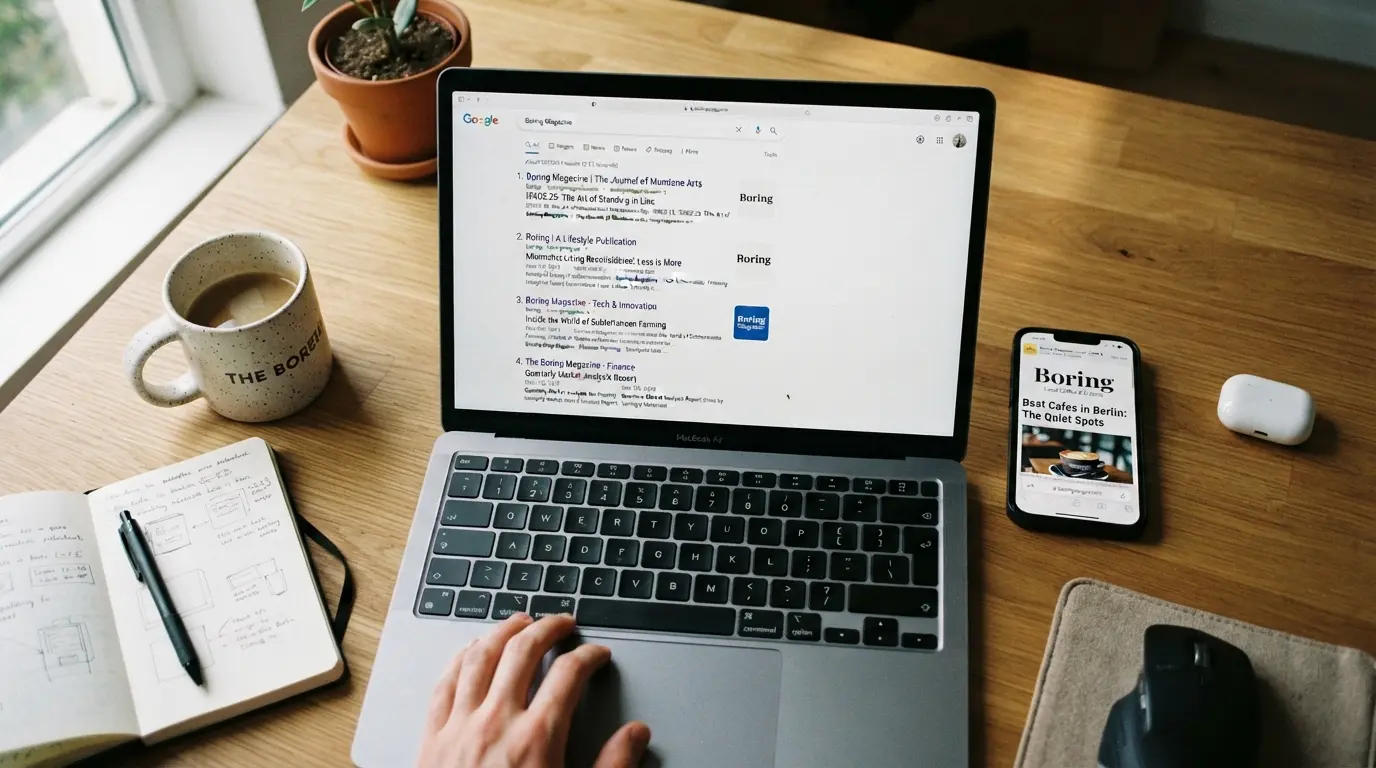
Boring Magazine is the name shared by several unrelated online publications, which is exactly why searches for “boringmagazine.com news” turn up conflicting answers. There is no single, verified “Boring Magazine” with one founder or one origin story. Instead, there are multiple sites using similar names, at least one guest-post marketplace listing tied to the domain, and a wave of low-quality filler pages repeating unverified claims about who started it and when.
What is Boring Magazine?
Boring Magazine is a general label attached to more than one small online publication rather than a single, well-documented outlet. Some versions present themselves as lifestyle and culture sites covering everyday topics in simple language. Others use the name in a more ironic or satirical sense, framing “boring” as a reclaimed compliment for substance over sensationalism. Because the name isn’t trademarked to one company in a way that’s easy to verify, several different domains and small teams have adopted it independently.
That fragmentation is the first thing worth understanding before trusting any specific claim about “the” Boring Magazine’s history, staff, or mission.
Who founded Boring Magazine?
There is no single, confirmed founder, and the public record is genuinely inconsistent. Different sources make different claims: one describes two friends starting a quarterly print zine in 2019 built around finding meaning in mundane routines. Others attribute an online publication of the same name to a well-known tech entrepreneur, with founding dates ranging from 2017 to 2019 and subject matter ranging from satire to serious tech and culture journalism.
These accounts contradict each other on the founder, the founding year, the format (print versus digital), and even the tone (earnest versus satirical). That pattern, several unrelated origin stories circulating for the same name, is a strong sign that some of what’s published online about “Boring Magazine” is unreliable filler content rather than verified journalism. If you’re trying to confirm who runs a specific Boring Magazine site, the more trustworthy approach is to check that exact domain’s own About page, its business registration or Crunchbase listing if one exists, and its actual bylines, rather than relying on secondhand summaries.
Is boringmagazine.com a real, active publication?

There does appear to be an active site at that domain publishing articles, alongside at least one separate listing suggesting the domain or a guest-post spot on it has been available through a content marketplace. That combination matters for anyone using this as a source or considering working with it.
A publication that is also being listed on a guest-post or link marketplace is common in the SEO world, but it’s worth knowing about if you’re evaluating the site’s independence or its editorial standards. It doesn’t automatically mean the content is untrustworthy, but it does mean some pages on the site may exist primarily to host paid or sponsored links rather than original reporting.
What kind of content does Boring Magazine publish?
Based on the material actually visible on the domain, at least one version of Boring Magazine publishes lifestyle, culture, and general-interest pieces, including longer features on topics like independent media and cultural storytelling. That’s consistent with the “boring equals substance” framing some versions of the brand use, positioning themselves as an alternative to sensationalized news.
Beyond that, specifics are hard to pin down without direct verification, since several unrelated sites share the name and the secondary write-ups about it don’t agree with each other.
Why do search results about Boring Magazine contradict each other so much?
This happens because the name has been reused across unrelated projects and because a large amount of the content indexed about it is low-effort, AI-generated summary content rather than original reporting. When a name is generic-sounding and not strongly trademarked, it’s common for search engines to index several unrelated entities under overlapping queries, and for content farms to generate plausible-sounding “About” pages without doing real verification.
If you’re researching Boring Magazine for a specific purpose, such as pitching a story, evaluating a guest post, or citing it as a source, the safest approach is:
- Confirm you’re looking at the exact domain in question, not a similarly named site.
- Check the site’s own masthead, About page, and contact information directly.
- Look for the publication’s presence on independent, verifiable platforms like a business registry or Crunchbase, and compare details rather than trusting a single third-party summary.
- Be skeptical of any founder story, founding date, or mission statement that only appears on unrelated recap sites and nowhere on the publication itself.
Is Boring Magazine worth reading or working with?
That depends entirely on which specific site you mean and what you’re using it for. If you’ve found genuine, well-written articles directly on the domain that match your interests, that’s a reasonable signal on its own. If you’re evaluating it as a place to publish a guest post or get a backlink, treat the marketplace listing as what it is: a paid placement opportunity, not necessarily an editorial endorsement, and weigh that against your own SEO and reputation goals.
For casual readers, the safest test is simple: read a few articles directly on the site, check when they were published and who wrote them, and see whether the writing reflects real editorial effort rather than templated filler.
Final Thoughts
“Boring Magazine” isn’t one clearly documented publication, it’s a name shared by several unrelated sites, wrapped in a layer of unreliable secondhand content that doesn’t agree on basic facts. If you need to reference or work with a specific Boring Magazine property, go straight to that domain, verify its masthead and contact details yourself, and treat any founder story or history you find on other sites with real skepticism until you can confirm it independently.
FAQs
Is Boring Magazine owned by Elon Musk?
Some low-quality secondary sources make this claim, but it isn’t independently verifiable and appears in a form inconsistent with other claims about the same name. Treat it as unconfirmed.
When was Boring Magazine founded?
Sources disagree, with dates ranging from 2017 to 2019 depending on which version of the publication is being described. There’s no single confirmed date across all of them.
Is boringmagazine.com the same as theboringmagazine.org or theboringmagazine.net?
Not necessarily. Multiple similarly named domains exist, and they appear to operate independently of one another rather than as one company across several extensions.
Can I buy a guest post or backlink on Boring Magazine?
At least one marketplace listing suggests placements on the domain have been available for purchase. If you’re considering this for SEO purposes, evaluate the site’s traffic, relevance, and editorial quality directly rather than relying on the marketplace description alone.
Why is so much written about Boring Magazine contradictory or vague?
A significant share of the content indexed under this name looks like low-effort, likely AI-generated filler rather than original reporting, which is why founder names, dates, and even the type of publication (print versus digital, satirical versus earnest) vary so much from page to page.