What Is Traditional Polish Food? A Complete Guide to Poland’s Classic Dishes
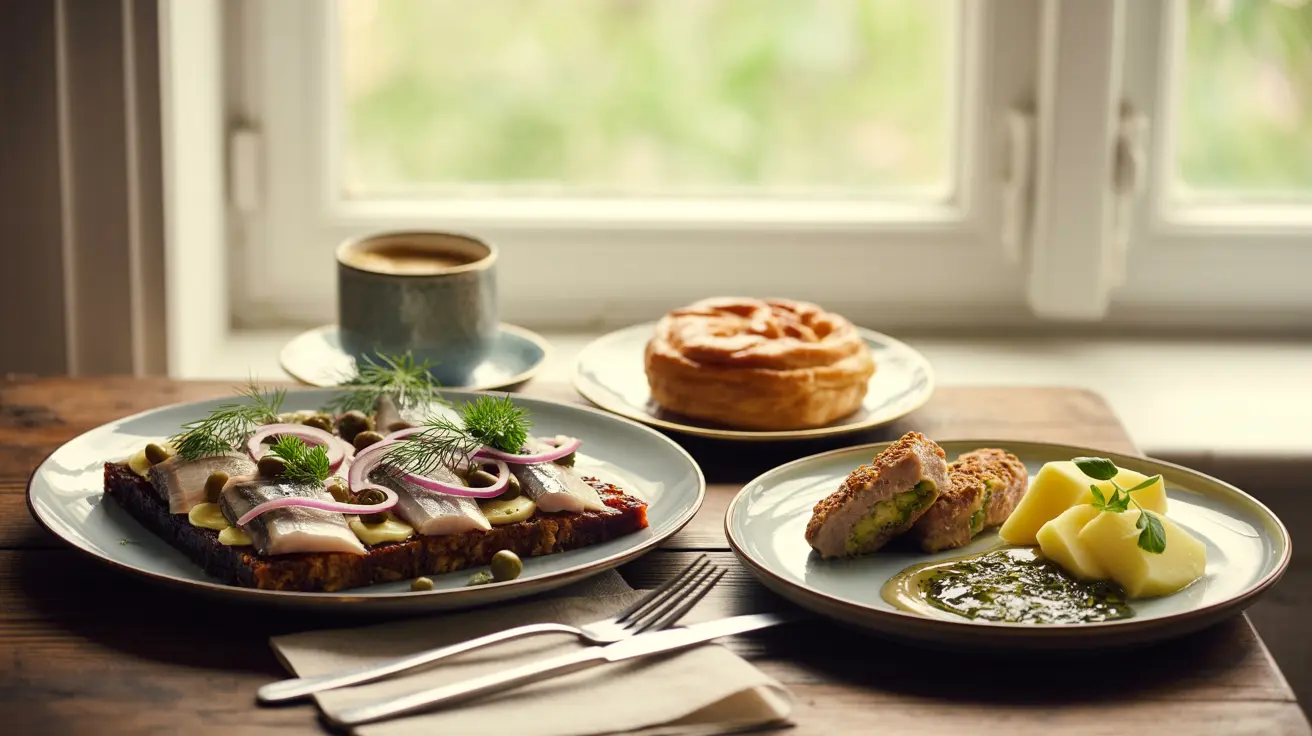
Traditional Polish food is a hearty, meat and potato based cuisine built around pierogi, bigos, kotlet schabowy, and sour soups like żurek and barszcz. It grew out of centuries of hardship, so almost every dish leans on preserved, filling ingredients meant to survive long winters.
If you are planning a trip to Poland or just trying to understand this cuisine, the sheer number of dish names can feel overwhelming. This guide breaks it down by what to eat, what it costs, where to find it, and what most travel articles leave out.
What Is Traditional Polish Cuisine Known For?
Polish cuisine is known for big portions, sour flavors, and dishes built to fill you up on a budget. Expect cabbage, potatoes, pork, rye bread, and pickled vegetables, along with a heavy hand with sour cream, dill, and marjoram. Three things define the style:
- Fermentation and pickling, used to preserve cucumbers, cabbage, and rye flour before refrigeration existed
- Meat as the centerpiece, usually pork, though beef, poultry, and game also show up
- Sour and tangy flavor profiles, from soups like żurek to salads like mizeria
This is not a cuisine built for light eating. Traditional Polish food is comfort food first, and that is exactly what makes it memorable.
Why Is Polish Food So Meat Heavy and Hearty?
Poland’s food history explains almost everything about how the cuisine tastes today. The partitions of Poland, when the country was split between Russia, Prussia, and Austria for over a century, cut off regions from each other and forced local cooking to rely on whatever was on hand. World War II and the decades of communism that followed deepened that pattern, since shortages made preserved, calorie dense food a necessity rather than a choice.
A strong hunting tradition added game meat and mushrooms to the mix, and forest foraging is still a common weekend activity in rural Poland today. Fermentation and pickling solved the problem of keeping vegetables edible through winter, which is why sauerkraut shows up in soups, stews, and even pierogi fillings. Fatty, slow cooked dishes like bigos or golonka were practical fuel for cold climates, not indulgences.
This history also explains why many dishes take hours or days to prepare properly. A traditional bigos is often made a day or two ahead and left to rest, since the flavor deepens with time. Restaurants that rush it rarely get it right.
What Makes Polish Food Different From Ukrainian, Czech, or Hungarian Cuisine?
Polish food overlaps heavily with its neighbors, since borders shifted so many times through history. Dishes like pierogi have cousins across the region, including varenyky in Ukraine and pirohy in Slovakia. Barszcz is typically served clear or lightly thickened, without cream, which sets it apart from the creamier Ukrainian borscht most people picture. Soups like żurek, flaki, and kwaśnica have no close equivalents nearby, making them worth prioritizing if you want dishes that feel distinctly Polish.
The Most Popular Traditional Polish Dishes to Try
Pierogi
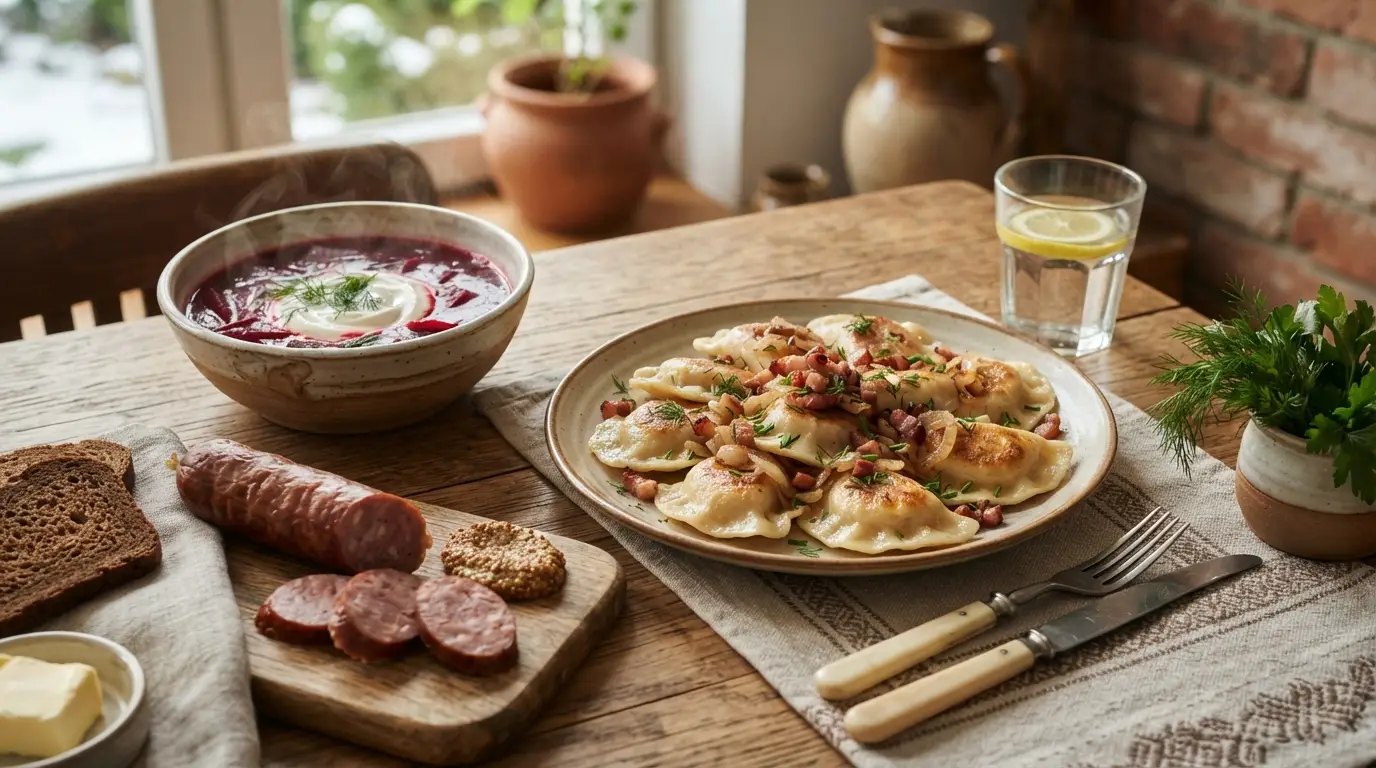
Pierogi are crescent shaped dumplings, boiled, fried, or baked, filled with potato and farmer’s cheese (ruskie), sauerkraut and mushroom, minced meat, or seasonal fruit. One naming note worth remembering: pierogi is already plural in Polish, so calling them pierogis is a small giveaway.
Bigos
Bigos, or hunter’s stew, combines sauerkraut, fresh cabbage, several cuts of meat, and smoked sausage, simmered for hours with bay leaf and juniper. It is a common winter and Christmas dish, and the best versions are rarely served fresh.
Żurek
Żurek is made from a fermented rye starter called zakwas, giving it a distinct sour tang. It usually includes smoked sausage, potato, and a hard boiled egg, sometimes served in a hollowed out bread bowl.
Barszcz
Barszcz is Poland’s beetroot soup, served hot or cold depending on the season, often paired with uszka, small dumplings filled with mushroom or meat, especially at Christmas.
Gołąbki
Cabbage rolls stuffed with ground meat, rice, or buckwheat groats, simmered in tomato sauce. They show up at weddings and family gatherings as classic comfort food.
Kotlet Schabowy
A breaded, pan fried pork cutlet served with potatoes and a raw vegetable side salad called surówka. This is arguably Poland’s most common everyday main course, found on nearly every casual restaurant menu.
Zapiekanka
An open faced baguette sandwich topped with mushrooms, melted cheese, and extras like ham or pickles, baked until crispy. It has been a late night street food staple since the 1970s.
Golonka
A braised or roasted pork knuckle, often marinated in beer, that can weigh close to half a kilogram. Order it with horseradish and a cold beer for the full experience.
Flaki
Flaki is beef tripe soup, seasoned with marjoram and bay leaf. It has a chewy, distinct texture that not everyone loves on the first try, and it is one of the few dishes locals will openly call an acquired taste.
What Traditional Polish Soups Should You Try
Soup plays a bigger role in Polish meals than most first time visitors expect, since a traditional lunch almost always starts with one.
| Soup | Served | Base | Known For |
| Żurek | Hot | Fermented rye starter | Sour, hearty, often in a bread bowl |
| Barszcz | Hot or cold | Beetroot | Christmas Eve staple with uszka |
| Flaki | Hot | Beef tripe broth | Divisive texture, strong seasoning |
| Krupnik | Hot | Barley broth | Thick, filling, everyday soup |
| Kwaśnica | Hot | Smoked meat and sauerkraut | Highland specialty, Tatra region |
| Chłodnik | Cold | Beet greens and buttermilk | Summer only, May through July |
| Grochówka | Hot | Split pea | Old fashioned, rarely on menus |
| Rosół | Hot | Chicken broth with noodles | Sunday and celebration soup |
What Are Traditional Polish Christmas Eve Dishes
Wigilia, the Polish Christmas Eve dinner, is a meatless feast tied to Roman Catholic tradition. It traditionally includes twelve dishes, one for each apostle, typically featuring barszcz with uszka, several styles of pierogi, herring, and carp. Fish replaces meat for the evening, which surprises visitors who assume Polish food is always meat centered.
Traditional Polish Desserts Worth Trying
Pączki are deep fried, yeasted doughnuts filled with plum or rosehip jam, eaten in huge quantities on Fat Thursday, the Thursday before Lent begins. Sernik is Poland’s cheesecake, made with twaróg, a farmer’s cheese that gives it a firmer, less sugary texture than the American version. Makowiec is a rolled yeast cake filled with ground poppy seeds, honey, and dried fruit, baked for Christmas and Easter.
Salads and Side Dishes That Round Out a Polish Meal
Mizeria is thinly sliced cucumber in a sour cream and dill dressing, served as a cooling contrast to heavier mains like kotlet schabowy. Surówki are raw, shredded vegetable salads, usually cabbage, carrot and apple, or beetroot based, and they appear alongside most traditional main courses instead of cooked vegetables.
How Much Does Traditional Polish Food Actually Cost in 2026
Prices vary by city and neighborhood, but travelers consistently find Poland cheaper than Western Europe for eating out.
| Venue Type | Typical Main Dish Price | What to Expect |
| Milk bar (bar mleczny) | Roughly 15 to 30 PLN | Cafeteria style, no frills, very local |
| Mid range restaurant | Roughly 30 to 60 PLN | Sit down service, tourist friendly menu |
| Tourist area restaurant | Roughly 50 to 90 PLN | Higher markup near old town squares |
A full meal with soup, a main, and a drink at a milk bar can often come in under 40 PLN. A common mistake first time visitors make is assuming all Polish restaurant food is expensive, simply because they only check menus in tourist heavy squares.
Where Can You Eat Authentic Traditional Polish Food
Milk bars, or bar mleczny, are subsidized cafeteria style eateries serving traditional dishes at low prices. Ordering usually means reading a menu board, telling the cashier what you want, paying up front, and carrying your tray to a table. It can feel confusing at first, but locals recommend pointing at the menu if the language barrier gets tricky. These typically run lunch hours only and close by early evening, so plan a midday visit.
What Is Oscypek and Why Is It Only Available Seasonally
Oscypek is a smoked cheese made from salted sheep’s milk, produced exclusively in the Tatra Mountains region of southern Poland. By law, it must contain at least 60 percent sheep’s milk and fall within a set size and weight range. Because it depends on sheep grazing season, it is only available from around April through early October, so winter visitors will only find imitations made from cow’s milk blends.
Is Traditional Polish Food Healthy
Traditional dishes lean heavily on meat, lard, and sour cream, so they are not naturally light. That said, fermented staples like sauerkraut carry real digestive benefits, and broth based soups like rosół or krupnik are far less heavy than golonka or bigos. Moderation and dish selection matter more than avoiding the cuisine altogether.
Is Polish Food Vegetarian Friendly
It is more workable than most people assume. Sauerkraut and mushroom pierogi, cheese filled dumplings, uszka, and placki ziemniaczane are naturally meat free. The catch is that many soups labeled vegetable based are actually made with pork or meat stock, so ask before ordering if you are avoiding meat entirely.
Do Young Poles Still Eat Traditional Food Today
Not as often as travel guides suggest. Many younger Poles eat dishes like żurek or bigos only a handful of times a year, mostly around holidays, while everyday meals increasingly include ramen, sushi, and other international options. Historically, the main meal was a hot lunch called obiad, but modern work schedules have shifted most cities toward a single larger evening meal instead.
What Drinks Pair With Traditional Polish Food
Chilled vodka pairs naturally with fatty, pickled dishes like bigos or smalec, the traditional lard spread served with rye bread and pickles as a starter. Beer, especially a crisp lager like Tyskie, complements kiełbasa and golonka well. Vodka is traditionally drunk neat and cold, not mixed into cocktails, which surprises visitors used to flavored spirits.
Final Thoughts
Traditional Polish food rewards travelers who look past the surface list of pierogi and vodka. The real value sits in the soups, seasonal picks like oscypek, and the gap between what tourists are told to eat and what locals cook at home. Start with a milk bar lunch, try one soup you have never heard of, and build your trip around the seasons instead of a generic must eat list.
Frequently Asked Questions
Is pierogi Polish or Ukrainian?
Pierogi originated in Poland, though related dumplings exist across the region, including varenyky in Ukraine and pirohy in Slovakia.
What is the national dish of Poland?
There is no official national dish, but pierogi and bigos are the two most commonly cited due to how tied they are to Polish identity.
Why is it pierogi, not pierogis?
Pierogi is already plural in Polish, since pieróg is the singular. Adding an English “s” is a common but avoidable mistake.
What’s the difference between kopytka and pierogi leniwe?
Kopytka are hoof shaped potato dumplings, while pierogi leniwe, or lazy pierogi, are sweet and made mainly with twaróg cottage cheese instead of potato.
Is Polish food similar to Ukrainian food?
There is real overlap, especially with dumplings and beet based soups, but Polish versions differ in preparation, such as barszcz served without cream, unlike creamier Ukrainian borscht.
Why do Poles eat carp on Christmas?
Fish replaces meat during the meatless Wigilia dinner, and carp became the traditional choice due to its wide availability in Polish rivers historically.