
Poland Things to Do in 2026: Where to Go, What It Costs and What to Skip
The best things to do in Poland include wandering Kraków’s Main Market Square, descending into Wieliczka Salt Mine, learning Warsaw’s wartime story, strolling Gdańsk’s Long Market and hiking to Morskie Oko in the Tatras. Most Poland things to do cost far less than in Western Europe. Still, first timers worry about crowds, booking rules and wasted days. This guide answers those worries with real costs, seasons and local logistics.
What Are the Best Things to Do in Poland?
Pick three bases then add one nature stop and one history stop. Kraków brings medieval streets and salt mines. Warsaw brings museums and a rebuilt Old Town. Gdańsk brings Baltic canals and amber. Poland best places to visit lists usually crown Kraków first. Travelers consistently find that the coast and lakes reward anyone willing to leave the south. Quieter places to visit Poland hides beyond the big three include Toruń, Wrocław and Zamość.
What Should You Do in Kraków?
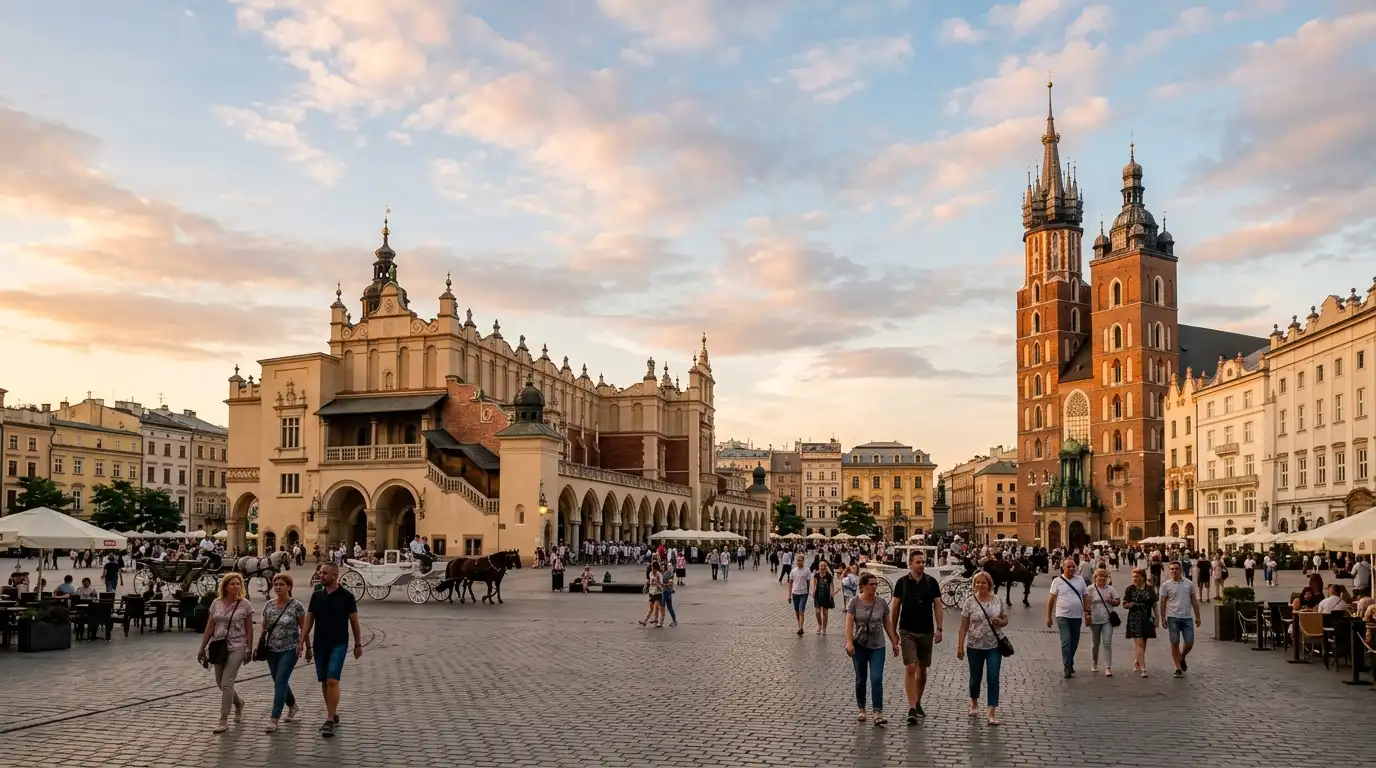
Step into Rynek Główny at nine in the morning. Pigeons scatter near the Cloth Hall. A trumpeter plays the hourly hejnał from St. Mary’s Basilica and stops mid note on purpose. Locals say it honors a medieval guard who was shot mid song. Walk up Wawel Hill next. Wawel sections need separate tickets that run roughly 30 to 60 PLN each so choose the Armoury or Cathedral over buying everything.
Near Floriańska Gate the Czartoryski Museum shows Leonardo’s Lady with an Ermine. Expect around 30 to 40 PLN. Evenings belong to Kazimierz where candlelit bars and Plac Nowy zapiekanki fill the lanes. Cross the Vistula to Podgórze for the old ghetto wall and Ghetto Heroes Square.
Wieliczka Salt Mine sits about 30 minutes away by train or bus. The standard route costs roughly 110 to 140 PLN. You walk down about 380 steps then reach the Chapel of St. Kinga where even the chandeliers are salt. Book the first slot of the day because midday groups feel crowded.
What Should You See in Warsaw?
Warsaw rewards people who learn its story first. Old Town looks ancient yet rebuilders raised it again after 1944. The Museum of Warsaw Rising puts you inside the uprising. You crawl through a replica sewer with recorded water and blasts. It feels tight so skip it if small spaces bother you. POLIN Museum of the History of Polish Jews recreates a seventeenth century market square and tavern. Budget three hours and roughly 30 to 45 PLN per museum. Add the Royal Castle and the terrace of the Palace of Culture and Science for city views. Warsaw has no single center so group sights by metro line. Families like the Copernicus Science Centre.
What Are Fun Things to Do in Gdańsk and on the Baltic Coast?
Ulica Długa runs from the Green Gate past Artus Court and the Neptune Fountain. Pastry shops open early and sunsets glow on the Motława River. The European Solidarity Centre and the Museum of the Second World War sit close to the old shipyards. The war museum holds rare Hiroshima objects. The Amber Museum shows insects frozen for millions of years.
Malbork Castle is about 50 minutes away by train. It is the largest castle in the world by land area and the audio guide ties its many rooms together. Count on roughly 60 to 90 PLN. Further out the Hel Peninsula lets you stand between calm Puck Bay and open Baltic waves. Słowiński National Park near Łeba offers moving sand dunes that surprise anyone who expects only snow. Lists of things to do Poland travelers share often skip this northern stretch.
What Are the Best Outdoor Activities in Poland?
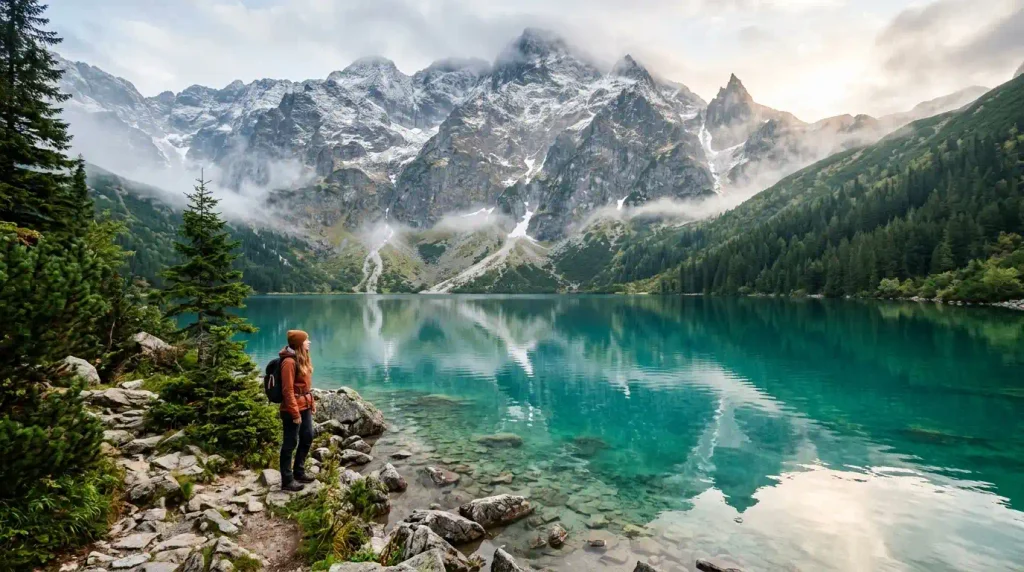
Zakopane is the base for the Tatra Mountains. Most people hike to Morskie Oko. The trail starts at Palenica Białczańska and takes about three hours each way at an easy pace. The reward is a glacial lake ringed by peaks. Go before 8 am in summer because queues build fast. Horse carriages carry people part of the way but many travelers dislike the animal welfare side so walking is the better choice. Skip Orla Perć unless you are an experienced scrambler. Most guides call it the hardest and riskiest route in the Tatras.
Cooler days suit a Gubałówka funicular ride and a stroll along Krupówki street. In Masuria you can kayak between Lake Śniardwy and Lake Mamry with no sailing skill. Białowieża Forest shelters about 800 wild bison on the Polish side. Guided tours raise your odds of a sighting. Poland things to do outdoors peak from June to September.
Which Historical Sites Should You Visit and How Do You Book Them?
Auschwitz-Birkenau lies about 90 minutes from Kraków. Entry rules change so check the official booking page. Most visitors need a timed pass or a paid guided tour. Reserve weeks ahead for summer. Bring ID and keep your bag small. The museum advises against visiting under age 14. Majdanek in Lublin stays remarkably intact because Soviet forces captured it quickly. Many visitors say it feels less crowded and more raw.
Wolf’s Lair near Kętrzyn marks the spot of the 1944 bomb plot against Hitler. Expect forest bunkers and little signage so a guide helps. Krzyżtopór Castle in Ujazd offers open ruins built around the calendar. It has four towers and twelve halls and 52 rooms and 365 windows. Książ Castle near Wałbrzych gives you a grand intact palace.
What Food and Drinks Should You Try in Poland?

Order pierogi first. Boiled potato and cheese fillings are classic while pan fried meat and mushroom versions taste richer. Follow with żurek a sour rye soup that many places serve in bread. In Tatra towns buy oscypek a smoked sheep cheese often grilled with cranberry jam. Kraków street bakers sell obwarzanek a chewy bagel ring. Milk bars called bar mleczny serve cheap set meals for roughly 20 to 35 PLN. Square side restaurants charge 35 to 55 PLN for a pierogi plate. In Toruń you can join a hands-on gingerbread class at Muzeum Piernika. Try Żubrówka bison grass vodka mixed with apple juice.
How Much Do Things to Do in Poland Cost?
Poland uses the zloty not the euro. Expect roughly 3.6 to 4 PLN per US dollar but check the rate before you go. Poland things to do stay cheap compared with Paris or Rome.
| Activity | Typical cost |
| Wieliczka standard route | 110 to 140 PLN |
| Malbork Castle | 60 to 90 PLN |
| Museum of Warsaw Rising or POLIN | 30 to 45 PLN |
| Auschwitz guided visit | 90 to 150 PLN |
| Tatra National Park entry | about 10 to 15 PLN |
| Milk bar meal | 20 to 35 PLN |
A careful traveler can live on about 250 to 400 PLN a day outside peak summer. Prices rise in July and August and at Christmas.
When Should You Go and How Do You Get Around?
June to September suits the Baltic coast and Tatra trails. May and September give mild weather with thinner crowds. December brings Christmas markets in Kraków and Wrocław and ski season in Zakopane. Winter Kraków can suffer from smog so check air quality. Trails above the lakes hold snow into spring.
Trains link major cities well. PKP Intercity runs Warsaw to Kraków in about 2.5 hours. Fares range roughly 80 to 180 PLN and rise close to travel dates so book early. Buses reach Zakopane from Kraków in two to three hours. Rent a car for Masuria and Wolf’s Lair. Use Bolt in cities.
How Many Days Do You Need?
Seven days covers the top things to do in Poland.
| Day | Plan |
| 1 to 3 | Kraków, Kazimierz and Wieliczka |
| 4 | Auschwitz-Birkenau |
| 5 | Train to Warsaw for museums |
| 6 | Train to Gdańsk and Ulica Długa |
| 7 | Malbork Castle or Hel Peninsula |
Add two days for Zakopane or Masuria.
Which Tourist Traps Should You Skip?
Restaurants on Rynek Główny charge more for average plates. Walk two streets away. Horse drawn carriages in Kraków and at Morskie Oko draw complaints. Pub crawl promoters often overpromise. Krupówki souvenir stalls sell mass made items. Some Warsaw clubs apply face control at the door. Dress neatly and ask for another bar if refused. Unlicensed taxis near stations overcharge so use an app.
Conclusion
The best Poland things to do mix one city, one nature stop and one history stop so no day feels rushed. Book Auschwitz and Wieliczka early and eat at milk bars to save money. Start Morskie Oko before breakfast to beat the crowds. Next step: pick your travel month then reserve your two fixed slots first.
FAQs
Is Poland worth visiting?
Yes. You get medieval cities, mountains, a coast and deep history at lower prices than Western Europe.
What is the best time to visit Poland?
May to September suits most trips. December suits markets and skiing.
How many days do you need in Poland?
Seven days cover the big three cities and one history stop. Ten days add Zakopane or Masuria.
Is Poland expensive?
No. A mid range day runs roughly 400 to 700 PLN depending on hotels and tours.
Do I need a visa?
It depends on your passport. Poland sits in the Schengen area so check current entry rules including EES and ETIAS dates.
What currency does Poland use?
The zloty. Cards work widely but carry small cash for markets and some milk bars.
Is Poland safe for solo travelers?
Generally yes. Watch for pickpockets in crowded stations and tourist squares.
Do you need to book Auschwitz in advance?
Yes in busy months. Slots and guided tours fill weeks ahead.
Kraków or Warsaw for a first trip?
Kraków feels more walkable and historic. Warsaw suits museum fans and history learners.
Is the train better than the bus?
Trains win between big cities. Buses win for Zakopane and small towns.
Do people speak English?
Younger people and hotel staff usually do. Learn a few Polish greetings anyway.
Can you do Auschwitz and Wieliczka in one day?
It is possible but exhausting. Give each its own day.
How do you reach Morskie Oko without a car?
Take a bus from Zakopane to Palenica Białczańska then hike about 9 km.
Is Hel Peninsula worth it outside summer?
Yes for quiet walks and windsurfing views. Expect some seasonal businesses to close.


