
Homemade Cat Food: Is It Safe, Healthy, and Worth Making in 2026?
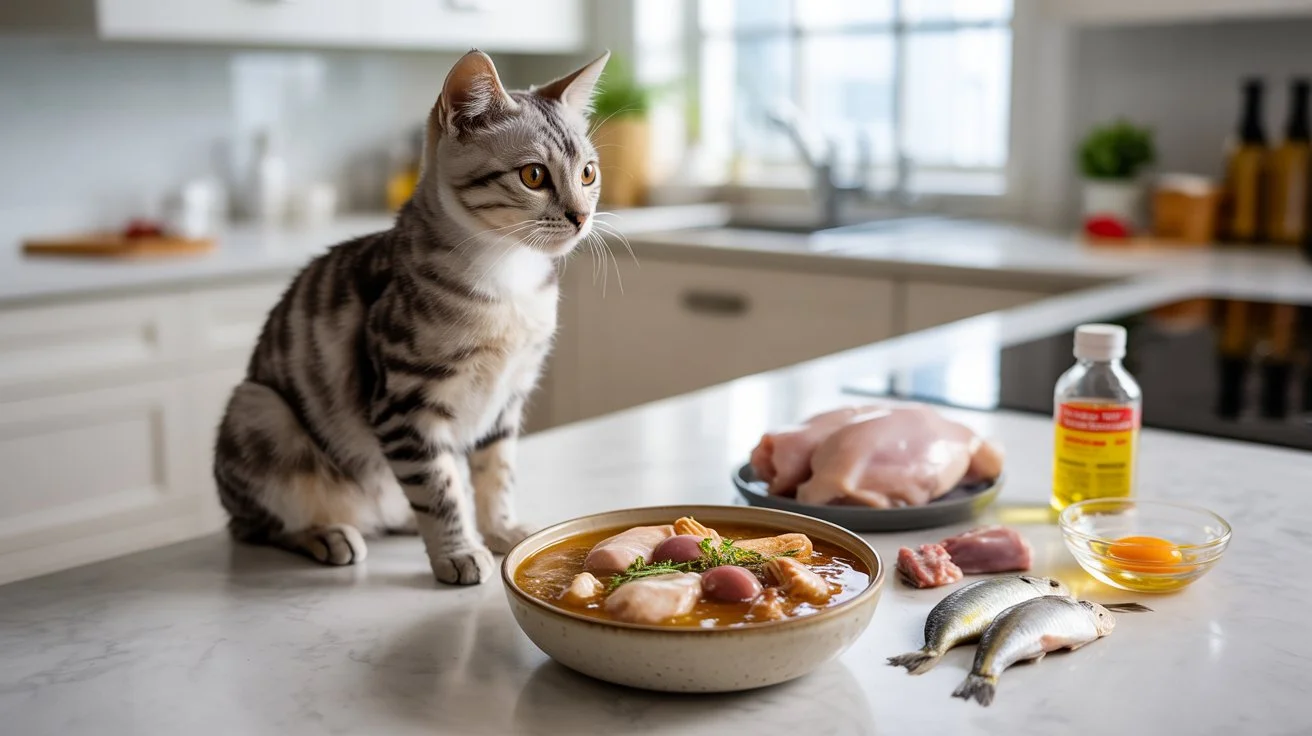
Homemade cat food can be safe and healthy, but only when it is built to meet a cat’s full nutrition needs. Cats are obligate carnivores, so a bowl of plain chicken or fish is not enough. The real issue is not whether food is homemade. It is whether it is complete and balanced for daily feeding.
A lot of owners look into this because their cat is a picky eater, has a sensitive stomach, needs more moisture, or they simply want more control over ingredients. That makes sense. But this topic has gotten more serious in 2026 because raw feeding is no longer just a nutrition debate. Recent FDA and CDC warnings tied raw pet food to Salmonella, Listeria, and even an H5N1 case linked to raw cat food, so safety now matters as much as ingredient quality.
What does homemade cat food really mean?
Most people use this term for one of three things. They mean a full homemade diet, a homemade topper added to regular food, or a short-term homemade meal when they run out of cat food. These are not the same thing, and mixing them up causes most of the confusion online. A full homemade diet has to cover every core nutrient a cat needs every day. A topper does not. An emergency meal is only a stopgap.
That difference matters because cats are not small dogs and they are not tiny humans. They need animal protein, taurine, arginine, arachidonic acid, vitamin A, and the right calcium-phosphorus balance from food. When those needs are missed, a recipe can look healthy and still be wrong for a cat.
Is homemade cat food actually healthy?
It can be. It can also be a mess. The honest answer is that homemade feeding is only as good as the formulation behind it. UC Davis researchers analyzed 114 homemade cat food recipes and reported that none supplied all essential nutrients for healthy adult cats, which is a big reason this topic needs more caution than most recipe blogs give it.
The upside is easy to understand. Homemade meals can give you better control over ingredients, more moisture than dry food, and more flexibility for a cat with food sensitivities or low appetite. The downside is just as real. Owners often assume that fresh meat equals balanced nutrition, and that is where things go wrong.
What nutrients can homemade diets miss?
Meat alone is not a finished cat diet. A proper homemade plan has to account for taurine, calcium, phosphorus, vitamin A, iodine, vitamin E, B vitamins, omega-3 fatty acids, and overall energy intake. Cats also need enough moisture and enough high-quality protein from animal tissues.
Here is where owners usually slip up:
- Taurine gets ignored because it is invisible, but it is essential for normal heart, eye, and body function.
- Calcium gets missed when people feed boneless meat without a proper calcium source such as a balanced premix or a correct formulation.
- Vitamin A and iodine get overlooked because they are not obvious “protein” nutrients, yet cats still need them.
- Vitamin E and trace nutrients can fall short when recipes are copied casually from social media or forums.
This is why plain boiled chicken is not a complete daily plan. It may be useful short term for appetite support in some cases, but it is not enough as a routine diet on its own.
When does homemade feeding make sense?
Homemade feeding makes the most sense when you treat it like a nutrition project, not a kitchen shortcut. It can be a smart option for owners who want ingredient control, need a higher-moisture meal, or are working through food reactions with veterinary guidance. It can also help picky cats who refuse standard textures.
It makes less sense when the goal is simply to replace commercial food with random meat and rice. Cats do not need a vegetable-heavy plate, and they do not do well on improvised recipes that are missing key supplements or mineral balance. Reddit threads on this topic show the same pattern again and again: people start with good intentions, then get stuck on how to make the food actually balanced.
What ingredients are commonly used in homemade cat food?
Most balanced recipes start with muscle meat such as chicken thighs, turkey, or rabbit. They often include some organ meat like liver or heart, plus targeted additions such as fish oil, egg yolk, water, and a premix supplement or meal completer. These ingredients are used for a reason. They are not there to make the recipe look fancy. They help support nutrient coverage and moisture.
A few ingredients need extra caution. Too much liver can create imbalance. Heavy use of rice, potatoes, or vegetables can dilute the animal-based nutrition cats rely on. Seasonings such as onions and garlic should never be part of the plan. And fish should be used carefully, not as the whole foundation of the diet.
Do you need supplements?
If the food is replacing normal daily meals, the honest answer is yes in most cases. Owners often want a clean, natural recipe with no extras, but that mindset does not match feline nutrition. The goal is not a pretty ingredient list. The goal is a diet that covers the nutrients a cat cannot safely miss. That is why many experienced owners and vets lean on a premix supplement or a formulation made with professional guidance.
A supplement or completer can help close gaps in calcium, iodine, vitamin E, taurine, and other nutrients that plain meat does not reliably cover by itself. That does not make the food less wholesome. It makes the diet more complete.
Is cooked or raw better?
For most households, cooked is the safer choice. Raw feeding has passionate supporters, but the evidence base is much clearer on the risks than on any proven advantage. The FDA says raw pet food is more likely to be contaminated with disease-causing bacteria than other pet food types, and CDC warns that raw pet food can make both pets and people sick.
That warning feels even more relevant now. In 2025, FDA linked H5N1 contamination in certain raw cat food lots to a cat illness, which pushed raw diet safety into a new phase of concern. So if someone asks what is smarter in 2026, the practical answer is usually gently cooked homemade food with proper formulation rather than raw meat handled casually at home.
Can you feed homemade food every day?
Yes, but only if it is a real full diet and not a guess. This is where people need a clean distinction:
- A full diet must be complete and balanced.
- A topper can add flavor or moisture, but it should not replace balanced meals.
- An emergency meal is temporary and should not become the routine.
That one distinction can save owners a lot of mistakes. Many cats do fine with a small homemade topper over quality wet food. Far fewer are safe candidates for an all-homemade daily plan without careful formulation.
What are the biggest mistakes owners make?
The first mistake is feeding plain meat and calling it healthy. The second is thinking a cat can live on a dog-style “balanced plate” with lots of starch or vegetables. The third is making endless ingredient swaps without understanding what each ingredient was doing in the first place.
Other common mistakes include poor portion control, unsafe raw handling, underestimating freezer and fridge hygiene, and assuming one recipe works for every cat. A kitten, senior cat, or cat with kidney or urinary issues may need a very different plan.
How should you switch a cat to homemade meals?
Go slowly. Most cats do better with a gradual transition over several days or longer. Start with a small amount mixed into familiar food. Watch stool, appetite, energy, and hydration. Keep portions measured and avoid changing protein, supplements, and texture all at once.
If a cat stops eating, vomits repeatedly, gets constipated, develops diarrhea, or seems flat, stop experimenting and talk to your vet. Cats are not a pet you want to push into a long hunger strike while trying to “teach” them a new diet.
Frequently asked questions about homemade feeding
Is homemade cat food better than store food?
Not automatically. It is only better when it is properly balanced, safely prepared, and suits the cat’s needs better than the current diet.
Do vets recommend homemade diets?
Some vets support them in the right case, but most want the recipe to be professionally formulated because nutrient gaps are common in DIY plans.
Can I feed my cat chicken and rice every day?
No. That may work short term in limited situations, but it is not a complete long-term feline diet.
Are eggs good for cats?
Eggs can be used in some recipes, but they are a supporting ingredient, not a complete feeding solution by themselves.
Can cats eat sardines?
They can in moderation, and some recipes use them, but sardines should not replace a balanced full diet.
Is homemade feeding cheaper?
Sometimes, but not always. Once you add quality meat, supplements, storage, and prep time, the cost advantage often shrinks. Reddit budget threads reflect that trade-off clearly.
What should never go into a homemade recipe?
Onions, garlic, heavy seasoning, random leftovers, and casual substitutions that break the nutrient balance.
Can homemade meals help a picky eater?
Yes, they can help with texture and moisture, but that does not remove the need for balanced nutrition.
Final takeaway
Homemade cat food is not a bad idea. A careless version of it is. If you want to do this well in 2026, think beyond fresh ingredients and focus on taurine, mineral balance, safe handling, moisture, and a plan that actually fits feline biology. That is what turns a trendy feeding idea into a safe one.