Punta Bunga Beach, Boracay: How to Get There, What to Expect, and If It’s Worth It
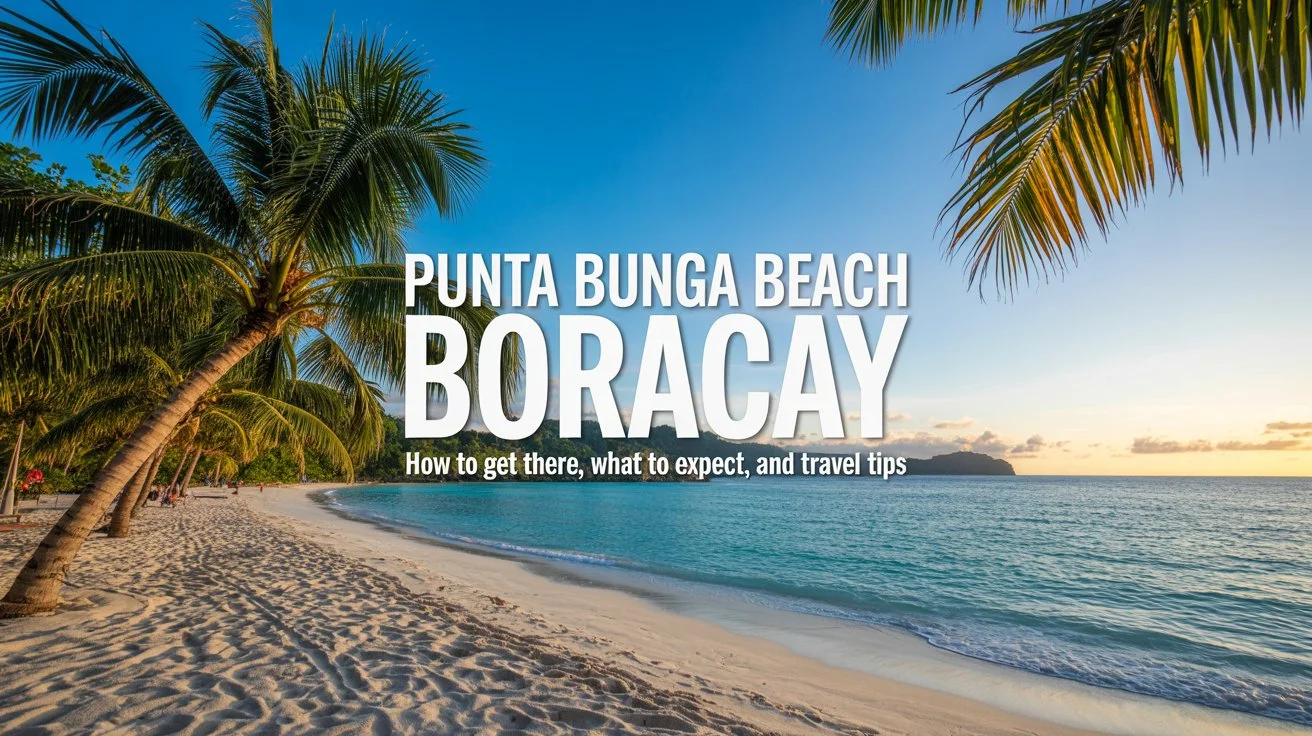
Punta Bunga Beach is one of Boracay’s calmer beach areas, set on the Yapak side of the island near several upscale resorts. People usually search for it because they want a quieter alternative to White Beach, but the biggest question is always the same: is it really open to visitors, and how hard is it to reach?
Where this beach sits in Boracay
This stretch of sand is in Yapak, Boracay, on the island’s quieter northern side. That matters because the mood here feels very different from the busier central strip. The area is tied to luxury stays, less foot traffic, and a slower beach day. It is closer in feel to a resort zone than a walk-anywhere tourist strip.
That difference is a big reason travelers get interested in this part of the island. White Beach is famous, long, and full of bars, shops, and restaurants. This side of Boracay is more about space, sea views, and a lower-noise setting. For some people, that sounds perfect. For others, it can feel too removed.
Is Punta Bunga Beach public or private?
This is the part that confuses almost everyone. The shoreline itself is widely treated as public, but the route down can feel private because nearby resorts control or front many of the easiest access points. That is why so many travelers leave with mixed answers. They are often talking about the same beach, but different entry experiences.
If you are planning a visit, the safest way to think about it is this: the beach is not the same as a fully open public strip like White Beach. Access can be less clear, and the simplest route may depend on your resort, your driver’s local knowledge, or the current path people are using. That honest framing is better than promising easy entry and disappointing the reader later.
This matters because user intent here is not only “What does the beach look like?” It is also “Will I actually be able to enjoy it without wasting half my day?” That problem should be addressed early in the article, not buried near the end.
How to get there without wasting time
If you are staying in central Boracay, do not assume this beach works like a simple walk from Station 1 or Station 2. It sits farther north, and the path can feel less obvious than the routes to the island’s best-known beaches. Some travelers reach the area through nearby resorts or local access roads, while others include it as part of beach hopping or a boat-based day out.
The best fix is simple. Ask your hotel, tricycle driver, or local guide for the most current practical route on the day you go. That sounds basic, but it solves the biggest problem. Old blog posts can leave people with false confidence. A current local answer is more useful than a perfect-looking map. That is especially true in places where resort-fronted access changes the visitor experience.
If your goal is a smooth day, two choices usually work best. Stay near the Yapak side and visit with less hassle, or keep your main stay elsewhere and treat this part of the island as a side trip. Trying to force it into a packed beach-hopping schedule can backfire if access takes longer than expected.
What the beach is actually like
The draw here is not nightlife or lots of storefronts. The appeal is the setting. Travelers describe soft white sand, clear water, and a calmer atmosphere than Boracay’s busiest areas. That makes it a good fit for couples, slow travelers, and anyone tired of crowded beachfront strips.
The pace feels more relaxed because the surrounding area is less commercial than White Beach. You are not coming here for a long line of restaurants or a packed sunset crowd. You are coming for a more peaceful swim, a quiet walk, and a different side of the island. That is why expectations matter. If someone wants energy and convenience, they may leave underwhelmed. If they want calm scenery, this side can feel like the right call.
That gap between expectation and reality is one of the biggest user problems on this topic. A person sees a beautiful photo and assumes it will offer the same easy setup as Boracay’s main beach zones. In practice, this area rewards travelers who value atmosphere more than convenience.
Best things to do here
The strongest activities are the simple ones. Swim, slow down, walk the shore, and spend time in the water. Travel pages around the beach also connect it with snorkeling, sunbathing, and a generally quieter beach day. That makes sense because this is not a spot people chase for nightlife. They come here to breathe a little.
This side of Boracay also works well for a half-day plan. Go when you want a break from the island’s busier zones. Stay long enough to enjoy the water. Then move on to another stop if you want more action later. That kind of pacing works better than treating it as a full service beach strip.
If you like taking photos, softer parts of the day usually work better than midday. Mornings feel calmer. Late afternoon can also look great, especially when the light softens and the beach feels more open.
How it compares with White Beach, Puka Beach, and Diniwid Beach
White Beach is still the most famous stretch in Boracay. It is long, lively, and filled with shops, bars, and restaurants. It works well for first-time visitors who want the classic Boracay setup and easy access to everything.
Puka Beach suits travelers who want a quieter mood but still like a well-known beach on the northern side. Expedia describes it as a peaceful retreat with white sand, pristine water, and a long stretch backed by tropical scenery. If someone wants a broad and natural-looking beach, Puka Beach can be the easier choice.
Diniwid Beach is another strong option for people who want something calmer than White Beach. TripAdvisor highlights it as a small, serene beach connected by a cliffside footpath to its busier neighbor. That makes it appealing for travelers who want quiet without moving too far off the main tourist area.
So where does this leave Punta Bunga Beach? It fits travelers who want a more tucked-away feel and do not mind doing a little extra planning. It is less about convenience and more about atmosphere. That is the clearest way to position it against the better-known Boracay options.
Where to stay near the beach
Accommodation matters here because staying nearby can solve the hardest part of the visit. Hotel listings around the area consistently point to Mövenpick Resort & Spa Boracay, Shangri-La Boracay, and Crimson Resort & Spa Boracay as top nearby options. Expedia lists those properties among the closest and strongest-known stays around the beach zone.
This area makes the most sense for travelers who want a quieter base, upscale surroundings, and less of the central Boracay rush. If that is your travel style, staying near Yapak can make the whole experience easier. You will spend less time figuring out routes and more time enjoying the setting.
If you prefer easy dining, nightlife, and quick access to many parts of the island, a more central stay may be smarter. In that case, visit this beach as a side stop rather than making it your base. That solution works well for travelers who want both sides of Boracay in one trip.
Best time to visit
Boracay’s dry season runs mainly from November to April, and Expedia notes that this is the best period for swimming and water sports because the beaches stay calmer. That makes these months the safest choice for travelers who want the beach at its most inviting.
The quieter months from May to October can be cheaper and less crowded, but weather becomes a bigger variable. That does not mean the trip is impossible. It just means your beach plans need more flexibility. If your article is serving real users, this kind of plain advice matters more than glossy wording.
Time of day matters too. Earlier visits often feel more peaceful. They also make it easier to change plans if access proves trickier than expected.
Common problems travelers face and the best fixes
One common problem is expecting a fully open public beach experience. The fix is to treat access as something to confirm, not assume. Do not rely on one old blog post. Check with your hotel or a local driver before you go.
Another problem is picking the wrong beach for your travel style. Some readers see “quiet” and think “better.” That is not always true. If you want restaurants, nightlife, and a busy beachfront scene, White Beach is the better match. If you want calm and space, this area makes more sense.
A third problem is trying to do too much in one day. This beach works better when it is part of a relaxed schedule. Rushing from one island stop to another can make the trip feel harder than it should. Slow travel fits this part of Boracay far better than a packed checklist.
Is it worth visiting?
Yes, but only for the right kind of traveler. This beach is worth it for people who want a quieter side of Boracay, care more about atmosphere than convenience, and do not mind planning access a bit more carefully. The sand and water get strong praise, and the setting appeals to travelers who want a slower beach day.
It is not the best pick for everyone. Visitors who want instant access, lots of nearby dining, and an easy first-time Boracay experience will usually do better at White Beach. People who want a peaceful beach with easier name recognition may also lean toward Puka Beach or Diniwid Beach instead.