
Vancouver Where to Stay: 2026 Neighborhood and Seasonal Guide
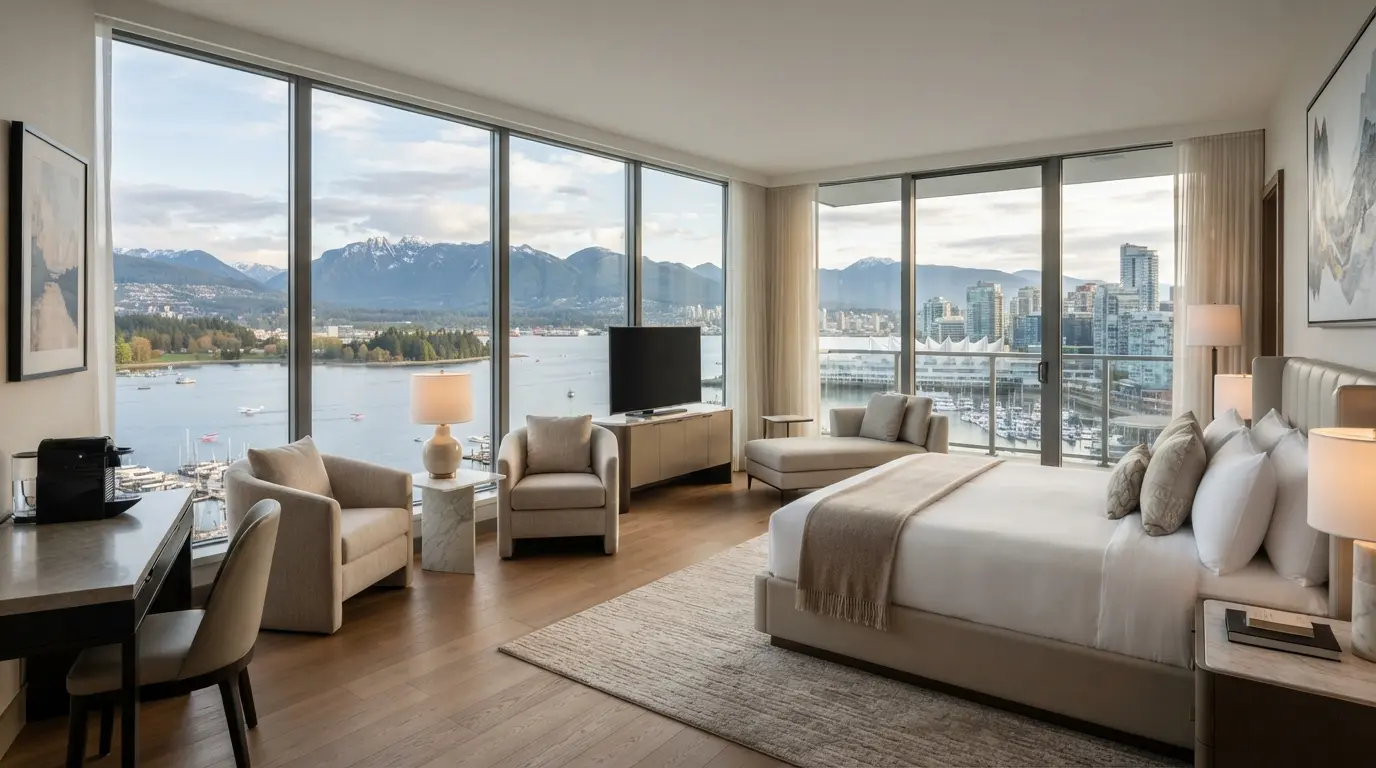
Vancouver where to stay comes down to matching your neighborhood to your trip type rather than picking whichever hotel shows up first in search results. Downtown and the West End work for most first-time visitors, Kitsilano suits a quieter beach-adjacent stay, and North Vancouver makes more sense if skiing is the whole point of your trip.
Most people get stuck here because every guide lists the same five neighborhoods with nearly identical descriptions, leaving you no clearer on which one actually fits what you’re planning to do. Vancouver’s weather adds another layer of confusion, since a neighborhood that’s lovely for a July walk along the seawall can feel a lot less appealing during a wet November. This guide sorts both problems out together.
Is Vancouver Expensive to Visit?
Vancouver runs expensive by North American standards, and hotel prices shift substantially between the summer peak and the quieter months from November through February. A downtown hotel that costs 250 to 350 dollars a night in July can drop to 130 to 180 dollars in January.
That gap matters more here than in a lot of cities, since Vancouver’s off-season isn’t dead time. Ski season at Grouse and Cypress runs right through the cheapest hotel months, so anyone building a winter trip around skiing rather than beach weather gets a genuine two-for-one: lower rates and the actual activity they came for.
What Are Vancouver’s Best Neighborhoods to Stay In?
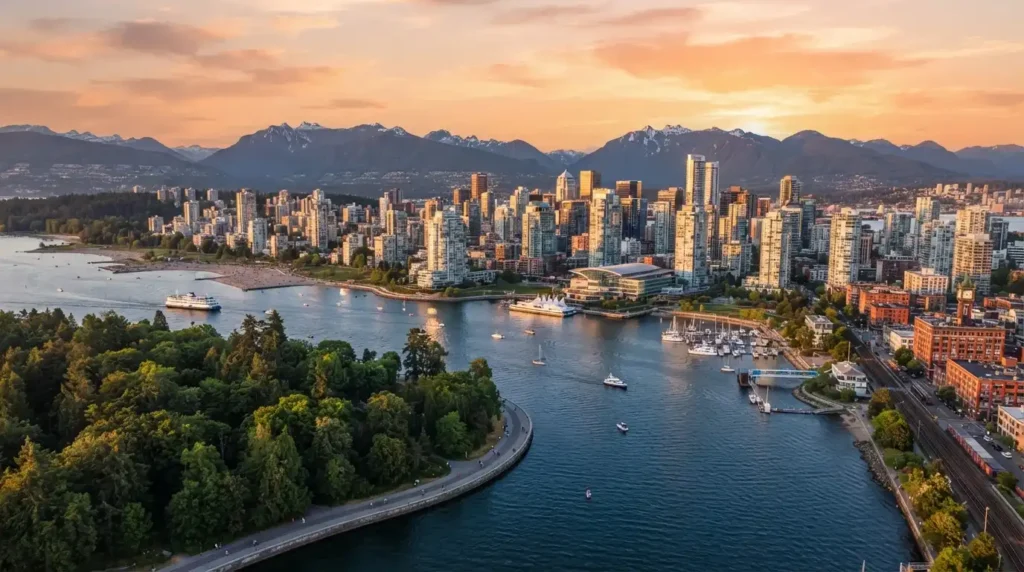
Vancouver’s best neighborhoods split by what you want nearby. Downtown and the West End put you closest to Stanley Park and the seawall, Yaletown and Gastown suit dining and nightlife, Kitsilano offers a beach-town pace, and North Vancouver puts mountain access at your doorstep.
[Comparison Table: Vancouver Neighborhoods]
| Neighborhood | Best For | SkyTrain Access | Typical Nightly Rate |
| Downtown / West End | First-time visitors, Stanley Park access | Yes, multiple stations | $180–$320 |
| Yaletown | Restaurants, waterfront condos-style stays | Yes, Canada Line | $170–$300 |
| Gastown | Nightlife, historic architecture | Nearby, short walk | $150–$260 |
| Kitsilano | Beaches, quieter pace, families | No direct line, bus access | $140–$240 |
| Mount Pleasant | Local breweries, budget-friendly | No direct line | $110–$190 |
| Commercial Drive | Local food scene, budget travelers | Yes, nearby station | $100–$180 |
| North Vancouver | Ski access, Capilano Suspension Bridge | No, bus or SeaBus | $130–$220 |
Travelers consistently find Downtown and Yaletown the most convenient for a first trip simply because they sit directly on the SkyTrain, cutting out the guessing game of bus routes and transfer times that neighborhoods like Kitsilano and North Vancouver require.
Is Downtown or the West End Better for First-Time Visitors?
Downtown suits visitors who want proximity to Canada Place, Robson Street shopping, and the SkyTrain network, while the West End suits those prioritizing Stanley Park access and a slightly quieter, more residential feel just a few blocks over.
A common mistake first-timers make is assuming Downtown and the West End are interchangeable, when the West End’s tree-lined streets and closer proximity to English Bay actually make it noticeably calmer at night than the busier Downtown core near Robson and Granville. Expect to pay a similar nightly rate in both, generally 180 to 320 dollars depending on season and hotel class, so the choice comes down to pace rather than price.
Where Should You Stay in Vancouver Without a Car?
Staying without a car works best in Downtown, the West End, Yaletown, or Gastown, since all four sit directly on or within easy walking distance of a SkyTrain station, making Stanley Park, Granville Island, and most major attractions reachable without renting a vehicle.
Kitsilano and North Vancouver both require more transit planning if you’re going carless, since Kitsilano relies on bus routes rather than a direct SkyTrain line, and North Vancouver depends on the SeaBus or a longer bus ride to reach central attractions. A common mistake is booking a scenic North Vancouver stay for its mountain views without accounting for the extra 30 to 40 minutes it typically adds to reach Downtown each day.
Where to Stay in Vancouver for Winter Activities?
North Vancouver is the strongest base for winter activities, sitting closest to Grouse Mountain and Cypress Mountain, both of which typically run their ski season from late November through March depending on snowfall.
Staying Downtown still works for winter visitors who want to split time between city sights and a day or two of skiing, since Grouse Mountain is roughly 20 to 30 minutes by car or shuttle from central Vancouver. Locals recommend checking each mountain’s opening dates directly before booking a winter trip, since exact start dates shift year to year based on snow conditions rather than following a fixed calendar.
What Are the Best Things to Do in Vancouver Month by Month?
The best things to do in Vancouver month by month shift dramatically between the wetter winter months and the dry, sunny stretch from June through September, with specific seasonal events like cherry blossoms and outdoor festivals tied to fairly narrow windows.
[Itinerary Table: Vancouver by Month]
| Month | Weather | Highlight Activity |
| January | Cold, wet | Polar Bear Swim at English Bay, quiet off-season rates |
| February | Cold, wet | Chinese New Year events in Chinatown |
| March | Mild, wet | Early cherry blossoms begin appearing |
| April | Mild | Peak cherry blossom season around the West End and Queen Elizabeth Park |
| May | Warmer, drier | VanDusen Botanical Garden in full bloom |
| June | Warm, dry | Dragon Boat Festival at False Creek |
| July | Warm, dry | Bard on the Beach outdoor theater, Celebration of Light fireworks |
| August | Warm, dry | Pacific National Exhibition (PNE) |
| September | Mild, drier | Vancouver International Film Festival begins |
| October | Cooling, wetter | Fall colors at Stanley Park and Queen Elizabeth Park |
| November | Cold, wet | Off-season hotel rates, early ski season at Grouse and Cypress |
| December | Cold, wet | Grouse Mountain’s Peak of Christmas, holiday markets downtown |
Most visitors say June through September offers the most reliable weather for outdoor sightseeing, while the wetter months from November through March suit travelers specifically prioritizing skiing or lower hotel costs over beach and park time.
What Are the Best Winter Activities in Vancouver?
The best winter activities in Vancouver center on skiing or snowboarding at Grouse Mountain or Cypress Mountain, both reachable within 30 to 45 minutes of Downtown, alongside lower-key options like the Grouse Mountain holiday light display and the Polar Bear Swim at English Bay on New Year’s Day.
Grouse Mountain typically charges 60 to 80 dollars for an adult lift ticket depending on the day and season, while Cypress Mountain runs a similar range. A common mistake winter visitors make is assuming Vancouver’s mild coastal climate means no snow at all, when the nearby North Shore mountains sit high enough to get reliable snowfall even when Downtown itself sees rain rather than snow at sea level.
What Are the Best Things to Do in Vancouver This Summer?
The best things to do in Vancouver this summer include Stanley Park’s seawall, Granville Island’s public market, English Bay beaches, and the Celebration of Light fireworks competition, all benefiting from the city’s driest, sunniest stretch running roughly June through September.
Granville Island’s market gets genuinely busy by midday in peak summer, so locals recommend an earlier visit before the tour groups and cruise ship crowds from Canada Place arrive. Bard on the Beach, an outdoor Shakespeare festival running from June through September in Vanier Park, pairs naturally with a day exploring Kitsilano’s beaches given their close proximity to each other.
How Do You Get from Vancouver to Whistler?
Whistler sits about two hours north of Vancouver by car or shuttle bus along the Sea to Sky Highway, making it a realistic day trip or overnight add-on for anyone staying in Vancouver with a car or booked shuttle transfer.
Shuttle services typically cost 50 to 90 dollars round trip per person, while renting a car gives more flexibility for stopping at viewpoints along the route. Staying Downtown or in the West End makes the earliest possible departure slightly easier than starting from Kitsilano or North Vancouver, simply due to more direct highway access from the central core.
How Much Does It Cost to Stay in Vancouver?
Vancouver accommodation costs vary considerably by neighborhood and season, with Downtown and Yaletown sitting at the higher end and areas like Commercial Drive and Mount Pleasant offering more budget-friendly options.
[Cost Table: Vancouver Accommodation by Season]
| Neighborhood | Summer Peak (Jun–Sep) | Off Season (Nov–Feb) |
| Downtown / West End | $220–$320 | $130–$190 |
| Yaletown | $200–$300 | $120–$180 |
| Gastown | $180–$260 | $110–$160 |
| Kitsilano | $170–$240 | $100–$150 |
| Commercial Drive | $130–$180 | $80–$120 |
A common budgeting mistake is booking a summer trip without checking how much cheaper the same hotel gets just two or three months later, since the seasonal swing in Vancouver is considerably larger than in many comparable North American cities.
Conclusion
Vancouver where to stay really comes down to two questions: what season are you visiting in, and what do you actually want nearby. Downtown and the West End cover most first-time trips well, Kitsilano suits a quieter summer stay, and North Vancouver earns its keep specifically for a winter ski trip. Check the season against the neighborhood table above before booking, and factor in the genuine price drop between summer and the November through February window if your dates have any flexibility at all.
FAQs
Where should I stay in Vancouver?
Downtown or the West End suits most first-time visitors for walking access to Stanley Park, while Kitsilano suits a quieter stay and North Vancouver suits winter ski trips.
Is Vancouver expensive to visit?
Yes, particularly in summer, though off-season rates from November through February drop significantly across nearly every neighborhood.
What is the best area to stay in Vancouver for tourists?
Downtown and Yaletown rank highest for tourists since both sit directly on the SkyTrain and within walking distance of major attractions.
Is downtown Vancouver safe?
Yes, generally, though standard city awareness applies, particularly near the Downtown Eastside, which sits close to but distinct from the main tourist core.
What is there to do in Vancouver in winter?
Skiing at Grouse Mountain or Cypress Mountain, the Grouse Mountain holiday light display, and the New Year’s Day Polar Bear Swim are the main winter draws.
Where to stay in Vancouver without a car?
Downtown, the West End, Yaletown, and Gastown all sit on or near the SkyTrain, making them the easiest bases without a rental car.
Is Kitsilano or Downtown better to stay in?
Downtown suits visitors wanting central access to major sights, while Kitsilano suits those prioritizing beaches and a quieter, more residential pace.
What is there to do in Vancouver in the off season?
Skiing, indoor markets, and noticeably lower hotel rates make November through February a strong window for a slower-paced, budget-conscious trip.
How do you get from Vancouver to Whistler?
By car or shuttle bus along the Sea to Sky Highway, taking about two hours each way.
Is Vancouver worth visiting in winter?
Yes, particularly for skiing at the nearby North Shore mountains, though summer remains the better choice for beach and park-focused sightseeing.
What is there to do in Vancouver this summer?
Stanley Park’s seawall, Granville Island’s market, English Bay beaches, and the Celebration of Light fireworks are the top summer draws.
What is there to do in Vancouver in April?
Peak cherry blossom season around the West End and Queen Elizabeth Park makes April one of the better shoulder-season months to visit.


