Thailand: Best Things to See, Do and Experience
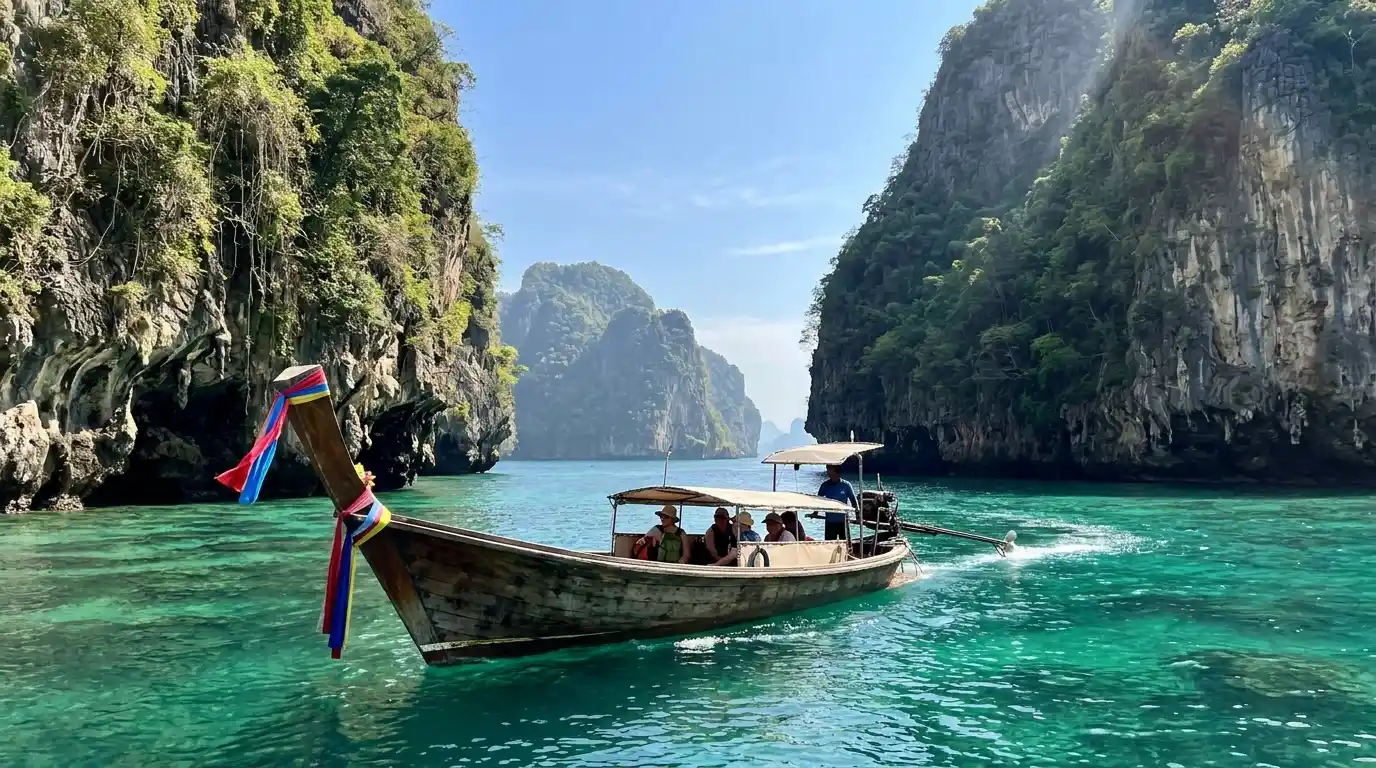
Thailand offers temples, islands, street food and mountain towns in one country. The best things to see include the Grand Palace in Bangkok, temples in Chiang Mai and beaches in the south. Most visitors spend time in Bangkok, a northern city and one island group. Entry is visa-free for many nationalities for 30 or 60 days. The currency is the Thai baht.
Bangkok Temples and River Life
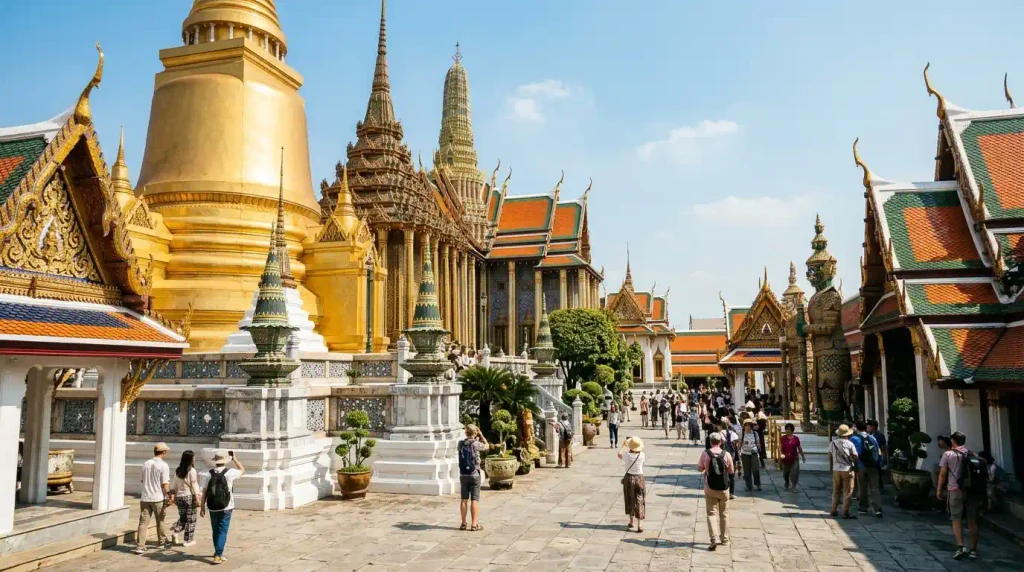
The Grand Palace and Emerald Buddha draw the largest crowds. Arrive early to avoid heat and lines. Nearby Wat Pho holds the giant reclining Buddha and offers traditional massages. Wat Arun sits across the river and looks best at sunset. Chao Phraya river boats connect the sites and cost little. Chinatown night markets and rooftop bars fill the evenings. A full day covers the main temples if you start early.
Bangkok traffic is heavy so use the BTS skytrain or river boats. Many travelers base here for two or three nights. For similar city planning see bangkok must do lists that highlight the same river temples and markets.
Chiang Mai Temples and Mountains
Chiang Mai’s old city has dozens of temples inside a square moat. Doi Suthep temple sits on a mountain above the city with views and a long stair climb or road access. Sunday walking street market fills the old city. Cooking classes and day trips to elephant sanctuaries or Doi Inthanon national park are common. The pace is slower than Bangkok and the food includes khao soi curry noodles.
Flights from Bangkok take about one hour. Overnight trains also run. Many visitors spend three or four nights. Northern Thailand pairs well with a stop further south. Check 10 things to do in bali for island ideas if you continue south from Chiang Mai.
Southern Islands and Beaches
Phuket, Krabi and the Phi Phi islands offer limestone cliffs and clear water. Maya Bay reopened with visitor limits. Snorkeling and day boat trips are popular. Railay beach in Krabi is reached only by boat and has rock climbing. Similan Islands further north have excellent visibility for diving but close in the rainy season. Choose one base to avoid constant ferry hops.
Domestic flights or overnight buses connect Bangkok to the south. Ferry schedules change with weather. A typical island stay lasts four to seven nights. For coastal planning many look at best places to snorkel in hawaii style guides that list similar boat-trip logistics.
Food Experiences Across the Country
Street food is cheap and varied. Pad thai, green curry, mango sticky rice and grilled seafood appear everywhere. Night markets in Chiang Mai and Bangkok let you sample many dishes for under 100 baht each. Cooking classes in Chiang Mai teach northern recipes. Fine dining exists in Bangkok but most travelers stick to markets and small restaurants. Vegetarian options are widely available.
Meals cost 50-150 baht at street stalls and 300-600 baht at sit-down restaurants. Local markets keep daily food costs low. Some travelers combine food stops with best foods in singapore style comparisons when planning a multi-country trip.
Practical Transport and Timing
Domestic flights are frequent and affordable. Overnight trains and buses cover longer distances. Tuk-tuks and Grab rides work in cities. Ferries link islands but can be canceled in rough seas. The best weather is November to February when it is cooler and drier. April is hottest. The rainy season runs May to October with short heavy showers, heavier on the Andaman coast.
Bangkok’s BTS and MRT make city movement easy. Island ferries require timing. For broader regional travel see trip to new zealand only as a contrast in flight connections, not a direct link.
Costs and Where to Stay
Budget travelers spend 1,500-2,500 baht per day. Mid-range hotels run 1,500-4,000 baht a night. Beach resorts cost more. Street food keeps meal costs low. Activities such as cooking classes or boat trips add 1,000-3,000 baht. ATMs are common but some charge fees. Cards work in most hotels and larger restaurants.
Bangkok has hostels to luxury hotels. Chiang Mai old city stays are walkable. Island resorts range from simple bungalows to high-end. Book popular islands ahead in high season. Many visitors also check luxury things to do in singapore when comparing city stays in the region.
Cultural Tips and Etiquette
Dress modestly at temples: cover shoulders and knees. Remove shoes before entering. The king and royal family are treated with high respect. Bargaining is normal at markets but not in shops with fixed prices. Smile and stay calm in traffic. Tipping is not required but appreciated for good service. Learn a few Thai phrases; locals respond well to basic efforts.
Temple dress rules apply everywhere. Island beaches are more relaxed. A short stop in Bangkok can include bangkok must do cultural sites that follow the same etiquette.
Sample One-Week Outline
| Days | Location | Main Activities |
|---|---|---|
| 1-3 | Bangkok | Temples, river, markets |
| 4-5 | Chiang Mai | Old city, Doi Suthep, cooking class |
| 6-7 | Krabi or Phuket | Beach, boat trip |
This outline covers cities and one beach area. Longer trips add more islands or the north. Adjust based on flight arrival times and ferry schedules.
FAQs
Thailand: Best Things to See, Do and Experience
Top experiences include Bangkok’s Grand Palace and river temples, Chiang Mai’s old city and mountain temple, southern island beaches and boat trips, plus street food and night markets across the country.
How many days do I need in Thailand?
Seven to ten days covers Bangkok, one northern stop and one island area. Two weeks allows a slower pace or a second island group.
What is the best time to visit?
November to February is coolest and driest. April is hottest. May to October brings rain, heavier on the west coast.
Is Thailand expensive?
No. Budget travelers manage on 1,500-2,500 baht a day. Mid-range stays and activities raise the total but remain lower than many destinations.
Do I need a visa?
Many nationalities receive 30 or 60 days visa-free. Check current rules before travel. Extensions are possible in some cases.
Is street food safe?
Yes at busy stalls with high turnover. Choose places with many local customers. Bottled water is widely available.
How do I get between cities?
Domestic flights are fast and cheap. Overnight trains and buses work for longer routes. Ferries connect the islands.
What should I wear at temples?
Cover shoulders and knees. Remove shoes before entering. Scarves or light pants solve most dress-code issues.
Are the islands crowded?
Popular spots such as Phi Phi are busy in high season. Smaller islands or shoulder months are quieter. Book boats and stays ahead.
Can I travel solo safely?
Yes. Thailand is one of the easier countries for solo travelers. Use common sense in crowded markets and at night.
What currency do I need?
Thai baht. ATMs are common. Cards work in hotels and many restaurants. Carry some cash for markets and small shops.
Is English widely spoken?
In tourist areas yes. Outside main spots basic Thai phrases help. Most signs in cities include English.