Best Things to Do in Hakone Japan (Updated for 2026)
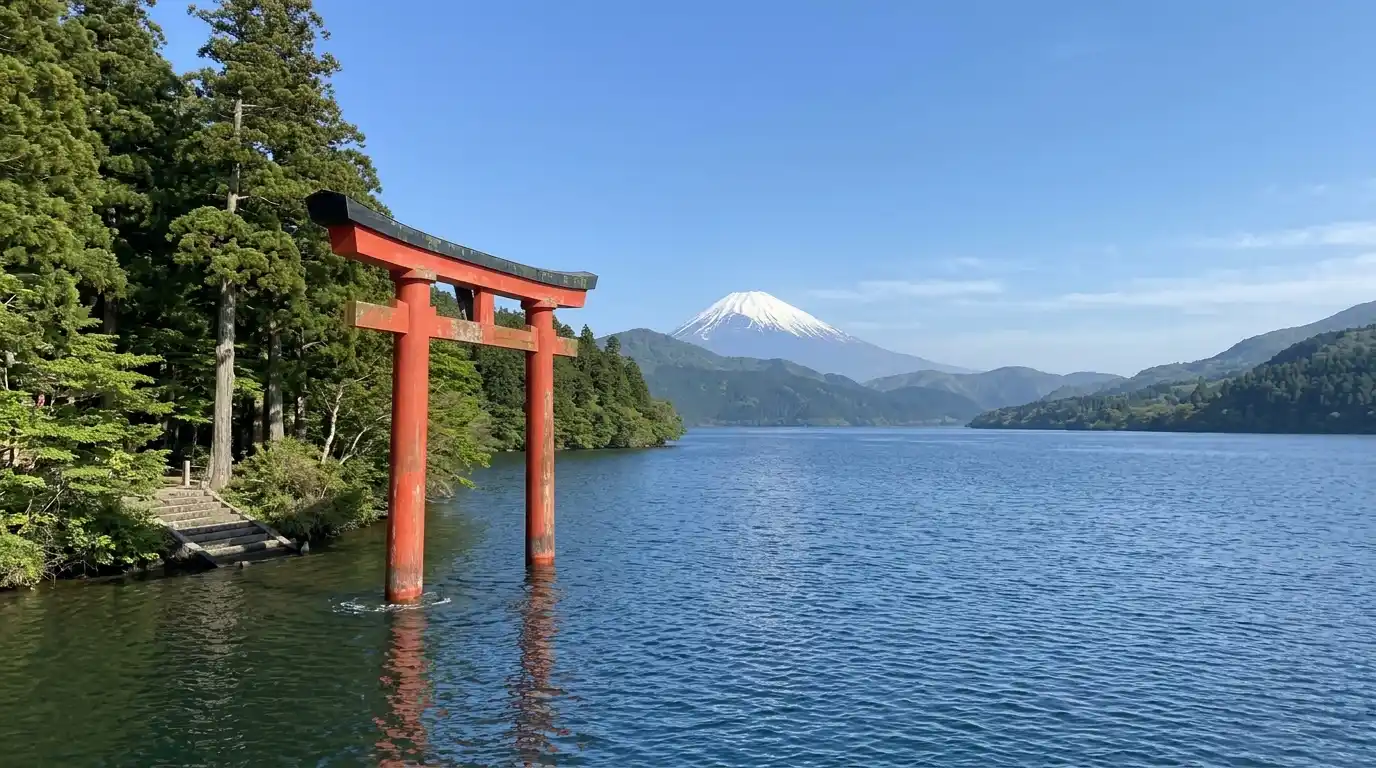
Hakone combines onsen hot springs, Lake Ashi with Mount Fuji views, and the Hakone Ropeway over volcanic valleys. The Open-Air Museum displays sculptures on a hillside. Most visitors do the loop of train, cable car, ropeway, and boat in one day. The area sits about 90 minutes from Tokyo.
Ride the Hakone Ropeway and Visit Owakudani
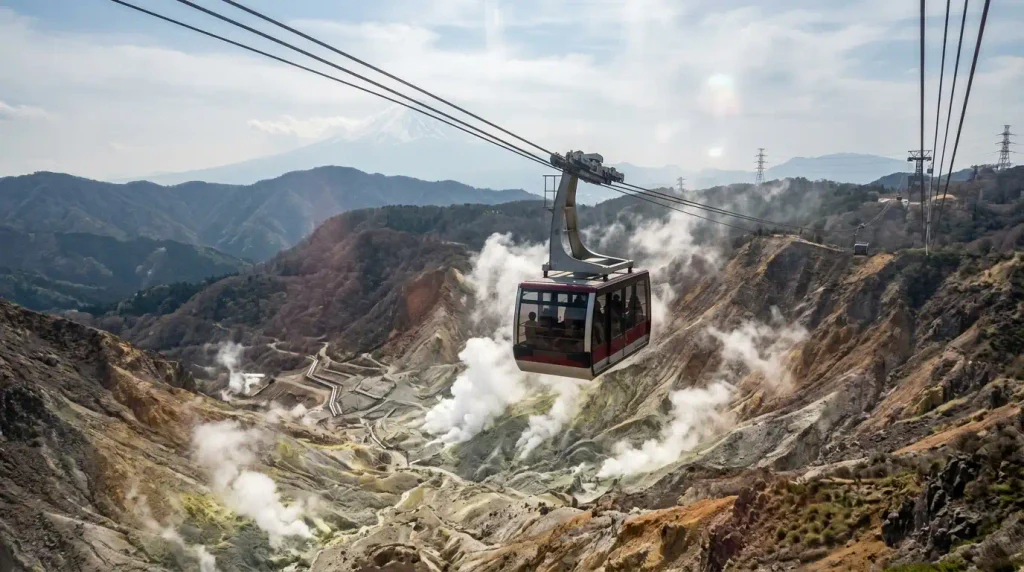
The ropeway runs from Sounzan to Togendai with views of Owakudani volcanic valley. Steam vents and sulphur mark the active area. Black eggs boiled in the springs are a local treat. The ride offers Mount Fuji views on clear days. It is part of the standard Hakone loop. Tickets are included in the Hakone Freepass. Allow time for the views and a short walk at Owakudani.
The valley is free to enter once you arrive. The ropeway cabins give elevated perspectives. Weather can close sections, so check conditions.
Cruise Lake Ashi
Pirate-ship style boats cruise Lake Ashi. The red torii gate of Hakone Shrine stands in the water. Mount Fuji appears behind on clear days. The cruise takes about 30-40 minutes one way. It is included in the Freepass. Board at Togendai or Moto-Hakone. The lake is a caldera formed by volcanic activity. Many stop for photos at the torii.
Combine with a visit to the shrine. The boats run regularly. It is one of the most photographed spots in the region.
Soak in Onsen Hot Springs
Hakone-Yumoto has several public and private onsen. Tenzan is a popular complex with indoor and outdoor baths. Many ryokan offer private baths with views. Entry for public baths runs 1000-2000 yen. The tradition dates back centuries. Soak after a day of sightseeing. Rules require washing before entering and tattoos may be restricted at some places.
Evening soaks are relaxing. Some places have mixed-gender options with clothing. The volcanic water is a highlight of the area.
Visit the Hakone Open-Air Museum
The museum spreads sculptures by Henry Moore, Rodin, and others across a hillside. A Picasso pavilion and foot bath are included. Entry costs about 1600 yen. It is a short walk from Chokoku-no-Mori station. The setting mixes art and nature. Plan 1.5-2 hours. It is Japan’s first open-air museum. Families and art fans both enjoy it.
The grounds are well maintained. Views of the surrounding hills add to the experience. It fits easily into a day itinerary.
See Hakone Shrine
The shrine sits in cedar forest above the lake. The vermillion torii in the water is the main photo. It is free to enter. The grounds are peaceful. Many visitors come after the lake cruise. The shrine is linked to good fortune. Allow 30-45 minutes. The walk from the lakeside is short and scenic.
Crowds form at the torii platform. Early or late visits are quieter. The forest setting contrasts with the open lake.
Use the Hakone Freepass
The Odakyu Hakone Freepass covers round-trip transport from Tokyo plus unlimited rides on local transport including the ropeway and boats. It saves money for most visitors. Valid for 2 or 3 days. Buy it at Shinjuku or online. It simplifies the loop. Without it, individual tickets add up. Check current prices as they change.
The pass makes the day efficient. It is the standard way most people visit. Extensions exist for longer stays.
Explore Art and Gardens
Besides the Open-Air Museum, the Pola Museum holds Impressionist works. Hakone Gora Park is a French-style garden with a fountain. Both are near stations on the Tozan line. Entry fees are modest. They offer indoor options on rainy days. The area has several smaller museums. Combine with the main loop for a full day.
Gora has a relaxed feel. The gardens provide a different pace from the ropeway. Art stops suit those who want more than nature.
Practical Tips for Hakone
Clear days are best for Fuji views, more common in winter and autumn. The Freepass simplifies travel. From Tokyo, take the Romancecar or regular train to Hakone-Yumoto. The loop takes a full day. Book ryokan in advance for onsen stays. Weather can affect the ropeway. English signage is good on the main routes.
Crowds peak on weekends and holidays. Weekdays are quieter. Pack layers as mountain weather changes. Cash is still useful at some baths.
FAQs
What are the best things to do in Hakone Japan?
Ride the ropeway over Owakudani, cruise Lake Ashi, soak in onsen, visit the Open-Air Museum, and see Hakone Shrine. The loop covers most highlights in one day.
How long should you spend in Hakone?
One full day covers the main loop. An overnight stay allows onsen time and a slower pace. Two days suit those who want more museums.
Is the Hakone Freepass worth it?
Yes for most visitors. It covers the Tokyo round trip and all local transport including boats and ropeway. It saves money and time compared with single tickets.
What is the best time to visit Hakone?
Autumn and winter often give clearer Fuji views. Spring has blossoms. Summer is green but can be humid and cloudy. Weekdays are less crowded.
How do you get to Hakone from Tokyo?
Take the Odakyu Romancecar or regular train from Shinjuku to Hakone-Yumoto, about 85-100 minutes. The Freepass covers the journey. Buses also run.
Can you see Mount Fuji from Hakone?
Yes on clear days from the ropeway, lake, and some viewpoints. Visibility is better in cooler months. Clouds often hide it in summer.
Are there onsen in Hakone?
Yes, many public baths and ryokan. Hakone-Yumoto has several options. Some are free or low cost with the Freepass. Private baths are available at hotels.
Is Hakone good for families?
Yes, the ropeway, boats, and Open-Air Museum appeal to children. The loop is straightforward. Some onsen have family areas. It is an easy day trip from Tokyo.
What is unique about Hakone?
The combination of volcanic landscape, lake with torii, art museum, and easy Tokyo access. The transport loop is an attraction itself. Onsen culture is strong.
Where should you stay in Hakone?
Hakone-Yumoto for easy access and baths. Gora or lake-side for views. Ryokan with onsen are popular. Book early for weekends.
Is Hakone expensive?
The Freepass keeps transport reasonable. Onsen entry and meals add up. Day trips are affordable. Overnight stays cost more for ryokan.
Do you need a car in Hakone?
No, the train, ropeway, and boats cover the main sights. A car is optional for flexibility but parking can be limited. The public system works well.