
Boutique Hotel NYC: The Complete Guide to the Best Options
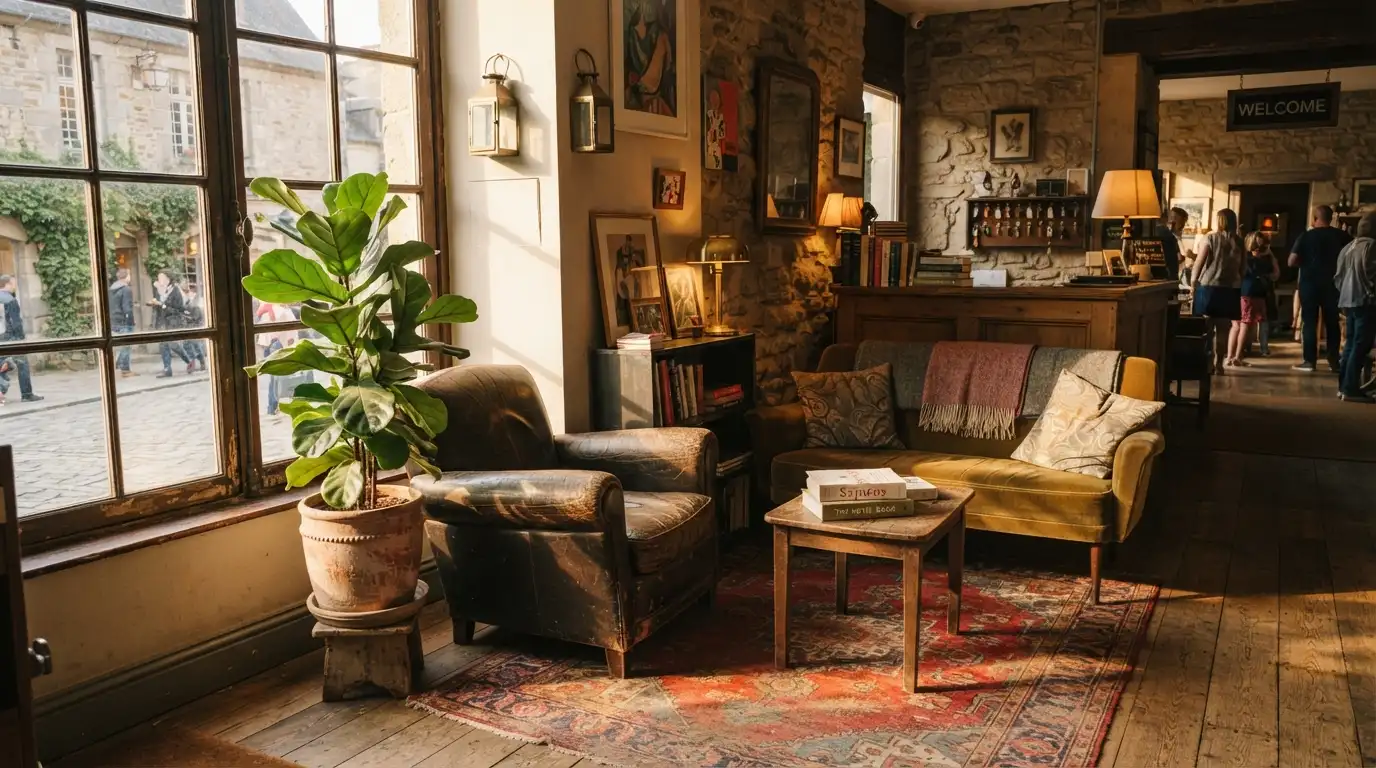
A boutique hotel nyc typically means a smaller, independently run property with a strong design identity and personal service, distinct from large chain hotels. With dozens of properties across Manhattan now marketing themselves under the boutique label, the real challenge is figuring out which ones actually deliver that character and which are simply small hotels borrowing the word for marketing purposes.
What Makes a Hotel a Boutique Hotel in NYC?
A genuine boutique hotel nyc distinguishes itself from a chain property through independent ownership, a distinct design point of view, and a level of personal service that a Marriott or Hilton in Midtown typically can’t replicate. These hotels tend to run smaller, often occupying converted historic buildings or purpose-built structures designed around a specific aesthetic, whether that’s understated European elegance or bold, maximalist British design. A common mistake first timers make is assuming any small hotel qualifies as boutique, when the real differentiator is the intentional design vision and the personal touches, a lobby built as a communal gathering space, a signature on-site restaurant, staff who recognize repeat guests, that a genuinely good boutique property delivers consistently.
What Is the Best Luxury Boutique Hotel in NYC?
| Hotel | Neighborhood | Known For |
| The Bowery Hotel | Lower East Side | Roomy suites, celebrity clientele |
| The Beekman | Financial District | Restored 1800s atrium |
| The Crosby Street Hotel | SoHo | British-designed interiors |
| The Greenwich Hotel | Tribeca | Understated luxury, quiet courtyard |
The Bowery Hotel consistently earns top marks among luxury boutique hotel nyc options, with quiet suites and larger rooms featuring private terraces that make repeat celebrity and musician guests feel like they’re staying in their own apartment rather than a hotel. The Crosby Street Hotel, the first American property from British designer Kit Kemp’s Firmdale Hotels, brought a distinctly maximalist, fabric-heavy aesthetic to SoHo when it opened in 2009, and current rates start around $1,000 a night, a genuine reflection of how far top-tier boutique pricing has climbed in the city. The Beekman rounds out the luxury tier with its dramatically restored 1800s atrium and 287 rooms spread across a former office building, while The Greenwich Hotel delivers a quieter, more understated version of luxury tucked into Tribeca’s cobblestone streets.
Is There an Affordable Boutique Hotel in NYC?
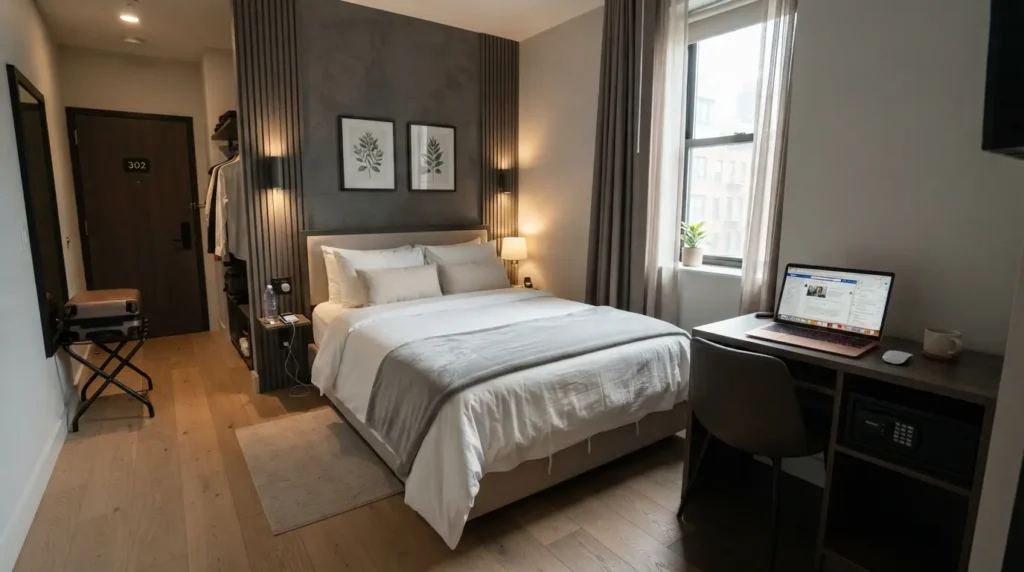
Yes, and finding one comes down to looking slightly outside the most competitive downtown neighborhoods. Arthouse Hotel on the Upper West Side offers a genuinely strong example, with Standard Queen rooms running around 240 square feet and Superior King rooms at roughly 260 square feet, both larger than the notoriously tiny rooms found at several downtown boutique competitors. Rooms come finished with wood flooring, luxury thread count bedding, and an in-room safe large enough for a laptop, delivering boutique-level design touches without the roughly $1,000 a night starting point found at the city’s top luxury properties. The Walker in Greenwich Village offers a similarly accessible option downtown, though its narrow tower layout means upgrading from the base room category is worth the extra cost if space matters to you.
What Is the Best Design-Forward Boutique Hotel in NYC?
PUBLIC NYC, created by hotelier Ian Schrager on the Lower East Side, stands out specifically for its stated design philosophy: “Luxury for All.” Rather than cutting corners to hit an affordable price point, Schrager intentionally kept rooms small and efficient, comparing the layout to a well-designed sailboat cabin, while pouring resources into expansive, genuinely inviting common areas spread across two lower floors where guests can work, eat, drink, or simply hang out separately from their small individual rooms. The New York EDITION, another Schrager creation developed in partnership with a major hotel group, applies a similar design-first approach at a higher price point, with striking common areas and rooms boasting some of the best views in the city in nearly any direction. One honest downside worth knowing: even design-forward rooms at this caliber have occasionally shipped with genuinely noisy HVAC units loud enough to disrupt sleep, so checking recent reviews specifically for noise complaints is worth doing regardless of how polished the design photos look.
Which Boutique Hotels in NYC Were Restored From Historic Buildings?
The Beekman represents the most dramatic historic restoration among NYC’s boutique hotels, transforming a worn-down, long-abandoned 1800s office building in the Financial District into a hotel anchored by a soaring, gilded atrium. Hotel Chelsea, restored over a multi-year renovation by the same hotelier behind The Marlton, brings back one of the city’s most legendary buildings, a former home to generations of artists and musicians, and travelers who’ve stayed there since the restoration consistently praise the results, particularly the hotel’s dedicated martini service. Choosing a restored historic boutique hotel over a purpose-built design property genuinely changes the character of your stay, trading sleek modern minimalism for a real sense of the building’s own layered history.
What Should You Know Before Booking a Boutique Hotel in NYC?
Room size matters more here than at almost any other US destination, and even well-regarded boutique hotels frequently keep standard rooms under 300 square feet, so checking exact square footage before booking, rather than relying on marketing photos alone, genuinely helps set realistic expectations. HVAC noise has tripped up guests at more than one high-end design hotel, with sleepless nights reported even at properties otherwise praised for their design, making recent guest reviews specifically focused on noise worth reading before you commit. Renovation history matters too, since boutique hotel reputations can shift meaningfully over the years at the same property, with at least one long-running option cycling through a disappointing redesign phase before recovering its former standard, so confirming how recently a hotel last renovated is a smart final check before booking.
Which Boutique Hotel Should You Choose by Neighborhood?
| Neighborhood | Recommended Boutique Hotel | Vibe |
| Greenwich Village | The Marlton | Cozy, European-style |
| Lower East Side | The Bowery Hotel, PUBLIC NYC | Celebrity haunt, affordable design |
| Financial District | The Beekman | Historic grandeur |
| Tribeca | The Greenwich Hotel | Understated, residential |
| SoHo | The Crosby Street Hotel | Maximalist British luxury |
| Upper West Side | Arthouse Hotel | Spacious, family-friendly |
Choosing a neighborhood before choosing a specific boutique hotel nyc genuinely matters more than picking by price or star rating alone. The Marlton suits travelers wanting Greenwich Village’s tree-lined streets and quiet residential charm, while The Bowery Hotel or PUBLIC NYC both deliver a Lower East Side stay, one at the luxury end and one at a genuinely more accessible price point. The Financial District’s Beekman rewards travelers on a second or later New York trip who don’t mind sitting slightly apart from the rest of Manhattan, while Tribeca’s Greenwich Hotel and SoHo’s Crosby Street Hotel both cater to travelers wanting to be within walking distance of the city’s best boutique shopping. Arthouse Hotel rounds things out as a strong Upper West Side pick, particularly for families or travelers wanting more room to spread out without sacrificing boutique design touches.
Do Boutique Hotels in NYC Have Good On-Site Restaurants?
Yes, and a strong on-site restaurant genuinely elevates a boutique hotel stay by removing the need to book dinner reservations elsewhere across town. Arthouse Hotel features three distinct dining and drinking options on-site, including a Prohibition-era speakeasy-style bar, Northern Italian restaurant Serafina, and RedFarm, a greenmarket-inspired take on Chinese cuisine. Le Gratin at The Beekman, now run by acclaimed chef Daniel Boulud, focuses on simple, elevated Lyonnais cooking, while Locanda Verde at The Greenwich Hotel and Gemma at The Bowery Hotel both remain dependable, well-regarded Italian spots that regulars return to on nearly every visit. Margaux, the intimate restaurant inside The Marlton, works particularly well for solo travelers wanting a quiet meal without navigating a crowded dining room after a long flight.
Final Thoughts
Finding the right boutique hotel nyc really comes down to matching the property’s character, whether that’s a historic restoration, a design-forward concept, or a genuinely spacious affordable option, to the neighborhood you actually want to explore. Choose The Beekman or Hotel Chelsea for a sense of the building’s own history, PUBLIC NYC if you want design without the top-tier price tag, and Arthouse Hotel if room size matters more to you than being in the most competitive downtown zip code. Whether it’s a quiet breakfast at The Marlton or Northern Italian dinner at Arthouse, the best boutique hotel nyc experiences reward travelers who look past the marketing and check the real details, room size, recent renovation history, and neighborhood fit, before booking.
FAQs
Is a boutique hotel more expensive than a regular hotel in NYC?
Not necessarily, since independently run boutique properties often charge the same or less than a mainstream chain hotel in Midtown while delivering more character, quieter surroundings, and a genuinely more interesting neighborhood, though top-tier luxury boutique hotels can start around $1,000 a night.
What is the smallest boutique hotel room size in NYC?
Room sizes vary significantly by property, but many downtown boutique hotels keep standard rooms well under 300 square feet, while properties like Arthouse Hotel on the Upper West Side offer somewhat more spacious options in the 240 to 280 square foot range.
Are boutique hotels in NYC good for solo travelers?
Yes, particularly properties with a strong on-site restaurant and communal lobby areas, like The Marlton’s Margaux restaurant or PUBLIC NYC’s expansive common spaces, both of which give solo travelers a comfortable place to eat or relax without needing to leave the building.
What is the difference between a boutique hotel and a design hotel?
A boutique hotel generally refers to any smaller, independently run property with a distinct character, while a design hotel more specifically emphasizes architecture and interior design as the property’s primary identity, though many NYC boutique hotels qualify as both at once.