
Best Nature Connection Program: A Clear Guide to Forest Bathing and Guided Practice
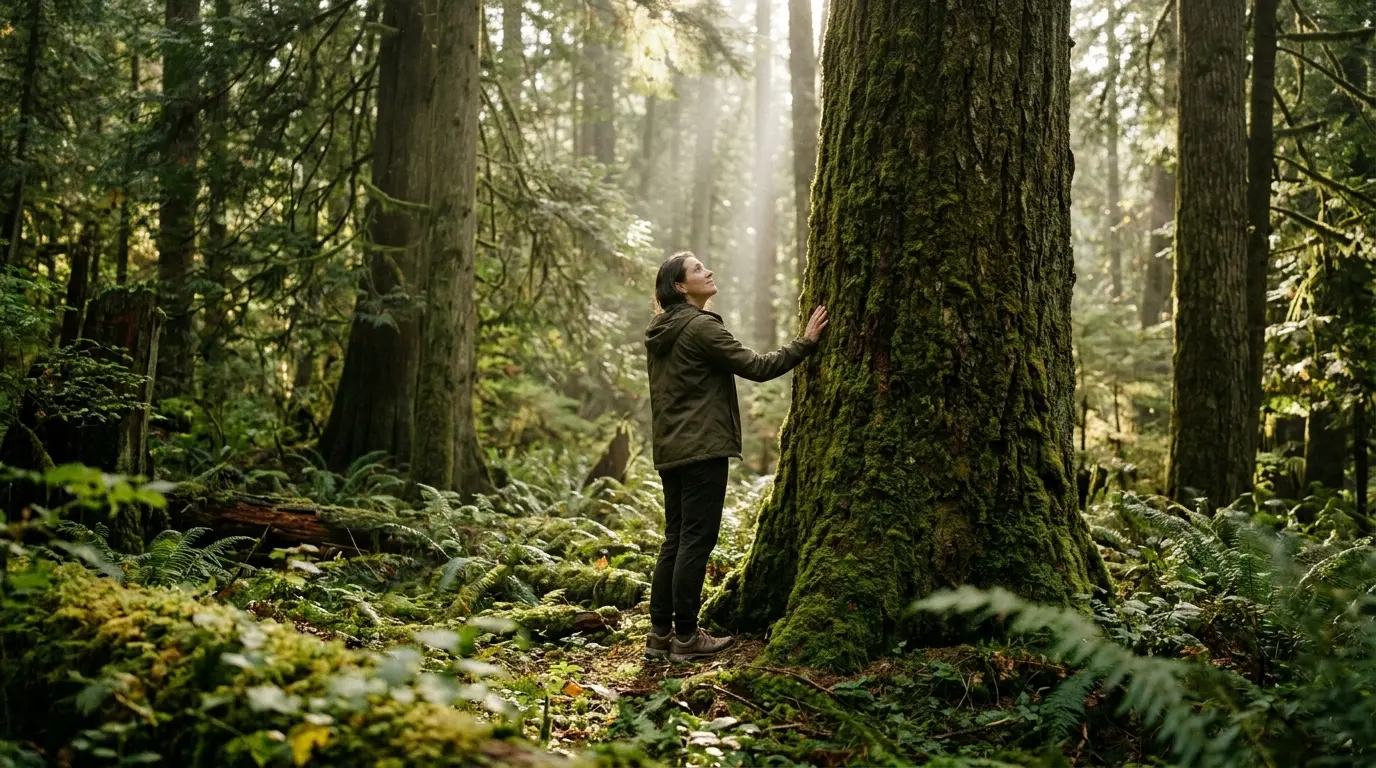
Interest in nature connection has grown steadily as more people look for simple, effective ways to support mental wellbeing, reduce stress, and create more meaningful outdoor experiences. A nature connection program offers a structured approach to this practice. Rather than simply spending time outside, these programs teach intentional ways of engaging with the natural world through the senses, attention, and presence. For many, this is especially relevant when travelling or seeking restorative experiences beyond standard sightseeing.
A good program helps participants understand how nature connection works and gives them practical tools they can continue using on their own. This guide explains the foundations of nature connection, the role of forest bathing, and what to look for when choosing a program.
What Nature Connection Really Means
Nature connection, also called nature connectedness, refers to the sense of relationship a person feels with the natural world. It is different from simply being outdoors. Research shows that the quality of engagement matters more than the amount of time spent outside. Occasional visits to parks or forests provide short-term benefits, while regular, intentional interaction tends to produce longer-lasting improvements in mood, attention, and overall wellbeing.
Researchers have identified several pathways that support this relationship. These include engaging the senses, noticing emotional responses, finding personal meaning in natural places, and understanding the wider ecological context. Activities that encourage people to slow down, observe closely, and interact with their surroundings tend to strengthen connection more effectively than passive exposure alone. This approach works well in both everyday settings and during travel, where people often have the opportunity to spend time in new natural environments.
Understanding Forest Bathing
Forest bathing, known in Japanese as shinrin-yoku, is one of the most widely recognised forms of nature connection practice. It involves slow, intentional immersion in a forest or other natural setting, with attention directed toward the senses rather than physical exercise or information gathering. Participants typically walk at a very slow pace, pause frequently, and respond to gentle invitations from a guide or from the environment itself.
A typical session lasts between one and two hours. It is not a hike, and it does not focus on identifying plants or covering distance. Instead, the emphasis is on presence, sensory awareness, and allowing the natural setting to support calm and attention. Studies have linked regular forest bathing to reductions in stress hormones, improvements in mood, and positive effects on immune markers. Many people also report a stronger sense of belonging and reduced mental fatigue after sessions.
For a clear explanation of how the practice works and what a session involves, see this overview of forest bathing. The approach is accessible to most people and can be adapted for different ages, fitness levels, and settings, including parks, gardens, and woodland areas during travel.
What Makes a Good Nature Connection Program
Not all programs that mention nature or outdoor time deliver the same depth of practice. A well-designed nature connection program usually includes several elements. It is informed by existing research on nature and wellbeing. It provides a clear structure so participants know what to expect. Facilitators have received specific training in guiding sensory and attentional practices rather than general outdoor leadership. The program also emphasises safety, accessibility, and practical tools that people can use independently after the course ends.
Programs exist at different levels. Some are short introductory courses aimed at personal practice. Others train people to guide groups professionally. The introductory level is often the most suitable starting point for individuals who want to deepen their own relationship with nature without committing to full facilitator training. A structured nature connection program typically covers the science behind the practice, core activities, facilitation basics, and simple risk considerations. These elements help participants gain both understanding and confidence.
When evaluating options, it is useful to check whether the program offers clear learning outcomes, includes guided practice, and provides resources that can be applied in real settings. Programs that focus solely on general outdoor activities or recreation may not deliver the same attentional and sensory benefits.
Popular Approaches and Program Styles
Several distinct approaches currently exist in the nature connection and forest therapy field. Short introductory courses focus on personal practice and basic facilitation skills. These are usually delivered online or in short residential formats and require limited time commitment. They suit people who want practical tools for their own wellbeing or for use in education, coaching, or community settings.
Longer pathways train participants to become forest bathing guides or forest therapy practitioners. These programs typically include online modules, practical assignments, supervised walks, and, in some cases, in-person immersions. Certification bodies such as the Association of Nature and Forest Therapy, The Forest Therapy School, and Forest Therapy Hub offer structured routes with different timeframes and requirements. Full practitioner-level training is more intensive and is generally aimed at people who intend to work professionally with groups or in therapeutic contexts.
Self-guided options have also expanded. Certified nature immersion trails allow people to follow a structured sequence of sensory invitations without a live guide. These trails are assessed for safety, biodiversity, and suitability for mindful engagement. They can be useful for travellers who want a clear framework while visiting a new area.
Each style serves a different purpose. Introductory programs provide accessible entry points. Guide training develops facilitation skills. Self-guided trails support independent practice. The most suitable choice depends on whether the goal is personal wellbeing, professional development, or both.
How to Choose the Right Program for You
Selecting a program becomes easier when you clarify your purpose and available time. If your main interest is personal practice and you have limited hours each week, a short introductory course is usually sufficient. These programs often take a few hours to complete and provide activities that can be used immediately in local parks, gardens, or during travel.
People who want to guide others, whether in education, wellness, tourism, or community work, generally need a longer training pathway that includes supervised practice. In this case, it is worth checking the total time commitment, any in-person requirements, and the specific certification offered at the end.
Budget and format also matter. Fully online programs offer flexibility, while in-person components provide direct experience with group facilitation. Most reputable programs clearly state their structure, prerequisites, and what participants receive upon completion. Starting with an introductory level allows you to test the approach before investing in longer training. Consistent personal practice remains more important than any single course for building lasting nature connection.
Simple Ways to Practise Nature Connection
You do not need to complete a full program before beginning to practise. Several simple activities can strengthen connection in everyday life or while travelling:
- Sit quietly in one place for 10–20 minutes and notice sounds, movement, and changes in light without trying to identify everything.
- Walk slowly and deliberately for part of a longer outing, paying attention to temperature, texture, and scent.
- Choose one sense for a few minutes (for example, only listening or only noticing colours) and then return to ordinary awareness.
- Keep a short note of one thing you noticed in nature each day for a week.
- Pause during a journey to observe a single tree, plant, or view without taking a photo immediately.
These practices take little time and can be done in parks, gardens, woodland edges, or even urban green spaces. Regular repetition tends to produce clearer benefits than occasional longer outings.
Conclusion
Nature connection programs provide structured ways to develop a stronger relationship with the natural world. Forest bathing offers one well-documented approach based on slow, sensory engagement. Well-designed programs combine research-informed content with practical activities and clear guidance, making them useful for both personal wellbeing and professional application.
The most suitable program depends on your goals, available time, and whether you want personal tools or facilitation skills. Short introductory courses work well as a starting point, while longer pathways support those who intend to guide others. Regardless of the program chosen, regular, intentional practice remains the foundation. Simple sensory and attentional habits, used consistently, help turn occasional outdoor time into a more reliable source of calm, attention, and connection.