
Uruguay Luxury Travel: The Complete 2026 Planning Guide
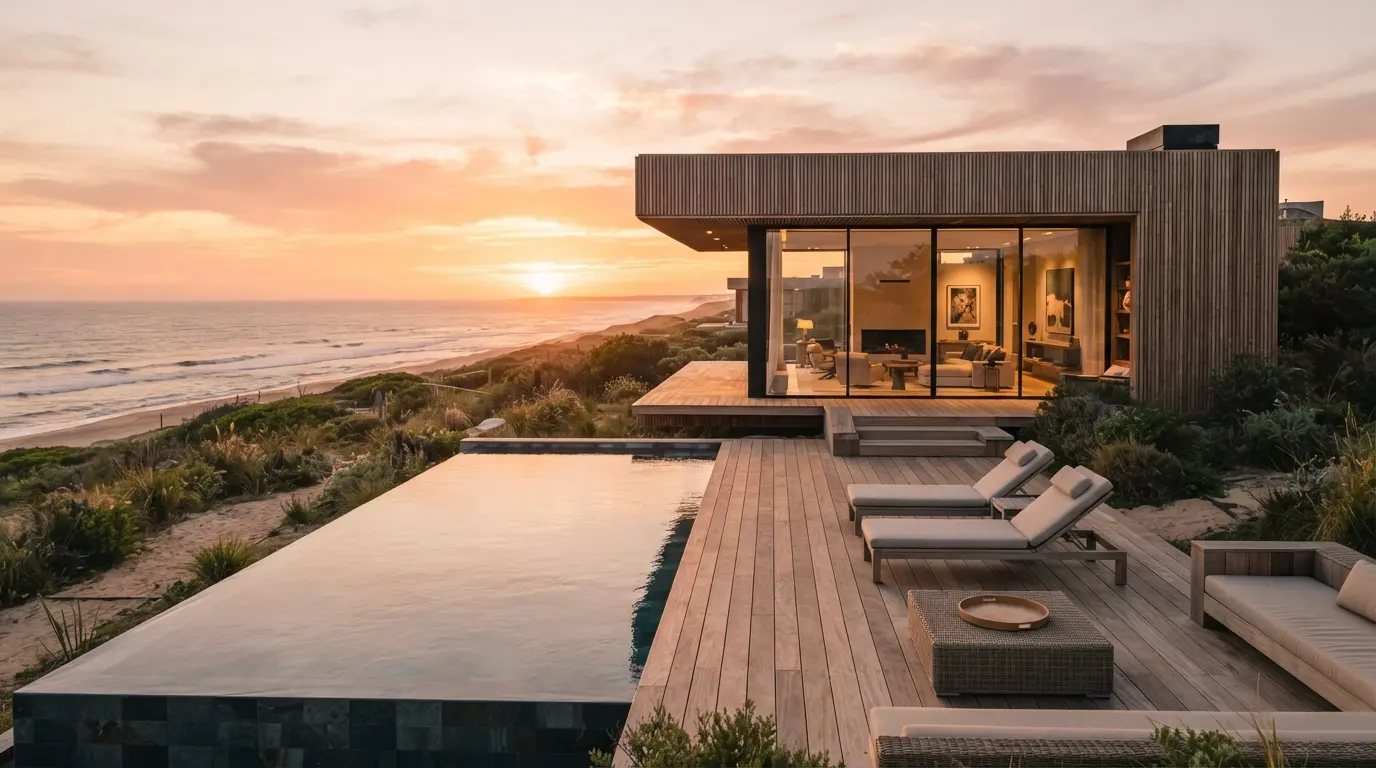
Uruguay luxury travel means colonial cobblestones in Colonia del Sacramento, working vineyards in wine country, and quiet Atlantic beach towns like Jose Ignacio, all wrapped in a slower pace that most South America itineraries skip entirely. Most travelers have never seriously considered Uruguay, and that gap in awareness is exactly why it rewards the ones who do.
Sandwiched between Argentina and Brazil, Uruguay gets described by nearly every travel specialist as a best kept secret. Anthony Bourdain once called it one of the top underappreciated travel destinations on earth. That reputation is well earned, though it does leave first-time visitors with a real question: what does a Uruguay trip actually look like, and how do you plan one without simply booking whatever a sales page suggests.
Is Uruguay worth visiting?
Uruguay is worth visiting for travelers who want intimacy over crowds and atmosphere over checklist sightseeing. There are no towering waterfalls or ancient ruins here, no bucket list mountain peak. What Uruguay offers instead is a genuine sense of place: rolling wine country that locals compare to Tuscany, empty sand dunes along 400 miles of Atlantic coast, and a capital city, Montevideo, that feels more like a laid-back European port town than a typical South American metropolis.
The country is roughly the size of Washington State, which matters practically. Nothing requires an internal flight, and most highlights sit within a few hours of each other by car. That compactness is precisely what lets a week-long trip feel complete rather than rushed.
Is Uruguay safe?
Yes. Uruguay consistently ranks as one of the safest, most politically stable countries in Latin America, with a socially progressive culture and comparatively little economic disparity. Locals describe it as a place where standard city precautions apply, but the pervasive safety worry that sometimes attaches to South American travel doesn’t really hold here. Uruguay’s strong infrastructure and steady democratic tradition since the mid-1980s give it a reputation as an easy entry point for travelers newer to the region.
What is the best time to visit Uruguay?
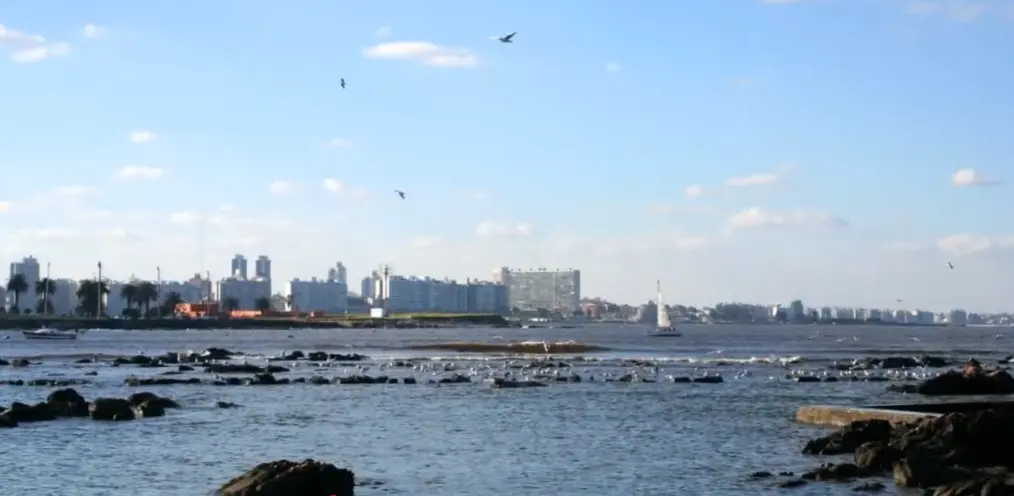
The best time to visit Uruguay for beach weather runs November through March, covering the Southern Hemisphere summer. Within that window, a common mistake first-timers make is booking mid-December through January without realizing this is peak season for regional visitors from Argentina and Brazil, which drives up both crowds and rates in beach towns like Punta del Este. November, February, and March offer a better balance of warm weather and thinner crowds.
February carries an added draw for culture-focused travelers: Montevideo hosts the longest running Carnival celebration in the world, complete with the Carnaval Llamadas Parade celebrating the country’s Afro-Uruguayan heritage through candombe drumming and dance. Outside the summer window, April through October remains a reasonable shoulder season for wine country and city time, just without beach weather.
How do you get to Uruguay from Buenos Aires?
Most North American travelers fly into Buenos Aires first, since Uruguay has no direct flights from the US. From there, a fast ferry crosses the Rio de la Plata to Colonia del Sacramento in roughly an hour, making it entirely feasible to build Uruguay into a broader Argentina itinerary rather than treating it as a standalone destination. Travelers headed straight to the capital can also fly directly into Montevideo, and regional flights connect from Sao Paulo for those combining Uruguay with a Brazil trip.
Booking the ferry a few weeks ahead during peak season is worth doing, since popular crossing times can sell out during the busiest summer weeks.
What is there to see in Colonia del Sacramento?
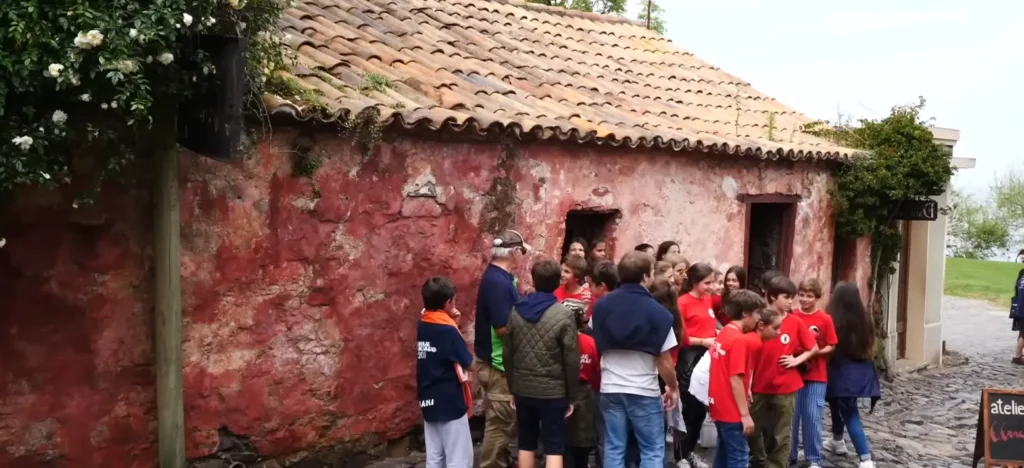
Colonia del Sacramento, a UNESCO World Heritage Site, is where most Uruguay trips begin, and it earns that starting position. The historic quarter’s cobbled streets mix Portuguese and Spanish colonial influences in a way that feels genuinely lived-in rather than restored for tourists. A private guided walking tour through the old town typically pairs naturally with an introduction to mate, Uruguay’s national drink, sipped from a shared gourd through a metal straw called a bombilla.
Most visitors treat Colonia as a one to two night stop before continuing inland to wine country, staying at boutique properties like the Charco Hotel right in the historic center.
Is a stay at a Uruguayan estancia worth it?
Yes, and it’s arguably the most distinctive experience Uruguay offers that no other South American country replicates quite the same way. Estancia Vik, spread across roughly 4,000 acres of countryside near Jose Ignacio, delivers genuine ranch life: horseback riding with working gauchos along the river, polo lessons on a private field, and rooms individually painted by Uruguayan artists rather than styled to a generic luxury template. Sister property Bahia Vik sits just 10 to 15 minutes away on the coast, and pairing both properties lets travelers experience the countryside and the beach without switching regions entirely.
Skip the estancia stay only if beach time is the singular priority. For travelers wanting a fuller sense of Uruguayan life, it’s genuinely worth the extra nights.
What is Uruguay’s wine country like?
Wine country centers on Carmelo and the nearby town of Pueblo Eden, an area locals nickname the Tuscany of Uruguay for its lake-dappled hills and lush countryside. Finca Narbona, a five room lodge amid working vineyards, produces its own grappa, olive oil, cheeses, and yogurts alongside its wine, and its restaurant, housed in a restored building, ranks among the country’s best. Uruguay’s signature grape is Tannat, a bold, structured red that pairs naturally with the asado grilling tradition.
Near Punta del Este, Bodega Garzon represents the modern, award-winning end of Uruguayan wine, a striking contrast to Pueblo Eden’s slower, small-producer feel. Canelones, closer to Montevideo, holds some of the country’s oldest wineries and is worth a stop for travelers building extra time into a city-based itinerary.
Is Jose Ignacio or Punta del Este better for a luxury beach stay?
Jose Ignacio and Punta del Este sit close together geographically but deliver very different experiences. Jose Ignacio, once a quiet fishing village, has become a favorite of the international jet set precisely because it kept its low-key, barefoot character even as luxury properties like Bahia Vik and Playa Vik moved in. Expect wild, uncrowded beaches, an active contemporary art scene, and restaurants that feel more like discovering a friend’s favorite spot than a reservation-only destination.
Punta del Este, often called the Southern Hemisphere’s answer to the French Riviera, brings nightlife, casinos, and a busier, more see-and-be-seen energy, especially during the December and January peak.
| Destination | Best for |
| Jose Ignacio | Quiet luxury, art scene, uncrowded beaches |
| Punta del Este | Nightlife, casinos, social scene |
What food and drink should you try in Uruguay?
Uruguay’s food identity centers on beef, and asado, slow-grilled meat cooked over an open fire, remains the country’s defining culinary ritual, best paired with a glass of Tannat. Montevideo’s Mercado del Puerto houses some of the country’s most celebrated steakhouses inside a converted 19th century market building. Beyond asado, the chivito, an oversized sandwich piled with steak, ham, cheese, egg, and vegetables, is a genuine local institution worth trying at least once from a neighborhood chiviteria rather than a hotel restaurant.
And then there’s mate. More than a drink, it’s a daily social ritual, shared from hand to hand along the rambla in Montevideo or on a countryside veranda, and most itineraries build in a proper tasting early on rather than leaving it as an afterthought.
What is Montevideo like for a luxury city stay?
Montevideo sits directly on the Rio de la Plata, a river wide enough to look like open ocean, and the city’s rambla waterfront promenade invites the kind of slow strolling and café people-watching that defines Uruguayan pace. Ciudad Vieja, the old city, carries Parisian-inspired architecture alongside South America’s oldest theater, and boutique hotels like Alma Historica put travelers within easy walking distance of both. Nightlife runs surprisingly late for such a laid-back city, with bars and clubs staying open until 6 or 7am, though most locals don’t head out until 11pm.
February visitors get an added bonus: the Carnaval Llamadas Parade, the centerpiece of the world’s longest Carnival celebration, filling the streets with candombe drumming rooted in Uruguay’s Afro-Uruguayan heritage.
How much does Uruguay luxury travel cost?
Published prices for Uruguay luxury trips span a wide range, and understanding why matters before comparing quotes. A compact 7 day itinerary through wine country and one beach stay runs from around $3,600 per person. Fuller 9 to 11 day trips covering Colonia, wine country, Montevideo, and an extended beach stay typically run $5,500 to $8,700 per person. Fully bespoke 13 night journeys with the most exclusive estancia access and private guiding throughout can reach $11,600 per person.
What separates these tiers is mostly trip length, property tier, and how much of the trip uses a dedicated private guide versus shared logistics. Peak season travel in December and January also pushes rates higher across every tier, since demand from regional visitors drives up both hotel rates and property availability.
| Trip style | Typical price per person |
| Compact 7 day itinerary | From $3,600 |
| Fuller 9 to 11 day trip | $5,500 to $8,700 |
| Fully bespoke 13 night journey | Up to $11,600 |
How many days do you need in Uruguay?
Seven days comfortably covers Colonia del Sacramento, two to three nights in wine country, and a beach stay in Jose Ignacio or Punta del Este without feeling rushed, since Uruguay’s compact size keeps travel times short between regions. Nine to thirteen days allows a fuller pace, adding real time in Montevideo and an extended countryside or estancia stay, ideal for travelers pairing Uruguay with a longer Argentina or Brazil trip.
| Trip length | What it covers |
| 7 days | Colonia, wine country, one beach stay |
| 9 to 11 days | Above plus Montevideo, more wine country time |
| 13 nights | Full circuit with extended estancia and beach stays |
Conclusion
Uruguay luxury travel rewards travelers willing to slow down, trading bucket list landmarks for wine country afternoons, estancia horseback rides, and beach towns that never quite tipped into overdevelopment. Book outside the mid-December to January crowd surge if possible, budget realistically for the trip length and property tier you actually want, and treat the ferry from Buenos Aires as an easy on-ramp rather than a hassle. Do that, and Uruguay stops being South America’s best kept secret and starts being exactly the trip it always deserved to be.
FAQs
Is Uruguay worth visiting?
Yes, for travelers wanting intimacy, wine country, and quiet beaches over the busier bucket list stops of Argentina or Brazil.
Is Uruguay safe?
Yes, it consistently ranks among Latin America’s safest and most politically stable countries.
What is Uruguay known for?
Its beef and asado culture, Tannat wine, colonial Colonia del Sacramento, and beach towns like Jose Ignacio and Punta del Este.
How many days do you need in Uruguay?
Seven days for the highlights, nine to thirteen for a fuller, unhurried trip.
What is the best time to visit Uruguay?
November through March for beaches, with November, February, and March avoiding the busiest mid-December to January crowds.
How do you get to Uruguay from Buenos Aires?
A roughly one hour fast ferry to Colonia del Sacramento, or a direct flight into Montevideo.
Is Uruguay expensive?
Prices vary widely by trip length and property tier, from around $3,600 to over $11,600 per person for multi-night itineraries.
What is an estancia?
A traditional Uruguayan countryside ranch offering horseback riding, polo, and rural hospitality, exemplified by properties like Estancia Vik.
Is Jose Ignacio or Punta del Este better?
Jose Ignacio suits quiet, art-filled luxury, while Punta del Este delivers nightlife and a busier social scene.
How do you combine Uruguay with Argentina?
Via the fast ferry between Buenos Aires and Colonia del Sacramento, easily built into a longer regional itinerary.
What is the best wine region in Uruguay?
Carmelo and Pueblo Eden for boutique, small-producer Tannat, and Garzon near Punta del Este for modern, award-winning wineries.
Do you need a visa for Uruguay?
Most US and European travelers do not need a visa for short tourist stays, though requirements should be confirmed before travel.


