14 Day New Zealand Itinerary – Day-by-Day Plan
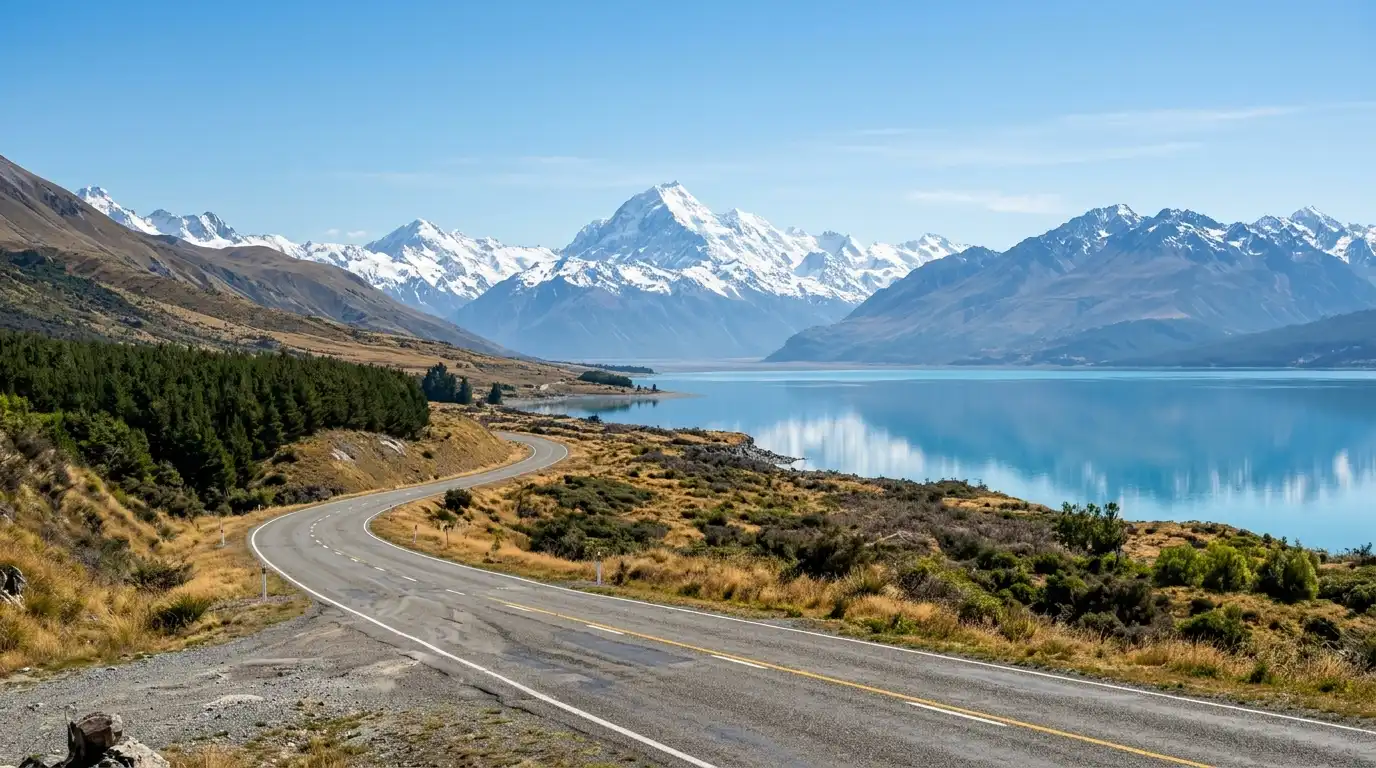
A 14 day New Zealand itinerary covers both islands with stops in Auckland, Rotorua, Wellington, Christchurch, Lake Tekapo, Queenstown and Milford Sound. Travelers fly into Auckland, cross the Cook Strait by ferry or plane, and finish in Queenstown. The route mixes cities, geothermal areas, mountains and fjords in two weeks.
North Island Highlights in the First Week
Start in Auckland. Visit the Sky Tower, Auckland Museum and Viaduct Harbour on day one. On day two take a ferry to Waiheke Island for wine tasting or explore the city markets. The next day drive to Waitomo for glowworm caves, then continue to Rotorua. Rotorua offers geothermal parks, Maori culture shows and hot springs. Spend two nights there before heading to Wellington. Wellington has Te Papa museum, the cable car and a lively waterfront. From Wellington take the Interislander ferry to Picton on the South Island. The crossing takes about three hours.
The drive from Auckland to Rotorua takes roughly two and a half hours via Waitomo. From Rotorua to Wellington is about five hours. Book the ferry in advance because it fills up in peak season. Many visitors pair the North Island portion with a visit to rotorua must do spots such as Wai-O-Tapu and Hobbiton.
South Island Route from Picton to Queenstown
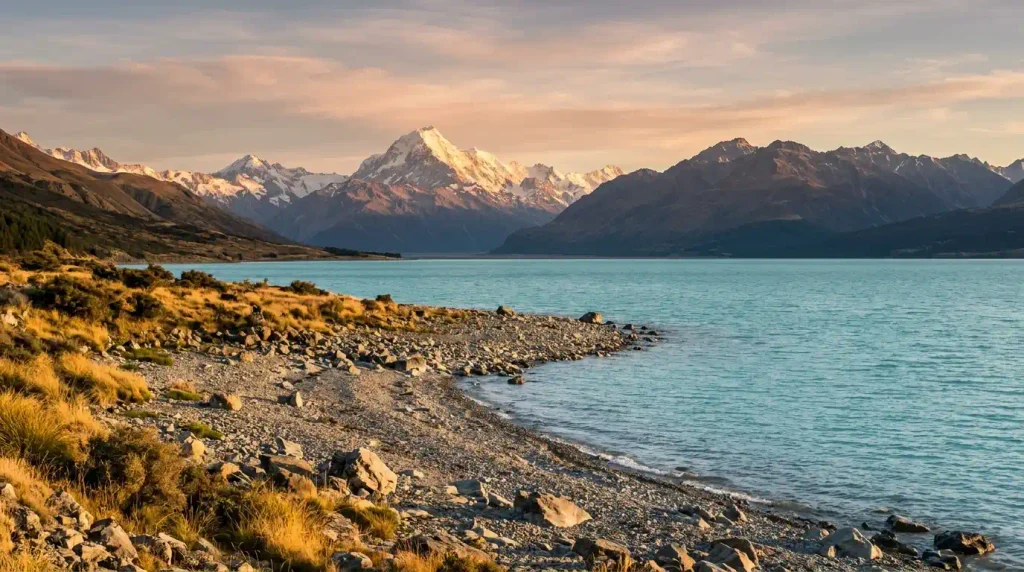
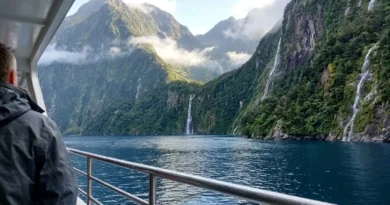
After the ferry, drive south through Kaikoura for a possible whale watch stop, then to Christchurch. From Christchurch head inland to Lake Tekapo for stargazing and views of Aoraki Mount Cook. Continue to Queenstown, the adventure capital. Spend two or three nights in Queenstown for bungy, jet boats or a day trip to Milford Sound. Milford Sound sits in Fiordland National Park and is best seen by cruise or scenic flight. The full South Island stretch from Picton to Queenstown covers scenic highways with frequent photo stops.
Distances add up. Lake Tekapo to Queenstown is about three hours. Queenstown to Milford Sound is a long day trip of four hours each way, so an overnight in Te Anau helps. For more ideas on the southern half see the south island itinerary that many travelers follow after the ferry crossing.
Day-by-Day Breakdown
Day 1: Arrive Auckland, recover and explore the waterfront. Day 2: Auckland icons or Waiheke. Day 3: Drive to Waitomo glowworm caves then Rotorua. Day 4: Rotorua geothermal and culture. Day 5: Rotorua to Wellington. Day 6: Wellington then ferry to Picton. Day 7: Picton to Christchurch area. Day 8: Christchurch to Lake Tekapo. Day 9: Tekapo and Mount Cook views. Day 10: Drive to Queenstown. Day 11: Queenstown adventures. Day 12: Milford Sound day trip. Day 13: Extra Queenstown or Wanaka. Day 14: Depart from Queenstown.
This pacing keeps most driving under four hours except the longer legs. Public transport works but a rental car gives more flexibility on the South Island. Compare this with a shorter new zealand north island itinerary if time is limited.
Transport and Practical Tips
Most visitors rent a car for the whole trip or pick up one on each island. One-way rentals between Auckland and Queenstown are common. The Cook Strait ferry connects Wellington and Picton. Flights between islands are an alternative that saves a day. Roads are good but winding, so allow extra time. Book Milford Sound cruises and Hobbiton tours ahead. Peak season runs December to February when prices rise and campsites fill.
Currency is the New Zealand dollar. Entry is visa-free for many nationalities for up to 90 days. Download offline maps because coverage drops in remote areas. For broader trip planning check trip to new zealand resources that outline costs and seasons.
Where to Stay on the Route
Auckland has hotels near the harbour and Sky Tower. Rotorua offers lakeside lodges and thermal resorts. Wellington has central hotels close to the ferry terminal. On the South Island, Lake Tekapo has dark-sky accommodation, while Queenstown has everything from hostels to luxury lodges. Book early for summer. Self-contained campervans are popular for flexibility.
Queenstown serves as a base for many, and must do queenstown activities include the gondola and lake cruises. Wellington stays work well near the waterfront for easy ferry access.
Food and Costs Along the Way
New Zealand food includes lamb, seafood, pavlova and flat whites. Rotorua has hangi dinners. Queenstown has a wide range of restaurants. Mid-range meals cost NZD 25-40 per person. A two-week trip with car, mid-range stays and activities often totals NZD 4,000-7,000 per person excluding flights, depending on season and style. Fuel, ferries and activity tickets add up.
Local produce and farmers markets keep costs down. Many travelers combine this itinerary with a new zealand adventure itinerary that adds hiking or biking days.
Best Time to Follow This Itinerary
Summer (December to February) brings long days and warm weather but higher prices and crowds. Shoulder seasons of March-April and September-November offer fewer people and good conditions for hiking. Winter (June-August) suits ski areas near Queenstown but some roads and tracks close. Check weather because the South Island can see rain and wind any time.
For seasonal ideas around other spots see best places to visit in october which sometimes includes New Zealand shoulder-season tips.
Comparison of 14-Day Options
| Option | Focus | Transport | Pace |
|---|---|---|---|
| Both islands classic | Cities + nature | Car + ferry | Moderate |
| South Island only | Mountains + fjords | Car | Relaxed |
| North Island only | Culture + geothermal | Car or bus | Moderate |
The classic both-islands route gives the widest variety in 14 days. Adding extra nights in one place lets you slow down without missing major highlights.
FAQs
14 Day New Zealand Itinerary – Day-by-Day Plan
The plan starts in Auckland, moves through Rotorua and Wellington, crosses to the South Island, then covers Lake Tekapo, Queenstown and Milford Sound before departure from Queenstown. It balances driving with sightseeing over two weeks.
How long is the ferry from Wellington to Picton?
The Interislander ferry takes about three hours. Book ahead in summer. Flights are an alternative that saves time but costs more.
Is a rental car necessary?
A car is recommended for flexibility, especially on the South Island. Public buses connect major towns but take longer and limit side trips.
What is the best month for this itinerary?
March and April or September and October offer good weather with fewer crowds than December to February. Summer has the longest days.
How much does a 14-day trip cost?
Mid-range travelers often spend NZD 4,000 to 7,000 per person excluding international flights. Costs vary with accommodation style and activities booked.
Can you see both islands in 14 days?
Yes. The classic route covers highlights of both without rushing. Focus on one island if you prefer a slower pace or more hiking.
Where do most people fly in and out?
Most fly into Auckland and out of Queenstown. Open-jaw tickets are common. One-way car rentals are available between the airports.
Do I need to book Milford Sound in advance?
Yes. Cruises and coach tours fill up, especially in summer. An overnight in Te Anau makes the long drive easier.
Is Hobbiton worth adding?
Many add Hobbiton near Rotorua or Matamata. It requires a guided tour and advance booking. It fits easily on the North Island section.
What should I pack for New Zealand?
Layers, rain jacket, comfortable walking shoes and sun protection. Weather changes quickly. A swimsuit is useful for hot springs.
Are there any road closures to watch for?
Check for temporary closures after heavy rain or snow, especially on the South Island. Most main highways stay open year-round.
Can first-timers handle this route?
Yes. The route uses main highways and well-known stops. Driving is on the left. Allow extra time and take breaks on longer days.