
Buenos Aires Must See: The Complete 3-Day Guide to the City
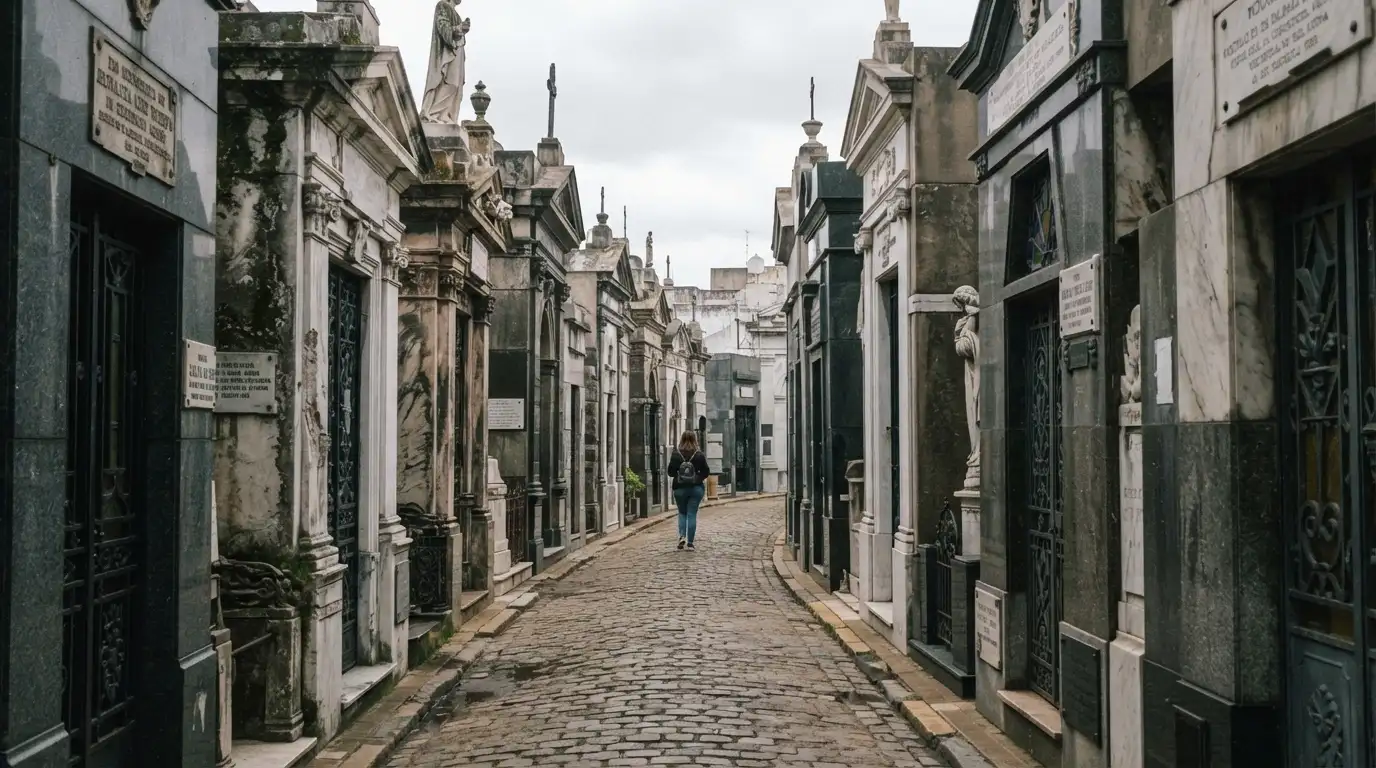
Buenos Aires must see attractions include Recoleta Cemetery, MALBA, and the San Telmo Market. With European-inspired architecture sitting beside genuinely lively Latin American energy, first timers consistently underestimate how much this city packs into a short stay, and how many decisions come down to timing dinner reservations right and picking the correct neighborhood at the correct hour.
Is Buenos Aires Safe?
Generally yes, and the city is genuinely walkable enough that a guided tour isn’t strictly necessary, though most travelers find real value in one anyway. Buenos Aires has a complex urban geography where wealthy neighborhoods often sit directly beside less affluent ones, and a guided city tour, typically starting around 10:30 or 11am, helps first timers orient themselves while picking up genuine safety tips and local knowledge along the way. Solo travelers specifically benefit from this kind of introduction, since it removes the guesswork of figuring out which blocks to avoid. Standard city precautions apply throughout, and carrying cash for small purchases, since not every stall or corner shop accepts cards, is a genuinely practical habit to build early in the trip.
What Is There to See at Recoleta Cemetery?
Recoleta Cemetery ranks as one of the most essential must see Buenos Aires stops, and it functions less like a typical burial ground and more like an open-air museum of Argentine history and architecture. Elaborate mausoleums line narrow pathways, and several notable figures rest here, including Eva Perón, the iconic political figure and national hero known as Evita, legendary tango singer Carlos Gardel, and influential former president Julio Argentino Roca. A guided tour genuinely matters here, since the cemetery’s architectural details and the stories behind its most famous residents aren’t obvious from a self-guided wander, and most tours build in a midpoint coffee and snack break, turning what could be a somber visit into a genuinely engaging couple of hours.
What Is the Difference Between MALBA and Museo Nacional de Bellas Artes?
Both museums reward a visit, but they cover genuinely different ground. Museo Nacional de Bellas Artes holds an extensive collection of Argentine and international art spanning multiple centuries, with a particularly strong selection of Argentine modernist works, making it the better choice for travelers wanting a broad historical sweep. MALBA, the Museo de Arte Latinoamericano de Buenos Aires, focuses specifically on 20th century Latin American art and holds an internationally recognized collection featuring artists including Frida Kahlo and Diego Rivera, making it the stronger pick for travelers specifically interested in modern Latin American movements. Given how close both sit to the Recoleta area, pairing them into the same day, alongside a stop at nearby Tres de Febrero Park’s Japanese Garden and Rose Garden, makes for a genuinely full but manageable culture-focused day.
Is San Telmo Market Worth Visiting?
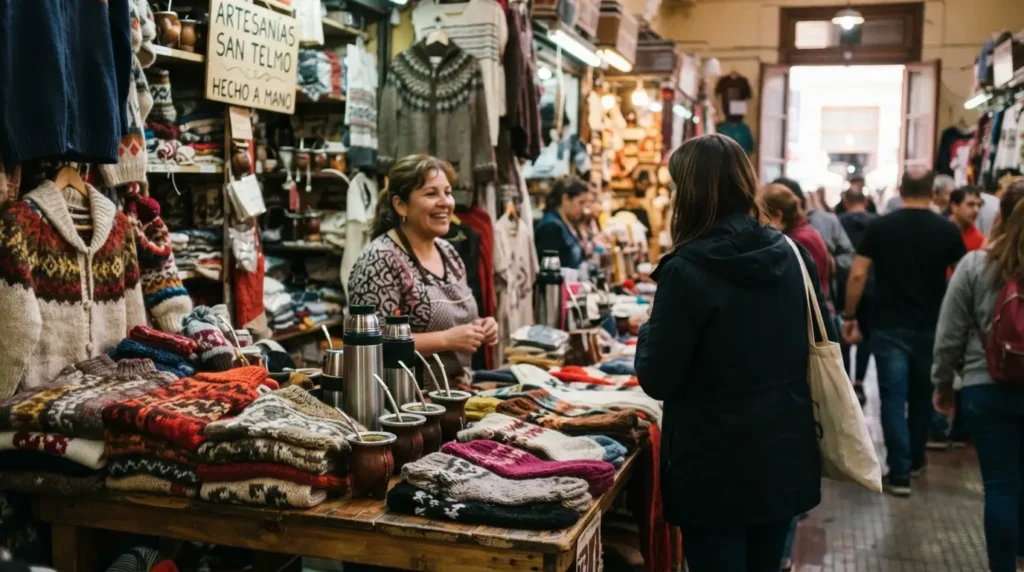
Yes, and it’s genuinely one of the most atmospheric must see Buenos Aires experiences. San Telmo itself traces back to the 19th century, once home to the city’s elite before a yellow fever epidemic in 1871 forced wealthy residents to flee, transforming the neighborhood into a melting pot of Italian and Spanish immigrant culture that still defines its character today. The market itself fills with artisan stalls selling hand-knitted goods, traditional mate cups and straws, and jewelry featuring local precious stones, alongside spontaneous tango demonstrations and street musicians. Look out for street art featuring Mafalda, Argentina’s famous cartoon character, scattered throughout the neighborhood, and grabbing a choripan, a classic Argentine sandwich, from one of the market’s food stalls rounds out a genuinely local afternoon.
Is La Boca Safe to Visit?
Yes, with real caveats worth knowing before you go. La Boca’s main tourist street, lined with brightly painted buildings, draws heavy crowds and can feel genuinely overcrowded, but it’s the surrounding, less affluent neighborhoods beyond that main strip where extra caution matters. The honest recommendation from travelers who know the area well is to view La Boca primarily from a taxi rather than walking too far off the main tourist path, and arranging transport in and out rather than wandering independently genuinely reduces risk. Despite this caution, La Boca remains worth the visit purely for its colorful, photogenic streets and its role as the birthplace of tango.
Where Can You See Authentic Tango in Buenos Aires?
| Tango Experience | Authenticity | Best For |
| Commercialized tango show | Low, often staged | Travelers wanting a quick, easy overview |
| Tango lessons | High | Understanding the dance’s cultural significance |
| Small venue performance | High | Watching skilled dancers in an intimate setting |
| Milonga | Highest | Confident dancers wanting to join a local dance floor |
A common mistake first timers make is booking a highly commercialized tango show expecting an authentic cultural experience, when these performances often feel staged and lack the genuine spirit of the dance. Taking tango lessons instead offers one of the best ways to actually understand the dance’s cultural significance, learning directly from local professionals in a genuinely intimate setting. For travelers who’d rather watch than dance, seeking out small venues featuring professional dancers focused on artistry over spectacle delivers a far more authentic experience than a tourist-oriented dinner show. Confident dancers should consider joining a milonga, a local dance hall where authentic tango genuinely happens, immersing themselves directly in the culture rather than observing from the sidelines.
What Is the Best Steakhouse in Buenos Aires?
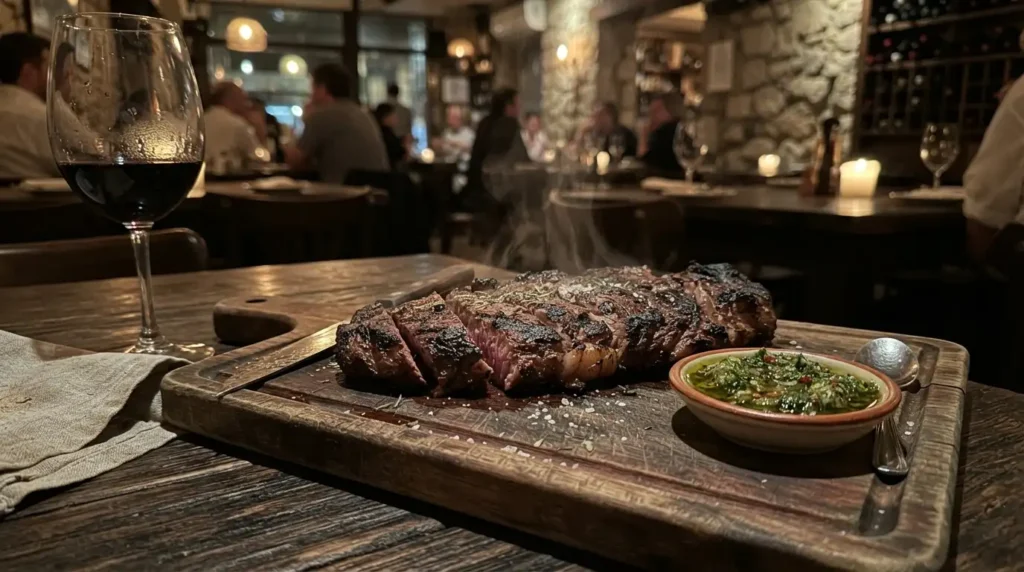
Don Julio consistently earns the strongest recommendation as the ultimate Argentine dining experience, known for perfectly cooked, melt-in-your-mouth steak served with traditional sides and a spiced chimichurri sauce, with the dulce de leche, vanilla, or plum sorbet rounding out the meal as genuinely worthwhile desserts. Reservations here are highly recommended given the restaurant’s reputation, and both an intimate indoor dining room and festive outdoor seating are typically available. El Preferido, a sister restaurant to Don Julio, offers a slightly different but equally worthwhile experience, with Milanesa de Chorizo, a breaded and thinly pounded beef steak, standing out as the must-try dish. Travelers choosing between the two should pick Don Julio for the definitive steak experience and El Preferido for a more casual, neighborhood feel with its own standout signature dish.
What Should You Eat for Breakfast in Buenos Aires?
Argentine breakfast culture leans sweet and simple, with medialunas, a glazed, sweeter version of a European croissant, appearing on nearly every café menu across the city. Bolas de fraile, a decadent doughnut often filled with dulce de leche, round out the classic morning spread for anyone wanting something more indulgent. For travelers preferring convenience over exploring local cafes, most hotels offer a straightforward breakfast alternative, though seeking out a proper local café for medialunas and coffee genuinely captures more of the city’s everyday rhythm.
Tigre or Colonia del Sacramento: Which Day Trip Should You Choose?
| Day Trip | Distance/Time | Best For |
| Tigre | 35 kilometers, short drive | River delta scenery, boat tours, relaxed nature escape |
| Colonia del Sacramento | 1-hour ferry | Colonial architecture, UNESCO history, international detour |
Tigre, located just 35 kilometers from Buenos Aires, offers a genuine escape from urban life, with a picturesque river delta region ideal for boat tours, exploring small island communities, and simply relaxing surrounded by natural scenery. Colonia del Sacramento, reachable via a roughly 1-hour ferry across the water into Uruguay, delivers a completely different kind of day out, a UNESCO World Heritage Site with charming colonial architecture, cobblestone streets, and a historic lighthouse. Travelers wanting a quieter, nature-focused day should choose Tigre, while those wanting the novelty of a quick international detour with genuine historical depth should choose Colonia del Sacramento instead. Travelers with more time can also consider an estancia experience at La Bamba de Areco in San Antonio de Areco, a traditional gaucho town offering horseback riding and an immersive look at Argentina’s rural, equestrian heritage.
What Is a 3 Day Buenos Aires Itinerary?
| Day | Focus |
| Day 1 | City orientation tour, lunch in the center, Fogon Asado dinner in Palermo |
| Day 2 | Recoleta Cemetery, MALBA or Museo Nacional de Bellas Artes, Palermo Hollywood, El Preferido dinner |
| Day 3 | San Telmo Market, La Boca, Colón Theater tour, Don Julio farewell dinner |
Day one works best as a gentle orientation, starting with either an early hotel check-in or a small group walking or e-bike tour of the city center, followed by lunch at a spot like Guerrin Pizzeria, a Buenos Aires institution known for traditional Argentine-style pizza, before an evening asado experience in Palermo. Day two shifts toward architecture and culture, pairing a guided Recoleta and Retiro walking tour with a stop at either MALBA or Museo Nacional de Bellas Artes, then an afternoon wandering Palermo Hollywood’s boutique shops and cafes before dinner. Day three closes the trip with San Telmo’s market and history, a cautious visit to La Boca, and a behind-the-scenes tour of the Colón Theater for anyone interested in opera and performance history, before a final dinner reservation to close out the trip.
Final Thoughts
Checking off the real buenos aires must see list comes down to balancing the city’s grand architecture and museums against its genuinely late, indulgent dining culture. Book Don Julio or Fogon Asado reservations well ahead of your trip, view La Boca cautiously from a taxi rather than wandering its edges, and skip the touristy tango shows in favor of a lesson or a small local venue. Whether it’s a steak with chimichurri at Don Julio or a quiet afternoon in Recoleta Cemetery, the best buenos aires must see experiences reward travelers who plan around the city’s rhythm rather than rushing through it.
FAQs
How many days do you need in Buenos Aires?
Three days covers the essential must see Buenos Aires neighborhoods, museums, and at least one steakhouse dinner comfortably, though travelers wanting to add a day trip to Tigre or Colonia del Sacramento should budget four or more.
What time do people eat dinner in Buenos Aires?
Argentine dining culture runs genuinely late by international standards, so booking a dinner reservation and expecting to eat well after typical Western dinner hours is worth planning around, especially for popular steakhouses like Don Julio.
Is Colón Theater worth visiting?
Yes, particularly for theater and opera enthusiasts, since the behind-the-scenes tour offers an extraordinary look at one of the world’s most prestigious opera houses, including opera set designs, costume exhibitions, and historical production displays.
What is an estancia experience near Buenos Aires?
An estancia experience is an Argentine countryside stay centered around gaucho, or cowboy, culture, typically including horseback riding and insight into traditional horse breeding and rural skills, with San Antonio de Areco serving as one of the most traditional gaucho towns near the city.


