
Must Do Rome: The Complete Guide to Top Attractions, Food, and Nightlife
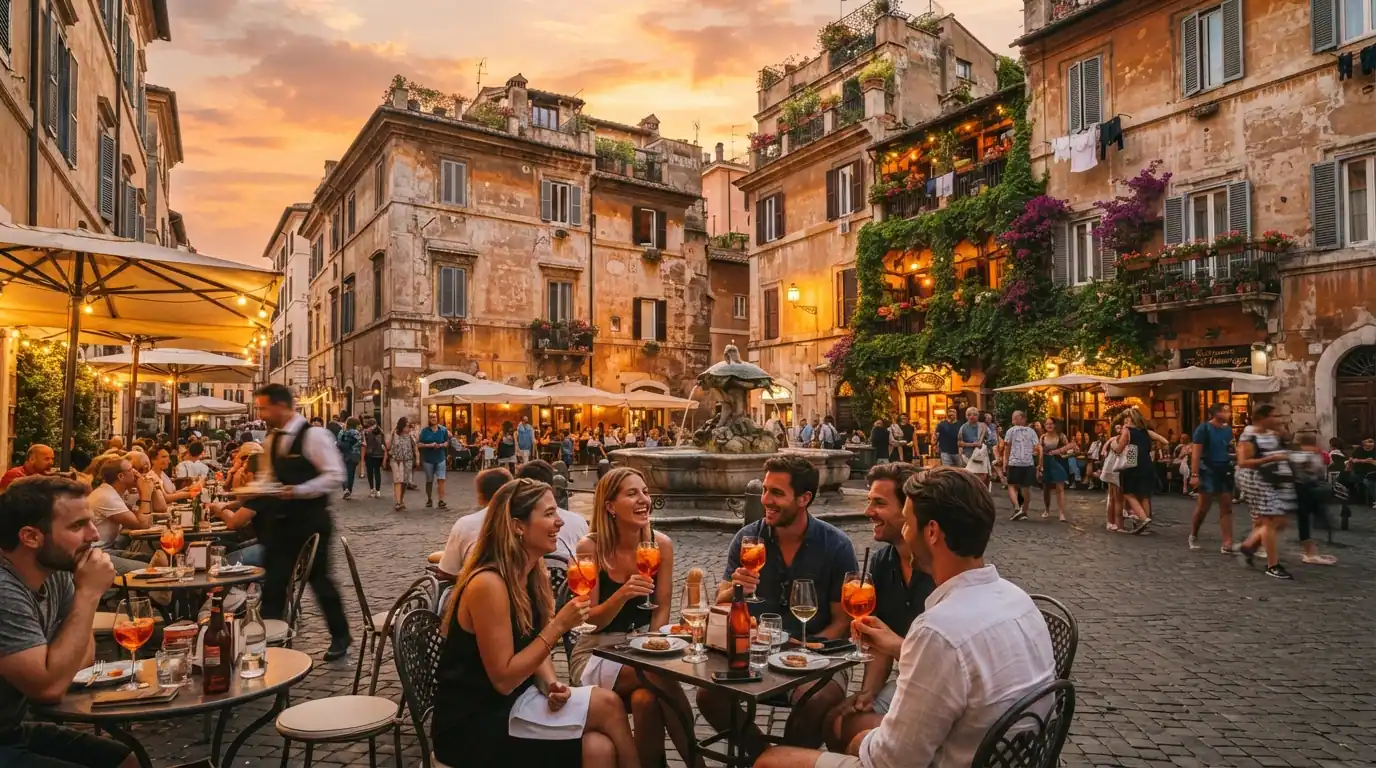
Must do Rome experiences include the Colosseum and Roman Forum, the Trevi Fountain, the Pantheon, and an evening aperitivo in a piazza that’s barely changed in centuries. With ancient ruins sitting a five minute walk from a bustling wine bar, the real challenge for most first timers isn’t finding things to do in Rome, it’s pacing yourself between history and just enjoying the city the way locals actually do.
Is the Colosseum and Roman Forum Worth Visiting?
Yes, and it’s about as classic a Rome must do as exists, though it deserves a realistic time budget. Walking through the amphitheater and past the Arch of Trajan and Arch of Constantine into the Roman Forum genuinely delivers the scale of ancient Rome in a way photos never fully capture. The honest downside is that a full visit isn’t for everyone, especially travelers short on time, since properly seeing both sites comfortably takes half a day rather than a rushed hour. Locals recommend exiting toward the Campidoglio side rather than backtracking, since that route rewards you with sweeping statue-lined views straight down over the Forum.
How Do You Avoid Crowds at the Trevi Fountain and Pantheon?
Go early, before the tour groups arrive. The Trevi Fountain draws enormous crowds throughout the day, and while it looks genuinely stunning lit up at night, getting there right at sunrise is the only reliable way to have the space mostly to yourself for photos. The Pantheon works the same way, and it’s free to enter regardless of when you go, which makes an early visit even more worth the effort since there’s no ticket line to fight either. A common mistake first timers make is saving the Pantheon and Trevi Fountain for a leisurely afternoon walk, when an early morning visit before breakfast delivers a completely different, quieter experience of both. Grabbing an Aperol Spritz afterward in the piazza outside the Pantheon, running around $10, makes for a fitting reward once the crowds do arrive.
How Far in Advance Should You Book the Borghese Gallery?
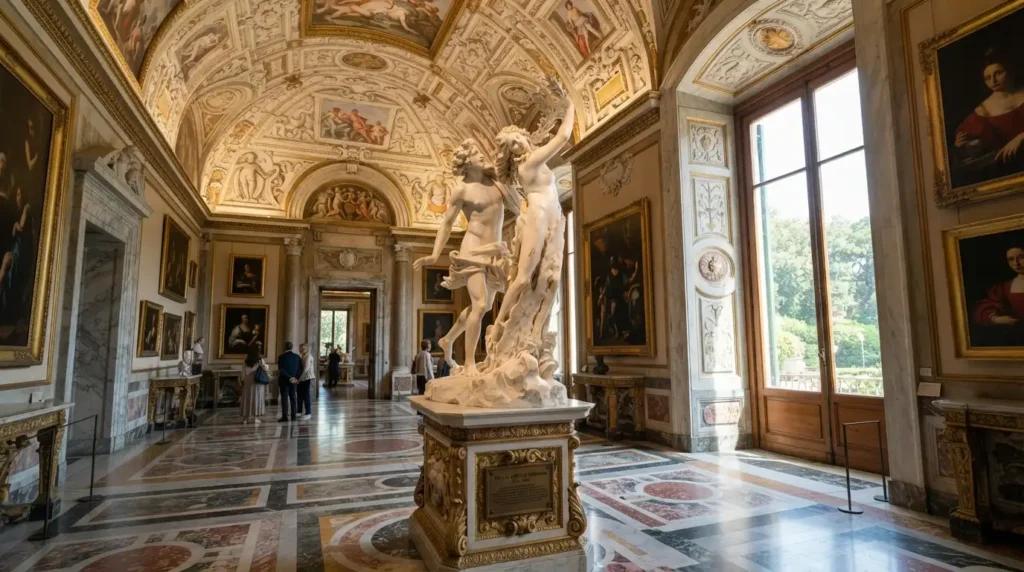
As early as you possibly can. The Borghese Museums and Gardens require a timed reservation to enter, and walk-up access simply isn’t an option, so booking as soon as your Rome dates are confirmed genuinely matters here. Inside, Bernini’s dramatic statues and Caravaggio’s paintings deliver one of the most rewarding smaller museum experiences in the city, precisely because the timed entry system keeps crowds manageable compared to some of Rome’s larger, more chaotic attractions. Waiting until a few days before your trip to book risks missing out entirely, especially during peak spring and summer travel months.
What Is Aperitivo in Rome?
Aperitivo is the pre-dinner ritual of a drink paired with a light snack, meant to open up your appetite before a longer, multi-course Roman dinner, and it’s genuinely one of the most enjoyable must do Rome experiences for understanding how locals actually socialize.
| Aperitivo Spot | Vibe | Budget |
| Bar del Fico | Classic, lively piazza scene | Mid-range |
| Gran Caffè la Caffettiera | View of the Temple of Hadrian, hearty snacks | Mid-range |
| Da Simo Pane e Vino | Casual, no-frills | Budget-friendly |
| Terrazza Borromini | Rooftop, sunset over Piazza Navona | Splurge |
The classic order is an Aperol Spritz, made from prosecco and the slightly bitter orange liqueur Aperol, though wandering into any of Rome’s countless wine bars for a simple glass of local wine works just as well. Budget travelers should head somewhere like Da Simo Pane e Vino, while anyone wanting a proper view with their drink should splurge on a rooftop spot like Terrazza Borromini, overlooking Piazza Navona as the sun goes down.
What Is the Best Gelato in Rome?
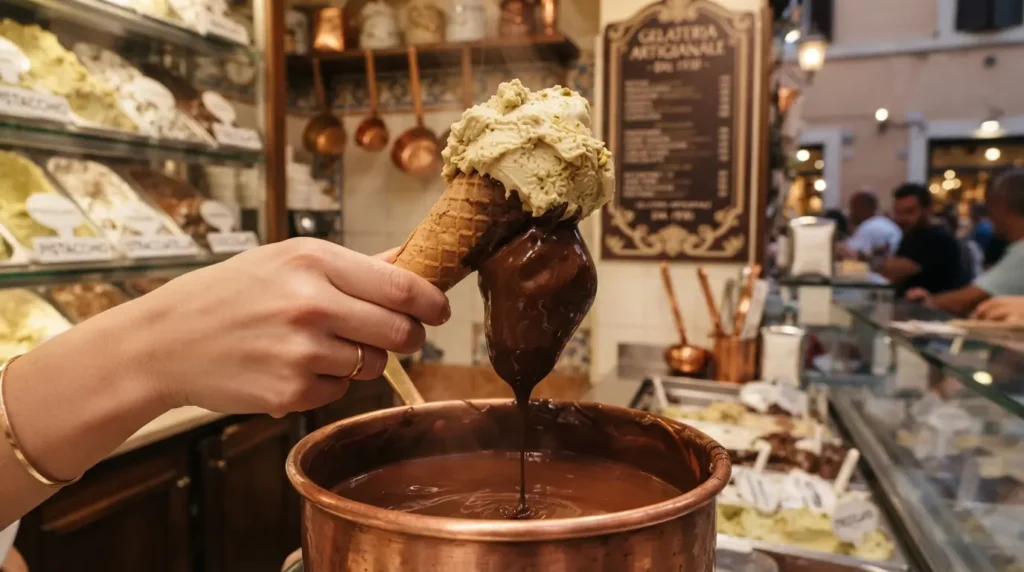
Gelato is non-negotiable on any Rome must do list, and the difference between a genuinely great scoop and an average tourist-trap one is bigger than most first timers expect. Look for gelaterias offering the chocolate-dip finish, where a scoop gets dipped into melted chocolate that hardens into a shell, a distinctly Italian style touch worth seeking out specifically. Skip anywhere with unnaturally bright, piled-high displays near major landmarks, since these visual tricks are almost always a sign of lower quality, artificially colored gelato aimed squarely at tourists rather than flavor.
What Is There to Do in Rome at Night?
| Nighttime Activity | Best For |
| Vatican Museums at Night | Summer visitors, quieter crowds |
| Ponte Sant’Angelo sunset | Views of St. Peter’s Basilica |
| Rooftop bar (Terrazza Borromini) | Cocktails with a view |
| Campo di Fiori after dark | Lively, casual street scene |
During summer months, the Vatican Museums open for special night visits, letting travelers walk through the Sistine Chapel and other galleries in a noticeably quieter atmosphere than the packed daytime crowds, sometimes paired with a happy hour in the lit-up Vatican Gardens for a few extra euros over standard ticket pricing. Ponte Sant’Angelo consistently ranks as the best spot to watch the sun set behind St. Peter’s Basilica, with Castel Sant’Angelo anchoring the far end of the bridge for a genuine two-for-one photo opportunity. Campo di Fiori, a bustling fruit and vegetable market by day, transforms after dark into a lively spot where locals and visitors sit on the steps around the central statue drinking wine straight from the bottle.
What Is the Aventine Keyhole?
Tucked just past the orange-tree-filled Giardino degli Aranci, the Aventine Keyhole is a famous peephole set into large green doors, framing a perfectly aligned view of St. Peter’s Basilica dome through a garden hedge tunnel. Reputation around this spot varies wildly depending on when you go, since it can draw a genuinely long line during peak tourist hours, while a quieter month like February can mean having the whole thing entirely to yourself. Anyone visiting during peak season should build in flexibility for a wait, while off-season or early-morning visitors stand a real chance of walking straight up with no line at all.
What Are the Best Viewpoints and Sunset Spots in Rome?
Beyond Ponte Sant’Angelo, Piazza del Popolo is best appreciated from above, at Terrazza del Pincio up on the surrounding hill, where the piazza sits framed by rooftops stretching across the city. Giardino degli Aranci itself doubles as a viewpoint, one of the few proper green spaces in central Rome and a peaceful spot to sit among orange trees before or after the Keyhole. For a more social evening view, Terrazza Borromini’s rooftop overlooking Piazza Navona pairs a proper cocktail with one of the better sunset backdrops in the city.
What Neighborhoods Should You Visit in Rome?
Trastevere consistently ranks as one of Rome’s most charming neighborhoods, with ivy-covered buildings, cobblestone alleyways, and outdoor restaurants that reward simply wandering without a fixed plan. Rione Monti offers a similarly walkable, boutique-heavy alternative, known for tasty restaurants, gelato shops, vintage finds, and independent boutiques away from the busiest tourist strips. Campo di Fiori works as a natural midpoint between sightseeing stops, functioning as one of Rome’s oldest markets by day and a lively gathering spot by night.
What Is There to Do in Rome with Kids?
Families visiting Rome should lean into the city’s outdoor, less time-pressured spaces alongside its major sites. Giardino degli Aranci gives kids room to run around among orange trees after a day of walking through ruins, and the Aventine Keyhole’s simple novelty, peering through a tiny hole to spot a famous dome in the distance, tends to genuinely delight younger visitors in a way a formal museum tour might not. Piazza Navona, with its central Fountain of the Four Rivers and generally lively, open atmosphere, also works well as a rest stop where kids can move around freely while adults take in the surrounding architecture. Timing visits to the Colosseum and Vatican Museums for the very start of the day, before both crowds and heat build up, matters even more with kids in tow than it does for solo or adult travelers.
Final Thoughts
Checking off the real must do Rome list comes down to balancing the big, crowd-heavy sites with the quieter rituals that make the city special. Visit the Trevi Fountain and Pantheon early morning, book the Borghese Gallery the moment your dates are set, and don’t skip an evening aperitivo just because the ruins get all the attention. Whether it’s a sunset from Ponte Sant’Angelo or a scoop of chocolate-dipped gelato in Trastevere, the best must do Rome experiences consistently reward travelers willing to slow down and let the city unfold at its own pace.
FAQs
How many days do you need in Rome?
Three to four days covers the major must do Rome sites, including the Colosseum, Vatican, and a couple of neighborhoods, though travelers who’ve visited repeatedly consistently say Rome rewards return trips since a month still wouldn’t cover everything.
Is St. Clement Basilica worth visiting?
Yes, and it’s a genuinely underrated stop, built across three distinct historical levels that have sunk into the earth over centuries, with the first level free to enter and roughly $10 to explore the deeper levels below.
What time is the Pope’s Angelus prayer at St. Peter’s?
The Angelus prayer takes place on Sundays, delivered in Italian, and typically ends with the Pope wishing the crowd “Buon Pranzo,” meaning have a good lunch, a small but memorable detail for visitors timing a Sunday visit.
What should you eat in Rome?
Cacio e pepe, a rich pasta made from Pecorino cheese and black pepper, ranks among Rome’s most essential dishes, alongside daily espresso and an evening aperitivo to round out a proper day of eating like a local.


