
Sicily in the Winter: A Travel Guide For New Visitors
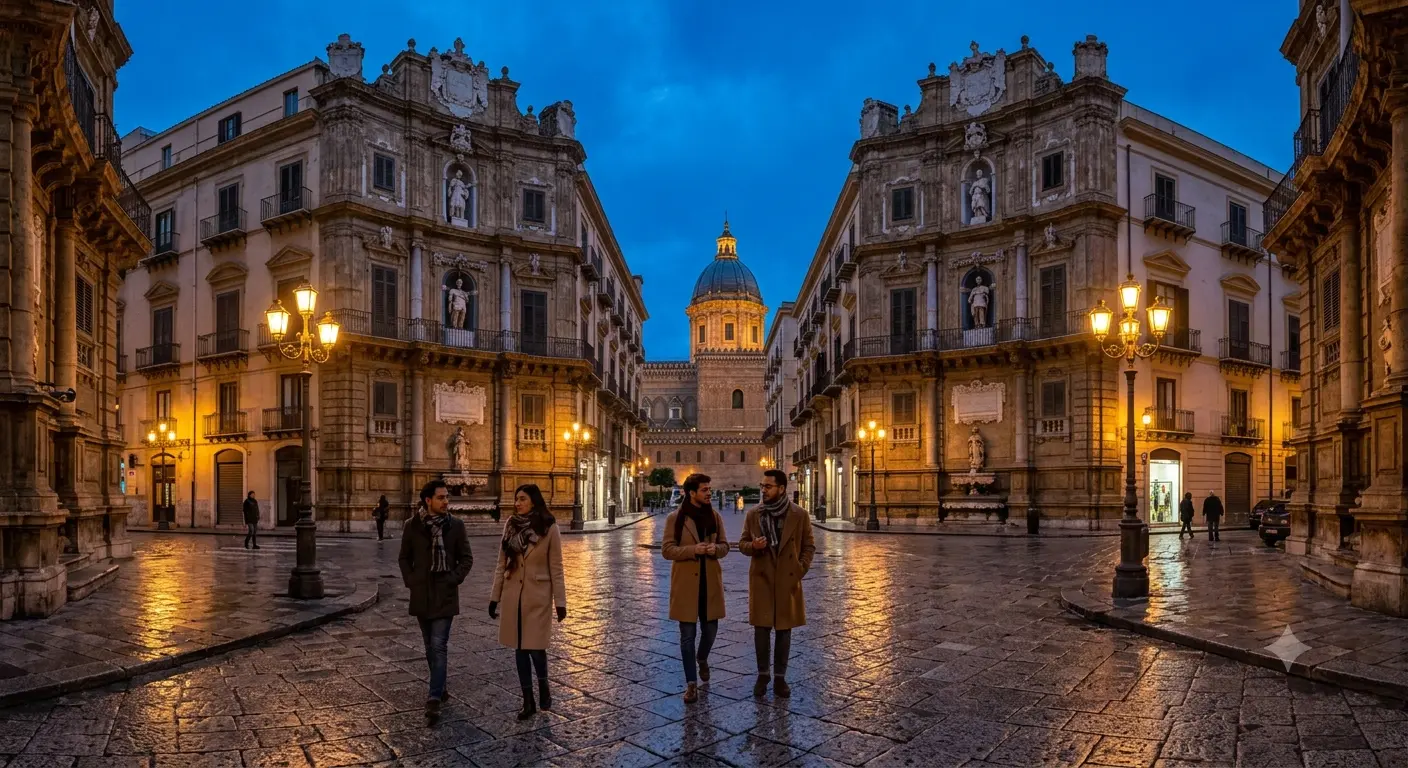
Sicily in the winter is worth visiting if you want culture, food, ancient sites, local life, fewer crowds, and better prices. It is not the right choice if your main goal is swimming, beach clubs, or guaranteed warm sunshine every day. The real issue is not whether Sicily is beautiful. It is whether your plans match the season.
Is winter a good time to visit Sicily?
Yes, winter can be a very good time to visit Sicily, especially for travelers who enjoy cities, food, ruins, festivals, and slow sightseeing. The island feels calmer than summer, and places like Palermo, Catania, Siracusa, Ortigia, Agrigento, and Taormina are easier to enjoy without heavy crowds.
For 2026 travelers, Sicily in the winter works best when you plan around weather, shorter opening hours, and seasonal closures. Choose a city base, check tours before booking, and keep flexible plans for rainy days.
What is the weather like from December to March?
Sicily has a Mediterranean climate, so winters are usually mild by European standards. Still, mild does not mean warm every day. Rain, wind, damp air, and cold nights can make the island feel colder than the numbers suggest.
Citalia describes Sicily’s winter temperatures around 5 to 15°C, while March often rises closer to 10 to 18°C. That makes the season comfortable for sightseeing, but not reliable for a beach trip.
| Month | What to expect |
| December | Christmas events, cool evenings, possible rain, mild days |
| January | Quiet towns, colder nights, fewer tourists, more planning needed |
| February | Catania festivals, Carnival events, cool weather, possible wind |
| March | Almond blossoms, early spring feel, better outdoor sightseeing |
Where should you stay for the easiest winter trip?
Stay in a lived-in city or historic center. Palermo, Catania, and Siracusa or Ortigia are the safest choices because locals live there year-round. You get more restaurants, public transport, markets, museums, and backup plans when weather changes.
Small beach towns can look beautiful but feel empty in winter. San Vito Lo Capo, Cefalù, Avola, Marzamemi, the Aeolian Islands, and the Egadi Islands may have fewer open restaurants, limited ferries, and quiet streets.
Is Palermo a good base in winter?
Palermo is one of the strongest winter bases. It gives you street food, Ballarò Market, La Vucciria, the Palatine Chapel, Palazzo dei Normanni, Quattro Canti, Fontana Pretoria, and the Cathedral of Palermo in one city.
It also works well for day trips to Monreale, Cefalù, Segesta, and Western Sicily. If you care about food, local life, and easy evenings, Palermo is a smart choice.
Is Catania or Siracusa better in winter?
Catania suits travelers who want Mount Etna, eastern routes, nightlife, and the Feast of Sant’Agata. Siracusa and Ortigia suit travelers who want history, sea views, walking streets, and a slower pace.
For a first winter trip, pair Palermo with Siracusa or Ortigia if you want balance. Choose Catania if Mount Etna and eastern Sicily matter more.
What can you do when it is not beach weather?
Winter is better for culture than beaches. Visit archaeological sites, Baroque towns, food markets, cathedrals, museums, and scenic viewpoints. Plan outdoor activities for dry mornings, then keep indoor options for wet afternoons.
Good winter choices include Palermo, Monreale, Catania, Ortigia, Noto, Ragusa, Modica, Taormina, Agrigento, Marsala, Trapani, Erice, and Mount Etna.
Can you visit ancient sites in winter?
Yes, winter is excellent for ancient sites because you avoid extreme heat and large summer crowds. The Valley of the Temples in Agrigento, Segesta, Selinunte Archaeological Park, Villa Romana del Casale, and the Rocky Necropolis of Pantalica all fit this season well.
UNESCO lists Villa Romana del Casale for its famous Roman mosaics, and Sicily also has major heritage areas such as Arab-Norman Palermo, Cefalù, Monreale, and Syracuse with Pantalica.
Can you ski on Mount Etna?
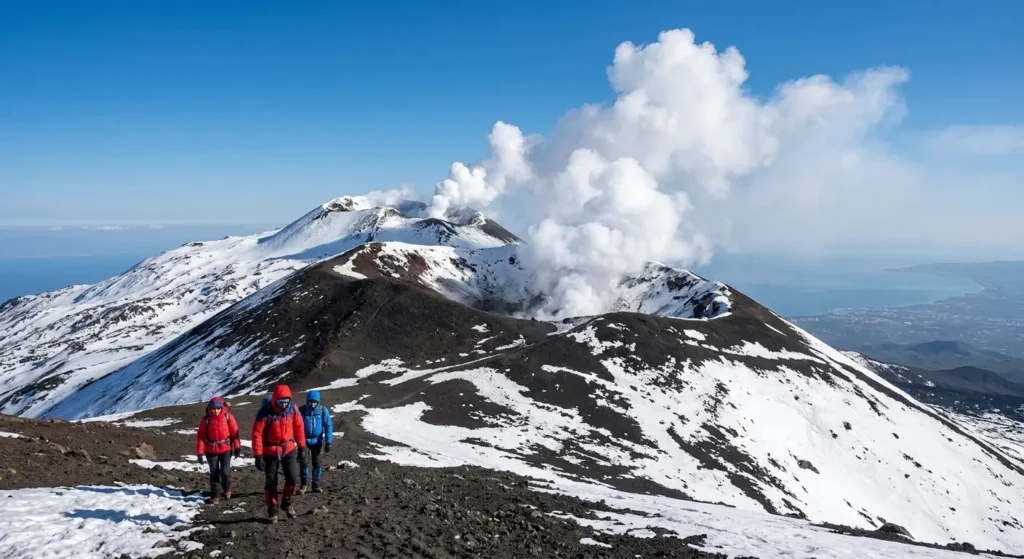
Yes, you can sometimes ski, snowboard, or snowshoe on Mount Etna when snow conditions allow. Official Sicily tourism promotes Etna winter tours and says visitors can ski on snow-covered slopes of Europe’s highest active volcano.
Winter sports are also linked with Piano Battaglia in the Madonie Mountains and snowshoeing in the Nebrodi area. Always check conditions before booking because snow, wind, and access can change quickly.
Are beaches and islands worth visiting in winter?
Beaches are worth seeing, but not for a classic beach holiday. Mondello Beach, Isola Bella, Cefalù, San Vito Lo Capo, and Scala dei Turchi can be beautiful for walks and photos. Swimming is a different story.
Island trips need extra care. Ferries to smaller islands can run on reduced schedules, and sea conditions may change. If you want the Aeolian Islands, Lipari is usually the most practical base.
What winter events are worth planning around in 2026?
Sicily has strong winter events, especially from December to March. Christmas markets and Living Nativity scenes appear in many towns. Catania’s Feast of Sant’Agata is a major February event.
For 2026, Visit Sicily lists the main Sant’Agata celebration on 3, 4, and 5 February, with the wider cycle running from 30 January to 12 February. Acireale Carnival runs from 31 January to 17 February 2026, and Agrigento’s Almond Blossom Festival runs from 7 to 15 March 2026.
What should you eat in Sicily during winter?
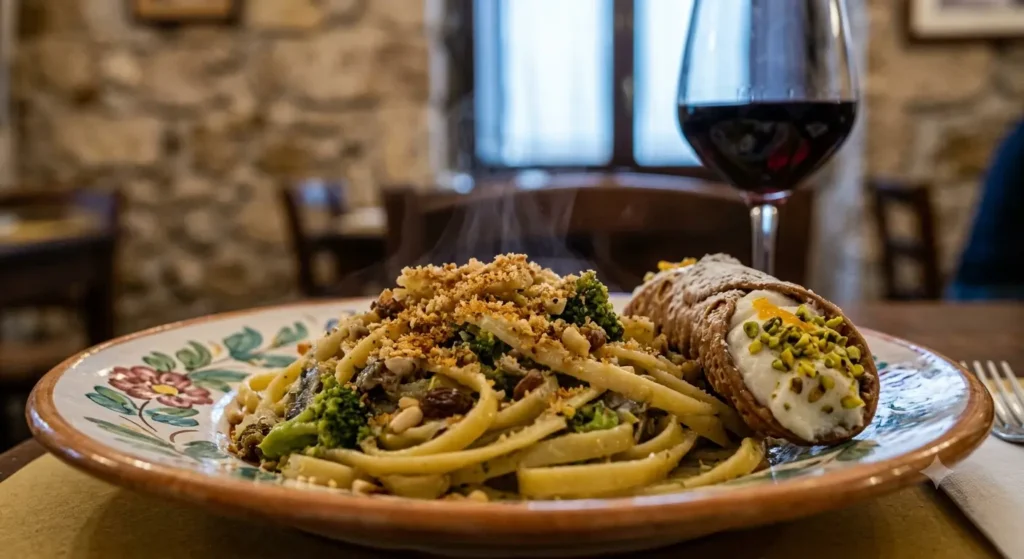
Winter is a great season for Sicilian cuisine. Look for pasta alla Norma, pasta with sardines, pasta con i broccoli arriminati, macco di fave, chickpea and lentil soup, cannoli with ricotta, Modica chocolate, Ragusa scacce, Avola almond sweets, and Ribera oranges.
Catania also celebrates Minne di Sant’Agata around the February festival. In Palermo, try street food and pasticcerie. In Marsala or the west, pair local dishes with Sicilian wine, Marsala, Passito, olive oil, and citrus.
What should you pack for a winter trip?
Pack for mixed weather. Bring a warm jacket, umbrella, scarf, gloves, sweaters, base layers, and non-slip shoes. A water-resistant coat helps more than a stylish light jacket.
Also check your accommodation before booking. Ask about heating, radiators, extra blankets, and a space heater. Many older buildings were designed for hot summers, so indoor comfort matters more than travelers expect.
Do you need a car in Sicily in winter?
You do not need a car for Palermo, Catania, Siracusa, Ortigia, or train-linked city stays. You do need one if you want rural towns, wineries, mountain areas, Erice, Segesta, Selinunte, or flexible day trips.
Public transport can work between major cities. It becomes less convenient for beaches, villages, and archaeological sites. Before driving near Etna, the Madonie, or the Nebrodi, check weather, road rules, and whether snow chains are needed.
Is Sicily warm in winter?
Sicily is mild in winter, not reliably warm. Daytime weather can feel pleasant in coastal cities, but nights often feel cold. Rain, wind, and humidity can make 12°C feel colder than expected. Treat it as a cool sightseeing trip, not a sunbathing trip.
How cold does Sicily get in winter?
Coastal areas often stay mild, but colder spells can happen. Inland towns and mountain areas feel much colder, and snow can fall around Mount Etna, Madonie, and Nebrodi. Pack layers because you may feel comfortable at lunch and cold after sunset.
What is the warmest place in Sicily in winter?
No single place wins every day, but Palermo, southern coastal areas, and parts of western Sicily often feel pleasant. Catania can also work well, especially for Etna access. The smarter choice is not only the warmest place. Pick the place with open restaurants, transport, and indoor options.
Is January a good time to visit Sicily?
January is good for quiet travel, lower prices, and crowd-free sightseeing. It is weaker for beaches, islands, and busy nightlife. Stay in Palermo, Catania, or Ortigia, then plan day trips around the forecast. January rewards travelers who like calm streets and flexible plans.
Is February a good time to visit Sicily?
February can be a strong month because of Sant’Agata in Catania and Carnival events in places like Acireale. The weather can still be cool, wet, or windy. It suits culture, food, festivals, and ruins more than beaches.
Can you swim in winter?
Sicily in the winter is not a swimming-first trip. Some locals and cold-water swimmers may enter the Mediterranean Sea, but most visitors will find the water too cold. Beach services may also close. Plan beach walks, coastal photos, and seafood lunches instead.
Are restaurants open in winter?
Restaurants stay open in larger cities like Palermo, Catania, Siracusa, and Ortigia. Smaller towns, beach areas, and islands may have fewer options. Always check hours directly. Do not rely only on Google Maps because seasonal businesses may not update listings quickly.
What should I wear in winter?
Wear layers. A sweater, warm coat, scarf, and comfortable shoes are useful. Add a compact umbrella and a rain jacket if you plan many day trips. For Etna or inland areas, dress warmer than you would for Palermo or Catania.
What can you do in Sicily when it rains?
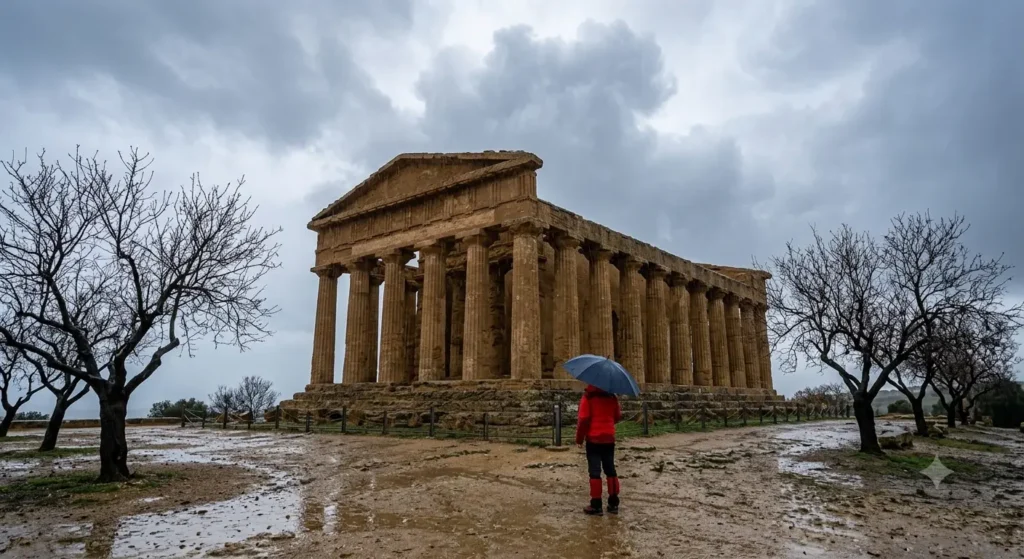
Use rainy days for markets, churches, museums, food tours, cooking classes, pasticcerie, wine tastings, and city walks under covered streets. In Palermo, focus on the Palatine Chapel, markets, cafés, and restaurants. In Catania, pair indoor sights with Sant’Agata food traditions.
Is one week in January too cold?
One week in January is not too cold if you plan it as a culture and food trip. It can feel disappointing if you expect beaches. Base yourself in a city, book accommodation with heating, and keep a flexible route for rain.
Where should you stay for a full month in January?
For a full January stay, choose Palermo if you want food, markets, transport, and city energy. Choose Catania if you want eastern Sicily and Etna access. Choose Ortigia if you prefer a slower historic base. Avoid remote beach towns unless you already know they stay active.
Is winter Sicily right for your trip?
Choose Sicily in the winter if you want ancient sites, real food culture, local streets, festivals, and lower pressure than summer. Skip it if your dream trip depends on swimming, beach clubs, island hopping, and guaranteed sun. The best next step is simple: choose a city base first, then build your route around weather and what stays open.


