What Is Hibachi Food: Origins, Ingredients and How It Is Eaten
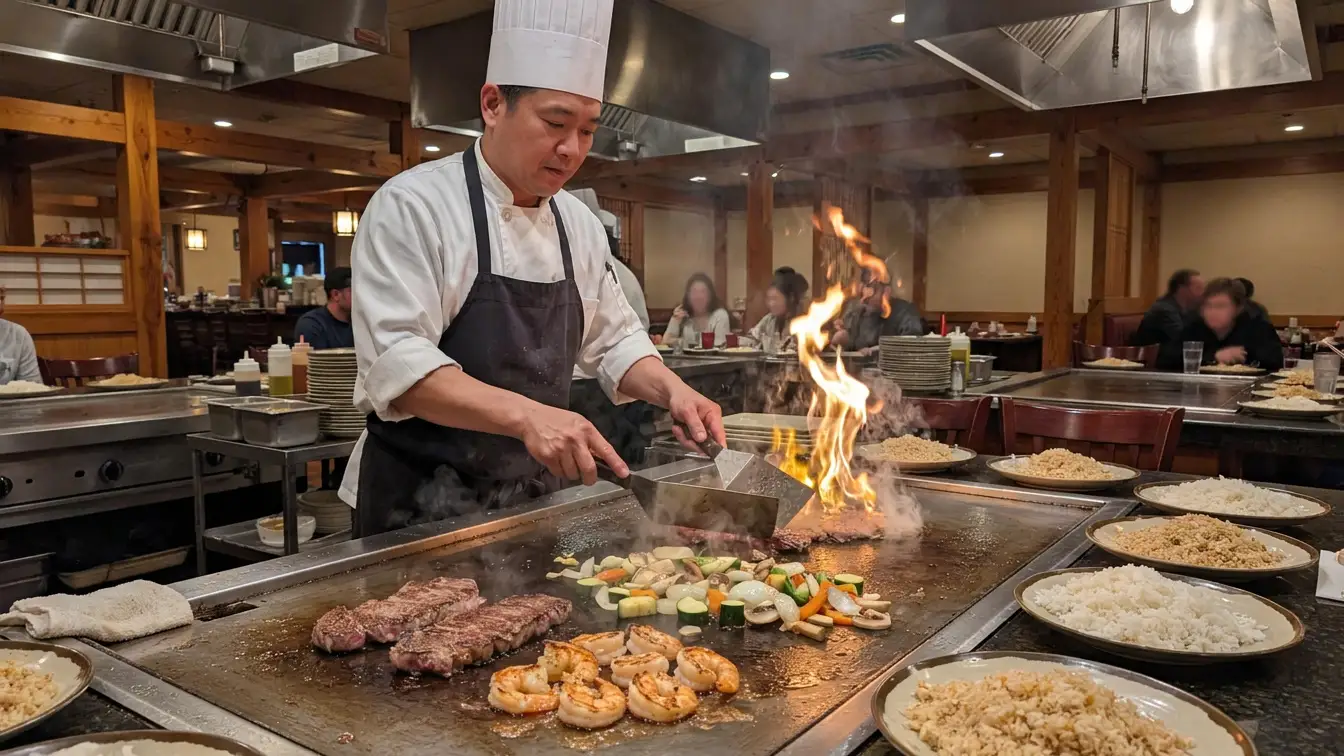
Hibachi food is Japanese-inspired cuisine cooked on a flat iron grill in front of diners, featuring proteins like steak or shrimp, vegetables, and fried rice with theatrical flair.
The term comes from Japanese words meaning fire bowl. Traditional hibachi heated homes for centuries. Modern American hibachi restaurants serve teppanyaki style meals where chefs perform while cooking. Guests sit around the grill and watch the preparation. This style became popular in the United States after World War II through restaurants like Benihana.
Origins of Hibachi Cooking
In Japan, hibachi referred to a portable charcoal heater used from the Heian period onward. People warmed rooms and boiled tea water with it. Later, some placed grills on top for cooking. The American version uses a large flat teppan surface. Chefs cook at high heat with oil, soy sauce, and butter. The show element includes knife tricks and flame effects. This format suits group dining and celebrations.
Traditional Japanese cooking focused more on fish and vegetables. American hibachi often features red meat. The shift happened when Japanese restaurants adapted for Western tastes in the mid-20th century. Today, the style appears in many cities worldwide. Restaurants emphasize fresh ingredients and quick cooking to lock in flavors.
Common Ingredients in Hibachi Meals
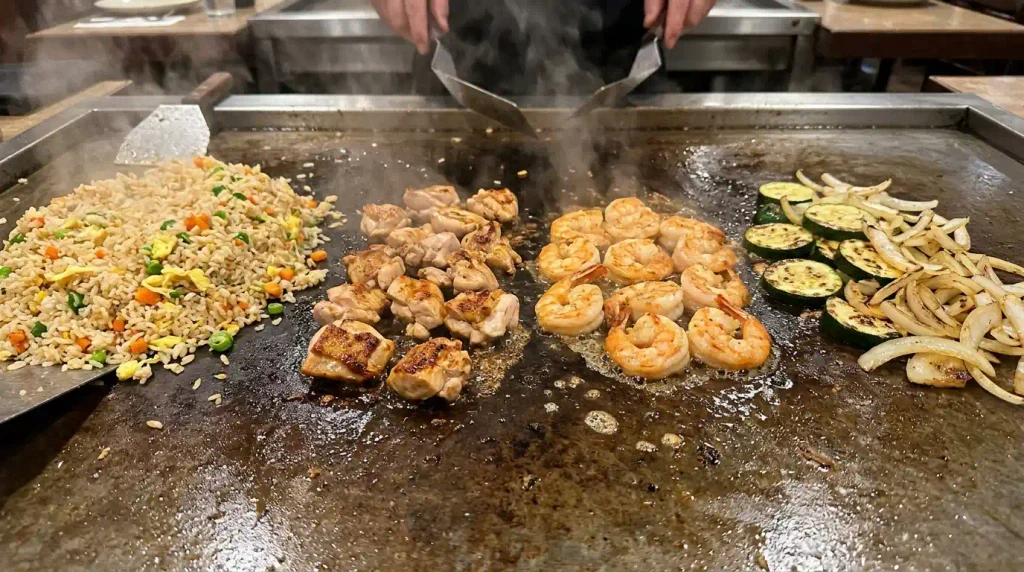
Typical proteins include chicken, steak, shrimp, scallops, and salmon. Combinations are popular. Vegetables usually feature zucchini, onions, mushrooms, broccoli, and carrots. Fried rice or noodles form the base. Sauces like yum yum (a mayonnaise-based blend) and ginger sauce accompany the food. Garlic and sesame oil add depth. Meals are seasoned tableside with soy sauce and butter.
Chefs prepare everything on the hot surface. The high heat sears the proteins quickly. Vegetables stay crisp-tender. Rice is fried with eggs and vegetables for flavor. Portions are generous. Dietary options exist for vegetarians or those avoiding certain proteins. Quality depends on the restaurant’s ingredient sourcing.
How Hibachi Food Is Eaten
Diners sit at the grill table. The chef cooks in stages: vegetables first, then proteins, then rice. Food is served on plates or shared from the grill. Guests use chopsticks or forks. The experience is interactive. Chefs may toss shrimp or create onion volcanoes with flames. Meals often include soup and salad starters. Desserts follow in some places.
The setting encourages conversation. Groups share the spectacle. Many restaurants offer set menus based on protein choice. Pricing varies by location and protein. The format works for birthdays and family outings. Some places provide takeout or catering versions without the live show.
Hibachi vs Teppanyaki
True hibachi in Japan is the fire bowl heater. Teppanyaki means grilling on an iron plate. American restaurants label the tableside flat-grill style as hibachi. The distinction matters for accuracy. Both use high heat. Teppanyaki restaurants in Japan focus on the cooking technique. The US version adds entertainment. Understanding the difference helps set expectations when ordering.
Many menus still use hibachi for the full experience. Chefs train in knife skills and timing. The meal ends with a clean grill. Guests leave with both food and a memory of the performance. This hybrid style continues to draw crowds in 2026.
Where to Find Hibachi Food
Japanese steakhouses across the United States offer hibachi. Chains and independent spots exist in most cities. Look for restaurants with open grills and seating around them. Some specialize in the format. Quality varies with chef skill and ingredient freshness. Reservations help during peak times. Outdoor or home versions use smaller grills, but the restaurant experience remains distinctive.
Travelers find similar styles in other countries. The core remains protein, vegetables, and rice cooked to order. Pairing with local sides happens in some places. The format adapts while keeping the interactive element. Checking recent reviews helps choose a spot with consistent preparation.
Nutritional Notes and Variations
Hibachi meals provide protein from the main item and vegetables. Fried rice adds carbohydrates. Sauces contribute fat and sodium. Portion control depends on the diner. Lighter options use more vegetables and less rice. Some restaurants list calories or offer substitutions. The cooking method preserves nutrients better than deep frying. Balanced plates support various diets when chosen carefully.
Vegetarian versions focus on tofu or extra vegetables. Seafood options suit pescatarians. Gluten-free adjustments are possible with sauce changes. The communal style encourages sharing. Guests can request modifications before cooking starts. This flexibility makes the meal accessible for different preferences.
Cultural Context and Popularity
The style blends Japanese technique with American dining habits. It gained traction through media and word of mouth. Families appreciate the entertainment for children. Couples enjoy the shared experience. The format stands apart from traditional table service. In 2026, it remains a staple for special occasions. New restaurants update the presentation while keeping core elements.
Home cooks replicate parts with electric grills. The full show requires a trained chef. Restaurant visits deliver the complete version. The food’s appeal lies in freshness and the visual process. Understanding origins adds appreciation for the meal.
Tips for Enjoying Hibachi
Arrive on time for the cooking performance. Sit near the action for the best view. Communicate preferences like doneness or spice level early. Share the experience with the group. Try a combination plate to sample proteins. Stay hydrated as the grill heat rises. The meal rewards attention to the process.
Many spots offer lunch specials for lower prices. Evening visits include more atmosphere. Checking the menu online helps plan. The style suits both casual and celebratory settings. Guests often return for the consistent format and flavors.
FAQs
What is hibachi food?
Hibachi food is a style of Japanese-inspired cooking done on a flat iron grill in front of diners. It typically includes grilled proteins, vegetables, and fried rice prepared with theatrical elements by the chef.
Where does hibachi come from?
The word and original heating device come from Japan. The modern restaurant version popularized in the United States combines teppanyaki cooking with entertainment after the mid-20th century.
What ingredients are common in hibachi?
Common items include chicken, steak, shrimp, zucchini, onions, mushrooms, fried rice, and sauces like yum yum. Chefs season with soy, garlic, and butter on the grill.
How is hibachi different from teppanyaki?
Teppanyaki is the Japanese term for cooking on a flat iron plate. American hibachi restaurants use this method but added showmanship. Traditional hibachi was a charcoal heater.
What does a typical hibachi meal include?
A meal usually starts with soup and salad, followed by the grilled items cooked tableside, fried rice, and sometimes dessert. Guests choose proteins.
Is hibachi food healthy?
It can be balanced with lean proteins and vegetables. Fried rice and sauces add calories and sodium. Choices and portion size determine the overall profile.
Where can people eat hibachi?
Japanese steakhouses in many cities offer it. Look for places with open grills and seating around the cooking surface. Quality varies by location.
Do chefs perform tricks during hibachi?
Yes, many incorporate knife skills, shrimp tossing, and flame effects. The performance is part of the dining experience for guests.
Can hibachi be made at home?
Basic versions work with a flat grill or electric teppan. The full restaurant show and timing require professional setup and skill.
What is yum yum sauce?
Yum yum is a creamy, mildly spicy sauce often served with hibachi. It typically combines mayonnaise, tomato, and spices. Restaurants prepare their own versions.
Is hibachi suitable for groups?
Yes, the shared grill format works well for families and celebrations. Multiple people watch the same performance while eating.
How long does a hibachi meal take?
The cooking and eating usually last 60 to 90 minutes depending on the group size and menu. Reservations help manage timing.