
How Meal Prep Businesses Can Improve Their Delivery Services
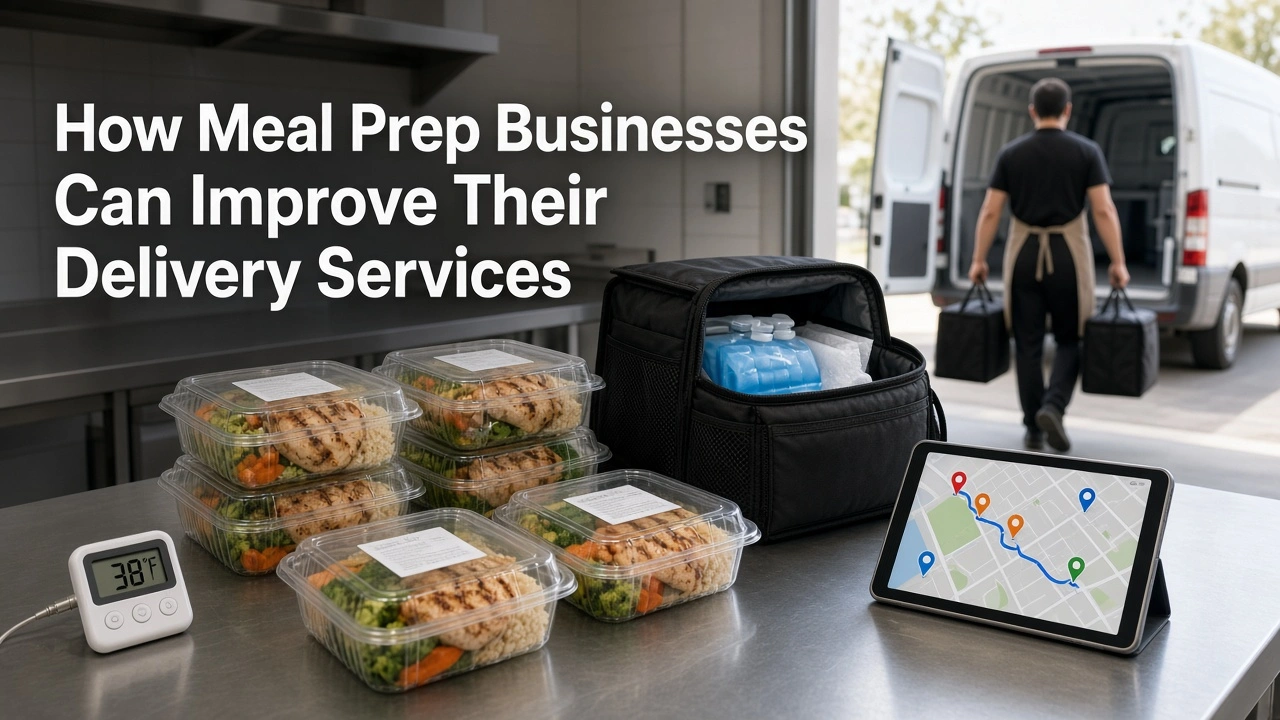
Meal prep businesses depend on reliable deliveries to maintain food quality, customer satisfaction, and profitability. Customers ordering weekly meals expect accurate orders, fresh ingredients, intact packaging, and predictable delivery times.
As order volumes increase, manually coordinating drivers, production schedules, and delivery addresses becomes increasingly difficult. Improving meal prep delivery services requires a structured approach to transportation, food safety, order fulfillment, and customer communication.
Optimize Delivery Routes and Scheduling
Inefficient delivery routes increase fuel consumption, labor expenses, and the amount of time meals spend in transit. Assigning deliveries according to the order in which purchases were received can result in unnecessary mileage and repeated trips through the same neighborhoods.
Using route planning software allows meal prep businesses to organize multiple delivery stops into efficient sequences while accounting for customer locations, delivery windows, and driver availability.
Businesses should also establish designated delivery days for specific service areas. Grouping customers geographically increases delivery density and reduces transportation costs per order.
Establish Realistic Delivery Windows
Avoid promising narrow delivery windows without considering traffic conditions, parking availability, and unloading requirements.
Use historical delivery data to estimate average service times at each stop. Apartment buildings, gated communities, and office complexes may require additional time compared with single-family residences.
Build sufficient flexibility into schedules to accommodate unexpected delays without compromising food safety.
Maintain Cold Chain Integrity
Temperature control is particularly important for meal prep businesses delivering cooked proteins, dairy products, prepared vegetables, and other perishable foods.
The FoodSafety guidelines for meal kit and food delivery safety recommend that refrigerated perishable foods arrive at 40°F or below.
Maintaining appropriate temperatures requires more than placing meals inside insulated bags. Food must be properly cooled before dispatch, transported under controlled conditions, and protected until customer receipt.
Businesses should establish cold chain procedures that include:
- Pre-cooling insulated containers before loading.
- Using calibrated thermometers and temperature monitoring devices.
- Selecting refrigerants suitable for anticipated delivery durations.
- Separating hot meals from refrigerated products.
- Minimizing unnecessary opening of insulated containers.
- Recording temperature deviations and taking corrective action.
Test packaging under realistic summer temperatures and maximum anticipated delivery durations. Businesses must also comply with applicable local food safety and transportation requirements.
Improve Meal Packaging and Labeling
Packaging must protect meals against leakage, contamination, physical damage, and temperature fluctuations.
Select food-grade containers with secure lids that can withstand stacking and transportation. Meals containing sauces, dressings, or liquids may require separate compartments or sealed secondary containers.
Avoid excessive empty space inside delivery boxes. Movement during transportation can damage containers and compromise food presentation.
Provide Clear Storage and Reheating Instructions
Accurate labeling helps customers store and consume prepared meals safely.
Each meal should include relevant product information, ingredient details, allergen declarations, storage requirements, use-by dates, and reheating instructions where applicable.
Establish shelf-life recommendations based on product characteristics, preparation methods, and validated food safety procedures rather than applying the same expiration period to every meal.
Synchronize Kitchen Production With Delivery Operations
Delivery efficiency begins inside the kitchen. When meal preparation, cooling, packaging, and dispatch operate independently, drivers may experience unnecessary waiting times.
Organize production schedules around confirmed delivery departures. Assign preparation batches according to delivery zones and ensure sufficient time for safe cooling before packaging.
Introduce a final order verification process using printed packing lists or barcode scanning. Staff should confirm meal quantities, dietary selections, customer names, and delivery addresses before loading vehicles.
Arrange orders inside delivery vehicles according to stop sequence while maintaining appropriate temperature controls. This reduces searching time and unnecessary handling during deliveries.
Improve Customer Communication
Many failed deliveries result from incorrect addresses, unavailable recipients, or unclear access instructions.
Collect apartment numbers, entrance details, contact information, and delivery preferences during checkout. Allow customers to update these details before an established order cutoff.
Send delivery reminders and estimated arrival notifications so customers can arrange to receive and refrigerate their meals promptly.
For unattended deliveries, establish customer-approved drop-off locations and clear procedures for confirming safe handover conditions.
Businesses should also maintain a documented policy for unsuccessful deliveries, damaged packaging, and meals exposed to unsafe temperatures.
Track Delivery Costs and Performance
Meal prep businesses need to measure delivery profitability independently from food production costs. Growing order volumes do not necessarily translate into higher margins if transportation expenses increase disproportionately.
Monitor the following delivery performance indicators:
- Average delivery cost per order
- On-time delivery percentage
- Successful first-attempt delivery rate
- Average number of stops per driver hour
- Temperature-related incidents
- Delivery-related refunds and customer complaints
For example, if a delivery route costs $180 and serves 30 customers, the transportation cost is $6 per order. Increasing the route to 40 successful deliveries reduces that cost to $4.50, assuming operating expenses remain unchanged and food safety requirements are maintained.
Use these figures to evaluate delivery fees, minimum order values, service boundaries, and staffing requirements.
Scale Delivery Services Without Compromising Quality
Expanding into new delivery areas requires sufficient order density, kitchen capacity, trained drivers, and reliable temperature-controlled transportation.
Introduce new service areas gradually and assess their profitability before expanding further. Where third-party delivery providers are used, establish clear expectations regarding food handling, delivery confirmation, and incident reporting.
Reliable meal prep delivery services depend on coordinated production schedules, efficient routing, appropriate packaging, and consistent food safety procedures. Improving these areas helps businesses control operating expenses, retain customers, and accommodate growing demand without compromising meal quality.