
The Role of Relaxation Techniques in Supporting Mental and Physical Health
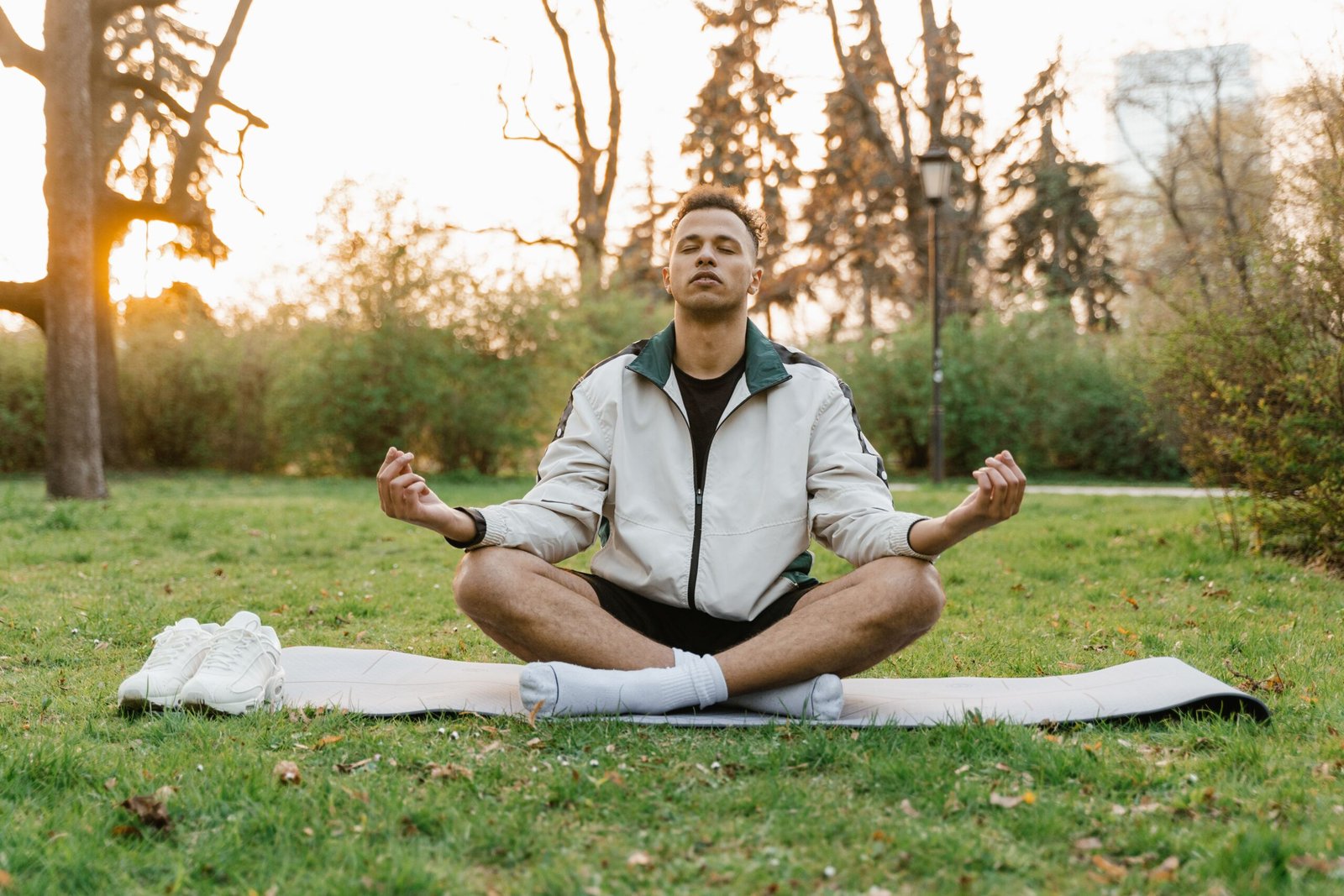
Modern life often involves constant demands, busy schedules, and ongoing responsibilities that can make it difficult to maintain a healthy balance. Over time, these pressures can affect both mental and physical health, contributing to stress, poor sleep, muscle tension, and emotional exhaustion. Relaxation techniques offer practical ways to manage these challenges and support overall wellbeing.
Rather than being an occasional activity reserved for particularly stressful moments, relaxation can become an important part of a healthy lifestyle. Regularly making time to unwind can help people feel more balanced, improve their ability to cope with everyday challenges, and support long-term health.
Understanding the Connection Between Stress and Overall Health
Stress is a natural response to challenging situations. In short periods, it can help people stay alert, respond to potential threats, and manage demanding circumstances. However, prolonged stress can place considerable pressure on the body and mind.
When someone experiences ongoing stress, the body may remain in a heightened state of alertness. This can affect several physiological processes, including heart rate, muscle tension, digestion, and sleep patterns.
Chronic stress can also contribute to emotional difficulties, such as irritability, reduced concentration, and feelings of overwhelm. These effects demonstrate why managing stress is an important part of maintaining both psychological and physical wellbeing.
Relaxation techniques can help counterbalance these responses by encouraging the body to shift toward a calmer state.
How Relaxation Techniques Support Mental Health
Mental health is closely connected to how people respond to everyday experiences, manage their emotions, and recover from challenging situations. Relaxation practices can provide valuable support by creating opportunities to slow down and regain mental balance.
Some of their potential psychological benefits include:
- Reduced stress and anxiety: Relaxation exercises can help calm the mind and reduce feelings of tension.
- Improved emotional regulation: Developing the ability to pause and relax can make it easier to respond thoughtfully rather than react impulsively.
- Better concentration: Taking regular mental breaks can help reduce cognitive fatigue and support focus.
- Greater self-awareness: Practices such as meditation encourage people to become more aware of their thoughts, emotions, and physical sensations.
- Improved sleep: Relaxation before bedtime can help prepare the mind and body for rest.
For people dealing with persistent emotional stress, relaxation can also complement broader personal development approaches. For example, practices such as the ideal parent figure protocol explore emotional security and internal representations of supportive relationships, offering another perspective on understanding emotional needs and patterns.
Physical Health Benefits of Regular Relaxation
The benefits of relaxation extend beyond mental wellness. The body’s stress response influences multiple physiological systems, which means that regularly reducing tension can support physical health as well.
Some of the main areas that may benefit include:
Muscle relaxation and reduced tension
Stress frequently causes people to unconsciously tighten their muscles, particularly around the neck, shoulders, and back. Progressive muscle relaxation can help identify and release this tension, potentially reducing stress-related physical discomfort.
Improved cardiovascular health
Slow breathing and relaxation practices may temporarily lower heart rate and blood pressure. When incorporated into a broader healthy lifestyle, these techniques can support cardiovascular wellbeing.
Better digestive comfort
Stress can influence digestive activity and contribute to symptoms such as abdominal discomfort and changes in bowel habits. Relaxation may help reduce some stress-related digestive symptoms, although it does not replace appropriate medical treatment.
Support for healthy sleep patterns
Relaxation exercises can help reduce physical and mental arousal before bedtime. Establishing a calming evening routine may make it easier to fall asleep and maintain consistent sleep habits.
Improved recovery
Rest and relaxation are important parts of physical recovery. They allow the body time to recover from everyday demands, exercise, and other sources of physical strain.
Five Relaxation Techniques Worth Incorporating Into Your Routine
There is no single relaxation method that works for everyone. Some people prefer structured exercises, while others find that simple daily activities provide the greatest sense of calm.
Here are five techniques that can support mental and physical wellbeing.
1. Deep Breathing Exercises
Controlled breathing is one of the simplest ways to introduce relaxation into everyday life. Slow, comfortable breathing can help reduce physiological arousal and encourage a calmer state.
A basic exercise involves inhaling gently through the nose, allowing the abdomen to expand, and slowly exhaling without forcing the breath. Repeating this process for several minutes can help reduce feelings of tension.
2. Mindfulness Meditation
Mindfulness involves paying attention to the present moment without immediately judging thoughts, feelings, or physical sensations.
Regular meditation can help people become more aware of their stress responses and develop healthier ways of relating to difficult emotions.
Even five to ten minutes of mindful breathing or quiet reflection can be a useful starting point for beginners.
3. Progressive Muscle Relaxation
This technique involves gradually tensing and relaxing different muscle groups throughout the body.
By noticing the difference between tension and relaxation, individuals can become more aware of where they hold physical stress. Progressive muscle relaxation is particularly useful for people who experience frequent muscle tightness or difficulty unwinding.
4. Gentle Movement and Stretching
Activities such as yoga, stretching, and leisurely walking combine physical movement with opportunities to release tension.
Gentle movement can improve flexibility, support circulation, and provide a mental break from daily responsibilities. It can also help people reconnect with their bodies rather than remaining focused on work or other sources of stress.
5. Guided Visualization
Guided visualization uses mental imagery to create a sense of calm and comfort. Individuals may imagine peaceful environments, familiar places, or supportive situations.
This practice can help redirect attention away from stressful thoughts and encourage relaxation. Some approaches also use visualization to explore feelings of safety, acceptance, and emotional support.
Building a Consistent Relaxation Routine
Although individual relaxation sessions can be beneficial, consistency is important when developing healthier stress-management habits.
The most effective routine is one that fits naturally into everyday life. It does not need to involve expensive equipment, lengthy meditation sessions, or significant lifestyle changes.
Consider introducing a few simple habits:
- Start the morning with five minutes of slow breathing or quiet reflection.
- Take short breaks throughout the day to stretch and release physical tension.
- Spend some time outdoors without distractions.
- Reduce screen exposure before bedtime.
- Establish a calming evening routine that supports better sleep.
- Choose relaxation activities that feel enjoyable rather than treating them as another responsibility.
It is also important to recognize that relaxation is not a replacement for professional healthcare. People experiencing persistent anxiety, chronic pain, sleep disturbances, or other ongoing health concerns should consider seeking appropriate medical or psychological support.
Why a Holistic Approach to Wellbeing Matters
Mental and physical health are closely interconnected, so maintaining overall wellbeing often requires attention to both.
Relaxation techniques can be valuable components of a holistic health approach, particularly when combined with regular physical activity, balanced nutrition, sufficient sleep, and meaningful social connections.
It is equally important to understand that stress management is not always just about changing daily habits. Previous experiences, emotional responses, and relationship patterns can influence how people experience stress and respond to challenging situations.
For this reason, some individuals may benefit from combining practical relaxation techniques with professional support that addresses deeper emotional concerns.
A balanced approach recognizes that wellbeing involves more than the absence of physical illness. It also includes feeling emotionally supported, mentally resilient, and capable of navigating everyday life.