Best Beaches in Costa Rica: Where to Swim and Relax in 2026
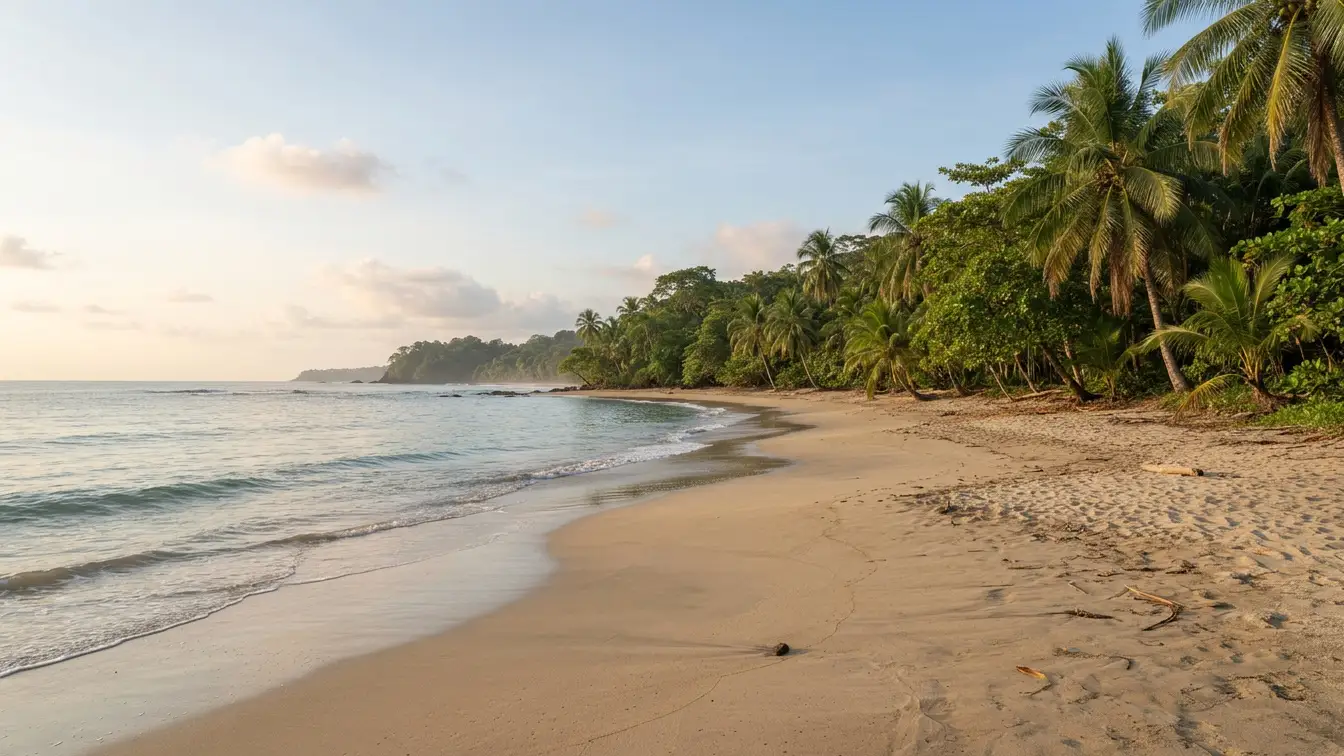
The best beaches in Costa Rica range from calm Caribbean spots like Cahuita to Pacific breaks in Santa Teresa and family-friendly coves in Manuel Antonio. December to April offers the driest conditions on the Pacific side, while the Caribbean sees better weather in September and October.
Pacific Coast Beaches
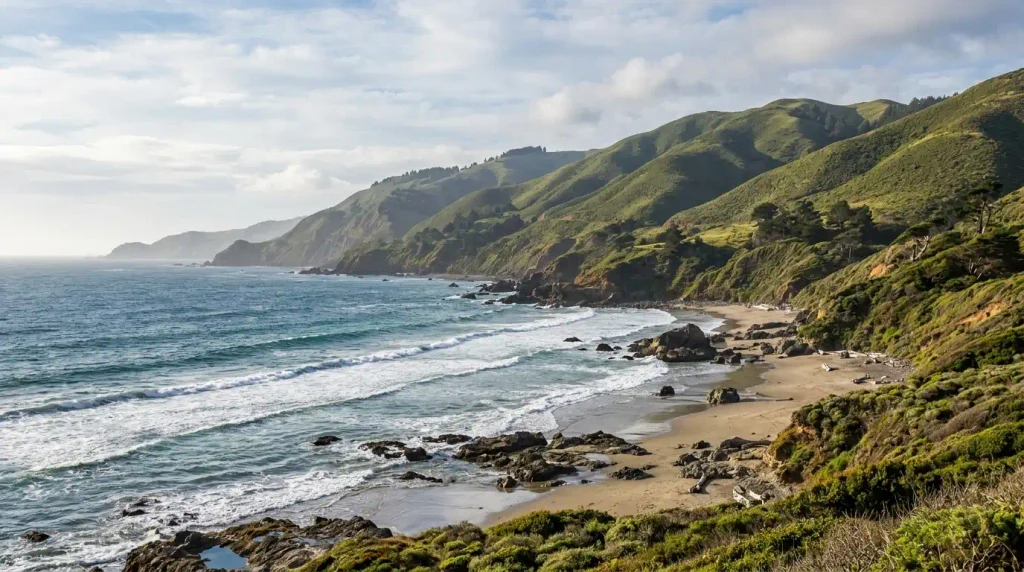
The Pacific side holds many of the country’s best-known beaches. Manuel Antonio National Park combines short trails with three main beaches, including Playa Espadilla and the more protected Playa Manuel Antonio. Monkeys and sloths are common. The water is generally calm enough for swimming outside of strong afternoon winds. Santa Teresa and Playa Carmen attract surfers and yoga visitors. The sand is wide and the breaks are consistent for intermediate surfers. Tamarindo further north offers a mix of beginner waves, restaurants, and easy access. Each area has its own pace, from busier tourist towns to quieter stretches.
Distances between these spots vary. Manuel Antonio sits roughly 150 kilometres from San José, about a three-hour drive. Santa Teresa requires a longer journey or a short flight plus ferry or bus connections. Planning transfers helps keep travel days manageable.
Caribbean Coast Options
The Caribbean side, particularly around Cahuita and Puerto Viejo, has a different feel. Cahuita National Park protects a reef and offers snorkeling when conditions are clear. The water is warmer and the vegetation denser. Playa Negra and Playa Cocles near Puerto Viejo draw surfers. September and October are often the drier months here, opposite the Pacific pattern. Local restaurants serve fresh fish and Caribbean-style dishes. The area is smaller and more walkable than many Pacific towns.
Access from San José takes about four hours by road or a short domestic flight to Limón followed by a transfer. Weather can change quickly, so flexible plans work best.
Family-Friendly and Calm Water Spots
Playa Hermosa near Playas del Coco and parts of the Papagayo peninsula provide gentler entry for children. The water stays relatively calm in protected bays. Manuel Antonio’s main beach also works for families when the park is not at peak capacity. Early arrival helps secure space and avoid the strongest midday sun. Shade is limited on most beaches, so umbrellas or rash guards are practical. Lifeguards are not present everywhere; swimming near others and watching for currents is standard advice.
Many resorts in these areas offer pools as a backup when the sea is rough. That combination makes them popular with mixed-age groups.
Best Months by Coast
Pacific coast dry season runs December through April. Rain decreases, roads are more reliable, and beach days are more consistent. Green season (May to November) brings lower prices and fewer people, with mornings often clear. Caribbean weather is more variable; many visitors target September and October for clearer skies. Hurricane influence is minimal compared with other Caribbean destinations, but heavy rain can still occur. Checking regional forecasts a week before travel improves timing.
Peak holiday weeks in December and early January fill hotels on both coasts. Shoulder months such as November and May offer a middle ground.
Practical Tips for Beach Days
Strong sun is common year-round. Sunscreen, hats, and reapplication matter. Rip currents appear on many open Pacific beaches; swimming parallel to shore if caught is the standard response. Reef shoes help on rocky entries around Cahuita. Parking and entry fees apply at national park beaches. Local taxis and shuttle services connect most towns. Cash is useful in smaller places, though cards are accepted in larger tourist areas.
Wildlife is part of the experience. Keep food secured and do not feed animals. Night walks on some beaches are possible, but carrying a light and staying aware of tides is wise.
How the Beaches Compare
| Beach Area | Coast | Best For | Water Conditions | Peak Dry Months |
|---|---|---|---|---|
| Manuel Antonio | Pacific | Families, wildlife | Generally calm | Dec–Apr |
| Santa Teresa | Pacific | Surfing, relaxed vibe | Consistent breaks | Dec–Apr |
| Tamarindo | Pacific | Beginners, dining | Mixed | Dec–Apr |
| Cahuita | Caribbean | Snorkeling, nature | Warmer, reef | Sep–Oct |
| Puerto Viejo | Caribbean | Surfing, local food | Variable | Sep–Oct |
Choosing depends on whether swimming, surfing, or wildlife is the priority and which coast fits the travel dates.
Getting Around
Domestic flights link San José with Liberia, Tamarindo area, and Limón. Rental cars are common on the Pacific side but require attention to unpaved roads in some beach towns. Public buses run regularly but take longer. Shared shuttles offer a middle option. Distances are measured in kilometres; a typical Pacific beach hop can be 50 to 100 kilometres. Allow extra time during rainy months when roads can slow.
Most visitors base themselves in one or two towns rather than trying to cover every beach in a short trip.
FAQs
What are the best beaches in Costa Rica?
Manuel Antonio, Santa Teresa, Tamarindo on the Pacific, and Cahuita plus Puerto Viejo on the Caribbean rank among the most visited for swimming, surfing, and nature access in 2026.
When is the best time to visit Costa Rica beaches?
Pacific beaches are driest from December to April. Caribbean beaches often have better weather in September and October.
Are Costa Rica beaches good for families?
Manuel Antonio and protected bays near Playas del Coco work well for families. Early arrival and shade help. Not every beach has lifeguards.
Can you swim at all the beaches?
Many are swimmable, but rip currents exist on open Pacific stretches. Reef areas like Cahuita are better for snorkeling when conditions are clear.
How far are the main beaches from San José?
Manuel Antonio is about 150 kilometres (roughly three hours). Caribbean beaches take around four hours by road. Domestic flights shorten some transfers.
Do I need a car?
A car is convenient on the Pacific side. Buses and shuttles cover the main routes if driving is not preferred.
Is the water warm?
Caribbean water is generally warmer. Pacific temperatures are comfortable for swimming in the dry season.
Are there entrance fees?
National park beaches such as Manuel Antonio and Cahuita charge entry. Most town beaches are free.
What about rain in the green season?
Mornings are often clear even in the wetter months. Afternoon showers are common. Prices and crowds are lower.
Which beach is best for surfing?
Santa Teresa and parts of Puerto Viejo offer consistent waves. Tamarindo has options for beginners.
Should I book accommodation early?
Yes for December and early January. Shoulder months have more availability.
Are the beaches crowded?
Peak dry-season weekends and holidays bring more people. Weekday mornings are quieter at most sites.