Cenotes in Mexico: What You Need to Know Before Visiting
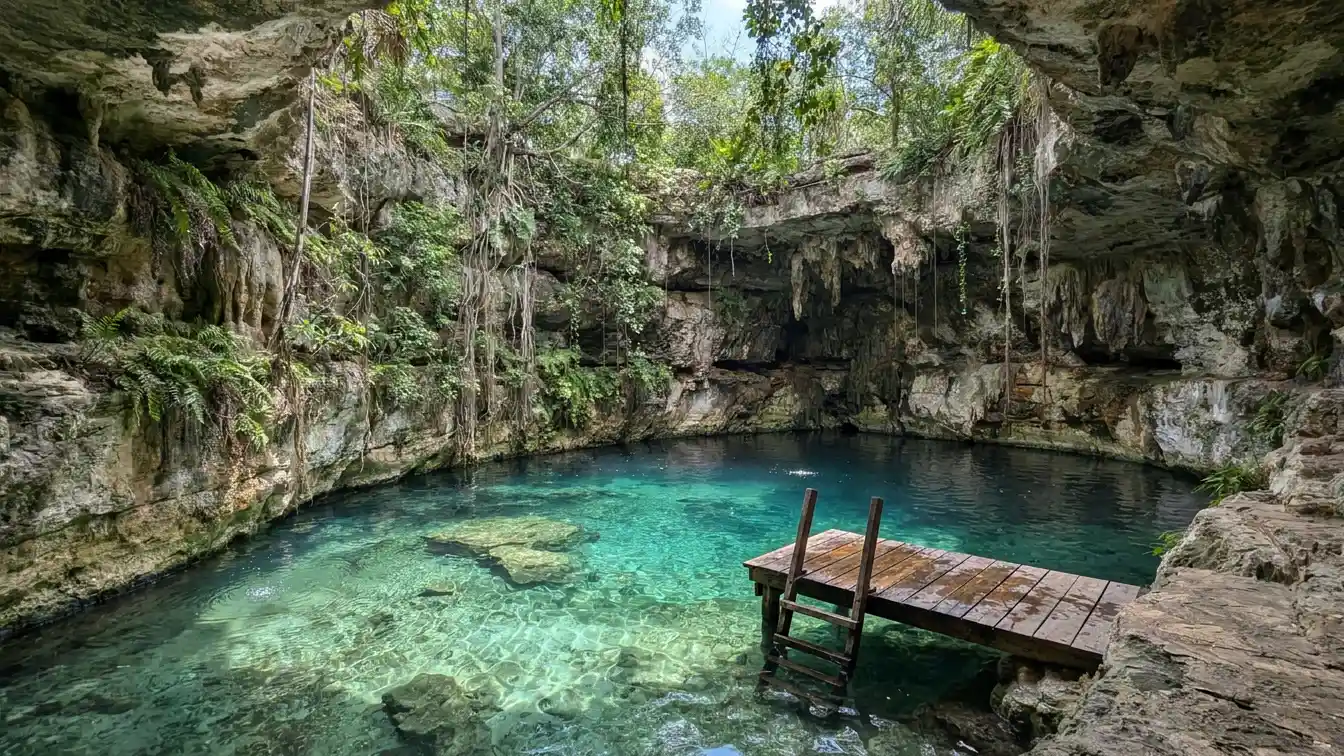
Cenotes in Mexico are natural freshwater sinkholes found mainly on the Yucatan Peninsula. Thousands exist, and many are open for swimming and diving with entry fees and basic safety rules.
What Are Cenotes
Cenotes form when limestone bedrock collapses and exposes underground water. The name comes from the Maya word ts’onot, meaning sacred well. They served as water sources and ritual sites for the Maya for centuries.
Most open cenotes have clear water and some natural light. Cave sections require guides or certification for diving.
Where to Find Them
The highest concentration is on the Yucatan Peninsula between Cancun and the southern border. Popular areas include near Valladolid, Tulum, and Merida. Distances from Cancun range from 45 minutes to a few hours by car or tour.
Public transport and organized tours reach many sites. Independent visitors often rent cars for flexibility.
Popular Cenotes and Entry Costs
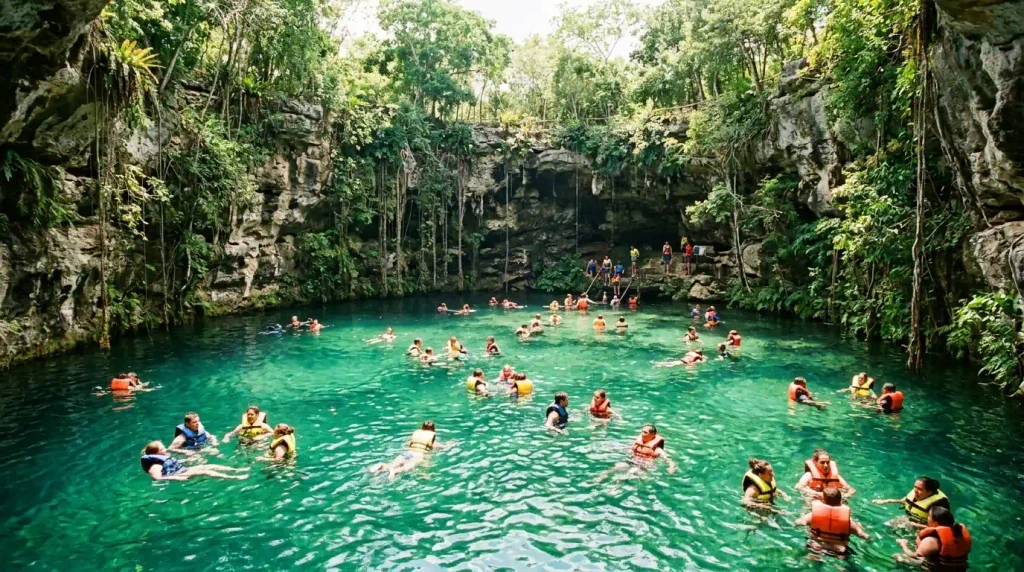
Fees vary by site and are paid in Mexican pesos. Typical adult entry ranges from 50 to 500 MXN depending on the location and facilities.
| Cenote | Area | Approx. Fee (MXN) | Notes |
|---|---|---|---|
| Zaci | Valladolid | 150 | Easy walk from center |
| Ik Kil | Near Chichen Itza | 180 | Common tour stop |
| Dos Ojos | Tulum area | From 400 | Cave and open sections |
| Gran Cenote | Tulum | 500 | Snorkel friendly |
Many sites open from around 9 a.m. to 5 p.m. Last entry is often one hour before close. Life jackets are required at most public locations.
Safety Rules
Swim with a buddy in open water. Cave diving requires specific training and a guide. Do not enter alone. Some deep sites have thermoclines that can cause cramps.
Remove sunscreen and lotions before entering to protect the water. Many sites enforce this rule at the entrance.
How to Visit
Day tours from Cancun or Playa del Carmen include transport and sometimes multiple stops. Independent travel allows more time at each site. Cash is preferred at most entrances.
Bring a towel, water shoes, and a waterproof bag. Changing areas and showers are available at larger sites.
Best Time to Go
Mornings have fewer visitors at popular spots. The dry season from November to April offers more stable conditions. Afternoon crowds increase at Instagram-famous locations.
FAQs
What are cenotes in Mexico?
Cenotes are natural sinkholes filled with freshwater, formed by collapsing limestone. They are concentrated on the Yucatan Peninsula and were important to the Maya.
How much do cenotes cost to visit?
Entry fees typically range from 50 to 500 Mexican pesos per adult. Larger or cave sites charge more. Life jackets are often included.
Do I need a guide for cenotes?
Open swimming areas do not require a guide. Cave sections and diving do. Many snorkel sites offer optional guided entry.
Are cenotes safe?
Public sites have basic rules including life jackets and buddy swimming. Follow posted signs and avoid solo cave exploration.
What should I bring?
Swimwear, a quick-dry towel, water shoes, and cash for entry. Waterproof phone cases are useful for photos.
Can I visit with children?
Many open cenotes allow children with life jackets. Check age or height rules at individual sites before traveling.
How far are cenotes from Cancun?
Popular sites are 45 minutes to three hours away by car or organized tour. Valladolid and Tulum areas have high concentrations.
Is sunscreen allowed?
Most sites ban chemical sunscreen to protect the ecosystem. Biodegradable options or none at all are preferred.
What time do cenotes open?
Most open around 9 a.m. and close by 5 p.m. Arrive early for smaller crowds.
Are there cenotes near Merida?
Yes. Several accessible cenotes lie within day-trip distance of Merida, including guided options.