2 Week New Zealand Itinerary for First-Timers
A 2 week New Zealand itinerary for first-timers starts in Auckland and ends in Queenstown. It covers North Island geothermal areas and Maori culture then South Island mountains and fjords. Most travelers rent a car, take the Cook Strait ferry and keep daily drives under four hours. The plan works for independent visitors who want a mix of cities and nature without advanced hiking skills.
Week One on the North Island
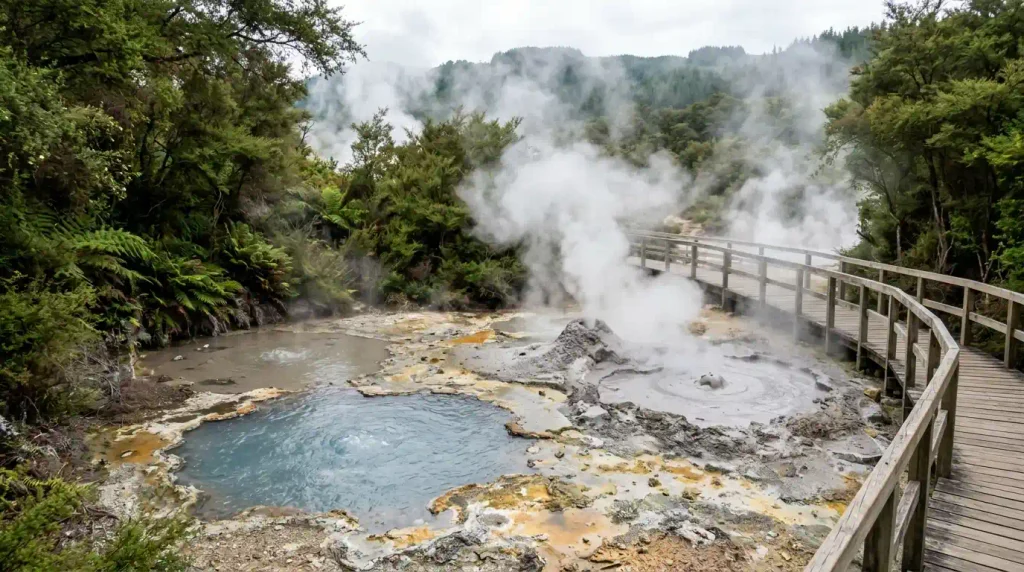
Days 1 and 2 stay in Auckland. Visit the Sky Tower, harbour, and museum. On day 3 drive south to Waitomo for glowworm caves then continue to Rotorua. Days 4 and 5 explore Rotorua’s geothermal parks, Maori villages and hot pools. Day 6 heads to Wellington for the museum, cable car and waterfront. Day 7 takes the ferry from Wellington to Picton. This first week introduces cities, culture and thermal landscapes.
The drive from Auckland to Rotorua via Waitomo is straightforward on main highways. Rotorua to Wellington takes most of a day so leave early. Many first-timers add a stop at Hobbiton near Matamata. For more North Island ideas see new zealand north island itinerary that focuses on the same region.
Week Two on the South Island
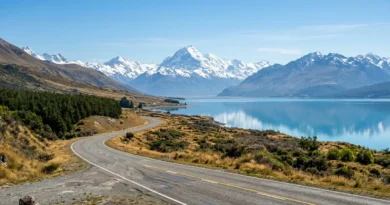
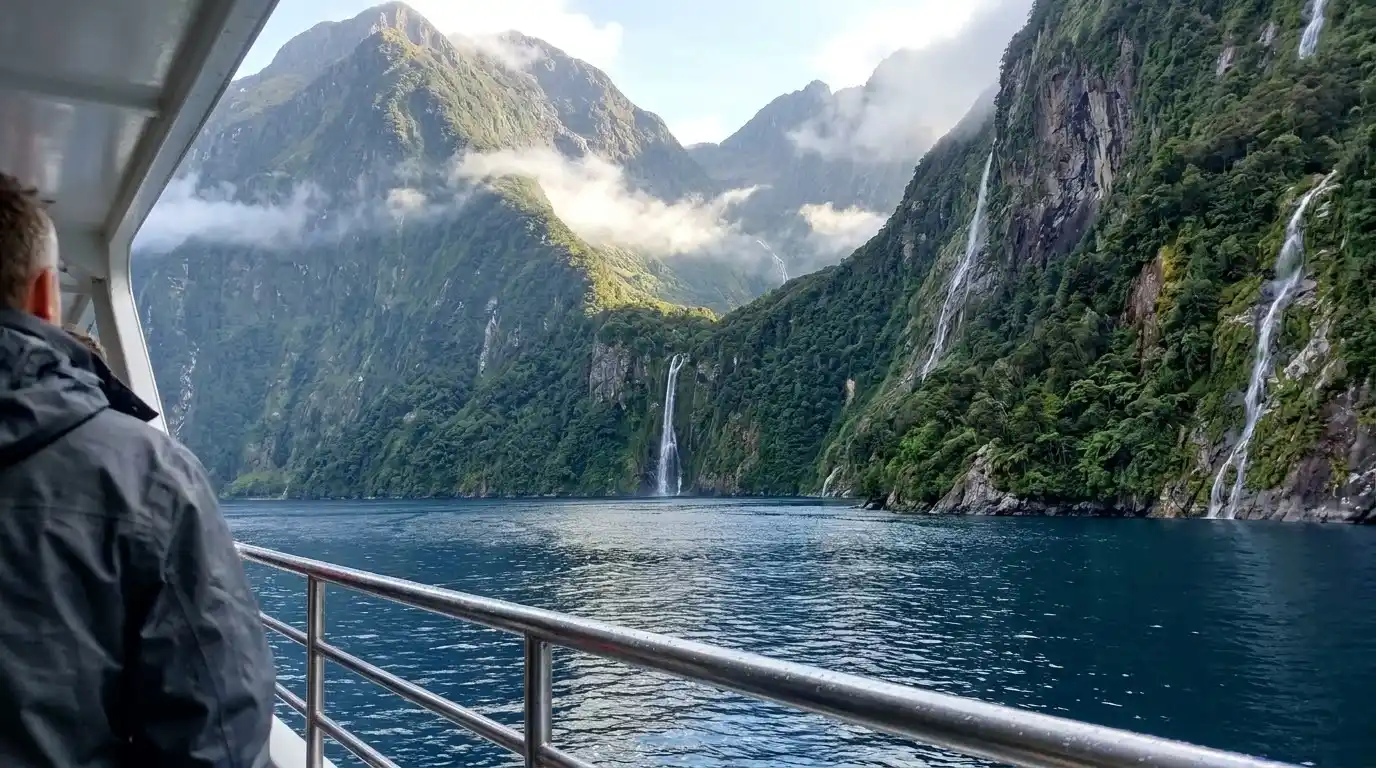
After arriving in Picton, drive toward Christchurch or head inland sooner. Lake Tekapo offers clear night skies and views of Aoraki Mount Cook. Continue to Queenstown for two or three nights. Queenstown serves as a base for adventure activities and a day trip to Milford Sound. The second week focuses on dramatic scenery, lakes and fjords. Driving times stay manageable with early starts.
From Picton to Lake Tekapo takes a full day with stops. Queenstown is the adventure hub. A south island itinerary often mirrors this second half and can be adjusted if the ferry is delayed.
Practical Transport Choices
A rental car is the easiest option for first-timers. Book one-way between Auckland and Queenstown. The Interislander ferry connects the islands in about three hours. Flights between Wellington and Christchurch or Queenstown save time if preferred. Public buses exist but limit flexibility. Download offline maps and allow extra time on winding South Island roads.
Queenstown activities are easy to arrange on site or in advance. Check must do queenstown for common choices such as the gondola or lake walks. Wellington has good public transport if you stay central near the ferry.
Accommodation Tips for Beginners
Book mid-range hotels or motels in Auckland, Rotorua and Wellington. On the South Island, lakeside lodges near Tekapo and central Queenstown hotels work well. Self-contained units or campervans give kitchen access and flexibility. Reserve summer dates early. Many places offer free parking and laundry, useful after long drives.
Rotorua has thermal resorts that first-timers enjoy. Auckland waterfront hotels keep the first nights simple. For broader planning see trip to new zealand overviews that list typical stay styles.
Food, Currency and Daily Costs
Expect NZD 25-40 for a casual dinner. Lamb, seafood and coffee are easy to find. Rotorua offers traditional hangi meals. Queenstown has a wide range of restaurants. A first-timer mid-range budget for two weeks often runs NZD 4,500-8,000 per person excluding flights, covering car, stays, fuel, ferry and a few activities. Cash is useful in small towns but cards work almost everywhere.
Local markets reduce meal costs. Pair the trip with adventure options listed in a new zealand adventure itinerary if you want guided hikes or tours.
What First-Timers Should Book Ahead
Cook Strait ferry tickets, Milford Sound cruise or coach, Hobbiton tour and any popular Queenstown activities. Car rental and key hotels. International flights into Auckland and out of Queenstown. Some geothermal parks and Maori experiences also fill up. Booking reduces stress on arrival days.
Wellington restaurants near the waterfront are easy without reservations except weekends. Rotorua cultural shows are best reserved. See rotorua must do for the main geothermal and cultural stops that need advance tickets.
Seasons and Weather for a First Visit
December to February is warmest and busiest. March-April and September-November are quieter with good hiking weather. Winter brings snow to South Island mountains and shorter days. Rain is possible any month so pack layers and a waterproof jacket. Daylight is long in summer, helpful for driving and sightseeing.
Shoulder seasons often appear in lists such as best places to visit in october when crowds drop but attractions stay open.
Common First-Timer Mistakes to Avoid
Underestimating drive times on winding roads. Skipping the ferry booking. Trying to see too many places in one day. Not allowing recovery time after the long flight. Forgetting rain gear. Driving after dark on unfamiliar roads. Taking the classic route and leaving buffer days prevents most problems.
A slower pace still covers the main highlights. Many visitors combine this plan with a shorter auckland must do day if they arrive late.
FAQs
2 Week New Zealand Itinerary for First-Timers
The itinerary runs Auckland to Rotorua to Wellington, ferry to the South Island, then Lake Tekapo and Queenstown with a Milford Sound stop. It uses main roads and well-known sites suited to first visits.
Do I need a car for two weeks?
A rental car is recommended for flexibility. Buses connect cities but side trips become harder. One-way rentals between airports are common.
How do I cross between the islands?
The Interislander ferry from Wellington to Picton takes about three hours. Flights are an alternative. Book the ferry early in peak season.
What is the best time for first-timers?
Shoulder seasons of March-April or September-November offer good weather and fewer crowds. Summer is warmest but busiest and more expensive.
How much should I budget?
Mid-range travelers often spend NZD 4,500 to 8,000 per person for two weeks excluding international flights. Costs depend on stays and activities.
Is the itinerary too rushed?
It is moderate. Most drives stay under four hours. Adding an extra night in Queenstown or Rotorua slows the pace without missing highlights.
What should I pack?
Layers, waterproof jacket, walking shoes, sun hat and swimwear for hot pools. Weather changes quickly on both islands.
Can I do this without driving?
Yes with buses and tours, but it takes longer and limits spontaneous stops. A car is easier for most first-timers.
Where do flights usually land and leave?
Most international flights arrive in Auckland. Many depart from Queenstown. Open-jaw tickets are straightforward to book.
Are there any must-book activities?
Yes: ferry, Milford Sound cruise, Hobbiton and popular Queenstown activities. Geothermal parks in Rotorua are easier with advance tickets.
Is left-side driving difficult?
Most first-timers adjust quickly. Take it slow on the first day and avoid night driving on unfamiliar roads.
What if the weather is bad?
Main attractions stay open. Indoor options exist in cities. Flexible days in Queenstown or Rotorua help when rain arrives.