Best Things to Do in Cordoba Spain in 2026
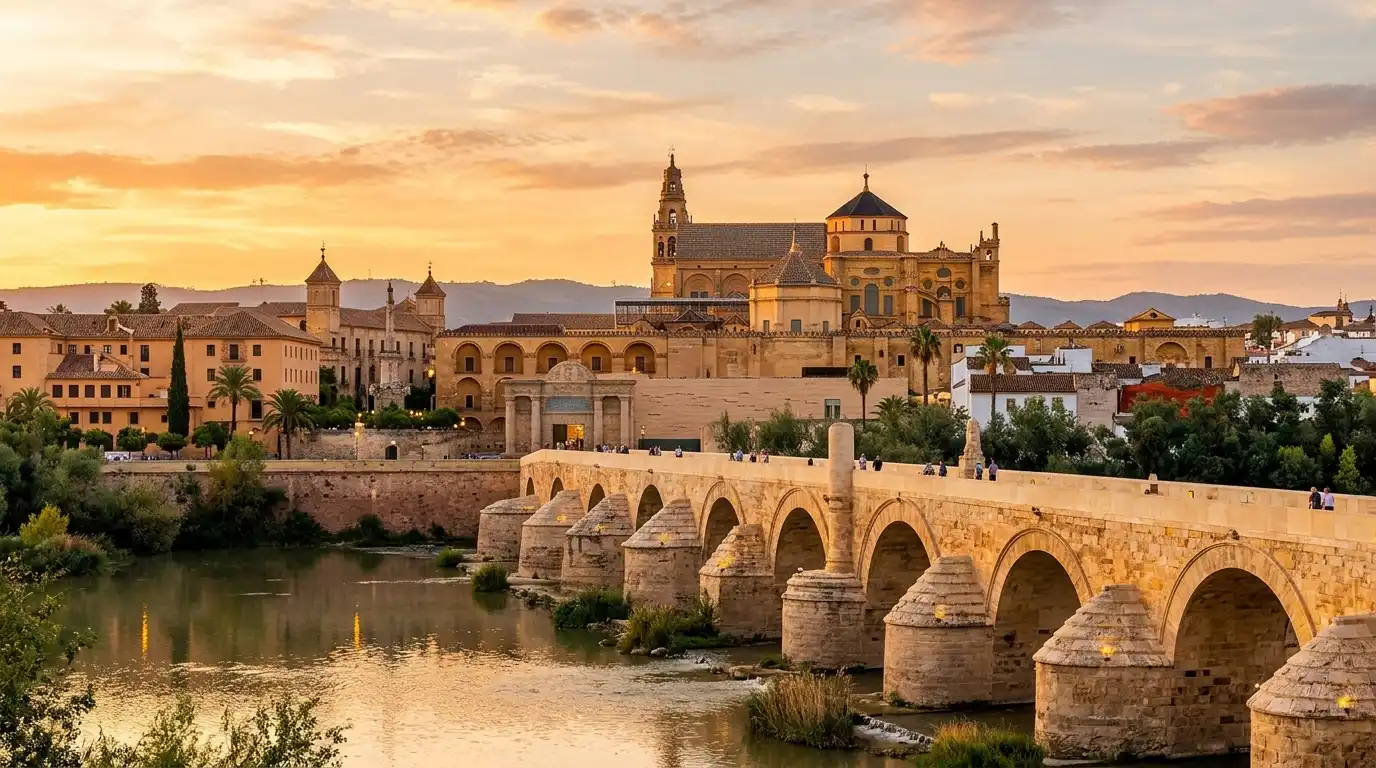
Cordoba centres on the Mezquita-Cathedral, a UNESCO site with red-and-white arches and a forest of columns. The Jewish Quarter offers narrow streets and flower-filled patios. Visitors can see the main sights in one day and add Medina Azahara or the Roman Bridge for a fuller picture. The city sits on the Guadalquivir River in Andalusia.
Visit the Mezquita-Cathedral
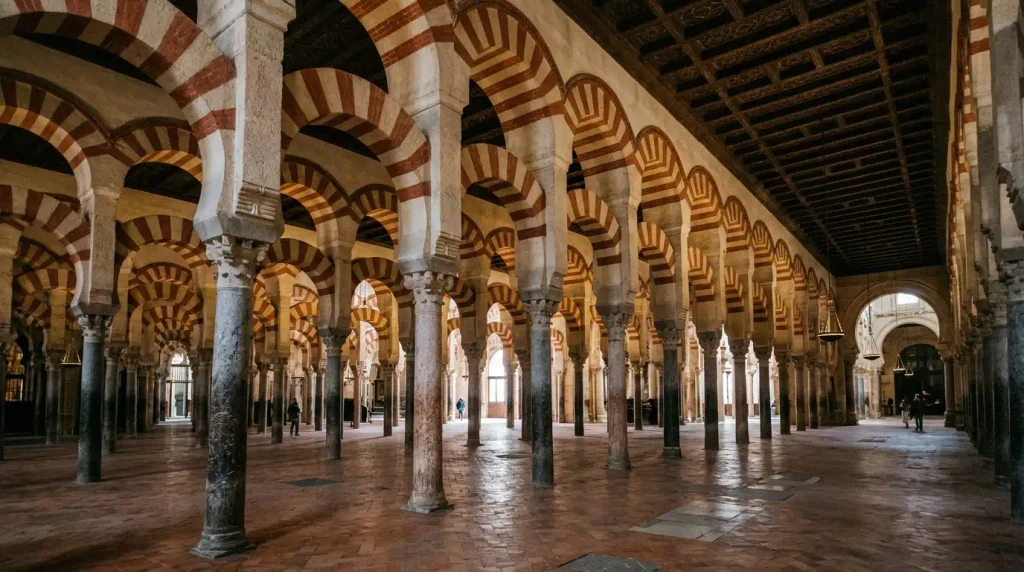
The Mezquita-Cathedral ranks as Cordoba’s top sight. Enter the prayer hall first to see the 856 columns and arches. The Renaissance cathedral nave sits in the middle. General entry costs about 15 euros. Free entry runs Monday to Saturday from 8:30 to 9:30 am. Book ahead in peak season. Allow 1.5 to 2 hours. The Patio de los Naranjos offers a calm orange-tree courtyard at the end.
The building layers 13 centuries of history from mosque to cathedral. Guides explain the transitions. Early morning visits avoid the biggest crowds.
Wander the Jewish Quarter
Enter through the Puerta de Almodovar gate in the old wall. The quarter has cobblestone streets, white houses, and small squares. The Synagogue is small but historic. Flower pots hang on walls year-round, peaking in May during the Patios festival. Many streets are pedestrian only. Plan a morning or late afternoon walk to dodge heat.
The quarter connects easily to the Mezquita. Cafes serve coffee and tapas along the way. It ranks among Spain’s best preserved historic areas.
Explore the Roman Bridge and Alcazar
The Roman Bridge crosses the Guadalquivir with views of the Mezquita and city walls. It is free to walk. The Alcazar of the Christian Kings sits nearby with gardens, towers, and Roman mosaics. Entry costs a few euros. The gardens provide shade and photo spots. Combine both for an afternoon circuit.
Sunset light turns the bridge and walls warm. Many visitors return at dusk for photos. The river path adds a longer stroll.
Day Trip to Medina Azahara
Medina Azahara lies about 8 kilometres west of Cordoba. It was the caliphate’s palatine city and is now a UNESCO site. Start at the museum to understand the ruins, then walk the excavated areas. Buses or taxis reach it easily. Entry is low cost. The site shows how large the original city was before its destruction. Plan half a day including travel.
The on-site museum has models and finds. Without it, the ruins look like scattered stones. Guides are available for deeper context.
See the Patios of Cordoba
The Patios festival runs in early May and turns private courtyards into flower displays. Many are free to enter during the event. Outside festival time, Palacio de Viana has several open patios with plants and fountains. Entry is modest. The tradition is UNESCO intangible heritage. Spring is the best time for blooms.
Even in other months, some courtyards stay open. They offer cool shade in the heat. Local homes still maintain the tradition.
Try Local Food and Wine
Cordoba serves Andalusian tapas with a focus on salmorejo, a cold tomato soup, and flamenquin, rolled pork with ham. Montilla-Moriles wines come from nearby vineyards. Many bars offer free tapas with drinks. A full meal for two runs 30-50 euros. The old town has the densest options. Markets sell local cheese and olive oil.
Day trips to Montilla for tastings are possible. Olive oil from the province is high quality. Ask for local recommendations in the Jewish Quarter.
Visit Nearby Villages
Almodovar del Rio castle sits about 25 kilometres away and appears in Game of Thrones. Priego de Cordoba and Zuheros offer white village scenery in the Subbetica. Distances range from 25 to 100 kilometres. A car works best for multiple stops. One day covers two or three villages. The area has olive groves and mountain views.
Public buses reach some towns but a rental car saves time. Combine with a wine stop if heading toward Montilla.
Practical Tips for Visiting Cordoba
Spring and autumn are ideal. Summer heat exceeds 40 degrees Celsius on many days. The old town is walkable. High-speed trains connect to Madrid and Seville in under two hours. The airport is small; most fly into Seville or Malaga and transfer. Book Mezquita tickets online. Wear comfortable shoes for cobblestones.
Siesta hours affect some shops. Evenings stay lively with outdoor seating. The city is smaller than Seville so crowds feel more manageable outside peak months.
FAQs
What are the best things to do in Cordoba Spain?
See the Mezquita-Cathedral, walk the Jewish Quarter, cross the Roman Bridge, and visit the Alcazar gardens. Add Medina Azahara for a half-day trip and the patios in May.
How long should you spend in Cordoba?
One day covers the main sights. Two days allow a slower pace and a day trip. Three days suit those who want villages or wine areas.
Is the Mezquita worth visiting?
Yes, it is one of Spain’s top monuments. The arches and columns create a unique space. Early entry or a guide improves the experience.
When is the best time to visit Cordoba?
April, May, September, and October offer good weather. May brings the Patios festival. Avoid July and August if possible due to extreme heat.
How do you get to Cordoba?
High-speed trains from Madrid or Seville are fastest. Buses also run. The nearest major airports are Seville and Malaga with ground transfers.
What food is Cordoba known for?
Salmorejo cold soup and flamenquin are local favourites. Tapas culture is strong. Montilla wines pair well with meals.
Is Cordoba walkable?
Yes, the historic centre is compact and mostly flat. Most sights sit within a 15-minute walk. The river and bridge add a pleasant extension.
Are there free things to do in Cordoba?
Walking the Jewish Quarter, the Roman Bridge, and some patios cost nothing. Free early entry to the Mezquita is available on certain days. River views are free.
Can you visit Cordoba as a day trip?
Yes from Seville by train. You can see the Mezquita, quarter, and bridge in one full day. An overnight stay is more relaxed.
What is unique about Cordoba?
The Mezquita combines mosque and cathedral architecture. The Patios festival is distinctive. It was once the capital of the Caliphate of Cordoba.
Where should you stay in Cordoba?
The old town or near the Mezquita puts you close to sights. Boutique hotels in historic buildings are popular. Book early for May or peak weekends.
Is Cordoba expensive?
It is moderate compared with larger cities. Entry fees and meals stay reasonable. Festival periods raise prices. Budget options exist year-round.