
Masseter Botox Before and After: Timeline, Results and Side Effects

Masseter Botox before and after results show gradual jawline slimming as the chewing muscle relaxes and reduces in size over weeks. Visible changes often appear by week four to six. Results typically last three to six months. Side effects are usually mild and temporary when placed correctly.
What Is Masseter Botox
Masseter Botox injects botulinum toxin into the large chewing muscles on both sides of the jaw. The toxin blocks nerve signals so the muscle cannot contract as strongly. Over time the muscle shrinks from reduced use. This can narrow the lower face in people whose jaw width comes from muscle bulk rather than bone or fat.
The treatment also helps people who clench or grind their teeth. Less muscle activity reduces jaw tension, morning soreness and some headaches. It is not a filler and does not add volume. What is skin booster treatment covers a different approach that adds hydration rather than relaxing muscle.
Masseter Botox Before and After Timeline
Changes do not appear overnight. In the first week chewing may feel weaker, especially with tough foods. Clenching often eases within days. By weeks four to six many people notice a softer jawline in photos. Full settling usually occurs around two to three months.
The muscle continues to shrink as long as it stays relaxed. After three to four months strength returns and the muscle slowly regains size. Most people schedule the next session at four to six months. Multiple treatments can produce more lasting reduction because the muscle stays smaller between sessions.
| Time After Treatment | What Usually Happens |
|---|---|
| Week 1 | Chewing fatigue, less clenching |
| Weeks 4-6 | First visible slimming in photos |
| Months 2-3 | Full contour change and comfort |
| Months 4-6 | Gradual return of muscle size |
Who Sees the Best Results
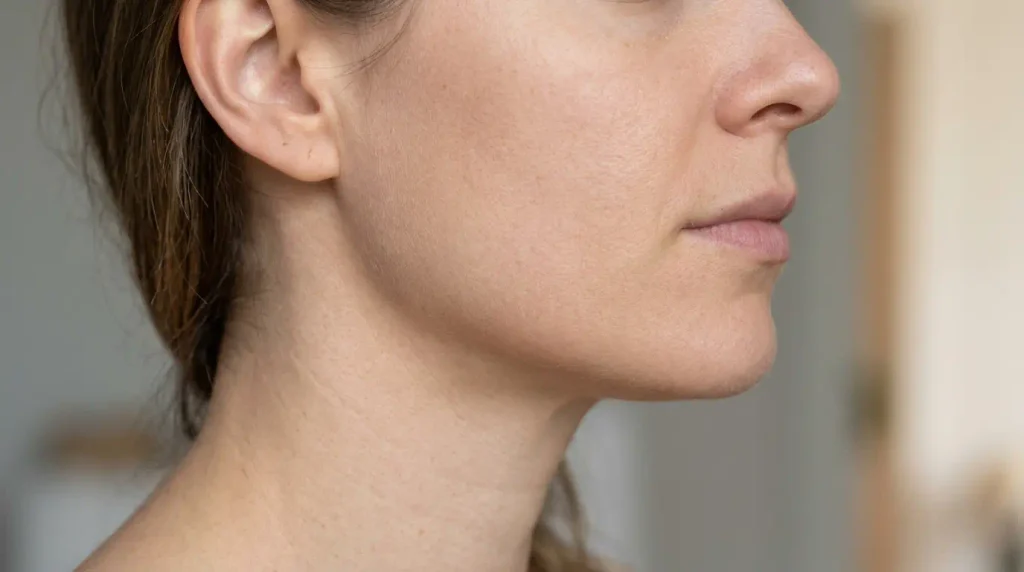
People with enlarged masseter muscles from clenching or genetics see the clearest narrowing. The treatment does little for jaw width caused by bone structure or fat pads. A practitioner assesses this during consultation by feeling the muscle during clenching. Asymmetry can also improve if one side is stronger.
Results vary with dose, placement and individual muscle size. Photos online can mislead because of lighting or angle. Straight-on, neutral-expression photos taken under the same conditions give the fairest comparison. Best over the counter drops for dry eye relief reminds readers that not every treatment suits every person, and the same applies here.
Common Side Effects
Mild tenderness or bruising at injection sites is common and fades within days. Brief chewing fatigue in the first one to two weeks is expected as the muscle relaxes. Most people manage by choosing softer foods temporarily. Serious problems are rare when an experienced injector places the product carefully.
Less common effects include a temporary uneven smile if the toxin spreads to nearby mouth muscles. A hollow look or paradoxical bulge can occur with uneven dosing. These usually resolve as the toxin wears off. Avoid rubbing the area or intense exercise on the day of treatment to limit migration.
How the Procedure Works
The visit is short. The practitioner marks the muscle while the patient clenches. Several small injections go into each side. Discomfort is brief. No downtime is required beyond avoiding strenuous activity and alcohol for a short period. Makeup can usually be applied the next day.
Dose depends on muscle strength and the goal, whether cosmetic slimming, tension relief or both. Follow-up visits allow adjustments if one side responds differently. Choosing a qualified injector reduces the chance of placement issues. How to minimize pores shows another skin concern that benefits from proper technique.
Duration and Maintenance
Most people see results last three to six months. After several rounds the interval can sometimes lengthen because the muscle remains smaller. Stopping treatment lets the muscle return to its original size over time. The effect is not permanent.
Maintenance sessions keep the contour and comfort. Some people combine the treatment with other facial procedures, but spacing matters. Discuss timing with the practitioner. Consistency produces the most reliable before and after change.
Risks and What Can Go Wrong
The main risks are temporary asymmetry of the smile, chewing weakness or an uneven contour. These almost always stem from dose or placement rather than the product itself. Choosing a practitioner who understands facial anatomy lowers the chance. Rare allergic reactions can occur with any injectable.
If results differ from the plan at the review visit, contact the clinic. Do not attempt to correct issues at home. Most unwanted effects fade as the toxin wears off over weeks to months. Realistic expectations prevent disappointment when comparing photos.
Cost Factors and Choosing a Provider
Price varies by location, provider experience and units used. Medical rather than purely cosmetic reasons may affect insurance coverage in some cases. Ask about the total cost and number of units before booking. Experience with masseter treatment specifically matters more than general cosmetic experience.
Look for before and after photos from the same practitioner under consistent conditions. Read recent reviews that mention jaw treatment. A thorough consultation that includes muscle assessment is a positive sign. What is a sedentary lifestyle notes that daily habits affect the body, and clenching habits can influence how long results last.
Aftercare and Recovery Tips
Avoid lying down, rubbing the area or heavy exercise for several hours after treatment. Skip alcohol that day. Soft foods help if chewing feels tired. Sleep with the head slightly elevated if bruising appears. Most people return to normal activities the same day.
Follow any specific instructions from the clinic. Report unusual symptoms such as a drooping smile or significant pain promptly. Proper aftercare supports even results and reduces the chance of migration. Regular follow-up keeps the treatment on track.
FAQs
masseter botox before and after
Before and after photos typically show a softer, narrower lower face after several weeks. Muscle tension also decreases. Full change appears around two to three months and lasts three to six months on average.
How soon can you see results from masseter Botox?
Clenching often eases in the first week. Visible jawline slimming usually starts between weeks four and six. Peak results appear around two to three months.
Does masseter Botox hurt?
Most people feel brief pinches during the injections. The procedure is quick and no numbing is always required. Soreness afterward is mild and short-lived.
How long does masseter Botox last?
Results commonly last three to six months. After multiple treatments the muscle may stay smaller longer, allowing slightly longer intervals between sessions.
Can masseter Botox change your smile?
Yes, if the product spreads to nearby muscles that lift the mouth corners. This is temporary and usually resolves as the toxin wears off. Careful placement reduces the risk.
Is masseter Botox permanent?
No. The muscle regains size and strength once the effect fades. Stopping treatment returns the jaw to its previous appearance over time.
Who is a good candidate?
People with bulky masseter muscles from clenching or genetics and those seeking tension relief. It does not slim bone or fat. A consultation confirms suitability.
What are the most common side effects?
Mild bruising, tenderness and temporary chewing fatigue. These fade within one to two weeks for most people. Serious issues are uncommon with experienced injectors.
How many units are typical?
Doses vary widely by muscle size and goal. Practitioners determine the amount after assessing the muscle. There is no single standard number for everyone.
Can you eat normally after masseter Botox?
Soft foods are easier in the first week while the muscle relaxes. Most people return to regular eating within days to a couple of weeks.
Does it help with teeth grinding?
Yes. Reduced muscle activity lessens clenching and grinding for many people. It does not replace a night guard in every case but can complement one.
What if the result looks uneven?
Contact the practitioner. Small differences can be adjusted at a follow-up. Most asymmetry improves as the toxin settles or wears off.