
Japanese Desserts: Types, Origins, Ingredients and Where to Find Them
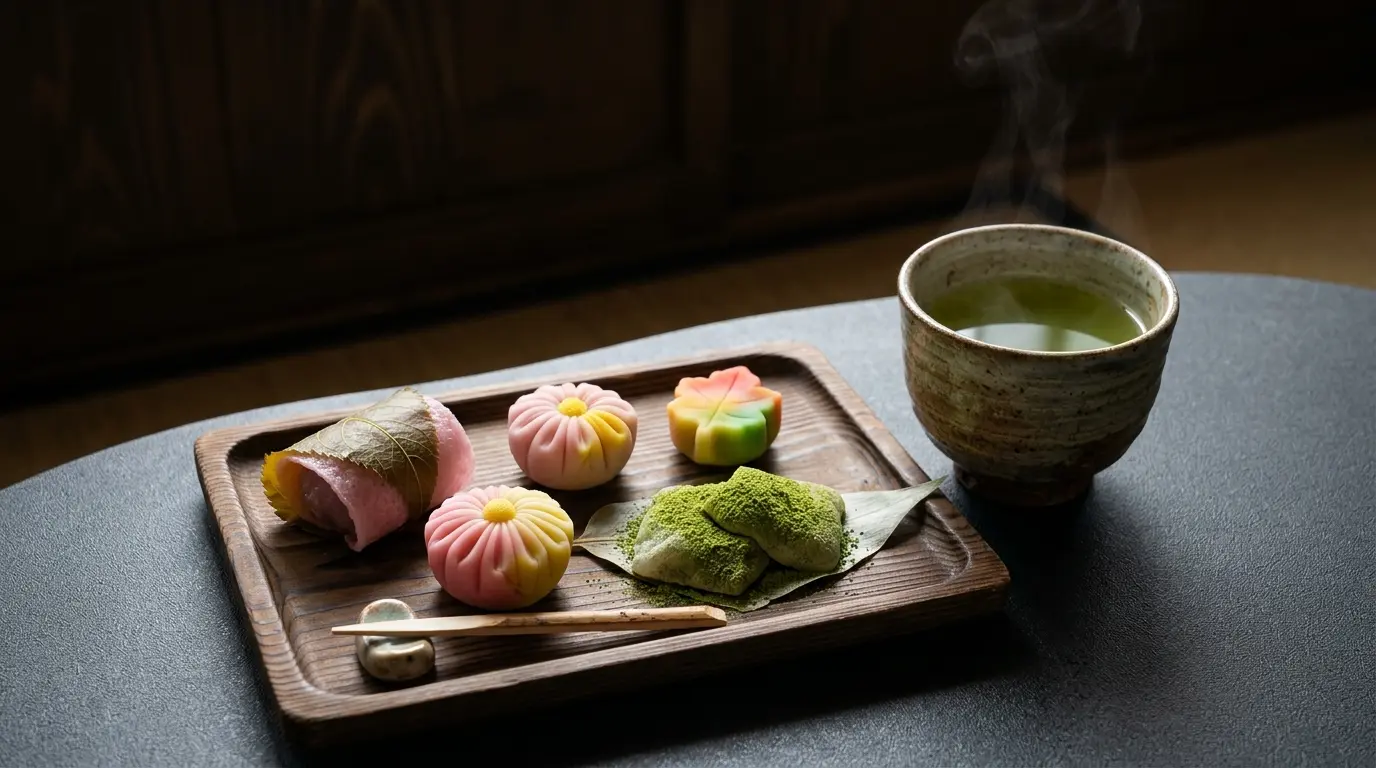
Japanese desserts include traditional wagashi made from rice, beans and sugar plus modern yogashi influenced by the West. Mochi, dango, dorayaki and yokan remain popular. People eat them with green tea or as street snacks across Japan and in specialty shops worldwide.
What Are Traditional Japanese Desserts
Traditional Japanese sweets are called wagashi. They developed over centuries using local ingredients such as glutinous rice, adzuki beans and plant-based sweeteners. Custom in Japanese food service often pairs these sweets with tea. Wagashi appear in seasonal forms tied to festivals and tea ceremonies. Unlike many Western desserts, most contain little or no dairy or butter.
Wagashi fall into three groups based on moisture. Namagashi stay fresh and soft with higher water content. Han-namagashi last a few days. Higashi are dry and keep longer. Artists shape many by hand into flowers or seasonal symbols. The result is a treat that looks as refined as it tastes.
Popular Types of Japanese Desserts
Mochi ranks among the best known. It is pounded glutinous rice formed into soft cakes. Daifuku wraps mochi around sweet red bean paste or fruit. Dango are small rice flour dumplings often served on skewers with soy syrup. Tokyo Japanese lifestyle culture fashion food and traditions feature these at street stalls and department stores.
Taiyaki is a fish-shaped cake filled with anko. Dorayaki sandwiches bean paste between two small pancakes. Yokan is a firm jelly made from red beans, sugar and agar. Warabi mochi uses bracken starch for a melting texture dusted with roasted soybean flour. Each has a distinct texture from chewy to smooth.
| Dessert | Main Base | Typical Filling or Topping | How It Is Eaten |
|---|---|---|---|
| Daifuku | Mochi | Anko or strawberry | In small bites with tea |
| Dango | Rice flour | Soy syrup or anko | On a skewer |
| Taiyaki | Batter | Anko or custard | Hand-held street food |
| Yokan | Red beans and agar | None or matcha | Sliced and served plain |
| Dorayaki | Pancake | Anko | As a snack or dessert |
Origins and History of Wagashi
Mochi traces back to ancient rice pounding traditions that arrived from China during the Yayoi period. It became central to New Year and wedding rites. Sugar arrived later, so early sweets relied on beans and grains for mild sweetness. The Heian era elevated refined sweets for the aristocracy.
Portuguese traders in the 16th century introduced castella, a sponge cake that Japan adapted. This marked the start of yogashi, or Western-style sweets. Castella from Nagasaki remains famous. Modern shops still sell both classic wagashi and fusion items. Seasonal offerings change with the calendar, from sakuramochi in spring to mizu yokan in summer.
Key Ingredients in Japanese Desserts
Adzuki beans form the backbone of many fillings. Cooked with sugar they become anko, either chunky tsubuan or smooth koshian. Glutinous rice or rice flour creates the chewy base for mochi and dango. Agar or kanten sets yokan without animal gelatin. Matcha, chestnuts and seasonal fruits add color and flavor.
Sugar types include wasanbon, a refined Japanese sugar, and brown sugar for depth. Eggs appear in some items such as castella but remain rare in pure wagashi. Are mushrooms keto discussions sometimes note plant-based options, and many Japanese sweets fit that pattern. Freshness matters. Namagashi are best the day they are made.
How Japanese Desserts Are Eaten
People usually eat wagashi in small portions. The chewy texture of mochi benefits from bites paired with hot green tea that cuts the sweetness. Street versions of taiyaki or imagawayaki are eaten by hand while warm. Department store food halls display rows of seasonal sweets for gift giving.
At a tea ceremony the host serves a carefully chosen sweet before the tea. The design of the sweet often reflects the season or the theme of the gathering. Outside Japan, specialty shops and some grocery stores stock packaged mochi or yokan. Fresh versions appear at Japanese bakeries in major cities.
Where to Find Japanese Desserts
In Japan, look in depachika, the basement food halls of department stores. Traditional shops in Kyoto and Tokyo specialize in wagashi. Street vendors near temples sell taiyaki and dango. Convenience stores carry modern versions such as mochi ice cream or purin.
Outside Japan, Japanese grocery stores and bakeries stock the classics. Online shops ship dry higashi and some frozen items. Best foods in Singapore sometimes include Japanese sweets in food courts. Specialty cafes in larger cities serve matcha with a side of dorayaki or warabi mochi.
Modern Japanese Sweets and Yogashi
Yogashi cover Western-inspired items that Japan refined. Castella is light and airy. Melon pan has a cookie crust over soft bread. Japanese cheesecake and fluffy pancakes appear in cafes. Mochi ice cream combines the traditional rice cake with cold fillings.
Many bakeries now mix chocolate, cream or fruit into traditional bases. These newer items appeal to younger customers while classic wagashi hold their place at ceremonies and gift giving. Both styles appear side by side in shops. Affogato the ultimate Italian coffee dessert experience shows how other cultures also pair sweets with drinks, similar to the tea pairing in Japan.
Seasonal and Regional Variations
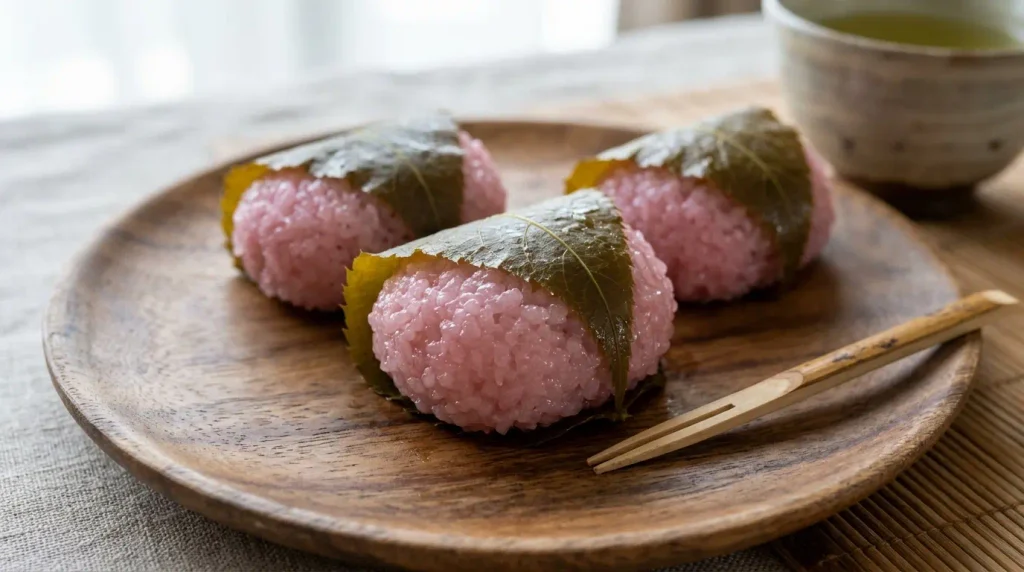
Sakuramochi appears in spring wrapped in a salted cherry leaf. Kashiwamochi marks Boys’ Day in May. Summer brings cooling mizu yokan and kakigori shaved ice. Autumn features chestnut sweets. Winter offers zenzai, a warm red bean soup with mochi.
Kyoto is known for refined namagashi. Nagasaki claims the best castella. Regional rice crackers and bean sweets vary by prefecture. Travelers can taste local versions at stations and markets. 10 things to do in Bali may not feature these, but Japan itineraries often include a sweet stop.
Storing and Serving Tips
Fresh namagashi keep only a day or two in the refrigerator. Dry higashi last weeks in a cool place. Wrap leftover mochi tightly to prevent drying. Serve most sweets at room temperature or slightly warm for street items. Always pair with unsweetened tea to balance the sugar.
Homemade versions require practice for the right texture. Store-bought options from reliable brands deliver consistent quality. Check labels for allergens such as wheat or nuts in some fillings. Enjoying Japanese desserts centers on appreciation of texture, season and simplicity rather than heavy richness.
FAQs
japanese desserts
Japanese desserts cover traditional wagashi made from rice, beans and agar plus Western-style yogashi. Popular examples include mochi, dango, taiyaki and yokan. They are usually eaten in small amounts with green tea.
What is the difference between wagashi and yogashi?
Wagashi are traditional sweets based on Japanese ingredients and techniques. Yogashi are Western-style sweets that Japan adapted, such as castella and melon pan. Both appear in modern shops.
Are Japanese desserts dairy free?
Most traditional wagashi contain no dairy or butter. They rely on beans, rice and plant starches. Some modern yogashi and cafe items include cream or cheese.
What is anko?
Anko is sweet red bean paste made from adzuki beans cooked with sugar. It fills mochi, dorayaki and many other sweets. It comes in chunky or smooth styles.
How do you eat mochi?
Take small bites because the texture is sticky and elastic. Pair it with hot green tea to help it go down. Do not try to swallow a large piece at once.
Where can I buy Japanese desserts outside Japan?
Japanese grocery stores, specialty bakeries and some online shops carry packaged and fresh options. Department stores in large cities often have a Japanese sweets section.
What is the most popular Japanese dessert?
Mochi and its filled form daifuku rank among the most recognized worldwide. Taiyaki and dorayaki are also widely available as street and cafe snacks.
Do Japanese desserts use a lot of sugar?
Traditional versions use less sugar than many Western cakes because early recipes relied on beans. Modern items can be sweeter. Portions stay small.
Can you make Japanese desserts at home?
Simple versions such as dango or basic mochi are possible with rice flour and anko. Shaped namagashi require more skill and practice. Many people start with store-bought anko.
What tea goes with Japanese desserts?
Unsweetened green tea, especially matcha or sencha, is the classic pairing. The bitterness balances the mild sweetness of the sweets.
Are there seasonal Japanese desserts?
Yes. Sakuramochi appears in spring, mizu yokan in summer, chestnut sweets in autumn and warm red bean soup in winter. Shops change displays with the calendar.
What is warabi mochi?
Warabi mochi is a soft, jelly-like sweet made from bracken starch rather than rice. It is dusted with kinako soybean flour and often served with syrup.