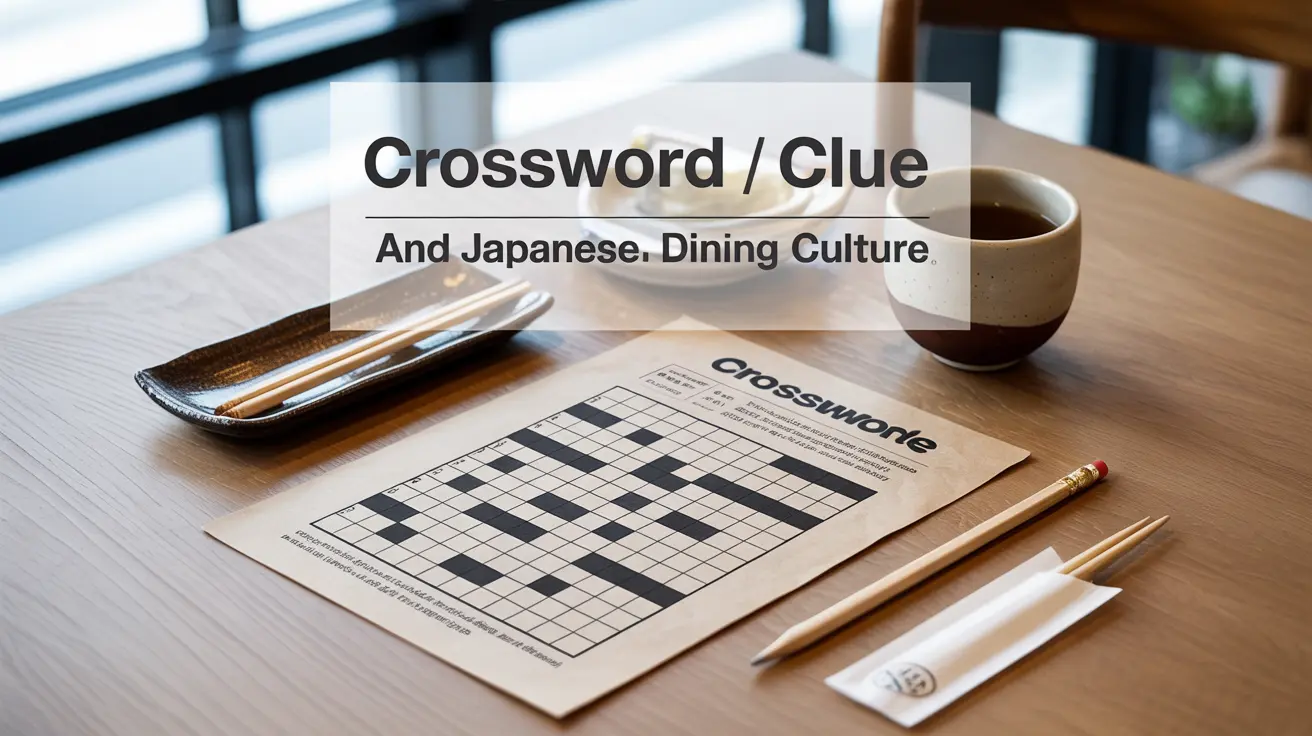
Custom in Japanese Food Service Crossword Clue (6 Letters)
This clue trips people up because it is about service culture, not food. If you grew up tipping, the answer can feel odd at first. Once you know the norm, it clicks fast.
- Answer: NOTIPS
- Length: 6
- Letter pattern help: _ O T I P S → add N
- Extra hint you might see: PINOTS (anagram hint)
“Custom” means a common practice. In Japanese restaurant service, tipping is not the standard. So the clue points to the idea of “no tips.” Crossword clues love short cultural truths like that.
The wording matters too. It says “food service.” That means the service setup, not the cuisine.
Why tipping is not the norm in Japan
Many visitors bring tipping habits with them. That creates confusion in Japan. The system works differently, so staff usually do not expect extra cash.
Prices already cover the experience. Service is treated as part of the job. People often see it as a professional standard.
Omotenashi and the service mindset
You may hear the word omotenashi. It means wholehearted hospitality. The idea is simple. Guests should feel cared for without negotiation.
Tipping can clash with that feeling. It can make service seem like a transaction. That is not the tone most places aim for.
What can happen if you try to tip
This is a common problem for tourists. You leave coins on the table. A staff member follows you outside. They hand the money back and look confused. Nobody is angry, but the moment feels awkward.
Another issue shows up at hotels. You try to give cash to a staff member. They may refuse or look uncomfortable. You meant it as thanks. They may read it as a misunderstanding.
Best solution: skip the tip and use a clearer form of appreciation. A sincere thank you goes a long way.
Exceptions and gray areas you should know
The crossword answer still stands. Most situations stay tip free. Yet a few places fall into a gray zone. Knowing them prevents stress.
Tourist focused venues
Some tourist heavy areas copy Western habits. You may see a tip jar near the register. You may see a payment screen with a tip prompt. This is not the traditional baseline. It is usually optional.
If you feel unsure, keep it simple. Pay the listed price. Say thank you. Move on.
Guides and private services
Private tours vary by company and client mix. Some guides work with many foreign travelers. They may accept tips more often. Others still do not expect them.
If you want to show appreciation, ask in a polite way. Keep it short. “Is a tip okay here?” If they say no, respect it.
Hotels, ryokan, and service charges
Some places include a service charge in the bill. Some do not. In many cases, the final price already covers service.
If you stay at a traditional inn, staff may provide careful attention. You can show respect through manners and timing. Be on time for meals. Follow house rules. Keep noise down at night.
What to do instead of tipping
People still want a way to say thanks. That is normal. Use options that fit the culture.
Simple alternatives that work
- Say “thank you” with eye contact and a calm tone.
- Compliment something specific, like the dish or the attention to detail.
- Leave a positive review if the place uses reviews.
- Return as a repeat customer if you can.
- Treat the space with care. Clean up small messes.
These actions feel clear. They avoid confusion. They also show real respect.
Do you tip in Japan by situation
Here is a quick guide you can save. It covers common situations most visitors face.
| Place or service | Tip expected | What to do instead | Notes |
|---|---|---|---|
| Restaurants | No | Thank the staff | Pay the bill as shown |
| Cafes | No | Be polite, leave a review | Tip jars are sometimes tourist driven |
| Taxis | No | Pay the exact fare | Rounding up is not standard |
| Hotels | Usually no | Thank staff, follow etiquette | Some bills include service |
| Ryokan | Usually no | Respect house rules | Ask at the front desk if unsure |
| Food stalls | No | Keep the area tidy | Quick service culture |
| Tour guides | Sometimes | Ask politely first | Depends on the company |
| Delivery | Usually no | Say thanks at the door | Follow local norms |
If you only remember one rule, remember this. Most everyday services do not use tipping.
Crossword solver help
Some people land on the answer fast. Others want a few extra checks. This section helps you confirm without guessing.
Letter patterns that match
- _ O T I P S
- N O _ I _ S
- N O T _ P _
NOTIPS fits cleanly because it is short and direct.
Why the “PINOTS” hint appears
Some clue pages show an anagram style hint. PINOTS uses the same letters as NOTIPS. It pushes you toward the right letter set without giving the answer away.
Similar clue styles that often point to the same answer
Editors reuse ideas with small changes. You might see clues like these:
- Policy at some restaurants
- Gratuity free policy
- Service included policy
- No gratuity practice
If the answer length is six, NOTIPS stays a strong match.
Common reader problems and the best fixes
This topic has a few repeating pain points. Here are the ones people run into most.
Problem: “I already left a tip. What now?”
Do not panic. If staff returns it, accept it with a smile. If they do not notice, do not make a scene. Move forward and follow the local norm next time.
Problem: “I want to show gratitude, but words feel small.”
Make the thanks specific. Mention the dish you loved. Mention how welcoming the staff felt. People remember details more than money.
Problem: “The payment screen asked for a tip”
Treat it as optional. If it feels unclear, choose zero and continue. You are not being rude. You are matching the usual custom.
Problem: “My friend says tipping is rude. Another friend says it is fine.”
Both can be true depending on context. Most traditional settings do not expect it. Some modern tourist setups accept it. When unsure, ask once in a polite tone. Then follow the answer you get.
FAQ
What is the answer to “Custom in Japanese food service”?
The answer is NOTIPS.
How many letters is the answer?
It is six letters.
Is tipping rude in Japan?
It can feel awkward in many places. Staff often do not expect it.
Why is tipping not common there?
Service is usually treated as part of the listed price. People expect consistent service without extra payment.
Are there any exceptions?
Yes. Some guides or tourist focused venues may accept tips. It depends on the setting.
What should I do instead of tipping?
Say thank you, be respectful, and leave a positive review when possible.
Why does the hint “PINOTS” show up?
It is an anagram hint that uses the same letters as NOTIPS.
Final recap
If you came for the crossword, here is the clean takeaway. NOTIPS is the six letter answer to “Custom in Japanese food service.” The clue works because tipping is not the standard practice in most Japanese food service settings.