
What Are Travel Tweaks for Hotels and How Do They Help You Book a Smarter Stay?
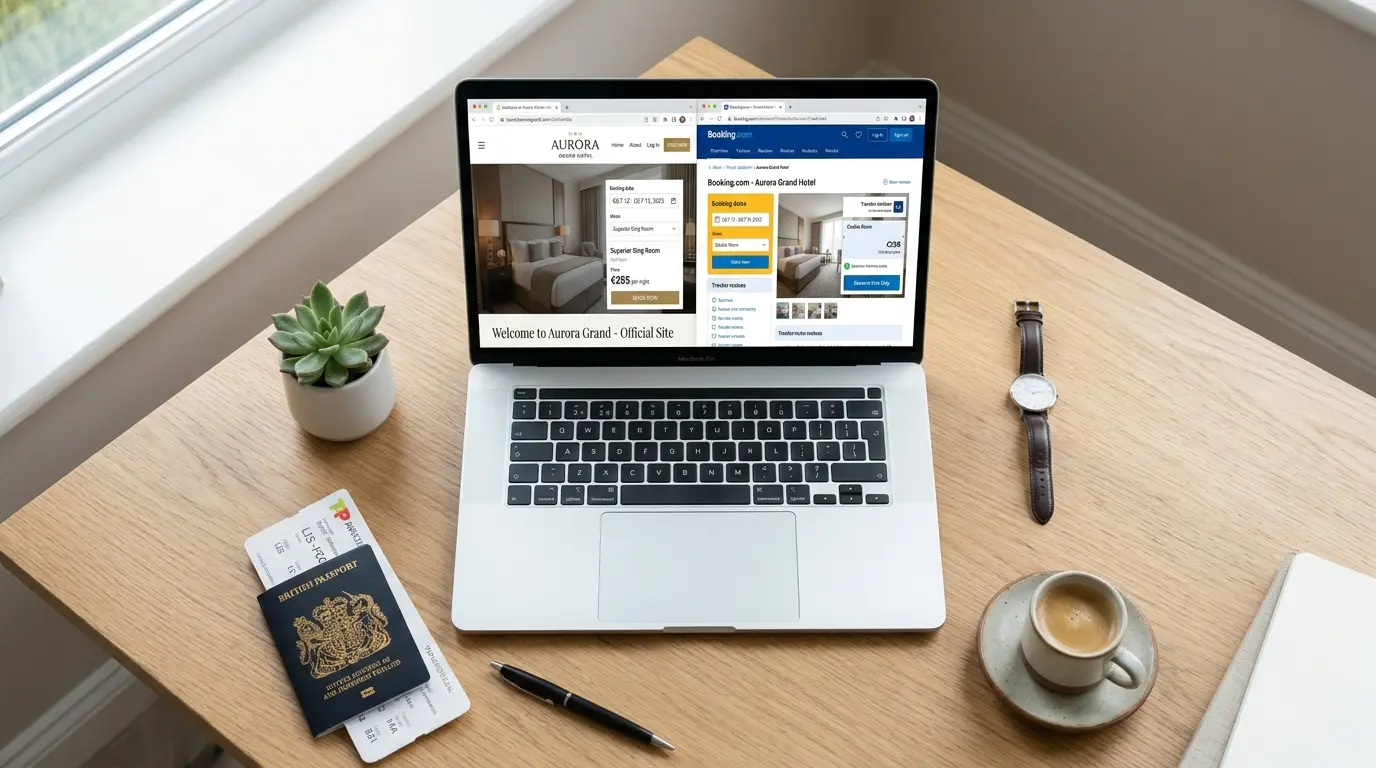
Travel tweaks for hotels are small, deliberate adjustments to how you search, book, and check into a stay. Shifting your travel dates by a day, comparing a direct booking against a third party site, and checking for resort fees before paying can change the final cost of a trip more than most travelers realize. Anyone who has booked a hotel and then watched the price drop the next morning knows the frustration this causes.
That frustration is exactly why understanding a few practical tweaks matters more than chasing another generic deal site. Most travelers aren’t lacking motivation. They’re lacking a clear picture of how hotel pricing actually works and what levers they can pull before hitting confirm.
Why Do Hotel Prices Change So Much When I Check the Same Room Twice?
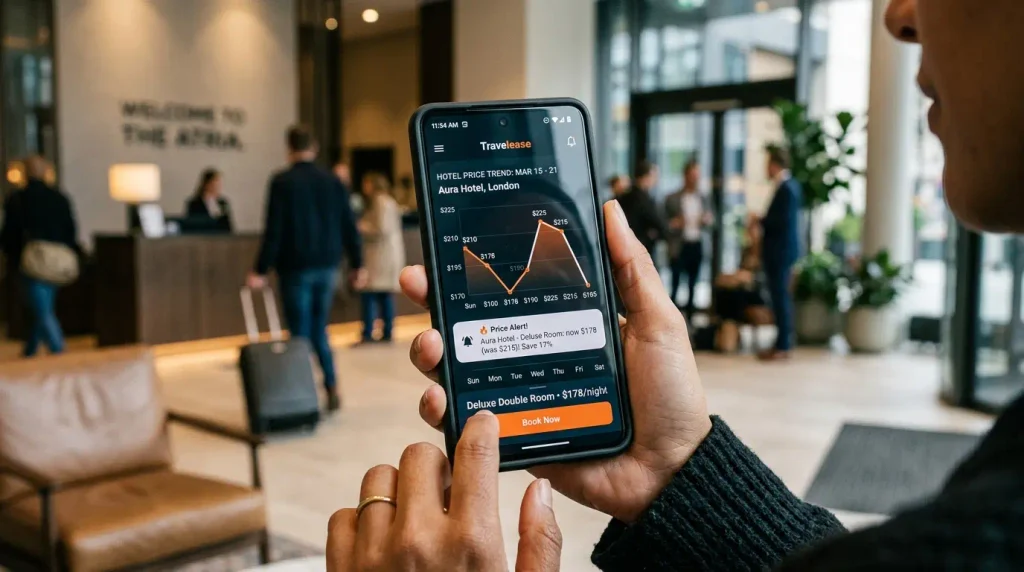
Hotels rely on dynamic pricing, adjusting rates in real time based on how many rooms are left, local demand, and events happening nearby. That’s why a room can look one price on Monday and a noticeably different price on Wednesday, even with nothing else changed.
Travelers consistently find that prices swing hardest around three triggers:
- A local event or festival driving up short term demand
- The gap between peak season and off peak travel for that specific destination
- How close the check in date is when you’re searching
Expect meaningful shifts, often ten to thirty percent, in the weeks leading into a holiday weekend or a major convention in a city. Booking flexibility, even a single day of wiggle room on either side of your ideal date, often unlocks a noticeably better rate. A common mistake first timers make is locking in a specific date too early without ever checking whether shifting the stay by 24 hours would meaningfully change the price.
Should I Book Directly With the Hotel or Through a Third Party Site?

This is one of the most repeated questions travelers ask, and the honest answer is that it depends on what you value more.
Booking directly with the hotel usually protects loyalty program points, keeps cancellation terms more flexible, and puts you first in line for a complimentary upgrade if one becomes available. A third party platform sometimes shows a slightly lower headline number, especially for last minute stays, but changes and cancellations can be more restrictive.
[Comparison Table: Direct Booking vs Third-Party Platform]
| Factor | Direct Booking | Third-Party Platform |
| Loyalty points earned | Full points and elite credit | Often reduced or none |
| Upgrade priority | Higher | Lower |
| Cancellation flexibility | Usually more flexible | Often stricter |
| Headline price | Sometimes slightly higher | Sometimes slightly lower |
| Customer service if issues arise | Direct with property | Routed through platform |
If your trip dates are fixed and you’re likely to want changes, direct booking is usually worth the small price difference. If you’re locked into your dates already and hunting purely for the lowest number, a reputable third party platform can work, as long as you read the cancellation terms first.
What Hidden Hotel Costs Should I Check Before I Confirm a Booking?
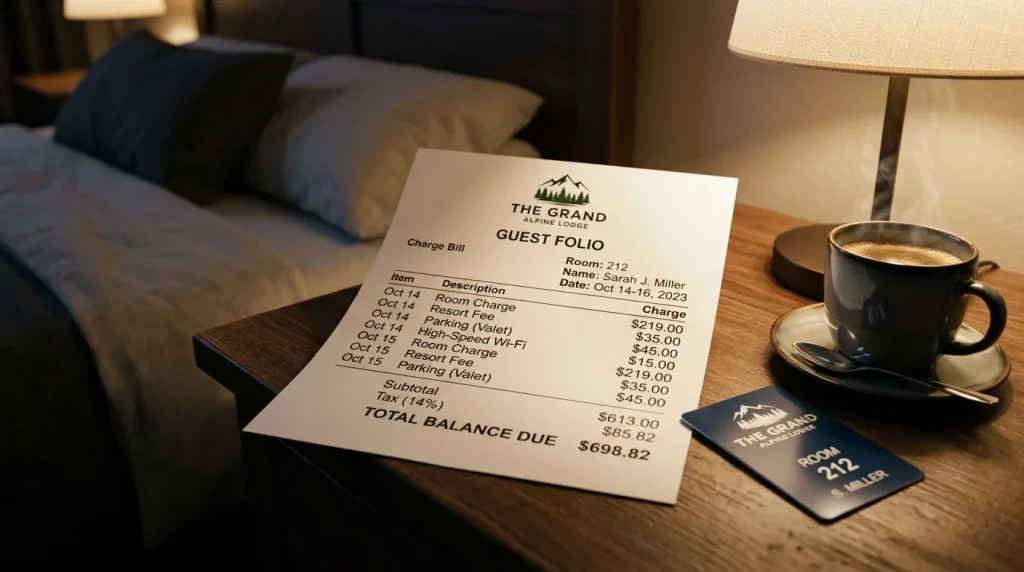
A room rate rarely tells the whole story. Resort fees, parking, and Wi-Fi charges are the three most common add ons that catch travelers off guard, and they’re often disclosed only after you’ve already committed to the room.
[Cost Table: Common Hidden Hotel Fees]
| Fee Type | Typical Range | Where It’s Common |
| Resort fee | $15 to $45 per night | Beach resorts, city hotels in the US |
| Self parking | $10 to $60 per night | Downtown and airport hotels |
| Valet parking | $30 to $75 per night | Luxury and boutique properties |
| Wi-Fi (if not included) | $0 to $15 per night | Older or budget properties |
| Early check-in / late check-out | $25 to $75 flat fee | Most mid-range and luxury hotels |
These figures vary widely by destination and property class, so treat them as a planning range rather than a fixed number. The safest habit is reading the full rate breakdown before entering payment details, not after arriving at the property. A hotel that clearly lists its fees upfront is usually a better sign of an honest operation than one that buries them in a footnote.
When Is the Best Time to Book a Hotel to Get the Lowest Price?

For most city hotels, booking around four to eight weeks before travel tends to land a strong balance between price and room availability. Wait too long and prices often climb as inventory shrinks. Book too early and you may miss a later flash discount, though this trade off is usually small compared to waiting until the last minute.
Resort and beach destinations behave differently. Popular coastal properties in places like Bali or along Mediterranean coastlines often reward booking two to four months ahead for peak months, since rooms sell out well before the season starts. Shoulder season months, generally the weeks just before or after the busiest tourist months, tend to offer noticeably lower rates with only a modest trade off in weather or crowd size.
A traveler planning a trip to Southeast Asia, for example, will typically find November through early December offers better rates than the crowded December holiday stretch, with weather that’s still very workable for sightseeing.
How Do Hotel Loyalty Programs Actually Save You Money?

Loyalty programs can genuinely add value, but only for travelers who stay with the same chain regularly enough to make the points meaningful. Benefits usually include priority for room upgrades, late check-out without an extra fee, and eventually a free night once enough points accumulate.
The honest downside rarely gets mentioned. Points can lose value over time if a program changes its redemption chart, blackout dates can quietly block the best award nights, and elite status perks sometimes get scaled back with little warning. Locals working in hospitality often say the real value of a loyalty program shows up in small, consistent perks rather than one big redemption, things like a better room category at the same price or a guaranteed late check-out when you need to catch an evening flight.
If you travel only once or twice a year, it’s usually not worth chasing status with a single chain. Comparing a few loyalty programs against your actual travel pattern before committing saves more money than blindly joining the first one offered at check-in.
How Can I Get a Free Room Upgrade at Check-In?

Room upgrades are rarely random. Front desk staff typically finalize upgrade decisions once the day’s arrivals and departures are clear, which is usually mid to late afternoon.
A few habits genuinely improve your odds:
- Arrive slightly later in the check-in window rather than right at the earliest possible time
- Mention any special occasion politely, without making it the center of the conversation
- Stay flexible about room type instead of insisting on a specific room number
- Be pleasant with staff, since upgrade decisions often go to guests who are easy to work with
None of this guarantees an upgrade, and it’s worth setting that expectation honestly. But travelers who follow this pattern consistently report better results than those who simply hope for the best.
What Travel Tweaks Work Best for Different Kinds of Trips?

Family travel benefits most from booking connecting rooms or suites with a separate sleeping area early, since family friendly room categories sell out faster than standard rooms. Always confirm whether extra beds or cribs carry an additional nightly fee before arrival.
Business travel rewards simplicity. A hotel close to the meeting location, with reliable Wi-Fi and a straightforward cancellation policy for last minute schedule changes, usually beats a slightly cheaper option further away.
Romantic getaways and honeymoon trips benefit from a short pre-arrival note to the hotel mentioning the occasion. Many properties will quietly arrange a small welcome amenity or offer a complimentary upgrade when availability allows, though this should never be assumed or expected as guaranteed.
How Does a Hotel’s Location Near Landmarks Actually Affect the Stay?

Location decisions often come down to a simple trade off between price and convenience. A hotel a short walk from a major landmark, say within ten minutes of the Eiffel Tower in Paris or Marina Bay in Singapore, usually costs more per night but saves both time and transport money across a multi day stay.
A property that looks like a bargain fifteen minutes outside the center by taxi can end up costing more once daily transport is factored in, especially in cities where taxis or rideshare surge pricing during peak hours. Checking the walking distance to the nearest metro or train station, not just the distance to the main attraction, gives a more realistic sense of daily convenience. In cities like Hanoi, staying inside the Old Quarter puts most major sights, street food stalls, and transport links within easy walking range, which often outweighs a lower nightly rate in a more distant neighborhood.
What Technology Tweaks Make Hotel Check-In Easier in 2026?

Mobile check-in apps and digital room keys have become standard at most major chains, letting travelers skip the front desk entirely and head straight to the room. This works well for late arrivals or travelers who prefer minimal contact.
It’s still worth confirming the property keeps a staffed front desk option available, since digital check-in can occasionally fail due to connectivity issues, and having a human backup avoids being stuck outside a locked room at midnight.
What Mistakes Do First-Time Hotel Bookers Make Most Often?
The most common mistakes are surprisingly consistent across destinations:
- Skipping the cancellation policy and assuming it matches what a previous hotel offered
- Assuming the first price shown is the final price before taxes and fees
- Booking based only on photos without checking the actual neighborhood or walk score
- Ignoring guest reviews mentioning noise, construction, or fee surprises
Reading the full booking conditions before paying, even when it feels tedious, consistently prevents the most common post-booking regrets.
Are Hotel Deal Sites and Travel Tweak Platforms Actually Trustworthy?

This deserves an honest answer rather than a polished one. Many travel deal sites and advisory platforms run on affiliate commissions, meaning the “top recommendation” isn’t always the objectively best value for your specific trip. That doesn’t make them useless, but it does mean their picks should be treated as a starting point rather than the final word.
The most reliable habit is cross-checking any recommended rate against the hotel’s own website directly before booking. If the direct rate matches or beats the third party price, and includes stronger cancellation terms, direct booking is almost always the better move.
Conclusion
Travel tweaks for hotels aren’t about finding one secret trick that unlocks free upgrades every time. They’re about stacking small, informed decisions, checking fees before booking, comparing direct rates against third party platforms, and staying flexible on dates, so the same budget consistently buys a better stay. The travelers who get the most value aren’t the ones chasing the flashiest deal site. They’re the ones who read the fine print, ask a polite question at check-in, and treat every hotel booking as worth five extra minutes of attention before hitting confirm.
FAQs
What does it mean to book a hotel directly vs through a site like Expedia?
Booking directly means reserving through the hotel’s own website or by phone, which usually preserves loyalty points and offers more flexible changes. Booking through a site like Expedia routes the reservation through a third party, which can sometimes show a lower price but often comes with stricter cancellation rules.
Is it cheaper to book a hotel the day of or in advance?
It varies by destination and season. City hotels sometimes drop unsold rooms at a discount close to the date, while resort destinations during peak months almost always cost more the closer you get to arrival, since demand outpaces supply.
What are resort fees and do I have to pay them?
Resort fees are mandatory charges added on top of the room rate, often covering pool access, Wi-Fi, or gym use. They’re usually non-negotiable once you’ve booked, which is why checking for them before confirming a reservation matters.
How do hotel loyalty programs actually work?
Guests earn points for eligible stays, which can later be redeemed for free nights, upgrades, or perks like late check-out. Value depends heavily on how often you stay with that specific chain.
How do I get a free room upgrade without paying for one?
Arrive later in the check-in window, stay flexible on room type, and mention any special occasion politely. There’s no guarantee, but these habits improve the odds.
Is it worth joining a hotel loyalty program if I only travel twice a year?
Usually not, unless you consistently stay with the same chain. Infrequent travelers often get more value comparing rates freely each trip than committing to one loyalty program.
Why did the hotel price change when I checked again the next day?
Dynamic pricing adjusts rates based on demand and remaining inventory, so prices can shift meaningfully within just 24 hours, especially close to weekends or local events.
Should I call the hotel directly to ask for a better rate?
It’s worth trying, particularly for longer stays or off-peak dates. Front desk or reservations staff sometimes have flexibility that isn’t reflected in the online listed price.
How do hotels use dynamic pricing to decide what to charge me?
Pricing systems track occupancy, booking pace, and local demand signals like events or holidays, adjusting rates in near real time to match expected demand.
Can I dispute a hotel charge for a resort fee I wasn’t told about?
Yes, especially if the fee wasn’t disclosed clearly before booking. Contacting the hotel directly first, and escalating to the booking platform or a card issuer dispute if unresolved, is the standard path.
Is it better to use points or pay cash for a hotel during peak season?
Points often stretch further during peak season since cash rates rise more than point redemption rates typically do, though this varies by loyalty program and specific property.
How do boutique hotels decide who gets upgraded at check-in?
Smaller properties often have more flexibility than large chains, and decisions frequently come down to availability at the time of arrival combined with how the front desk staff perceives the guest interaction.


