
Savannah Georgia Must See: The Complete Guide to History, Food, and Ghosts
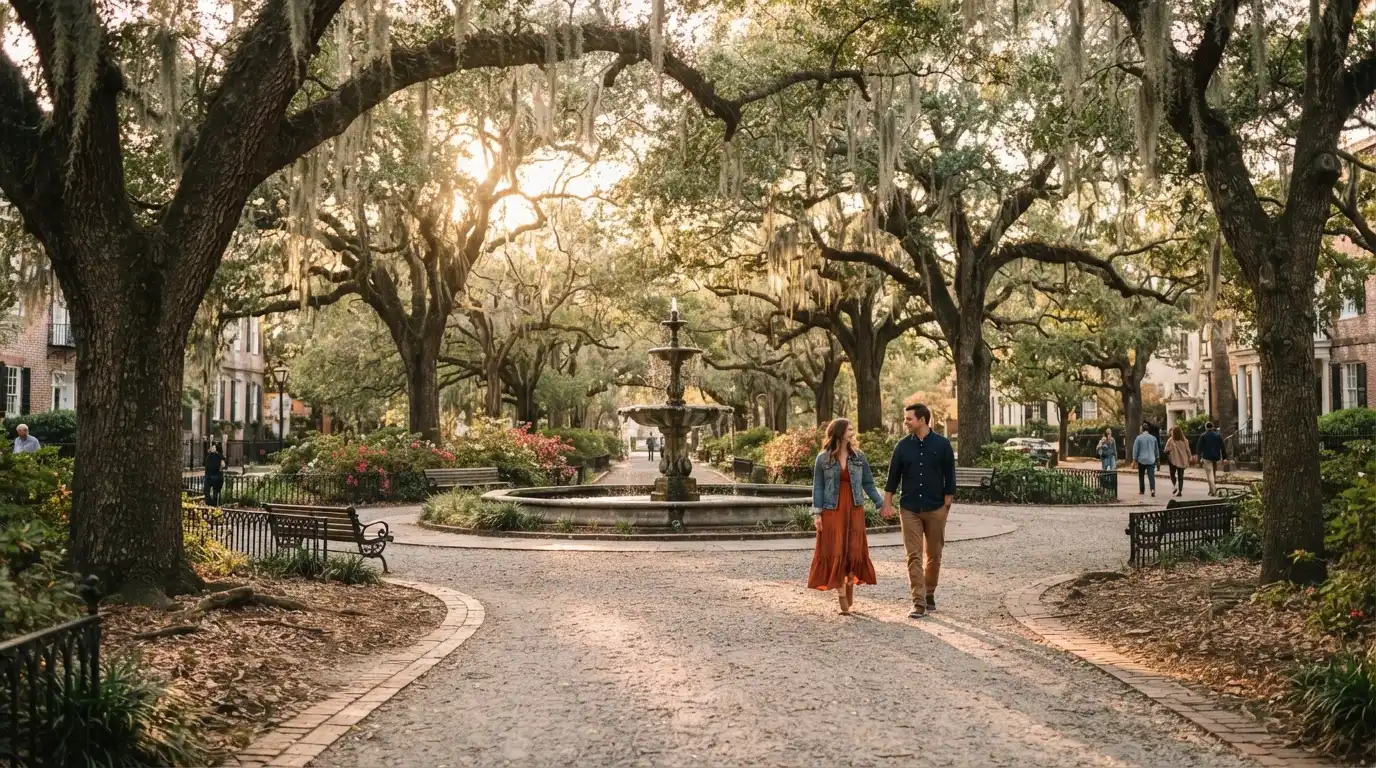
Savannah Georgia must see attractions include wandering its 22 historic squares, touring the Owens-Thomas House and Slave Quarters, and walking River Street at sunset. Beneath all that Spanish moss and genteel Southern charm sits a genuinely complex history, and honest travelers deserve a guide that covers both the beauty and the parts of the story that get glossed over elsewhere.
Is Savannah Georgia Safe?
Mostly yes, with real nuance worth understanding rather than ignoring. Many travelers spend their entire trip in the historic downtown core and report feeling comfortable at all hours, but locals and repeat visitors consistently offer more specific guidance worth taking seriously. A commonly repeated rule of thumb is to avoid areas west of MLK Boulevard and south of Victory Drive, and to stay especially alert around City Market and River Street after dark. Savannah is a genuinely small city, which means crime can feel more visible than in a larger metro area, and the city does deal with real poverty and periodic violent incidents like any city its size. The honest takeaway isn’t that Savannah should be avoided, but that standard city smarts apply here just as they would anywhere: avoid wandering alone into unfamiliar side streets at night, keep valuables out of sight, and stick to well-traveled, well-lit areas once the sun goes down.
Which Historic Home Tour Should You Take in Savannah?
| Historic Home | Focus | Notes |
| Owens-Thomas House and Slave Quarters | Balanced history of enslaved and enslaver | Ticket includes Telfair Academy and Jepson Center |
| Davenport House Museum | Architecture and preservation history | First home ever restored by the Historic Savannah Foundation |
| Pin Point Heritage Museum | Gullah Geechee culture | Former oyster and crab factory, founded 1890 |
| King-Tisdell Cottage | African-American heritage | Victorian “Gingerbread” style home |
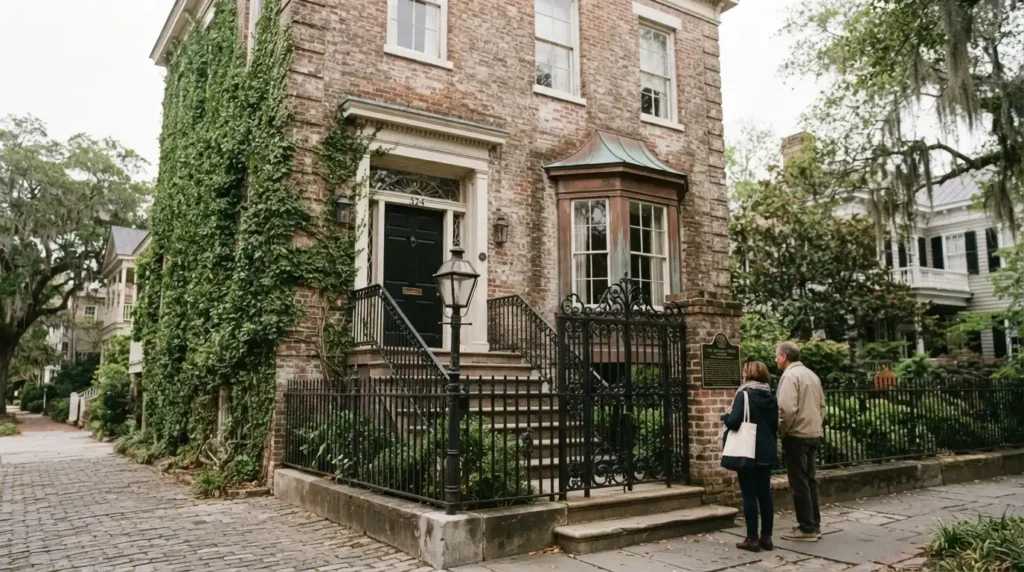
If you only tour one historic home in Savannah, make it the Owens-Thomas House and Slave Quarters. This museum has been re-interpreted to accurately and academically present life for both the wealthy homeowners and the enslaved people who lived and worked there, drawing on genuine research rather than sanitizing the story. Your ticket also covers entry to two additional Telfair museums within walking distance. The Davenport House Museum, located just around the corner, leans more heavily into architectural history as the very first home preserved by the Historic Savannah Foundation, though it still respectfully addresses the enslaved people who once lived there. Pin Point Heritage Museum, housed in a former oyster and crab factory, tells the story of the Gullah Geechee community founded in 1890 by freed slaves, a self-sustained African American community that preserved much of its distinct creole culture for nearly a century. A common mistake first timers make is assuming every historic home tour in Savannah addresses this history with equal honesty, when it’s genuinely worth a little research or reading reviews beforehand to choose tours that don’t gloss over the full story.
Is the Mercer Williams House Worth Visiting?
Yes, though it’s worth knowing exactly what you’re getting. This orange brick Italianate mansion on Monterey Square is the real-life setting made famous by “Midnight in the Garden of Good and Evil,” and touring it lets you step inside one of the most infamous homes in modern Savannah. Here’s the genuinely surprising catch: the tour guides are forbidden from discussing the murder trial, the death of the home’s former owner, or any of the events depicted in the book, since the current residents are direct family of the people involved and understandably don’t want strangers rehashing it inside their home. What you get instead is a straightforward tour focused on the home’s furnishings and architecture. For the full story, pairing this house tour with a dedicated Midnight in the Garden of Good and Evil walking tour elsewhere in the city fills in everything the house tour itself won’t touch.
What Are the Best Places to Take Photos in Savannah?
Forsyth Park’s iconic fountain is worth an early morning visit before crowds build, giving you a clean shot without dozens of other visitors in frame. Jones Street, often called one of the most beautiful streets in the country, rewards a slow walk down its full length rather than a quick pass-through. The Gingerbread House, a striking example of Steamboat Gothic architecture in the Victorian District, offers a completely different visual style from the rest of the historic core. The Savannah Belles Ferry gives you river views entirely for free, a genuinely underrated way to photograph the city from the water without paying for a boat tour, and Peregrin Rooftop Lounge atop the Perry Lane Hotel consistently earns local recommendations as the best spot to capture Savannah’s skyline at sunset.
Should You Take a Ghost Tour or Visit Bonaventure Cemetery?
Both, if you can manage it, since they deliver genuinely different experiences of Savannah’s haunted reputation. A history-focused ghost tour, rather than one built purely around jump scares, weaves genuine historical context, Yellow Fever epidemics, the transatlantic slave trade, and Civil War history, into stories about the city’s many resident spirits. Bonaventure Cemetery, one of the most beautiful cemeteries in the world, can be visited during the day using an inexpensive self-guided app tour if you have a car, but the fuller experience comes from a guided nighttime tour, the only legal way to explore after dark, strolling among Gothic graves and Spanish moss while hearing tales of serial killers and doomed love affairs.
What Sweets Should You Try in Savannah?
| Sweet | Where to Find It | Notes | |
| Cookies | Byrd’s Famous Cookies | Bakery dating back to 1924, free samples | |
| Pralines | River Street Sweets | Butter, sugar, and pecan candy | |
| Tupelo honey | Savannah Bee Company | Rare, blooms only 10 days a year | |
| Tutti-Frutti ice cream | Leopold’s Ice Cream | Original recipe with candied fruit and roasted pecans |
Byrd’s Famous Cookies, dating back to 1924, greets visitors at its City Market shop with a long row of free coin-sized samples spanning sweet to savory flavors. River Street Sweets serves up genuinely addictive pralines made from butter, sugar, half and half, and pecans, with a fresh, warm sample handed out the moment you walk in. Savannah Bee Company lets you taste the famously rare Tupelo honey, made from flowers that bloom for only about 10 days a year near Savannah, and a $10 mead tasting gets you six different honey-based meads to sample. Leopold’s Ice Cream, the birthplace of Tutti-Frutti ice cream loaded with candied fruit and rum-soaked roasted Georgia pecans, genuinely earns its reputation, though expect a wait of 30 minutes or more during peak hours; going before noon or around sunset on a weekday cuts that wait considerably.
Where Should You Eat in Savannah?
The Olde Pink House, set inside a charming pink mansion on one of Savannah’s squares, delivers traditional Southern food alongside genuine ghost stories from your server and a reputation as one of the city’s most haunted restaurants. The Grey, housed in a formerly segregated Greyhound bus station and led by chef Mashama Bailey, doesn’t require a reservation if you’re willing to grab a seat at the bar, though arriving right after opening improves your odds of finding one. Mrs. Wilkes’ Dining Room serves family-style Southern classics in a historic home, but it’s only open for lunch on weekdays and closed entirely on weekends, with food that sells out fast, so arriving by 10:30am to line up is genuinely necessary if you want a table. Savannah Seafood Shack’s low country boil, a bag of andouille sausage, shrimp, corn, and potatoes doused in Cajun seasoning, remains one of the most quintessentially Savannah meals available, while Vic’s on the River rewards diners with a romantic riverside setting and a genuinely excellent She Crab Soup.
What Is There to Do on Tybee Island?
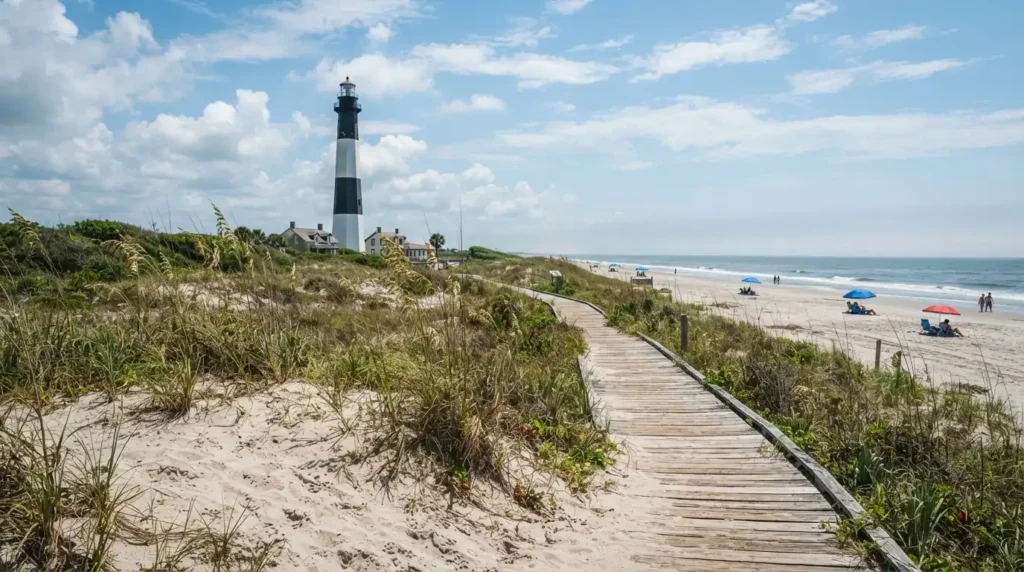
Tybee Island, known as Savannah’s Beach, sits about 20 minutes from downtown and splits into four distinct areas worth knowing before you go. North Beach anchors the shopping and dining scene alongside Georgia’s oldest and tallest lighthouse, where climbing all 178 steps rewards you with sweeping views before a stop at the nearby Sugar Shack for ice cream. Mid Beach offers the most balanced access to everything the island has, with fresh local seafood available nearby. South Beach, centered on Tybrisa Street, functions as the island’s downtown, packed with shops, restaurants, and bars for travelers wanting more energy. Back River Beach delivers the quietest side of the island, ideal for spotting dolphins and watching sunset away from the crowds, and it’s also the best starting point for kayaking or exploring Tybee’s bike trails.
Should You Read Midnight in the Garden of Good and Evil Before Visiting?
Yes, and this is genuinely one of the best ways to prepare for a Savannah trip. Locally referred to simply as “The Book,” John Berendt’s true crime account of a murder in the Mercer House pulls together Savannah’s quirks, eccentric characters, and complicated history in a way that adds real depth once you’re actually standing in the squares and streets described in its pages. The movie adaptation, while it does make Savannah look stunning on screen, doesn’t capture nearly the same richness as the book itself, so skipping the shortcut and reading the actual source material before your trip genuinely pays off.
Final Thoughts
Checking off the real savannah georgia must see list comes down to balancing the city’s beautiful, photogenic surface against its genuinely complex history. Choose historic home tours that address slavery honestly, take standard city precautions seriously rather than dismissing them, and save room for both a ghost tour and a proper sweets crawl through Byrd’s, River Street Sweets, and Leopold’s. Whether it’s sunset on River Street or a slow walk down Jones Street, the best savannah georgia must see experiences reward travelers who show up curious about the whole story, not just the pretty squares.
FAQs
How many days do you need in Savannah?
Three full days works well for covering the historic squares, at least one historic home tour, a ghost tour, and a proper meal at several of the city’s top restaurants, though a shorter trip can still hit the highlights with some careful planning.
Where should you stay in Savannah?
Basing yourself in the Historic District south of Liberty Street, within walking distance of most attractions and the waterfront, offers a quieter stay than booking directly on busy River Street, and a historic bed and breakfast near Forsyth Park delivers a genuinely quintessential Savannah experience.
Do you need a car in Savannah?
No, historic Savannah is flat, walkable, and served by free downtown shuttles, though renting a car or booking a tour with included transportation makes sense specifically for day trips to spots like Bonaventure Cemetery or Tybee Island.
What is the best time to visit Savannah?
Anytime outside of summer’s heat and humidity generally works best, with late March offering blooming azaleas throughout the city and October delivering comfortable weather that pairs especially well with the city’s genuinely spooky, ghost-tour-friendly atmosphere.


