
Dublin Must Do: The Guide to Republic of Ireland’s Capital
The dublin must do list comes down to a handful of things done right rather than a long list done quickly. Trinity College and the Book of Kells, the Guinness Storehouse, a proper cathedral or two, and at least one day trip outside the city cover the essentials without leaving you exhausted. If you’ve read that Dublin is either the friendliest city in Europe or a wildly overpriced tourist trap, both takes have some truth to them, and this guide sorts out which parts apply to your actual trip.
Dublin punches above its size. It’s a small capital, easy enough to cross on foot in under half an hour, yet it packs in centuries of history, a genuinely strong literary reputation, and a pub culture that shows up in nearly every conversation about the city. The confusion most travelers hit isn’t finding things to do, it’s figuring out what’s genuinely worth the time and money versus what just photographs well.
Is Dublin Worth Visiting in 2026?
Dublin is worth visiting because it delivers Georgian architecture, major museums, and a walkable city centre where nearly everything sits within reach on foot. It rewards travelers who balance the well known sights against quieter neighborhoods rather than sticking entirely to the tourist core.
The city centre sits along the River Liffey, with most major landmarks clustered on either bank within a compact grid. That density is Dublin’s biggest advantage over larger European capitals, since you can genuinely see the core sights without relying heavily on public transport. The tradeoff is that popularity concentrates crowds into a fairly small area, particularly around Temple Bar and Grafton Street, so knowing when and where to step away from the main path matters more here than in a sprawling city.
How Many Days Do You Need for the Dublin Must Do Experience?
Two full days cover the essential dublin must do list, while three days let you add a proper day trip to Glendalough or Howth without rushing. One day works only if you’re on a short layover or cruise stop and sticking purely to the city centre.
Day one is best spent around Trinity College, the Book of Kells, Dublin Castle, and the cathedrals, all walkable from each other. Day two suits the Guinness Storehouse or Kilmainham Gaol paired with a wander through Phoenix Park or a quieter neighborhood like Portobello. A third day opens up Glendalough in the Wicklow Mountains or a coastal walk in Howth, both of which need more time than a rushed afternoon to actually enjoy.
What Are the Dublin Must See Landmarks in the City Centre?
The dublin must see landmarks in the city centre include Trinity College Dublin, Dublin Castle, St Patrick’s Cathedral, and Christ Church Cathedral, all within a short walk of each other south of the River Liffey. This cluster makes for an efficient first day without much backtracking.
Is the Book of Kells at Trinity College Worth Booking Ahead?
The Book of Kells exhibition at Trinity College is worth booking ahead, since same-day walk-up tickets frequently sell out during peak season, particularly through summer. Expect to pay around 18 to 20 euros for adult entry as of 2026, with the ticket also including access to the Old Library’s Long Room.
A common mistake first-timers make is assuming they can simply turn up, especially on a weekend or during a school holiday period. Booking a specific time slot online at least a few days ahead, longer in July and August, avoids standing in a queue only to be told the day is full. The illuminated manuscript itself takes only a few minutes to view, but the Long Room, lined with centuries-old books and marble busts, is worth lingering in regardless of how much time you have.
Is Guinness Storehouse Worth the Ticket Price?
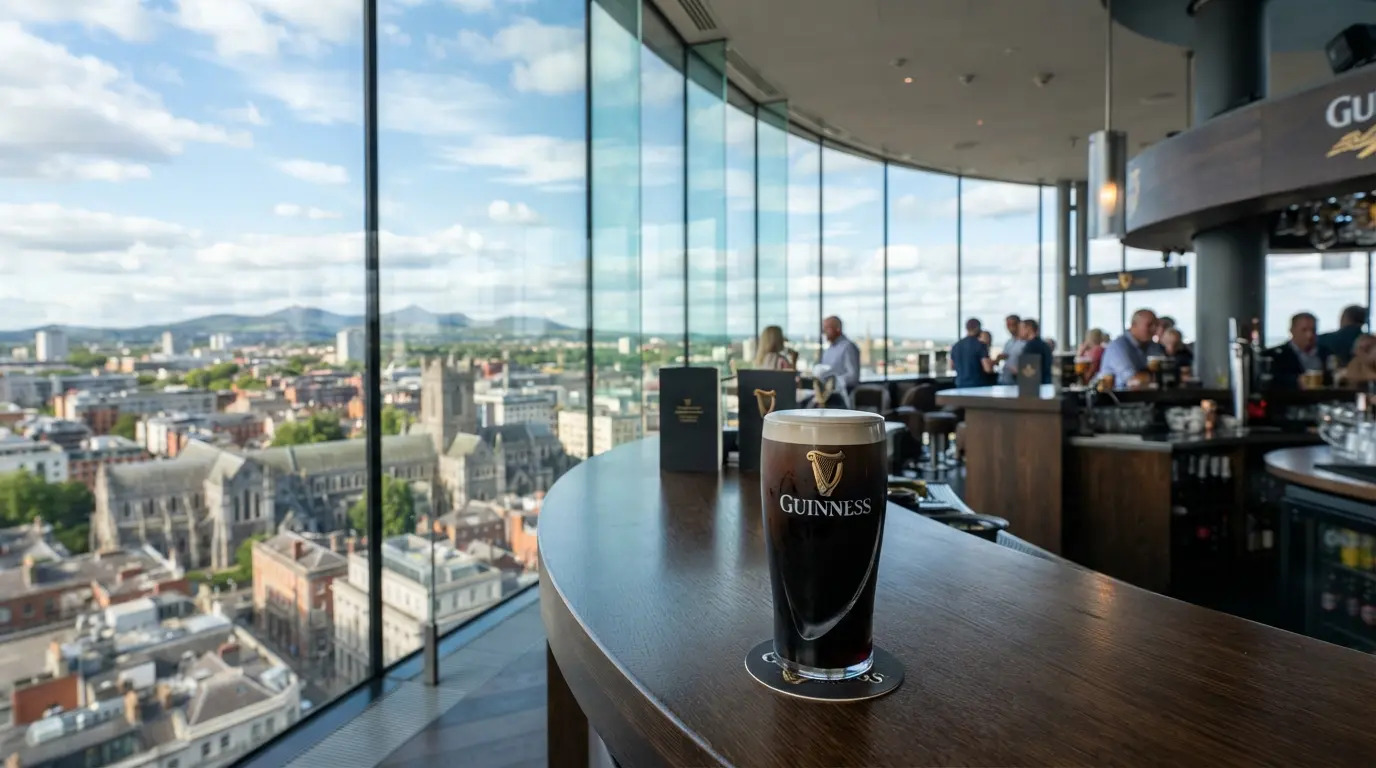
Guinness Storehouse is worth visiting for first-timers curious about Ireland’s most famous export, with tickets typically running 30 to 45 euros depending on the package and how far ahead you book. The self-guided tour moves through seven floors covering brewing history, advertising, and tasting, ending at the rooftop Gravity Bar with a panoramic view over the city.
Travelers consistently find the rooftop bar the most crowded part of the entire experience, since every visitor ends their tour there at roughly the same pace, making late afternoon particularly busy. Locals recommend visiting early morning or later in the evening if the storehouse offers extended hours, since midday slots draw the heaviest tour bus crowds. It’s a polished, well-run attraction, but it is unmistakably a large-scale visitor experience rather than an intimate brewery tour, which is worth knowing going in.
What Do You See at Dublin Castle and the Cathedrals?
Dublin Castle offers state apartments and Viking era excavations beneath the courtyard, with general grounds access free and guided interior tours costing a modest additional fee. St Patrick’s Cathedral and Christ Church Cathedral, both within a ten minute walk of the castle, offer contrasting Gothic architecture and centuries of layered history, with entry typically running 8 to 10 euros each.
Is Kilmainham Gaol Worth Visiting?
Kilmainham Gaol is worth visiting for anyone interested in Irish independence history, since it played a central role in the 1916 Easter Rising and its aftermath. Tours are guided only, run on a timed schedule, and regularly sell out days in advance, so booking online well ahead is essential rather than optional here.
A frequent mistake is treating Kilmainham Gaol as a flexible, walk-in stop like the nearby museums. Because access is strictly guided and capacity is limited, arriving without a pre-booked ticket often means being turned away entirely, particularly during summer and school holiday weeks. The tour itself runs close to an hour and covers the building’s role from its original 18th century purpose through to its use holding leaders of the Easter Rising.
What Are the Best Dublin Neighborhoods Beyond Temple Bar?

The best Dublin neighborhoods beyond Temple Bar include Portobello, Stoneybatter, and Ranelagh, each offering a quieter, more residential feel with strong local cafes and pubs away from the main tourist crowds. These areas suit travelers wanting a break from the concentrated foot traffic around Grafton Street and the river.
Temple Bar remains worth a walk-through for its cobbled streets and colorful pub fronts, but locals rarely drink there regularly given the inflated prices aimed squarely at visitors. Portobello, just south of the Grand Canal, offers a similar canal-side, cafe-driven atmosphere without the markup, while Stoneybatter on the north side has built a reputation for independent shops and a slower pace worth an afternoon wander.
What Are the Best Day Trips from Dublin?
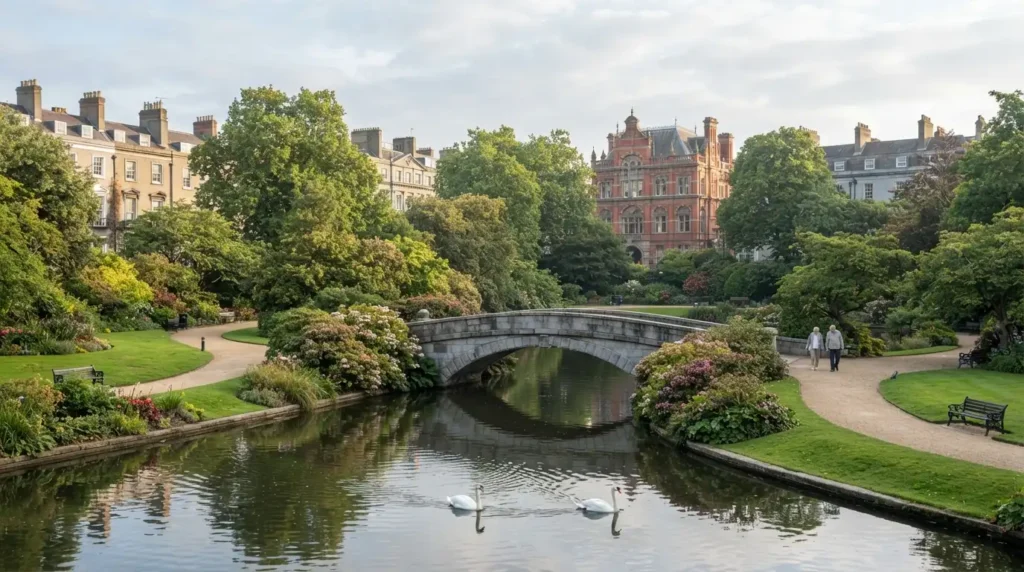
The best day trips from Dublin are Glendalough in the Wicklow Mountains, the coastal village of Howth, and Malahide Castle, each reachable within roughly an hour by car, tour bus, or in Howth’s case, a direct DART train.
[Itinerary Table: Dublin Day Trip Options]
| Destination | Travel Time from Dublin | Best For | Typical Cost |
| Glendalough | 60–75 min by car or tour bus | Monastic ruins, mountain scenery | €30–€50 guided tour |
| Howth | 30 min by DART train | Coastal cliff walk, seafood | €5–€10 train fare |
| Malahide Castle | 30–40 min by DART train or bus | Castle and gardens | €14–€16 castle entry |
Glendalough has no direct public transport connection, so a guided tour or rental car is the realistic option, while Howth is the easiest of the three since the DART train runs directly from the city centre. Travelers consistently rate the Howth cliff walk highly for the effort required, a manageable coastal trail with sweeping harbor views, paired easily with fresh seafood at one of the harbor-front spots before heading back into the city.
Is Dublin Expensive? What Does a Dublin Must Do Trip Cost?
Dublin runs on the pricier side for a European capital, with a pint of Guinness typically costing 6 to 7.50 euros in the city centre, rising higher in Temple Bar specifically compared to pubs just a few streets away.
[Cost Table: Dublin Must Do Estimated Costs 2026]
| Item | Approximate Cost |
| Book of Kells ticket | €18–€20 |
| Guinness Storehouse ticket | €30–€45 |
| Kilmainham Gaol tour | €8–€10 |
| Pint of Guinness (city centre) | €6–€7.50 |
| Pint of Guinness (Temple Bar) | €7.50–€9 |
| Leap Visitor Card (24 hours) | €10 |
A common budgeting mistake is assuming Temple Bar prices reflect typical Dublin costs. Stepping just a few streets away for food and drinks noticeably lowers the bill without sacrificing atmosphere.
What Food and Drink Culture Should You Experience in Dublin?
Dublin’s food and drink culture centers on a proper pint of Guinness, traditional Irish stew, and a full Irish breakfast, alongside a genuine live music tradition found in pubs across the city, not just the ones marketed to tourists.
Traditional Irish music sessions happen most reliably at pubs slightly outside the main Temple Bar strip, where the music tends to draw more locals than tour groups. Boxty, a traditional potato pancake, and classic fish and chips round out the dishes worth trying, while whiskey tastings at Jameson Distillery or the smaller Teeling Whiskey Distillery offer an alternative to beer-focused itineraries for travelers who prefer spirits.
How Do You Get Around Dublin?
Getting around Dublin mainly involves walking the compact city centre, with the Luas tram and DART train covering longer distances like Howth or the southern suburbs, and Dublin Bus filling in the gaps elsewhere. A Leap card works across all three, avoiding the need for separate tickets.
Most dublin must do landmarks sit within walking distance of each other, so public transport becomes most useful for day trips or reaching accommodation outside the immediate city centre. Aircoach and Dublin Bus both run reliable routes to and from the airport, generally cheaper than a taxi for solo or budget-conscious travelers.
Is Dublin Safe to Walk Around at Night?
Dublin is generally safe to walk around at night in the main city centre and tourist areas, though standard city precautions apply, particularly around certain streets late at night after pub closing hours when crowds can get rowdy rather than dangerous.
Sticking to well-lit, busier streets and being mindful of belongings in crowded pub areas covers most of what matters here. Violent crime against tourists is rare, and the more common issue is simply navigating boisterous late night crowds spilling out of pubs on weekend nights.
Conclusion
Dublin rewards travelers who mix the obvious highlights with a bit of local detour. Spend your dublin must do time on Trinity College, one of the cathedrals, and either the Guinness Storehouse or Kilmainham Gaol, then step outside Temple Bar for food and drinks to keep costs reasonable. Book Book of Kells and Kilmainham Gaol tickets ahead, add Howth or Glendalough if you have a third day, and Dublin tends to leave a stronger impression than its small size might suggest.
FAQs
Is Dublin worth visiting?
Yes, Dublin offers Georgian architecture, major museums, and a walkable city centre that rewards a few focused days rather than a rushed itinerary.
What is Dublin known for?
Dublin is known for Trinity College, the Book of Kells, Guinness Storehouse, and a strong pub and literary culture.
How many days do you need in Dublin?
Two days cover the essential dublin must do list, while three days allow time for a proper day trip to Glendalough or Howth.
Is Dublin expensive to visit?
Dublin runs pricier than many European cities, particularly for pints in Temple Bar, though stepping a few streets away lowers costs noticeably.
What is the best area to stay in Dublin?
The city centre south of the river suits first-time visitors wanting walking access to major sights, while Portobello offers a quieter, more local base.
Is the Dublin Pass worth it?
It’s worth it mainly for travelers planning to visit several paid attractions in a short window, since the bundled savings offset the upfront cost only with heavy sightseeing.
What is there to do in Dublin besides pubs?
Trinity College, the National Museum of Ireland, Kilmainham Gaol, Dublin Castle, and Phoenix Park all offer strong non-pub focused experiences.
Is Guinness Storehouse worth visiting?
Yes, most first-time visitors find it worth the ticket price, though the rooftop bar gets crowded and it’s a large-scale experience rather than an intimate tour.
How do you get from Dublin to Howth?
The DART train runs directly from Dublin city centre to Howth in about 30 minutes, making it the easiest of the popular day trips.
Is Kilmainham Gaol worth booking in advance?
Yes, tours are guided only with limited capacity and regularly sell out, so booking online ahead is essential rather than optional.
What’s the best day trip from Dublin besides Cliffs of Moher?
Glendalough in the Wicklow Mountains offers monastic ruins and mountain scenery within about an hour of the city, without the long drive the Cliffs of Moher require.
How do locals avoid tourist traps in Temple Bar?
Locals typically drink and eat a few streets away from Temple Bar’s main strip, where prices drop noticeably without losing the atmosphere.


