Best Food in Dublin: Where to Eat in the City of Ireland
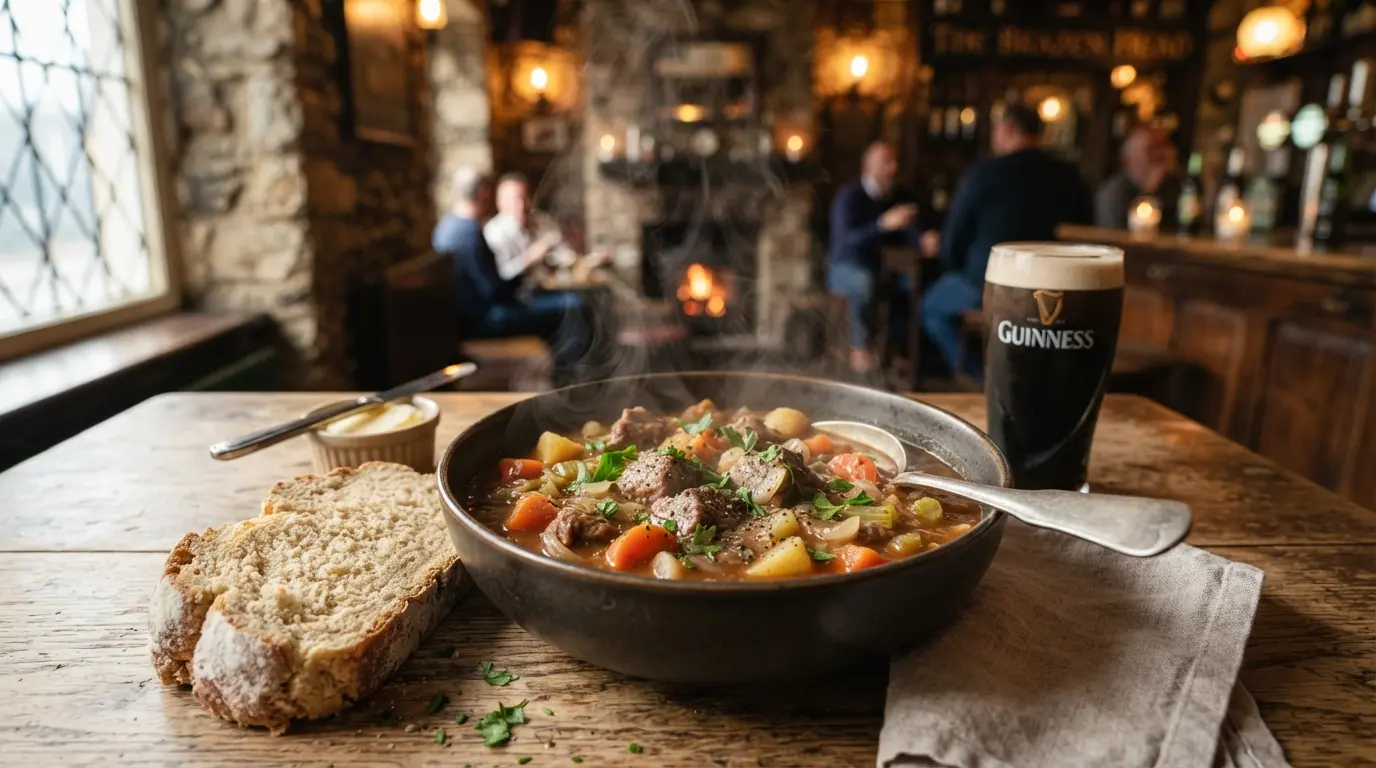
The best food in Dublin mixes hearty Irish classics with a fast-growing modern dining scene. Think fresh seafood chowder, beef and Guinness stew, and full Irish breakfasts, next to Michelin-starred tasting menus and buzzy small-plate spots. Good restaurants in Dublin city sit everywhere from Temple Bar to quiet backstreets in Dublin 8, and the range is bigger than most guides let on.
Planning where to eat in Dublin can feel confusing fast. The city has hundreds of options, prices swing wildly between a pub lunch and a tasting menu, and Temple Bar’s crowds make it hard to tell a genuine find from a tourist trap. This guide sorts through all of that with real prices, real neighbourhoods, and straight answers.
Where Is the Best Area in Dublin for Restaurants?
South William Street and Camden Street hold the highest concentration of good restaurants in Dublin city, mixing wine bars, small-plate kitchens, and cafes within a ten-minute walk of each other. Smithfield and Stoneybatter offer a quieter, more local feel with excellent seafood and neighbourhood gastropubs.
If you’re staying near Trinity College or Grafton Street, you’re close to Etto, Las Tapas De Lola, and Sole Seafood & Grill, all within walking distance. Dublin 8, covering The Liberties and Fumbally Lane, has become the city’s most interesting food pocket over the last few years. It’s home to Bastible, Coke Lane Pizza, and Bakeology Treats, an Argentine bakery serving excellent empanadas. Expect grittier streets here than the postcard version of Dublin, but the food rewards the walk.
Smithfield, just north of the river, is where The Fish Shop sits, a tiny wine bar with maybe a dozen seats that regularly gets called one of the best restaurants in Dublin for seafood. Ranelagh, a short DART or bus ride from the centre, is where many locals actually eat, away from the tourist crush entirely.
What Are the Top Restaurants in Dublin Right Now?
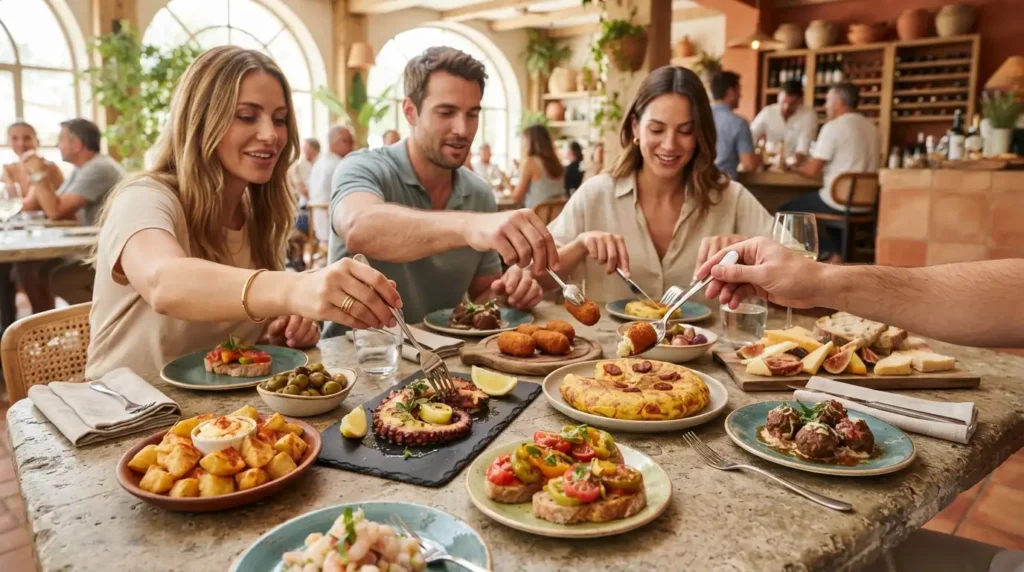
Dublin’s top restaurants span two very different scenes: modern Irish fine dining with tasting menus, and casual small-plate spots built around sharing. Both scenes overlap constantly, so a single night out might include a €14 starter and a €90 set menu at the same table.
For a proper sit-down dinner, Chapter One near Parnell Square remains one of the most talked-about tables in the city, set in the former home of whiskey distiller John Jameson, pairing French technique with Irish and international ingredients. Forest Avenue on Leeson Street Upper runs a build-your-own tasting menu where guests choose how many courses they want, a format that suits both a quick two-course lunch and a full evening out. Delahunt on Camden Street Lower serves a well-priced early dinner menu alongside its cocktail bar, and its Guinness brown bread gets mentioned by nearly every food writer who visits.
For small plates, Etto on Merrion Row and Library Street Restaurant near the Central Bank both build menus around sharing, with dishes like choux pastry filled with horseradish and anchovy cream showing up on tasting rounds. If you want proof Dublin’s pasta game has grown up, Mr Fox in Dublin 1 is worth the trip north of the river.
Which Dublin Restaurants Have Michelin Stars in 2026?
As of the 2026 Michelin Guide, whose ceremony was held in Dublin for the first time this February, Restaurant Patrick Guilbaud at The Merrion Hotel and Chapter One near Parnell Square each hold two Michelin stars, making them the city’s top fine dining tables. One-starred names include Bastible in Dublin 8 and Glovers Alley near St Stephen’s Green, both known for tight, ingredient-driven menus rather than showy plating.
Booking any of these more than a few weeks out is a smart move, especially around weekends. A two or three-course pre-theatre menu at Chapter One runs noticeably cheaper than the full evening tasting menu, and it’s a good way to try a two-star kitchen without committing to a four-hour meal.
Where Do Locals Actually Eat in Dublin?
Locals tend to skip Temple Bar entirely and head to neighbourhood spots in Ranelagh, Stoneybatter, and the quieter end of Camden Street. Fumbally Stables in Dublin 8 draws a genuinely local Saturday brunch crowd, half cafe and half farm-to-table grocery, with a menu that’s heavily allergen and vegetarian friendly.
One Kinda Folk, tucked near Ranelagh behind ivy-covered walls, is the kind of coffee shop locals recommend quietly rather than post about. Bread 41, just north of Trinity College, draws regulars for its sourdough and pastries rather than tourists working through a bucket list. For a proper local pub dinner, The Landmark in Portobello does a Beef and Guinness stew served in a bread bowl that regulars swear by, alongside genuinely good mushy peas, which is rarer than it sounds in Dublin.
The honest pattern: if a place has queues of visibors with rolling suitcases outside, it might still be good, but if it also has a regular crowd of people who clearly aren’t tourists, that’s usually the stronger signal.
Is Temple Bar Good for Food, or Just a Tourist Trap?
Temple Bar is mostly a tourist trap for food, though not entirely. Most pubs here mark up prices heavily and lean on live music and atmosphere rather than kitchen quality. A few genuine exceptions exist, including Gallagher’s Boxty House for a proper Irish potato pancake and Klaw for fresh oysters and chowder by the water.
The safest approach is to treat Temple Bar as a place for one drink and a photo by the Ha’Penny Bridge, then walk five minutes in any direction for dinner. South William Street and Dame Street both sit close enough to feel like an extension of Temple Bar’s buzz without the same markup or crowd. If you do eat in Temple Bar, check reviews from the last few months rather than older ones, since turnover in staff and quality can be quick in a neighbourhood built around tourist footfall.
What Traditional Irish Dishes Should You Try in Dublin?
The dishes worth prioritizing are beef and Guinness stew, boxty, full Irish breakfast, and fresh seafood chowder, all widely available at gastropubs across the city. Boxty, a potato pancake made from shredded raw and mashed potato, comes in crepe-like form at Gallagher’s Boxty House, topped with beef fillet or a curry-spiced take on the classic Irish spice bag.
A full Irish breakfast includes eggs, bacon, sausage, and both black and white pudding, a blood sausage and a milder version, alongside grilled tomato and toast. The Cheeky Piglet in The Liberties does a well-regarded version for anyone trying it for the first time. Seafood chowder shows up on nearly every pub menu in some form, but the better versions use a real fish stock rather than a cream base thickened with flour, so look for ones that list the actual fish inside rather than just “chowder” on the menu.
Brown bread, a dense, slightly sweet soda bread, appears as a side at most sit-down restaurants and is worth ordering even as a starter on its own with butter.
What Are the Best Cheap Eats in Dublin?
The best cheap eats in Dublin run from Neapolitan-style pizza to burritos and empanadas, mostly clustered around The Liberties, Camden Street, and Smithfield. Coke Lane Pizza, served from the back of a bar called Lucky’s, does thin 10-inch pizzas topped with things like ventricina salami and chilli-infused honey, cheap enough to finish one alone.
Boojum, a burrito chain with several locations, works well after a long day of sightseeing when a sit-down meal isn’t practical. Bakeology Treats in The Liberties sells excellent jamon and cheese empanadas for a few euros each, a good grab-and-go lunch between food stops. For dessert, Murphy’s Ice Cream on Wicklow Street uses milk from the rare Kerry cow breed, and the Irish brown bread flavor costs a fraction of a sit-down dessert course elsewhere in the city.
None of these require a reservation, which matters if you’re building a loose, walkable food day rather than locking in dinner times in advance.
What Is the Best Seafood Restaurant in Dublin?
The Fish Shop in Smithfield is widely considered the best seafood restaurant in Dublin for its size-to-quality ratio, a tiny wine bar with under 15 seats serving beer-battered hake, hand-cut chips fried twice, and a rotating list of Spanish-style small plates. Reservations matter here even for lunch given how few tables exist.
For a bigger, more polished room, Sole Seafood & Grill on South William Street centers its dining area around a curved bar with fresh seafood displayed on one side and wine on the other. Just outside the city in the fishing village of Howth, a short DART ride away, King Sitric and Baily Bites at Kish both serve garlic butter crab claws and smoked hake chowder that regularly beat anything found in the city centre, making the short trip worth it for anyone with a spare afternoon.
How Much Does It Cost to Eat Out in Dublin in 2026?
A casual pub meal in Dublin runs roughly €15 to €22 per person, a mid-range dinner with a starter and main lands between €35 and €55, and a tasting menu at a Michelin-starred kitchen can run €120 to €200 or more per person before wine. Prices vary by neighbourhood, with Temple Bar and South William Street sitting at the higher end.
| Meal Type | Typical Cost (per person) |
| Coffee and pastry | €5 to €8 |
| Pub lunch or sandwich | €12 to €18 |
| Casual dinner (pizza, burrito, boxty) | €15 to €25 |
| Mid-range sit-down dinner | €35 to €55 |
| Fine dining tasting menu | €120 to €200+ |
| Pint of Guinness | €6 to €7 |
A pint of Guinness in a Dublin pub averages just over €6 as of early 2026, having crossed that mark for the first time, with some central pubs charging closer to €7.50. Many mid-range and fine dining restaurants already add a discretionary service charge of around 12.5% to the bill, so it’s worth checking before adding a full 20% on top.
Do You Need to Book Restaurants in Dublin in Advance?
Yes, for anywhere popular, especially on weekends. Michelin-starred restaurants like Chapter One and Bastible often need booking several weeks ahead for weekend slots, while smaller spots like The Fish Shop recommend reserving even for a weekday lunch given how few seats they hold.
Midweek visits give far more flexibility, and walk-ins are still realistic for casual gastropubs, pizza spots, and cafes. One quirk worth knowing: many Dublin restaurants serve their main Sunday meal around midday rather than evening, following the traditional Sunday roast schedule, so calling ahead to check Sunday hours specifically can save a wasted trip.
Final Thoughts
Dublin rewards anyone willing to walk a few streets past the obvious tourist stretch. The best food in Dublin isn’t hiding, it’s just spread across Camden Street, Smithfield, and Dublin 8 rather than packed into Temple Bar. Book the Michelin tables early, save Temple Bar for a single pint, and leave room for a boxty, a proper chowder, and at least one empanada from The Liberties.
FAQs
Is Dublin good for food?
Yes. Dublin’s food scene has grown well beyond pub classics, now covering everything from Michelin-starred tasting menus to strong international options like modern Chinese dumplings and Neapolitan pizza.
What is the best area in Dublin for restaurants?
South William Street and Camden Street have the highest density of good restaurants, while Dublin 8 and Smithfield offer quieter, more local alternatives.
Where do locals eat in Dublin?
Locals lean toward Ranelagh, Stoneybatter, and neighbourhood spots in Dublin 8, generally avoiding Temple Bar for anything beyond a single drink.
Is tipping expected in Dublin restaurants?
It’s customary rather than required, typically around 10 to 15%, but check your bill first since many restaurants already add a service charge.
What’s a realistic daily food budget in Dublin?
Budget travellers can eat well on €40 to €60 a day covering breakfast, a casual lunch, and a mid-range dinner, before drinks.
Is Temple Bar good for food?
Mostly no. It works for atmosphere and one drink, but better food and fairer prices sit a short walk away in any direction.