
What Is Lufanest? Meaning, Traditions, and Why It Matters Today
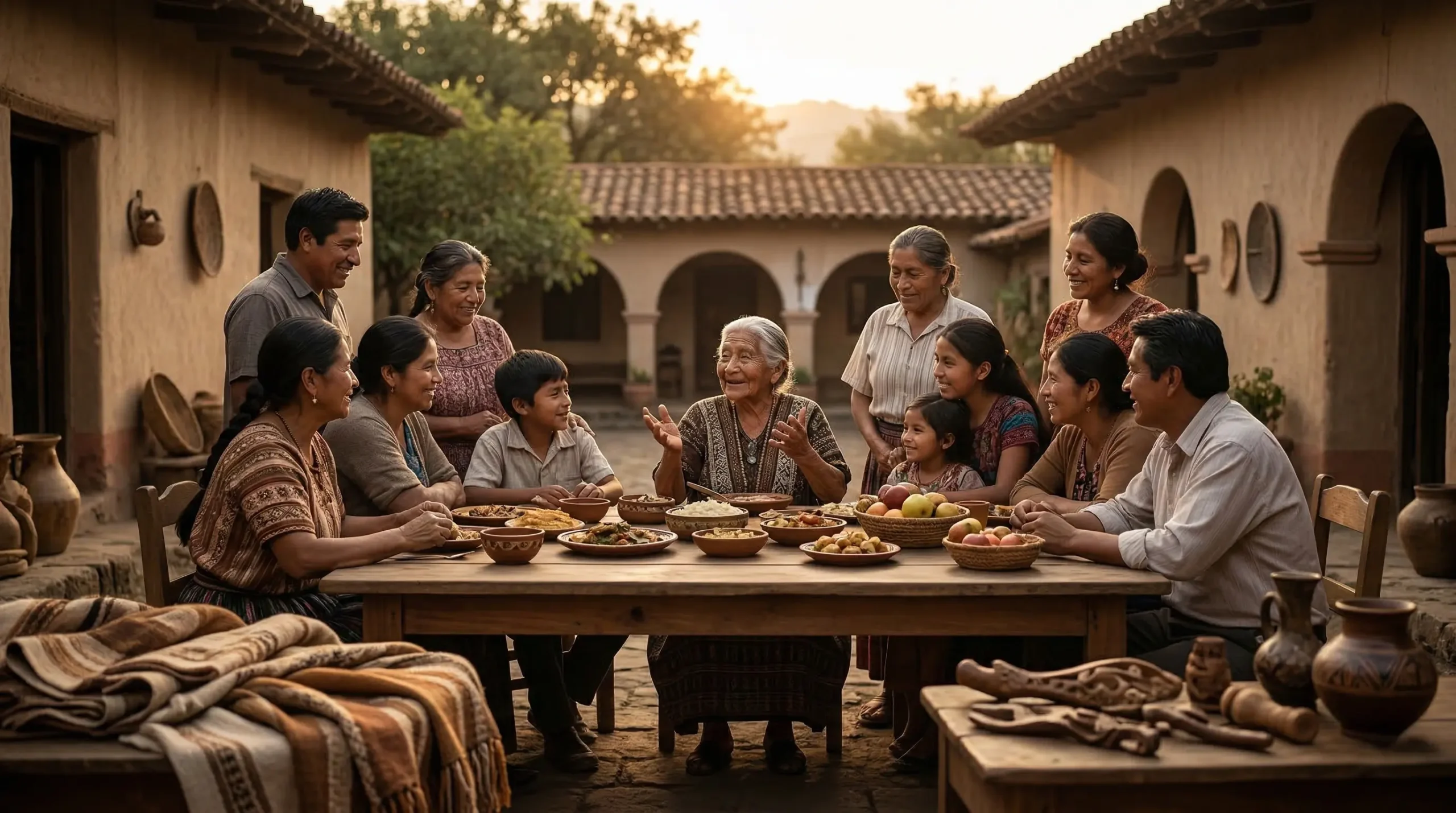
Search this term online and you will see a mess. One site calls it a cultural system. Another treats it like a modern framework. A few make it sound like a place, a lifestyle, or a digital idea. That leaves readers stuck with the same question. What does it actually mean? The clearest answer is this. Lufanest is best understood as a living idea tied to traditions, shared values, community identity, and belonging. It is not just one custom or one event. It is a wider pattern of how people stay connected through stories, rituals, shared experiences, and everyday social ties.
What it really means
The strongest explanation online presents this idea as a cultural ecosystem. In simple words, that means a connected set of customs, rituals, stories, and community values that shape how people live together. It helps explain identity, social behavior, memory, and the way one generation passes meaning to the next. That reading is much stronger than the vague articles that call it a system without saying what that system really does.
This matters because people do not search strange terms just for poetry. They want clarity. They want to know whether the word points to a real tradition, a place, a lifestyle, or just another internet buzzword. A good article must answer that right away. If it does not, the user leaves. That is why the most useful approach is to define the term first, then explain the layers around it.
Why websites define it differently
The confusion comes from weak content patterns. Some publishers build thin articles around trending or unfamiliar words. They reuse broad phrases like innovation, framework, benefits, or future impact without giving the reader anything solid. That is why one page may describe the term through heritage, rituals, and collective identity, while another talks about data tools, applications, and vague industry use. Both cannot be the main answer at the same time.
The better way to handle this is not to force one fantasy definition. It is to tell readers what the strongest theme is and where the weaker interpretations came from. Right now, the clearest cluster connects the term to culture, community, storytelling, belonging, and shared traditions. The travel and modern lifestyle angles can still support the topic, but they make more sense as side branches, not the main trunk.
The core ideas behind it
At the center of this concept is tradition, but not in a stiff or outdated way. The word points to living practices that still carry meaning. These may include seasonal festivals, shared meals, community gatherings, ancestral commemorations, and life event rituals. Each one reinforces a bond. Each one tells people who they are and how they belong to something larger than themselves.
Another core piece is storytelling. Communities do not survive on rules alone. They survive on stories that explain why a ritual matters, why a value must be protected, and why memory deserves care. In that sense, storytelling is not decoration. It is the engine that keeps collective memory alive. Without that layer, customs become empty habits. With it, they stay human and useful.
There is also a strong social layer. The better articles around this term keep returning to hospitality, respect for elders, shared responsibility, unity, and social cohesion. Those ideas matter because culture is not only about symbols. It is also about how people treat one another in normal daily life. A strong community is built through repeated action, not just words.
How it shows up in real life
The idea sounds abstract until you show what it looks like. That is where many weak articles fail. They stay at the level of concept and never move into visible examples. A stronger article brings the topic down to earth. It shows how this kind of cultural pattern appears through food traditions, music, dance, artisan crafts, public gatherings, and small habits of care between people.
Think about a shared meal. On the surface, it is just food. In a deeper sense, it carries history, memory, and identity. A recipe passed from one generation to another is more than a set of steps. It can hold survival knowledge, family memory, and a feeling of continuity. The same goes for songs, craftwork, or stories told during community events. These are not side details. They are the practical signs that a living culture still has roots.
This is also where the travel angle becomes useful. Some pages describe the term through local hospitality, architecture, festivals, and the warm feeling of entering a place where shared customs still shape daily life. That angle works best when it supports the cultural meaning. It helps readers picture the atmosphere, but it should not replace the deeper definition. Otherwise the article turns into a generic travel piece and loses its edge.
Why it still matters now
It points to belonging, continuity, shared identity, and the comfort that comes from living inside patterns that still mean something. In a time of constant distraction, that kind of grounding matters.
It also matters because modern life often pushes people toward isolation. Strong traditions do the opposite. They create repeated moments of contact. They give people a reason to gather, listen, remember, celebrate, and grieve together. That shared rhythm can support emotional resilience and reduce the feeling of drifting through life alone. Some articles even connect the concept to mental well being, predictability, and stronger community support.
The topic is not only about studying culture from a distance. It is also about seeing what makes people feel rooted. Shared meals, family stories, neighborhood rituals, local celebrations, and intergenerational respect still matter. They may look simple, but they solve real emotional problems. They create meaning where modern life often creates noise.
How to make sense of it without getting lost
Start with the strongest, most grounded meaning. Read it through traditions, shared values, storytelling, identity, and belonging. Once that base is clear, the other interpretations make more sense. The travel angle becomes a way to picture it. The modern angle becomes a loose extension. But the cultural reading stays the anchor.
Next, look for tangible signs. Does the article mention rituals, festivals, crafts, hospitality, community gatherings, or intergenerational memory? Those details usually signal real substance. If all you see is talk about innovation, impact, future potential, and broad benefits, the article may be using the word without giving it real shape.
Finally, read the term as a human pattern, not just a keyword. The real value here is not the mystery of the word itself. The value is what it points to. It points to how people stay connected, carry memory forward, and turn shared values into daily life. That is the part worth keeping.
Can it still exist in modern life
Yes, but not by freezing culture in place. Living traditions survive because they adapt. Some recent pages suggest that younger communities now reinterpret the idea through digital sharing, modern storytelling, and fresh forms of public expression. That can work, as long as the heart of the practice stays intact. The goal is not to turn culture into content. The goal is to carry meaning into new spaces without losing depth.
That balance between preservation and adaptation is one of the strongest ideas attached to the term. It explains why the topic keeps showing up in new articles and why people continue searching it.
Final takeaway
If you strip away the noise, the clearest meaning is not hard to see. This idea is about community, memory, identity, and the everyday practices that help people feel connected. The internet may keep stretching the word into new shapes, but the strongest explanation remains the same. It is a living pattern of shared life, not just a trend label. Readers who understand that will get far more value from the topic than those who chase vague definitions.
FAQs
What is lufanest in simple words?
It is best understood as a cultural idea built around traditions, shared values, community identity, and belonging. The strongest pages describe it that way, even though some newer pages use broader meanings.
Is it a place or a concept?
Most strong explanations treat it as a concept, not only a place. Some travel-style pages describe it through local atmosphere and shared customs, which makes it feel place-based, but the deeper meaning is wider than geography alone.
Why do websites explain it differently?
Because the term is being used loosely across trend-driven content. Some pages focus on culture and community, while others turn it into a broad framework or digital idea without much grounding.
Why does this topic matter today?
It speaks to real needs such as belonging, continuity, shared identity, and stronger human connection. Those themes feel relevant in a fast, fragmented world.
Can it fit modern life?
Yes. It can stay relevant when communities adapt old meaning to present life without losing the values at the center. That balance appears again and again in the stronger pages.
How can readers judge whether an article on this topic is good?
Look for clear definitions, real cultural examples, and honest discussion of the mixed meanings online. Avoid pages that stay vague and never show what the idea looks like in lived experience.