Top Things to Do in Padua Italy Right Now
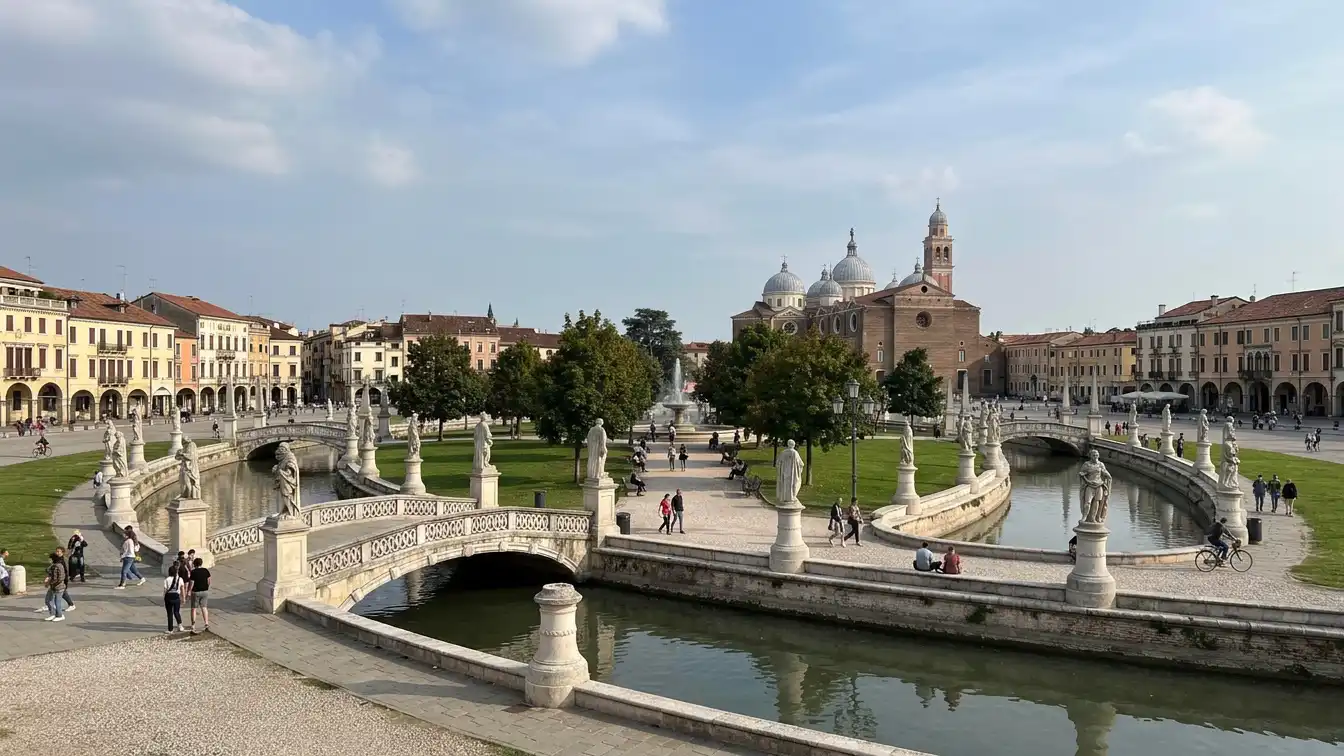
Padua features the Scrovegni Chapel with Giotto frescoes, the Basilica of St. Anthony, Prato della Valle square, and the botanical garden for a rich cultural visit. This guide provides practical details, costs in euros, and distances in kilometres for 2026 travelers.
Scrovegni Chapel
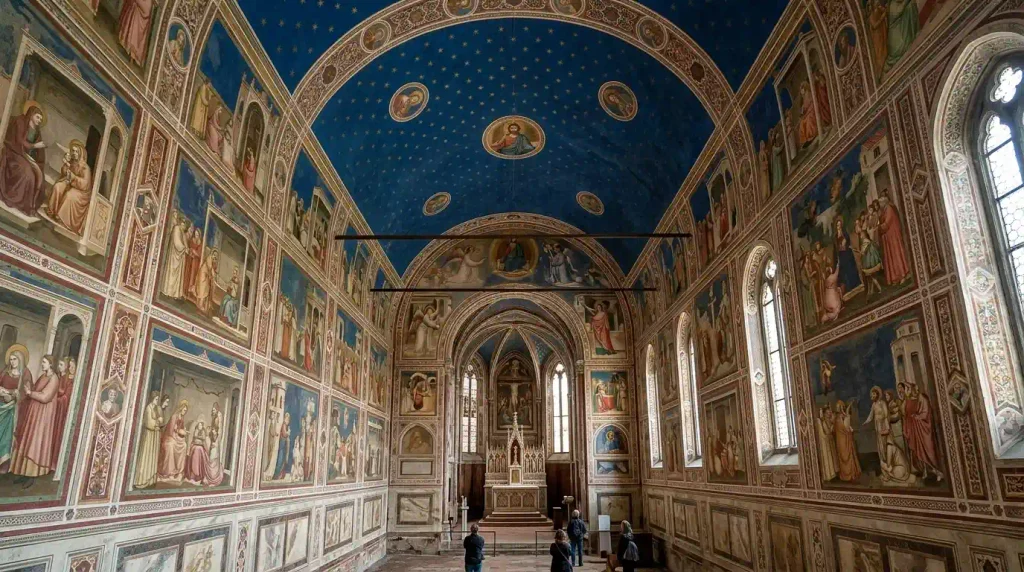
The Scrovegni Chapel holds Giotto’s 1305 frescoes, a UNESCO site and art milestone. Timed tickets are required and sell out, so book ahead. Entry is around 14 euros. The visit is short, about 15 to 20 minutes inside. The frescoes cover walls and ceiling. For similar art sites, see must see in europe. Booking is mandatory online. The climate control protects the works. The experience is moving. The chapel is small. Groups are limited. The surrounding museum has more. The location is central. Walking from the station is about 15 minutes. The art is revolutionary for its time. Many consider it a highlight. Plan the visit first. The ticket includes the museum. The frescoes depict religious scenes with emotion. The colors are preserved. This is a top priority. The booking system is strict. Arrive on time. The site is well organized. The history is profound. Combine with other downtown spots. The impact is lasting. The visit is efficient. Local experts praise it highly.
Basilica of St. Anthony
The Basilica of Sant’Antonio, or Il Santo, is a major pilgrimage site with the saint’s tomb. The architecture mixes styles with domes. Entry is free, donations welcome. The complex is large. Visit the chapels and cloisters. Related religious sites in barcelona must do. The basilica draws millions yearly. The tomb is the focus. The interior is ornate. The exterior is distinctive. The square outside is lively. Markets sometimes nearby. The visit takes 1 to 2 hours. The history dates to the 13th century. The saint is revered. The site has a museum. The atmosphere is spiritual. Many light candles. The location is walkable from center. The domes are a landmark. The visit is free and open. Respect the space. Photos may be restricted inside. The complex includes gardens. This is a key stop. The scale is impressive. The devotion is evident. Include it in any itinerary. The experience is unique. The architecture stands out. The tomb is moving for many.
Prato della Valle and Squares
Prato della Valle is Italy’s largest square, with a canal and 78 statues. It is free and open. Perfect for strolls. Nearby are Piazza delle Erbe and the market. Distances are short, under 1 km. See old towns in europe for more. The square is elliptical and grand. The statues represent historical figures. The canal is scenic. Locals use it for events. The area is pedestrian. Cafes surround it. The market has fresh produce. The squares are central. Walking connects them easily. The atmosphere is lively. Evening is pleasant. The size is impressive. Photos are easy. The history is long. The space is a gathering place. This is a relaxing stop. The statues are detailed. The water adds charm. Combine with nearby sites. The layout is unique. The visit is free. Enjoy the open air. The location is convenient. The square defines the city. Many relax here. The experience is local. The scale surprises visitors.
Botanical Garden and University
The botanical garden is the world’s oldest, a UNESCO site. Entry around 10 euros. The university has historic buildings and the anatomical theater. Both are central. Walking distances are short. For nature tips, see best hikes in arches national park. The garden has rare plants. The layout is historic. The visit is peaceful. The university is one of Europe’s oldest. The theater is unique. Tours may be available. The sites add education. The garden is well maintained. The history is scientific. The locations are walkable. Combine for a full day. The costs are reasonable. The experiences are distinct. The garden has greenhouses. The university has courtyards. The visit enriches the trip. The age of the garden is notable. The theater shows old methods. The city is academic. This appeals to curious visitors. The practical access is easy. The sites are well signed. The experience is memorable. Plan based on interest. The combination works well.
Practical Tips for Padua
Padua is 30 minutes from Venice by train. The city is walkable. Padova Card offers discounts and transport. Currency is euros. Distances in kilometres. See venice must do if available. The train is frequent. The station is central. Walking covers most sites. Buses are available. The card is useful for multiple days. The city is compact. The vibe is less touristy than Venice. Food is excellent with local dishes. Markets are lively. The history is deep. The practical side is easy. First-timers enjoy the mix. The sites are close. The planning is simple. Book the chapel early. Other sites are flexible. The city rewards exploration. The atmosphere is authentic. This guide covers the top. More details on site. The visit is worthwhile. The connection to Venice is convenient. Day trips are possible. Overnight allows more. The experience is rich. The tips help. Enjoy the cultural depth.
FAQs
Top Things to Do in Padua Italy Right Now
Highlights include the Scrovegni Chapel, Basilica of St. Anthony, Prato della Valle, and the botanical garden. Book the chapel ahead. The city is walkable and near Venice.
Do I need to book Scrovegni Chapel?
Yes, timed tickets are required and sell out. Book online in advance. The visit is short but essential.
Is the Basilica free?
Yes, entry is free. Donations are welcome. The tomb and architecture are the draws. Open daily.
How far is Padua from Venice?
About 30 minutes by train. Frequent service. Easy day trip or base. The station is central.
What is Prato della Valle?
Italy’s largest square with statues and a canal. Free to visit. Great for strolls. Central location.
Is Padua walkable?
Yes, main sites are within short distances. Comfortable shoes help. The center is compact. Public transport exists.
What is the Padova Card?
A pass for museums, transport, and discounts. Useful for longer stays. Check current options. Saves on multiple entries.
Best time to visit Padua?
Spring or fall for good weather. The sites are open year round. Summer is warmer. Book chapel early always.
What to eat in Padua?
Local Veneto dishes, markets, and cafes. Fresh produce. The food scene is strong. Try regional specialties.
How long to spend in Padua?
One to two days covers the top sites. A day trip from Venice works. Overnight allows relaxation. The city is compact.