
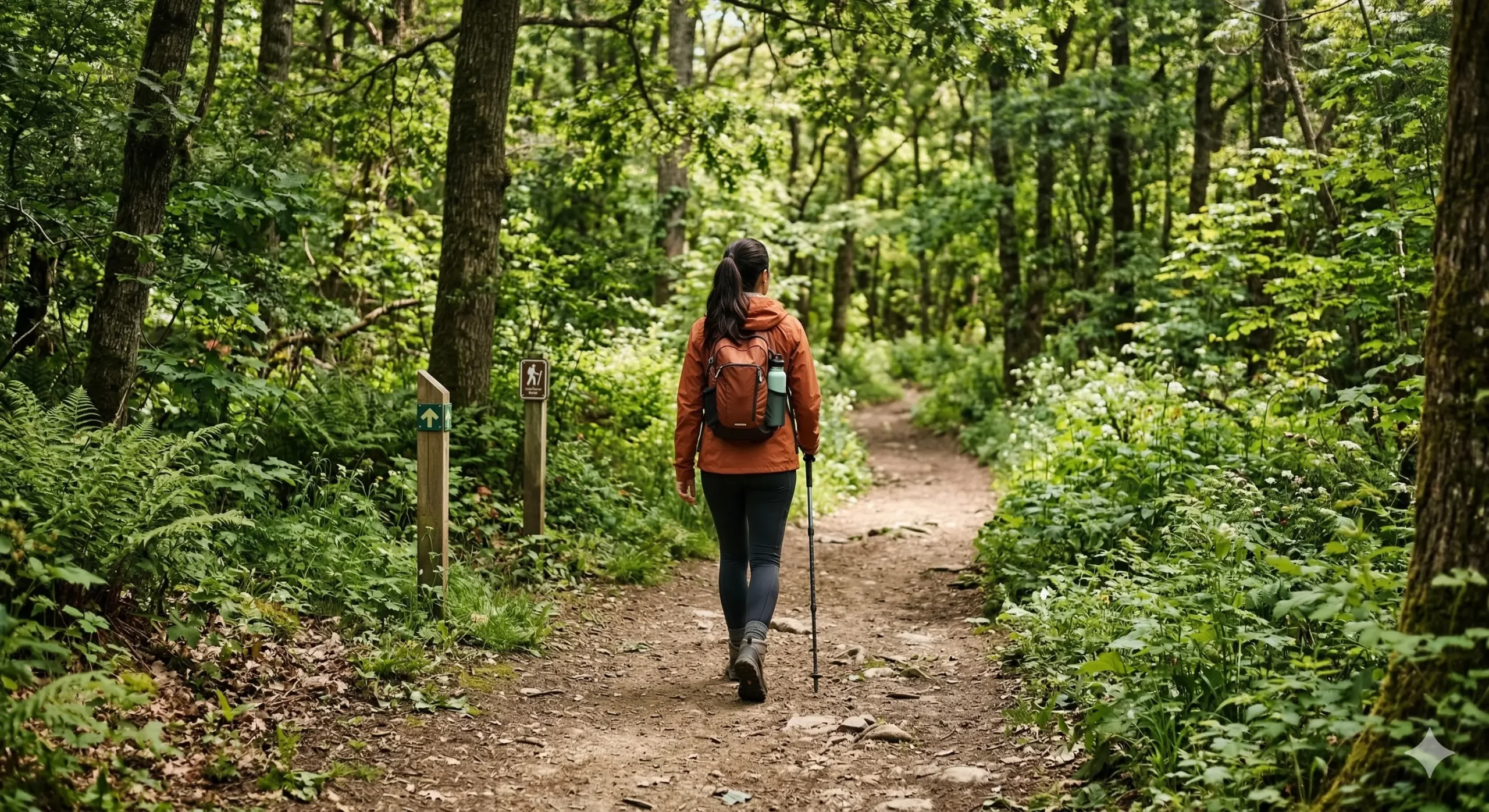
Park-Explore.com: Best Nature Trails Near Me
If you searched park-explore.com looking for the best nature trails near you, you are probably trying to find a trail that is easy to reach and worth your time. The problem is that many search results feel too broad or miss key details like difficulty, parking, shade, pet rules, and restrooms. A good local trail should match your time, comfort, and reason for going, whether you want a quiet walk, A good local trail should match your time, comfort, and reason for going, whether you want a quiet walk or need ideas from a family travel guide for an easy day outside
What makes a local nature trail worth visiting
A great trail does not need to be far away. It needs to feel easy to reach and worth your time. That starts with access. A nearby trail with clear signs, safe parking, and a simple route often beats a famous trail with crowds and confusion.
Scenery matters too. Some people want forest shade. Others prefer lakes, rivers, wildflowers, or open views. A good trail gives you a clear reason to go. That reason could be fresh air, quiet time, exercise, or family time without screens.
Comfort also shapes the experience. Restrooms, benches, maps, and picnic spots can turn a short walk into a smooth outing. These details matter even more for beginners, older adults, and families with children. Small things often decide whether people return or never come back.
Why people struggle to find the right trail
Most users do not fail because there are no trails nearby. They struggle because they do not know how to judge one trail against another. A photo can look great online and still lead to a bad fit in real life.
Distance confuses many people first. A two mile trail may sound easy, but the surface may be rocky and steep. A longer trail may feel easier because it stays flat and shaded. Numbers alone do not tell the full story.
Another problem is missing local details. Search results may not mention muddy paths, weak phone signal, closed restrooms, or crowded parking. Those issues turn a simple outing into a stressful one. The solution is to check recent updates, not just old rankings.
How to find better trails close to home
Start with local park websites and trusted trail apps. They usually list distance, trail type, surface, and access points. That gives you a basic picture before you go. It also helps you avoid routes that do not match your needs.
Recent reviews are even more useful. They often mention weather, fallen trees, muddy sections, bugs, and parking problems. Fresh feedback can save time and frustration. One honest review is often more helpful than a polished trail summary.
Local knowledge helps too. Outdoor shops, walking groups, cycling clubs, and neighborhood forums can point you to quiet trails that do not show up first in search. These are often the best local finds. They may be smaller, calmer, and easier to enjoy.
Match the trail to your goal
Not every outing needs a full hike. That is where many people go wrong. They search once, pick the top result, and end up on a trail that feels too long or too hard.
Think about your goal before you choose. Do you want exercise, views, quiet, family time, or a quick break from the city? A short shaded loop works well for stress relief. A longer route with climbs works better for a real workout. A boardwalk trail may suit birdwatching or photography more than fitness.
Time matters just as much. A trail that takes thirty minutes can fit a busy weekday. A route that needs three hours belongs on a free morning. When you know your goal and your time, the right choice gets easier.
Best trail types for beginners
Beginners often do best on loop trails with clear signs. A loop feels simple because you do not need to track a return point. It also lowers the stress of getting lost. Flat trails with packed dirt, gravel, or boardwalk sections feel easier underfoot.
Shade makes a big difference too. Sun exposure can drain energy fast, especially in warmer months. Trails with trees, water stops nearby, and places to sit feel more forgiving for first time walkers.
Short routes also build confidence. A one to two mile trail is enough for many beginners. That distance lets people enjoy the outing without feeling trapped in a long walk they did not expect.
Best trails for families
Family friendly trails need more than nice views. Parents need parking close to the trailhead, safe walking surfaces, clear signs, and somewhere to rest. Restrooms help. Picnic spots help more. Shade is a big win, especially with small children.
Children usually care less about distance and more about what they can see. A short trail with a creek, ducks, bridges, or open space often works better than a long scenic route. Variety keeps them engaged.
Keep expectations realistic. A trail that sounds easy for adults may feel long for children. Pick shorter routes first. Save harder walks for later. Good family outings end with energy left, not tired kids and stressed parents.
Best trails for dog owners
Dogs can make trail time better, but only when the route fits them. A dog friendly trail needs clear pet rules, enough space, and safe footing. Hot surfaces, steep rocks, and crowded paths can quickly turn a fun walk into a hard one.
Bring water for both of you. Do not assume the trail has clean water access. A leash is usually the smart choice, even where rules feel relaxed. Wildlife, cyclists, and other dogs can create quick problems.
Check reviews for pet related details. Other dog owners often mention shade, waste stations, water, and crowded times. That saves guesswork and helps you pick the right place from the start.
What to check before choosing a trail
A few details can change the whole outing. Check distance, elevation, weather, and trail surface first. Then look at practical things like parking, restrooms, and opening hours. These details matter more than most people think.
It also helps to know whether the trail is a loop or an out and back route. Loop trails often feel easier to manage. Out and back routes can feel longer because you retrace the same ground.
Mobile signal matters too. Solo walkers should pay attention to that. Families may care more about restrooms and shade. Every user has a different risk point. Knowing yours helps you choose smarter.
Quick trail checklist
- Check the weather before leaving
- Read the newest trail reviews
- Confirm parking and entry rules
- Carry water and wear good shoes
- Save the route on your phone
- Tell someone where you are going on longer walks
Best time to go
Morning is often the best time for local trails. The air feels cooler, parking is easier, and paths are quieter. Early light also makes the walk feel calmer. That matters for both safety and enjoyment.
Season matters as well. Spring brings flowers and mild weather. Summer works better early in the day. Fall often offers cooler temperatures and better color. Winter can still be beautiful, but short daylight and slick surfaces need extra care.
Weekdays are often easier than weekends. Popular local trails can feel crowded fast on Saturday and Sunday. People who want peace should aim for early weekday visits when possible.
Things to know before you head out
Picking a trail gets much easier when you focus on fit, not hype. The closest trail is not always the best one. A route that looks easy online may feel harder in real life because of heat, mud, hills, or poor trail signs.
Fresh updates matter more than old trail summaries. Parking rules can change. Restrooms may close. Weather can shift fast. A quick check before leaving can save time and stress.
It also helps to be honest about your energy level. A short trail in full sun can feel harder than a longer shaded walk. Good shoes, water, and a clear route make a bigger difference than most people expect.
Nature trails, hiking trails, and walking paths are not always the same
A nature trail usually focuses on scenery and easy access. It may pass through woods, wetlands, grassland, or a local park. Many are short enough for casual visits.
A hiking trail often asks more from the body. It may include hills, rough ground, and longer distances. Hiking trails can still be beginner friendly, but they often need more planning.
A walking path is usually the easiest of the three. It may be paved, open, and built for daily use. These paths work well for strollers, light exercise, and quick movement. Knowing the difference helps you avoid choosing the wrong type of route.
How local trails help your routine
People often search for trails because they want more than exercise. They want a break from noise, screens, and pressure. A simple walk outside can reset the mood and clear the head. It also adds movement without the feel of a strict workout.
Local trails work well because they remove excuses. A nearby route is easier to repeat than a major trip that needs planning every time. That makes it easier to build a habit.
Consistency matters more than distance. A short weekly trail walk often does more good than one big outing every few months. Simple routines tend to last longer.
Build a trail habit that actually sticks
Start small. Pick one nearby trail that feels easy to repeat. Visit it once a week at the same time. That turns outdoor time into part of your routine, not a random event.
Save the best local options in one place. Keep a short list on your phone with notes about distance, shade, parking, and crowd levels. That saves time when you want to get outside fast.
Rotate by season too. One trail may shine in spring. Another may work better in hot weather because of tree cover. Over time, you build a personal map of what fits different days.
How to choose the best nature trails near me without wasting time
The smartest way to search is not by popularity alone. Search by purpose. Use terms that match your need, such as family friendly trail, shaded trail, dog friendly trail, flat walking trail, or scenic trail near town. This gives better results than broad searches.
Then compare three things. Check difficulty, amenities, and recent conditions. These tell you more than a pretty headline ever will. Once you do this a few times, choosing a trail becomes much easier.
The phrase best nature trails near me matters because it reflects what people really want. They are not chasing a random path. They want a local place that fits real life. That means easy access, safe conditions, and an experience worth repeating.
FAQ
How do I find good local trails fast?
Use local park sites, trail apps, and recent reviews. Then narrow options by distance, trail type, and amenities.
Are nature trails good for beginners?
Yes, many are. Start with short loop trails that have flat ground, shade, and clear signs.
What should I bring on a local trail?
Bring water, good shoes, a charged phone, and weather based basics like a hat or light layer.
How do I know if a trail is family friendly?
Check for short distance, safe surfaces, restrooms, shade, and places to sit or picnic.
Are dog friendly trails always easy?
No. Some allow dogs but still have heat, rocks, or crowds. Read recent pet related reviews first.
What time is best for local trails?
Morning usually works best for cooler weather, fewer crowds, and easier parking.
Why local trails are worth making time for
A good trail gives you more than a walk. It gives you space to breathe, move, and step away from noise for a while. That is why nearby trails matter so much. They are easier to repeat, easier to fit into real life, and often more useful than a once in a while big trip.
Once you know how to compare distance, trail surface, parking, and amenities, choosing a local route becomes much easier. That turns a random search into a habit you can actually keep. Over time, one simple walk can lead to a better routine, better weekends, and more time outdoors.


