
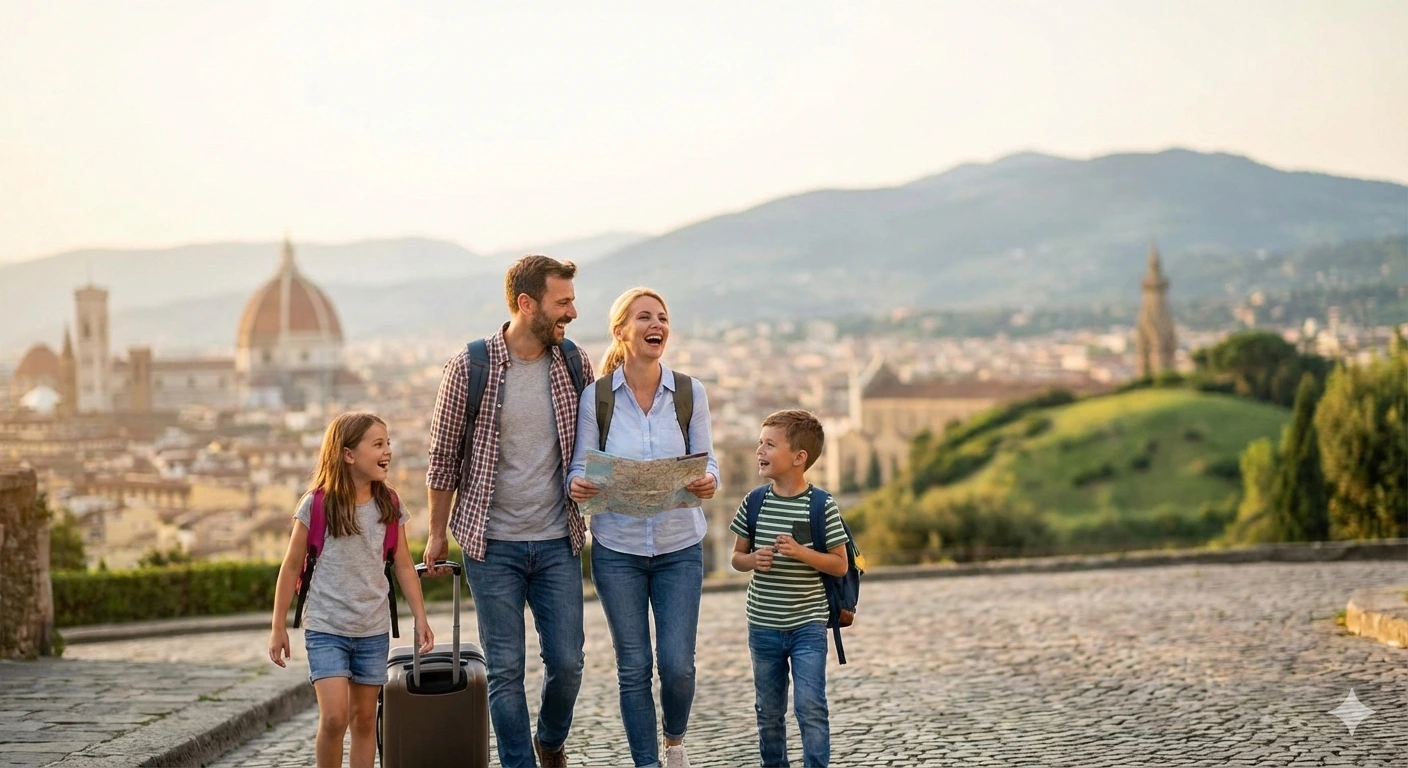
Family Travel Guide Livlesstravel: How to Plan a Trip Your Kids Will Love Without Losing Your Mind
Family travel works best when you plan around your kids instead of against them. Choose a destination that fits your child’s age and energy level. Book accommodation with a kitchen when possible. Pack light but smart. Give kids a small role in planning. And accept that some things will not go as planned. That mindset shift makes the whole trip better.
Most parents spend weeks planning a family vacation only to spend the first two days managing meltdowns and regretting the whole idea. The luggage is too heavy. The toddler refuses to sleep. The teenager is bored before the flight even lands. Sound familiar? You are not doing it wrong. You just need a better approach.
This family travel guide covers every stage of planning. From picking the right family-friendly destinations to packing smart and surviving long flights. Whether you are traveling with a baby or dragging a moody twelve year old through an airport. Real solutions for real families.
Why Family Travel Feels So Hard at First
The problem is that most travel content is written for adults. Solo trips and couples getaways do not come with nap schedules or snack emergencies. Traveling with kids adds layers of complexity that do not show up in a typical travel blog.
Kids get overstimulated. Sleep routines break down. Managing jet lag with kids after a long-haul flight is its own challenge. Add a tight family travel budget into the mix and it can feel like the vacation costs more stress than it saves. But here is what experienced family travelers know. The hardest trips almost always turn into the best memories. The flat tire story. The hotel fire alarm at midnight. The wrong train. Kids do not remember the perfect moments. They remember the adventure.
Choosing the Right Family-Friendly Destination
The best family vacation planning starts with a simple question: what does your family actually enjoy? Not what looks good on Instagram. Not what your neighbor did last summer. What works for your specific kids at their current ages?
Traveling with toddlers calls for short travel days and destinations with open green spaces. National parks or beach towns where kids can move freely work well. Traveling with school-age kids opens up more options because they can handle more activity and longer days. Teens are different entirely. They want some independence and at least one activity that feels designed for them.
| Destination Type | Best For | Budget Level | Top Examples |
| Beach towns | Toddlers and young kids | Low to mid | Outer Banks NC or Caribbean |
| National Parks | Active families and all ages | Low | Yellowstone or Grand Canyon |
| All-inclusive resorts | Families wanting ease | High | Cancun or Jamaica |
| European city breaks | Older kids and teens | Mid to high | Barcelona or Rome |
| Road trip destinations | Budget-focused families | Low | Route 66 or Pacific Coast |
One thing most family vacation guides skip: consider your destination’s infrastructure. Multigenerational travel with grandparents means you need elevators not cobblestones. A child with sensory sensitivities may do better at a lake cabin than a crowded theme park. Match the destination to the people going. Not the other way around.
Building a Family Travel Budget That Does Not Break by Day Three
The single biggest regret parents share is underestimating costs. Budget travel for families requires more planning than budget travel for solo travelers because four people eat four times as much and need more space to sleep.
Use fare tracking apps like Hopper or Google Flights to monitor prices over several weeks before booking. Flying midweek consistently beats weekend prices. Shoulder season travel is your best friend. Visiting popular destinations in April instead of July can cut costs significantly without sacrificing weather or experience.
Look for accommodation that includes a kitchen. Even a small kitchenette means you can do three or four breakfasts in the room instead of eating out every morning. That alone can save a family of four a solid chunk per day.
Ask hotels about family deals. Many properties offer free meals for children under a certain age. Enrollment in a hotel loyalty program costs nothing and can earn you room upgrades and free nights over time. Always ask at check-in.
The Smart Family Packing System
The most downloaded content in the family travel space is the family packing list. For good reason. Forgetting one item when you are two time zones from home costs real money and stress.
Build a master list you improve every single trip. Split it into categories: carry-on essentials for every family member. Trip-specific gear. Last-minute items you pack right before leaving.
Your carry-on essentials should cover every realistic emergency. One full change of clothes per person. Hand sanitizer. A small travel first-aid kit. Comfort items for kids like a favorite stuffed animal or familiar blanket. These items pull kids through unfamiliar environments without medication or meltdowns.
Packing cubes are not a trend. They are genuinely useful. They compress clothes and let you separate items by person so you are not digging through a shared bag at midnight for a toddler’s pajamas.
For long-haul flights with children pack snacks timed to the expected sleep window. A child who is full and slightly drowsy handles a ten hour flight far better than a hungry child with nothing to do.
Surviving the Journey: Flights and Road Trips With Kids
Flying with kids for the first time feels terrifying. After the third time it feels manageable. Here are the things that actually help.
Get to the airport earlier than you think you need to. Airport security with kids takes at least twice as long as it does alone. Give yourself that buffer. Most airlines allow families to board early. Use it. Do not be shy about it.
On the plane itself break out new activities in stages not all at once. A new small toy or coloring book every hour or so stretches the entertainment window. Airline bassinets on overnight international flights are worth requesting if you have a baby. Book early because they go fast.
The family road trip is the most forgiving form of family travel. You control the pace. You stop when you want. But long stretches without engagement break kids down fast. Plan pit stops at interesting places not just rest stops. A roadside attraction or short nature walk every two to three hours resets everyone’s mood.
Where to Stay: Accommodation Options for Families
| Option | Best Benefit | Best For |
| Family-friendly hotels | Convenience and services | Short city trips |
| Vacation rental or Airbnb | Space and kitchen access | Longer stays and larger families |
| All-inclusive resort | Everything included reduces decisions | Beach holidays and relaxation |
| Home exchange | Near-zero cost | Long-term budget travelers |
| Interconnecting rooms | Privacy for parents and space for kids | Family groups with mixed ages |
One underrated tip: always ask for interconnecting hotel rooms when booking for larger families. Kids get their own space. Parents get quiet evenings. Most chains have them but rarely advertise availability on the booking page.
If you travel more than twice a year enrolling in a hotel loyalty program makes sense. Free upgrades and late checkouts stack up. And a late checkout with young children on travel day is worth more than almost any paid amenity.
On the Ground: Kid-Friendly Activities and Keeping Everyone Happy
The biggest mistake in family vacation planning is over-scheduling. One major kid-friendly activity per day works far better than three. Kids tire faster than adults. A tired kid on day two derails the rest of the trip.
Mix paid experiences with free family activities. Most cities have excellent free playgrounds parks and local markets that kids enjoy as much as expensive attractions. Local museums and historical sites often have free or reduced family entry. Worth checking before you assume you cannot afford it.
Let kids help plan at least one activity. Not just for the sake of inclusion but because a child who chose the whale watching tour is far more patient waiting for whales than one who had no say.
For families doing outdoor adventures with kids: keep hikes shorter than you think necessary. Promise a small reward at the end. Wildlife watching and nature walks genuinely captivate most children when they are not exhausted.
The Conversations Most Family Travel Guides Skip
Traveling With Neurodivergent Children
If your child is autistic or has sensory sensitivities family travel requires a different kind of planning. Crowds and loud environments can derail a trip fast. Research the noise and crowd levels at attractions before you go. Choose accommodation slightly outside busy areas. Build in more downtime. And brief your child in advance with pictures and a simple itinerary so nothing comes as a surprise.
Solo Parent Travel With Kids
Solo parent travel is growing fast. The logistics are harder but entirely manageable. Book vacation rentals over hotels when possible because you can put kids to bed and still have your own space. Choose family-friendly destinations with good safety records and clear transport options. Connect with other solo travel parents online before you go. They have the most practical advice.
Traveling With Grandparents
Multigenerational travel with grandparents is wonderful until the mobility gap becomes a problem. European cities with cobblestones and medieval stairs can exclude older family members entirely. Check accessibility before you book. All-inclusive resorts and cruise ships typically handle mixed-mobility groups well and keep everyone within easy reach of each other.
Family Travel Safety and Health Basics
Travel insurance for families is not optional. One medical emergency abroad without coverage can cost more than the entire trip. Look for policies that cover trip cancellation emergency evacuation and medical care for all ages.
If anyone in your family has food allergies while traveling internationally carry a printed card in the local language explaining the allergy. Apps like AllergyEats and Google Translate can help in a pinch but a printed card works even in areas without strong mobile signal.
Build a simple family travel health checklist before every trip. Vaccinations required or recommended for the destination. Local emergency numbers. Location of the nearest hospital or clinic to your accommodation. Keep it saved on your phone and printed in your bag.
Best Apps for Family Travel Planning
| App | What It Does | Best For |
| Hopper | Predicts best time to book flights | Budget-focused families |
| TripIt | Organizes all bookings in one place | Multi-leg itineraries |
| Packr | Customizes packing lists by trip type | First-time family travelers |
| Google Trips | Offline destination guides | International travel |
| GasBuddy | Finds cheapest fuel on road trips | Family road trips |
Frequently Asked Questions About Family Travel
What is the best age to start traveling with kids?
Any age works. Babies under six months are actually easier than toddlers on flights because they sleep most of the time. The hardest age range is typically eighteen months to three years when kids are mobile but do not have the attention span for long journeys. School-age kids from around five upward become genuinely great travel companions.
How do you travel with a toddler on a plane?
Book a seat even if your airline allows lap travel for under twos. The lap rule sounds like a savings but a confined toddler on a four hour flight is stressful for everyone. Bring twice as many snacks as you think you need. New small toys introduced one at a time stretch engagement far longer. And accept that some level of chaos is normal. Flight crews have seen everything.
What should I pack when traveling with a baby?
Beyond the obvious diapers and formula focus on comfort and flexibility. A portable baby crib or travel bassinet means your baby sleeps in a familiar sleeping surface. A stroller that folds compactly is worth the investment. And always keep a change of clothes for yourself in the carry-on not just for the baby.
How do you handle a child with travel anxiety?
Walk them through the trip in advance. Show photos of the airport the plane and the hotel. Read a simple book about the destination. Familiarity with what to expect reduces anxiety more than reassurance does. Keep their routine as close to normal as possible especially sleep times.
Is it worth traveling internationally with kids under 3?
Yes for the parents and maybe not yet for the kids who will not remember it. But young children adapt to new environments better than most parents expect. The biggest risk is disrupted sleep. The biggest reward is you realize family travel is possible earlier than you thought.
What are the most affordable family vacation destinations?
National parks are the best value in the US. A $35 annual pass covers entry to every national park for your whole vehicle. Internationally Portugal Mexico and parts of Southeast Asia offer strong value for families watching their budget. Off-season coastal towns in your own country often beat expensive theme parks on both fun and cost.
How do you manage jet lag in children?
Start adjusting sleep times two to three days before you fly. On arrival push through to a normal local bedtime even if you are all exhausted. Morning sunlight helps reset circadian rhythms fast. Avoid long naps on the first afternoon. The second day is usually much better than the first.
What apps help families plan travel?
Hopper for flight prices. TripIt to organize bookings. Packr for packing lists. Google Translate offline for international communication. And the offline maps feature in Google Maps is genuinely worth downloading before you arrive anywhere.
One Last Thing
The perfect family travel experience does not exist. What does exist is a trip where the kids feel included and the parents feel prepared. Family travel rewards the people who plan smart and stay flexible. Logistics matter but the mindset matters more. The trip that goes sideways for an afternoon becomes the story everyone tells for years.