
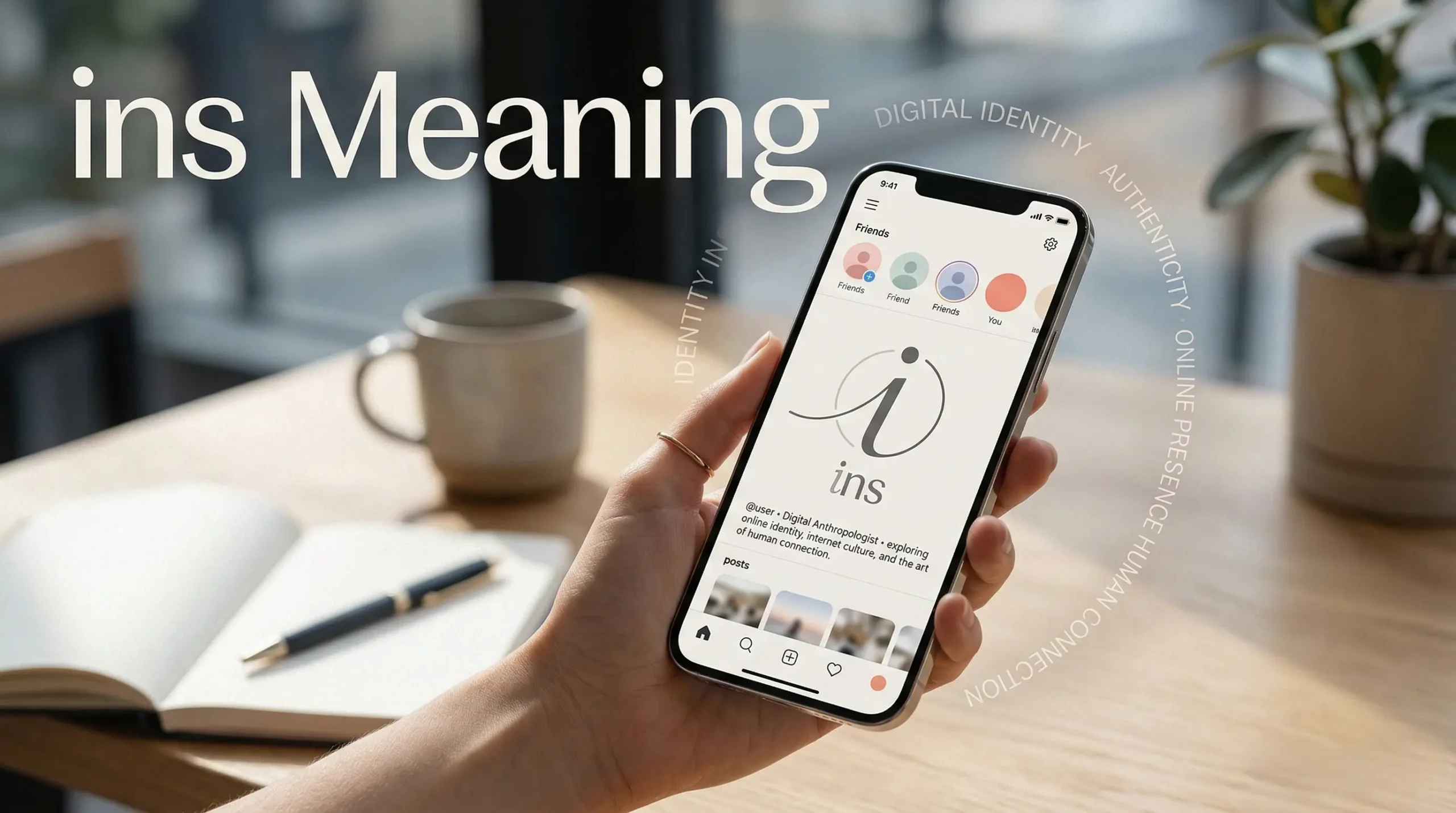
i̇ns Meaning: Origin, Social Media Use, and Why It Matters Online
The term i̇ns confuses many readers at first. It looks simple, but the meaning is not fixed. Across current ranking pages, it is usually described as a sign of digital identity, authenticity, and online presence. Several also link it to the Turkish word insan, which means human. That gives the term a more personal and human feel in online spaces.
This matters because most people searching i̇ns want a clear answer. They want to know if it is a real word, a social media term, a style choice, or something deeper. Many competitor pages circle around the same idea but do not explain it in a clean way. The result is more confusion. A better answer starts with context. i̇ns is best understood as a flexible term people use to express identity, realness, and a sense of being human online.
What Does i̇ns Mean in Simple Words
In simple words, i̇ns usually points to a person’s online identity. It can suggest how someone presents themselves on social media, how they want to be seen, or how they signal a more human side in digital spaces. It is not a standard dictionary term with one strict definition. Its meaning often comes from how people use it.
That is where many users get stuck. They search for one official answer, but the web gives them several loose ones. Some pages call it a digital identity marker. Others frame it as a symbol of self expression or personal branding. A few treat it more like visual internet slang. The strongest takeaway is that i̇ns is usually tied to presence, identity, and authenticity rather than one rigid definition.
Why the Meaning Feels Unclear
The confusion comes from how the term spreads online. It appears in bios, captions, usernames, and trend based content. That gives it a social feel instead of a formal one. When a term grows through culture first, people often shape its meaning as they go.
Another issue is that many websites publish broad claims without much evidence. One page says i̇ns is about identity. Another says it is a communication symbol. Another treats it almost like a lifestyle concept. This makes searchers wonder if the term is real or just inflated content. The safer view is this: i̇ns is a modern online expression with a meaning that shifts by context, but it usually points back to the human side of digital life.
Possible Origin of i̇ns
One of the most repeated explanations connects i̇ns to insan, a Turkish word that means human. That link appears again and again in current search results. If that reading is correct, the shortened form keeps the human core of the word while making it more compact and stylized for online use.
This origin matters because it gives the term more depth. Instead of looking like random letters, i̇ns starts to feel intentional. It points to personhood. It suggests something real behind the screen. That helps explain why the term gets framed around authenticity, presence, and human connection.
Still, it is smart to stay careful here. The web strongly repeats the insan connection, but many ranking pages are still interpretation heavy. So the best way to write about origin is not to sound absolute. Say it is widely linked to insan and often understood through that lens. That sounds honest and keeps your article trustworthy.
Why the Dotted i̇ Matters
The dotted i̇ is not just visual styling. In Turkish, that letter carries real language value. That means the dotted form can signal a cultural or linguistic connection, not just an aesthetic one. It also makes the term stand out from plain ins.
This small detail solves a common user problem. Many people assume i̇ns and ins are the same. They are not always the same in meaning or intent. The dotted form makes the term feel more specific, more deliberate, and more tied to the identity based explanation found across current results.
What Does i̇ns Mean on Instagram and TikTok
On Instagram and TikTok, i̇ns is usually presented as a soft identity signal. It can show up in a bio, a username, or a short caption. In those settings, it often suggests individuality, style, and personal presence. It helps a profile feel more human and less generic.
This is where the topic becomes useful. People do not search i̇ns only to learn a meaning. They often want to understand what they saw on a profile. Maybe they found it in a name. Maybe it showed up in a post caption. Maybe it looked trendy but unclear. The answer is often simple. In social settings, i̇ns tends to work as a subtle identity cue. It says something about how a person wants to be read online.
For creators, this kind of term can help shape tone. A clean profile with the right small details feels more intentional. That is why terms like i̇ns spread. They are short, memorable, and emotionally open enough for users to project meaning onto them.
Why People Use i̇ns as a Sign of Digital Identity
Online life pushes people to compress meaning into very small spaces. A bio has limited room. A username has even less. That is why short identity cues matter. i̇ns fits that pattern because it feels personal without saying too much. It gives a profile texture.
It also helps solve another user problem. Many people want to look real online without sounding forced. They want presence, not polish. They want connection, not noise. Terms tied to authenticity often work because they make a profile feel softer and more lived in. That is why current pages keep linking i̇ns to realness, human presence, and self expression.
There is also a social layer. People use tiny signals to show belonging. A word, symbol, or styling choice can tell others what kind of space they are entering. In that sense, i̇ns can work like a quiet marker of community, taste, or worldview. It does not need a long explanation to do its job.
i̇ns vs ins: What Is the Difference
This is one of the most important parts of the topic. Many readers confuse i̇ns with ins. The spelling looks close, but the meanings can split fast. i̇ns is usually discussed as an identity based online term. ins can mean many unrelated things depending on context.
For example, ins. in English can mean inches. INS can also refer to other formal acronyms. That is why context matters so much. A reader who lands on the wrong result may think the whole topic makes no sense. The dotted letter helps separate the cultural term from ordinary abbreviation use.
This gives you a strong writing angle. If your article clearly explains the difference early, users stay longer because you solve the exact confusion behind the search.
How Brands and Creators Can Use Terms Like i̇ns
Brands and creators often chase every small trend they see. That usually fails. A term like i̇ns only works when it fits the brand voice or personal identity. If it feels copied, the effect disappears.
A creator might use it in a bio because their content already feels personal, cultural, or identity led. A brand might mention the idea behind it when discussing human centered communication, creator identity, or authentic presence. But forcing the exact term into every profile or post would look unnatural.
The better solution is to learn from the meaning, not just the label. The deeper lesson behind i̇ns is that people respond to real voice, clear identity, and simple signals that feel human. Brands can use that idea without copying the word itself.
Common Places Where You May See i̇ns
You will usually spot i̇ns in places where identity matters most.
It may appear in a short Instagram bio where someone wants a minimal but meaningful label. It can show up in a username where the person wants a distinct visual style. It may also appear in a caption where the tone leans personal, artistic, or reflective. Some pages even frame it as part of a broader digital culture trend tied to self presentation.
If you see it in one of these spaces, do not overthink it. In most cases, the user is signaling identity, mood, or a human centered vibe rather than making a technical statement.
Is i̇ns Just a Trend or Something More Lasting
Some internet terms vanish in weeks. Others stay because they carry a deeper need. i̇ns seems more durable than a random trend because it sits inside a bigger shift. People want language that helps them feel human online. They also want smaller, cleaner ways to show who they are.
That does not mean the exact term will dominate forever. Online language changes fast. But the need behind it will stay. Users still want authenticity, belonging, and a sense of presence. Any term that serves those needs has a reason to survive.
Comparison Table
| Term | Usual meaning | Common context | Important note |
|---|---|---|---|
| i̇ns | digital identity or human centered expression | bios, captions, usernames | often tied to online culture |
| ins | generic shorthand or unrelated abbreviation | mixed search contexts | may not relate to identity |
| insan | human in Turkish | language and origin discussions | widely cited as the likely root |
| INS | formal acronym | official or technical contexts | unrelated in many cases |
Frequently Asked Questions About i̇ns
What does i̇ns mean in simple words?
It usually means a person’s online identity or a sign of human presence in digital spaces. The meaning is flexible, but most current results connect it to authenticity and self expression.
Is i̇ns a real word?
It is better described as a modern online term than a fixed dictionary word. Its meaning comes more from usage and internet culture than from formal dictionary status.
Is i̇ns a Turkish word?
Current pages often link it to the Turkish word insan, meaning human. That is the strongest origin explanation now, though many articles still use an interpretive tone rather than strict linguistic proof.
What does i̇ns mean on Instagram?
On Instagram, it often works as a profile level identity cue. People may use it in bios, usernames, or captions to suggest individuality, style, or a more human and authentic presence.
Is i̇ns the same as ins?
No. They may look similar, but i̇ns usually carries a different cultural and stylistic meaning. ins can refer to unrelated abbreviations or general shorthand.
Why does i̇ns have a dotted i̇?
The dotted letter may reflect Turkish spelling and gives the term a distinct visual identity. It helps separate it from plain ins and supports the language based reading.
Can brands use i̇ns in marketing?
They can, but only if it fits naturally. A better approach is to apply the idea behind it. Focus on human voice, real identity, and genuine connection instead of forcing the exact term into copy.
Final Thoughts
The reason people search i̇ns is simple. They want a clear answer to a term that feels modern, cultural, and slightly mysterious. The clearest explanation is this: i̇ns usually points to digital identity, authenticity, and a more human way of showing up online. Its likely link to insan adds depth, and its social media use makes it feel current.