Hoyop-Hoyopan Cave in Camalig, Albay: History, Travel Tips, and What to Expect
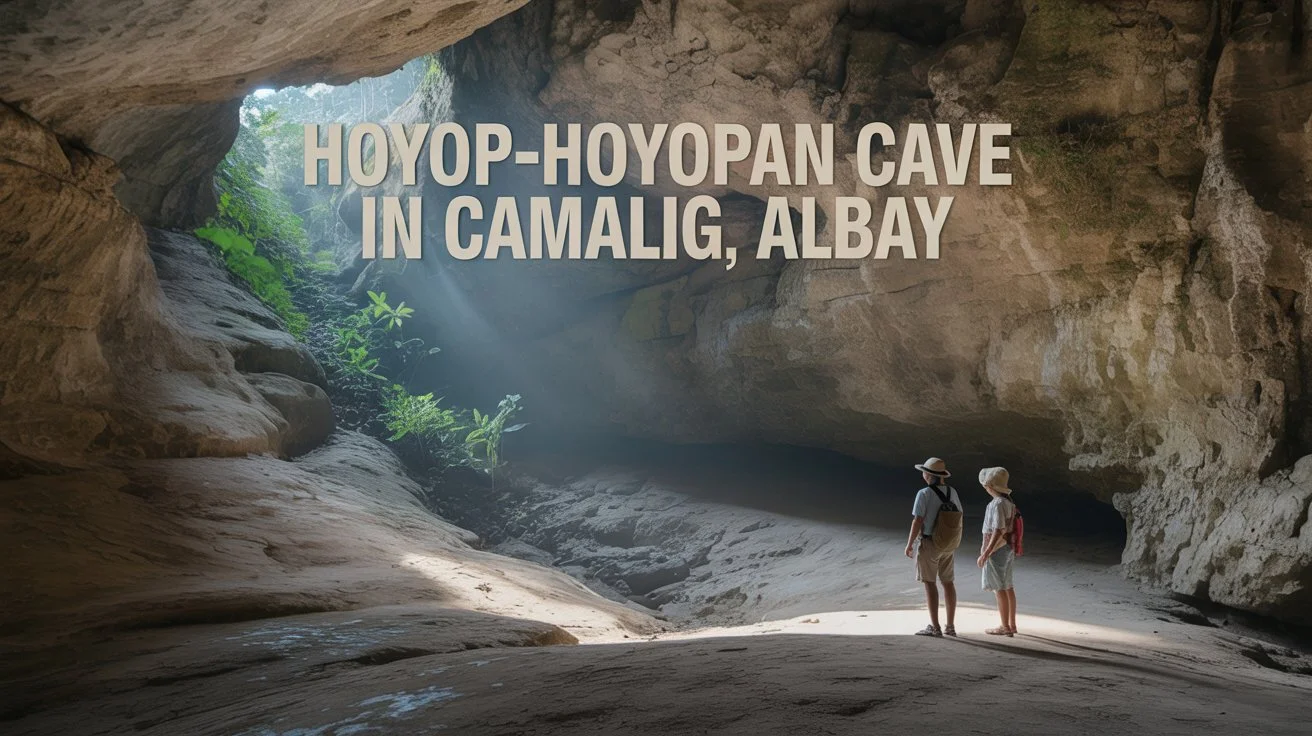
Hoyop-Hoyopan Cave is one of those places that feels different the moment you step in. It sits in Barangay Cotmon, Camalig, Albay, and people know it for one thing right away: the cool wind that moves through the cave even on a hot day. Local tourism materials also point to something bigger than a normal side trip. This cave is tied to old artifacts, local memory, and the wider heritage story of Camalig.
That mix is what makes it worth writing about well. Many travelers only want the basics. They want to know if the place is easy to reach, if the walk is hard, if the floor is slippery, and if the stop is worth the time. Others want more than that. They want to know why this cave matters, what was found inside, and how to plan a day around it without wasting hours on bad timing or confusing transport.
What makes this cave stand out
The name alone tells you a lot. Official town tourism materials say hoyop means “to blow,” which fits the cool air that passes through the cave’s passageways. Dateline Ibalon adds that the air seems to move in from the cave’s large openings, which helps explain why the place feels fresh even when the weather outside is harsh.
That wind is not the only reason people remember the place. The cave is also known for its limestone setting, chambers, cave openings, and worn stalactites and stalagmites. Some travel accounts describe wide spaces, echoing chambers, and an easy sense of movement compared with more demanding cave trips elsewhere. That matters for regular travelers who want nature without signing up for a rough expedition.
Where Hoyop-Hoyopan Cave is and how easy it is to reach
The cave is in Barangay Cotmon in Camalig, a town in Albay that the local government markets as a heritage destination with nature stops, cave hopping, trekking, and cultural sites. Official tourism materials place the cave about 15 kilometers from Legazpi City, while recent travel coverage describes a drive of roughly 30 to 40 minutes from Legazpi depending on traffic and route.
That location works well for travelers with limited time. Camalig Tourism promotes activity clusters that combine cave hopping with places like Solong Cave, Quitinday Green Hills, Quituinan Hills, Sumlang Lake, and a heritage walk around St. John the Baptist Parish Church. So this is not a stop that forces you to build a whole trip around one attraction. It fits neatly into a half day or full day plan.
What to expect inside the cave
They picture a dark, cramped place, then wonder if they need serious gear or caving experience. Most published travel descriptions do not frame it that way. They describe a guided visit through chambers with built paths in parts, a tour that often runs around 30 to 60 minutes, and a setting that feels more like an accessible eco stop than a hard-core spelunking route.
Still, it is not a mall walk. Some sources warn that the floor can be wet and slippery, and local guide rules matter. The simplest fix is also the best one. Wear shoes with grip, go slow on uneven sections, and follow the guide instead of rushing for photos. That solves the biggest beginner problem before it starts.
Some people arrive hoping for a giant underground river or a long adventure cave. That is the wrong lens. This stop works better for travelers who enjoy natural airflow, cave chambers, rock formations, a short guided experience, and a site with real local history behind it. If that is what you want, the visit lands much better.
Why the cave matters beyond tourism
Many cave articles stop at “nice formations” and “good for photos.” That is not enough here. Official town tourism materials say pottery, human bones, beadwork, and other artifacts were unearthed in the cave. Dateline Ibalon’s detailed reporting adds that the cave drew the attention of Fr. Cantius J. Kobak, OFM, who worked with local helpers in early 1973 to examine the site more carefully.
Those reports describe finds that go far beyond a casual tourist story. Items mentioned include earthenware jars, jarlets, plates, burnt human bones, rusted iron implements, glass beads, shell bracelets, and even some gold beads. Dateline Ibalon also notes that some material lacked porcelain, which writers there use to argue for a very early date for part of the collection.
One of the most striking finds is the figurine often described as the Huyuphuyopan anito. Dateline Ibalon says it was found near the mouth of the cave and was encrusted in a stalactite. The same report cites discussions that place the figurine and related finds within a precolonial context, with estimates ranging from around 400 to 1000 AD for the anito and broader local settlement activity reaching even earlier periods.
That history changes how the place should be understood. This is not only a nature stop in Albay. It is also part of a longer story about early communities in Camalig, ritual objects, burial practices, and local material culture. A recent archaeology paper also references Hoyop-Hoyopan Cave in discussion of Philippine jar burial traditions, which strengthens the site’s relevance beyond local tourism pages.
The local stories people still connect to the cave
Travelers often ask if the cave has a wartime story. The careful answer is yes, but not every detail is equally firm. Dateline Ibalon says the cave may have served as a refuge for civilians or guerrilla fighters during World War II. Older travel writing and regional coverage go further and describe it as a guerilla camp, refugee camp, or hideout during later troubled periods. The safe way to write this is to present it as a strong local memory tied to refuge and shelter use.
That same local memory shows up in a stranger detail that visitors love. Older accounts mention a paved circular area inside that people called a dance hall, linked by guides to gatherings during the Martial Law era. Even if a visitor comes only for a short cave walk, these stories give the place more texture than a standard eco stop.
How to get there without turning the trip into a hassle
Getting there is usually simple if you drive. Recent travel guidance says the usual route from Legazpi City is by land through Camalig, then on to Barangay Cotmon. The common private travel estimate is around 30 to 40 minutes.
Commuting is the part that trips people up. Travel sources say you can take a jeep or van to Camalig, then ride a tricycle or habal-habal to the cave entrance. The problem is not reaching the site. The problem is the return trip, especially if you arrive late or assume transport will be waiting. The smart fix is to go early, bring cash, and speak with your driver about pickup before you start the tour.
Entrance fee, guide fee, and the rate problem
This is one area where travelers often get confused. Published rates do not fully match across sources. One recent travel guide lists ₱50 entrance, ₱300 guide fee, and operating hours of 7:00 AM to 5:00 PM. Another recent page lists ₱200 for 2 to 3 persons, then ₱50 per person for larger groups, with the guide included, plus a ₱25 parking fee. Older travel posts show yet another version.
That does not mean the information is bad. It means rates have likely changed over time or vary by group size and arrangement. The practical solution is simple. Treat online prices as a guide, not a promise. Carry extra cash, verify the current setup before leaving town, and do not build a tight budget around one older post.
What to wear and what to bring
A lot of peoples mistakes come from dressing for the drive, not the cave. The inside can feel cool, but the walk still calls for steady footing. Published guides recommend non-slip or hiking shoes, light clothes, water, cash, and a small light source if needed. Even when there is some lighting, dim sections and wet ground are common enough that decent footwear matters more than any other item.
If you are going with kids or first-time cave visitors, keep the plan simple. Skip fancy bags, avoid sandals, and do not turn the stop into a race for photos. The best experience usually comes from a slower walk, a good guide, and enough time to notice the airflow, textures, and chambers instead of trying to finish fast.
Nearby places that make the trip better
One reason this cave works so well for content and for real travelers is the local cluster around it. The official Camalig tourism pages highlight Solong Eco Park, Quitinday Green Hills, Quituinan Hills, Sumlang Lake, and the heritage walk around St. John the Baptist Parish Church as part of the town’s wider tourism offer. That gives you room to build a day that mixes cave time, views, food, and heritage instead of relying on one attraction alone.
A smart half day works like this: cave visit in the morning, then one scenic stop like Quitinday Green Hills or Sumlang Lake. A fuller day can add a heritage stop and local food in Camalig. This solves another traveler problem, which is the fear that the cave alone may feel too short. Paired with nearby stops, it feels like a much more complete outing.
Is Hoyop-Hoyopan Cave worth visiting
Yes, especially if you like places that feel local and layered. It gives you the cool cave experience people come for, but it also gives you a stronger story than most quick nature stops. You get Camalig, Albay, cave formations, moving air, local memory, and a site connected to important archaeological finds. That is a lot of value from one stop.
The right expectation matters, though. This is best for people who enjoy short nature trips with substance. It is not the cave for someone chasing a huge adventure circuit. It is the cave for someone who wants a place that feels cool, curious, and rooted in local history.
FAQs
How far is the cave from Legazpi City?
Official town tourism materials place it about 15 kilometers from Legazpi City, while travel guides often frame the drive as roughly 30 to 40 minutes.
Do you need a guide?
Published travel sources consistently refer to guided visits, and that makes sense because the cave has slippery spots, dim areas, and a local story that is easier to appreciate with context.
Is it good for beginners?
Yes, for most beginners, as long as they wear proper shoes and move carefully. Travel accounts present it as manageable compared with more demanding cave trips.
Why is the cave important?
Because it is both a visitor site and a heritage site. Reports connect it to important finds such as pottery, human remains, beads, and the Huyuphuyopan anito, which place it in a much deeper local history.