
How Many Airports In Hawaii: What You Need to Know
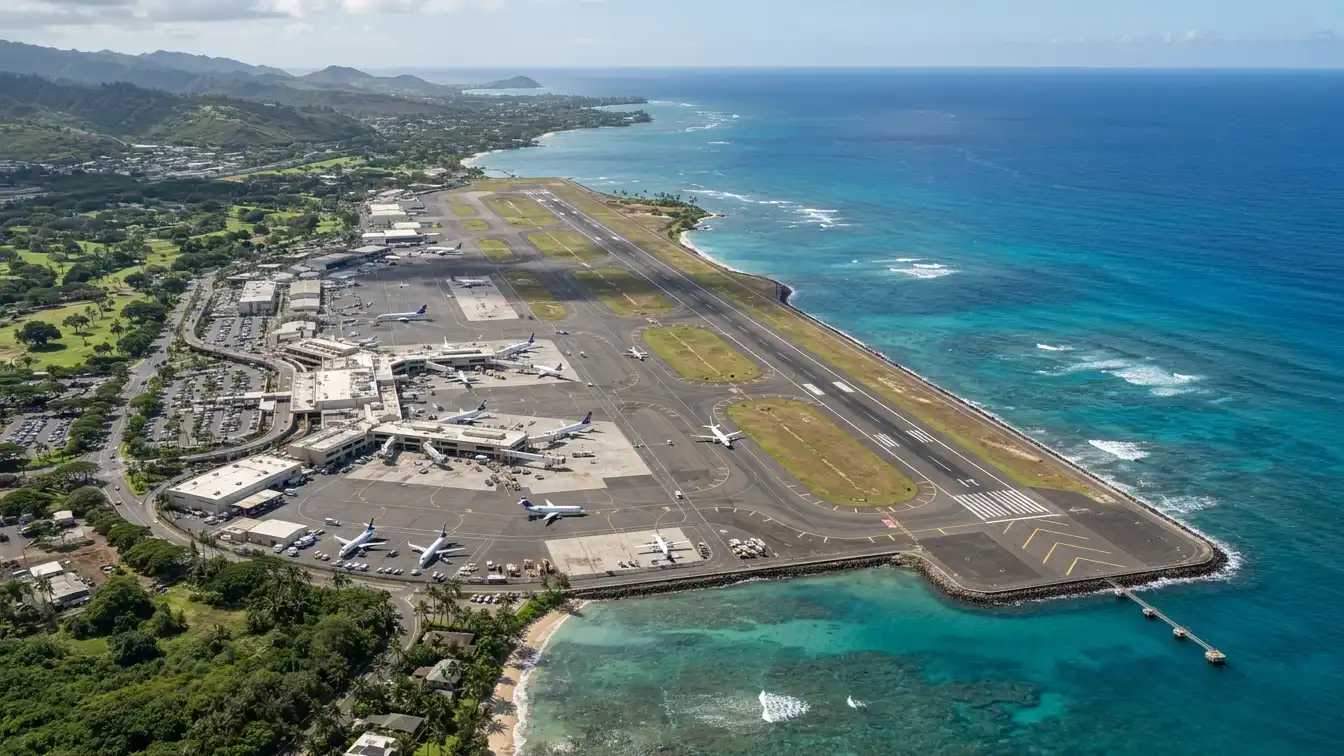
Hawaii has five major commercial airports across Oahu, Maui, the Big Island, and Kauai, plus smaller regional ones on Molokai and Lanai. These handle inter-island and mainland flights, with Daniel K. Inouye International (HNL) in Honolulu as the main hub for most international arrivals. Visitors use these gateways to reach beaches, volcanoes, and cultural sites across the state.
Main Commercial Airports in Hawaii
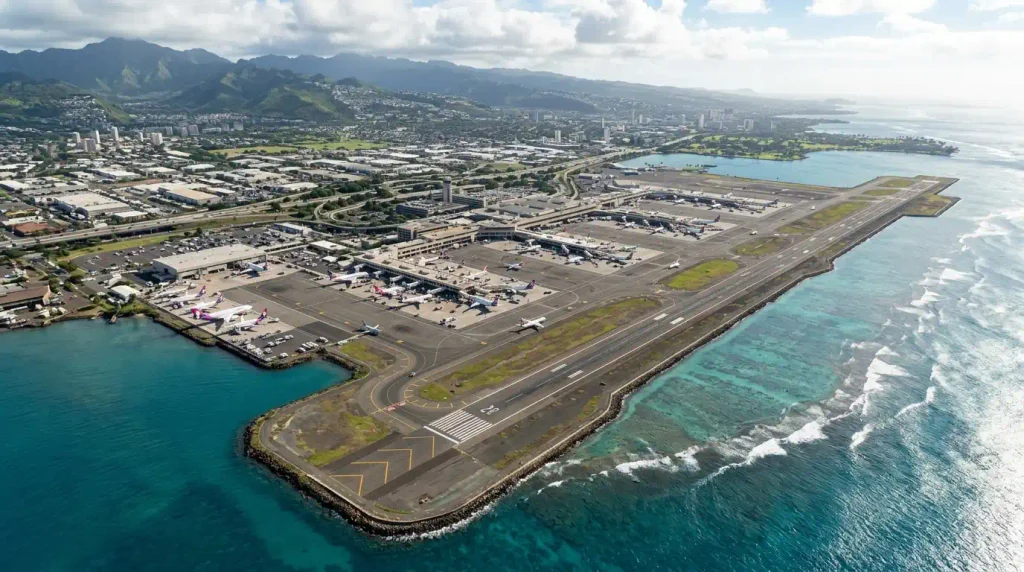
The primary airports serving commercial passengers include Daniel K. Inouye International Airport (HNL) on Oahu, Kahului Airport (OGG) on Maui, Ellison Onizuka Kona International Airport (KOA) and Hilo International Airport (ITO) on the Big Island, and Lihue Airport (LIH) on Kauai. These five handle the bulk of visitor traffic from the mainland and inter-island hops. Molokai Airport (MKK) and Lanai Airport (LNY) provide essential service to the smaller islands. Distances between islands vary, with flights typically lasting 30 to 60 minutes. Travelers planning multi-island trips should check schedules as frequencies change seasonally. For more on island highlights, see hawaii must do.
Each airport has unique features suited to different trip styles. HNL offers the widest range of international connections. Neighbor island airports focus on domestic and inter-island service. Understanding the layout helps avoid extra driving after arrival. Many travelers combine islands for a full experience of Hawaii’s diversity. Booking flexible tickets allows for changes due to weather. Check official sites for real-time updates before travel. Related snorkeling info is in best places to snorkel in hawaii.
Oahu Airport Details
Daniel K. Inouye International Airport (HNL) sits about 5 miles from Waikiki and serves as Hawaii’s busiest gateway. It handles over 10 million enplanements annually and offers nonstop flights to Asia, Australia, and the US mainland. Ground transport to Waikiki takes 20 to 30 minutes by car or shuttle. The airport features multiple terminals with shops and dining. Inter-island flights depart from the interisland terminal. Many visitors start here before connecting onward. Nearby attractions include Pearl Harbor. The airport has undergone upgrades for smoother flow. Security lines can be long during peak hours, so arrive early. Dining options include local Hawaiian flavors alongside standard fare. For general travel tips, see must-have travel essentials for long flights.
Parking is available but fills up quickly. Rideshare pickups have designated zones. Public bus service connects to Honolulu but may not suit those with heavy luggage. The airport code HNL is well known worldwide. It serves as a hub for Hawaiian Airlines. International arrivals clear customs here before domestic connections. Plan for potential delays in high season. Nearby hotels offer shuttle services. Exploring Oahu from this base is convenient for first-timers. Cultural sites are accessible by short drives or tours.
Maui and Big Island Airports
Kahului Airport (OGG) is Maui’s main entry, located centrally. From here, West Maui resorts are about 45 minutes west by car, and South Maui about 25 minutes south. The Big Island has two options: Kona (KOA) for the sunny west coast resorts and Hilo (ITO) for the volcanic east side. Driving between KOA and ITO takes 1.5 to 2 hours. Choose based on your itinerary to minimize driving. Snorkeling spots near these areas are popular. OGG handles significant traffic from the West Coast. It has two runways and modern facilities. Baggage claim is straightforward. Car rental counters are on site. For Big Island volcano visits, ITO is closer. KOA suits beach-focused trips. Weather differences between coasts affect choices. Pack accordingly for rain on the windward side. More on Maui is at maui must do.
Both Big Island airports have open-air terminals that feel local. Inter-island connections are frequent. Fuel stops and rest areas exist along the drive between them. Volcanoes National Park is closer to Hilo. Resorts cluster near Kona. Flights to these airports often include direct service from major US cities. Check for seasonal routes. Delays can occur due to fog or wind. Have backup plans for outdoor activities. Local shuttles serve some resorts. Public transport is limited outside main towns.
Kauai and Smaller Island Airports
Lihue Airport (LIH) is Kauai’s sole major airport, about 2 miles from Lihue town. It serves the Garden Isle with direct mainland flights and inter-island connections. Molokai and Lanai airports are smaller, mainly for inter-island prop planes. These smaller fields have limited services. For adventure options, check kauai must do. LIH is compact and easy to navigate. It handles flights from the mainland and other islands. Ground transport options include taxis and rentals. The island’s north shore is farther, about an hour drive. Weather on Kauai can be rainy, so prepare. Smaller airports like MKK and LNY have short runways. Flights use smaller aircraft. Book early as seats are limited. These islands offer quieter experiences. No large jets land regularly. Services are basic but sufficient for short stays.
Lanai is known for luxury resorts. Molokai has a more rural feel. Both require advance planning for activities. Inter-island tickets are separate from mainland ones. Allow time for connections. Baggage fees apply on some routes. Check airline policies. The smaller airports lack extensive dining. Bring snacks if needed. Scenic views on approach are common. Many visitors use them as day trips from larger islands.
Inter-Island Travel Tips
Inter-island flights are the primary way to move between islands since no ferries operate regularly for passengers. Hawaiian Airlines and Southwest dominate these routes. Book in advance during peak seasons. Allow extra time for security. Baggage rules apply strictly. Costs vary but are typically higher for last-minute bookings. Plan your stays accordingly to avoid tight connections. Related mainland tips appear in how to start a travel blog. Flights depart from dedicated terminals at larger airports. Online check-in is recommended. Apps provide gate updates. Weather can cancel flights, especially in winter. Travel insurance is advisable. Multi-island packages sometimes include flights. Compare options for savings. Peak times see higher demand. Shoulder seasons offer better availability. Distances are short, but logistics take time. Coordinate hotel check-ins with flight times. Some resorts provide pickup services.
Security is standard TSA style. Liquids rules apply. Cultural items may need special packing. Enjoy the views from the air. Islands appear quickly after takeoff. Pilots often point out landmarks. Children enjoy the short hops. Pets have specific rules. Confirm policies before booking. Group travel may qualify for discounts. Check for status matches if flying multiple airlines. The experience feels unique compared to longer flights. Many return visitors do island hops regularly.
Comparison of Major Airports
| Airport | Island | Code | Key Feature |
|---|---|---|---|
| Daniel K. Inouye | Oahu | HNL | Main international hub |
| Kahului | Maui | OGG | Central Maui access |
| Kona | Big Island | KOA | West coast resorts |
| Hilo | Big Island | ITO | Volcano side |
| Lihue | Kauai | LIH | Garden Isle gateway |
This table highlights the main options for visitors in 2026. Distances from airports to popular spots range from 20 minutes to over an hour. Enplanement numbers show HNL leads by far. Choose based on your main activities. All have car rentals and basic amenities. Facilities improve yearly. Monitor for construction updates. The comparison helps first-time planners. Local currency is USD throughout. Miles are used for distances in the US. No major changes expected soon. More details on specific islands in other guides.
Practical Planning Advice
Arrive early for check-in, especially at HNL. Use the official airport sites for current flight info. Car rentals are available at all major airports. Public buses connect some but are less convenient with luggage. Budget for taxis or rideshares. Weather can affect schedules, particularly on windward sides. For more travel essentials, see best road trip routes in europe for general ideas, or focus on Hawaii specifics. Download airline apps for mobile boarding. Have digital copies of reservations. Confirm ID requirements for domestic flights. Hawaii is a US state, so no passport needed for US citizens. International visitors follow standard rules. Currency exchange is available at HNL. ATMs are in terminals. Tipping is customary for services. Local time is Hawaii-Aleutian. Adjust for jet lag from the mainland. Rest upon arrival if possible. Explore nearby before long drives. Safety is high, but follow local advisories. Respect cultural sites. Support local businesses. Plan meals around flight times. Hydrate in the tropical climate. Sunscreen is essential outdoors. These steps make airport navigation smooth.
Research resort shuttles in advance. Some offer free transfers. Others charge a fee. Compare with taxis for groups. Fuel is available near airports. Roads are well maintained. Navigation apps work well. Offline maps help in remote areas. Emergency contacts include local numbers. Travelers insurance covers cancellations. Review policies carefully. The airports support Hawaii’s tourism economy. They connect the islands efficiently. With good planning, arrivals are stress-free. Enjoy the aloha spirit from the start. More resources exist for detailed itineraries. Check current conditions before departure. Updates appear on airline sites. This guide covers the essentials for 2026 travel.
FAQs
How Many Airports In Hawaii: What You Need to Know
Hawaii has five major commercial airports on the main islands plus smaller ones on Molokai and Lanai. The busiest is HNL in Honolulu. These support both inter-island and long-haul travel for visitors and residents.
What is the main airport in Hawaii?
Daniel K. Inouye International Airport (HNL) on Oahu is the primary hub. It handles the most international and mainland flights. Most visitors arrive here first before exploring further.
Are there airports on every island?
Major islands have commercial airports. Oahu, Maui, Kauai, and the Big Island have primary ones. Molokai and Lanai have smaller fields for local service only.
How long are inter-island flights?
Flights between islands usually take 30 to 60 minutes. Times depend on the specific route and weather. Book ahead for better options and lower fares.
Which airport is best for Maui?
Kahului Airport (OGG) serves most Maui visitors. It is centrally located. From there, resorts are 25 to 45 minutes by car depending on the coast.
Do I need a car after landing?
A rental car is recommended for most islands to explore freely. Public transport exists but is limited. Book rentals early in peak season to secure availability.
What about smaller airports?
Molokai and Lanai airports handle inter-island traffic mainly. They have basic facilities. Larger planes do not serve them regularly due to runway length.
How to get from HNL to Waikiki?
The drive or shuttle takes 20 to 30 minutes. Taxis and rideshares are available. The bus is an option but slower with bags and more stops.
Are there direct flights from the mainland to all islands?
Yes, to Oahu, Maui, Kauai, and the Big Island. HNL has the most options. Check current schedules as they change with seasons and demand.
What is the busiest airport?
HNL handles the highest passenger numbers. It is the main international entry. Others focus more on regional and some direct flights from the West Coast.