
Best Time to Visit Mahabalipuram for Comfortable Sightseeing in 2026
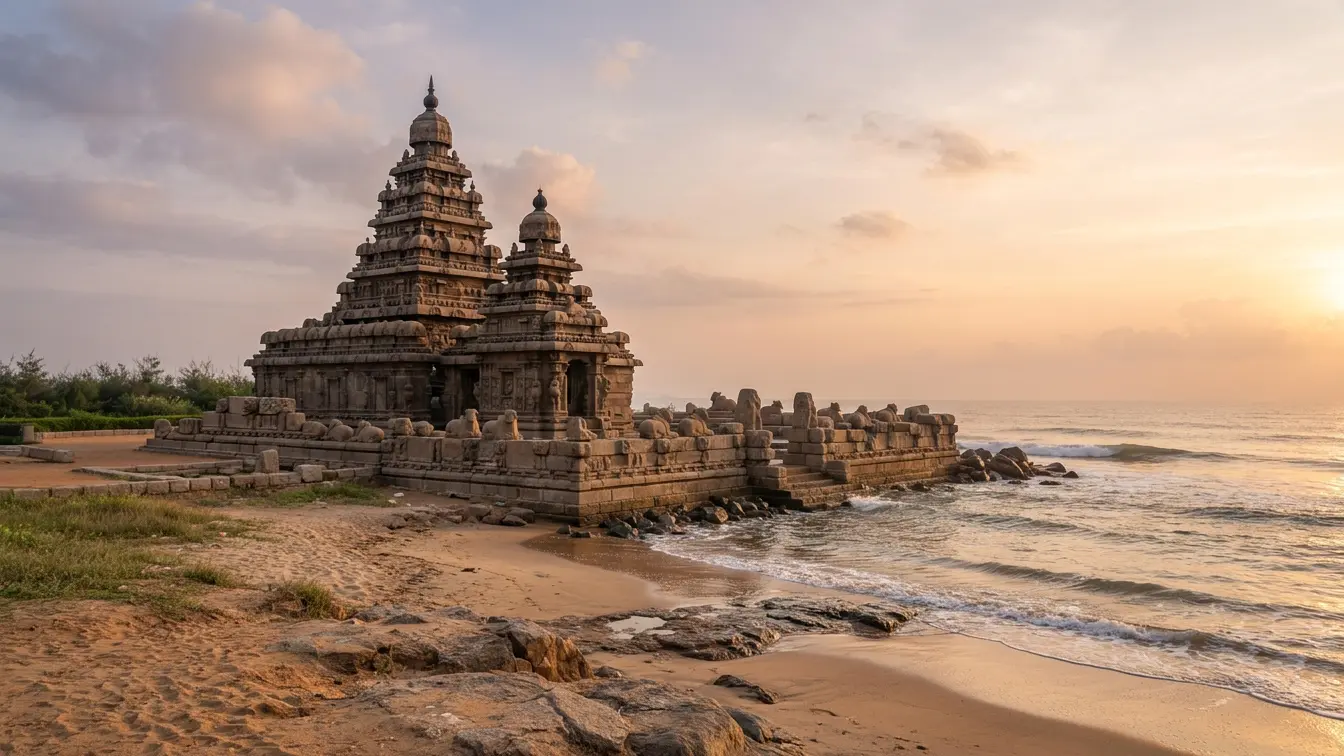
The best time to visit Mahabalipuram is November to February. Temperatures stay between roughly 20°C and 30°C, rainfall is lower, and outdoor monuments are comfortable to explore. The Mamallapuram Dance Festival in December and January adds evening performances against the rock-cut sites.
Winter Months: November to February
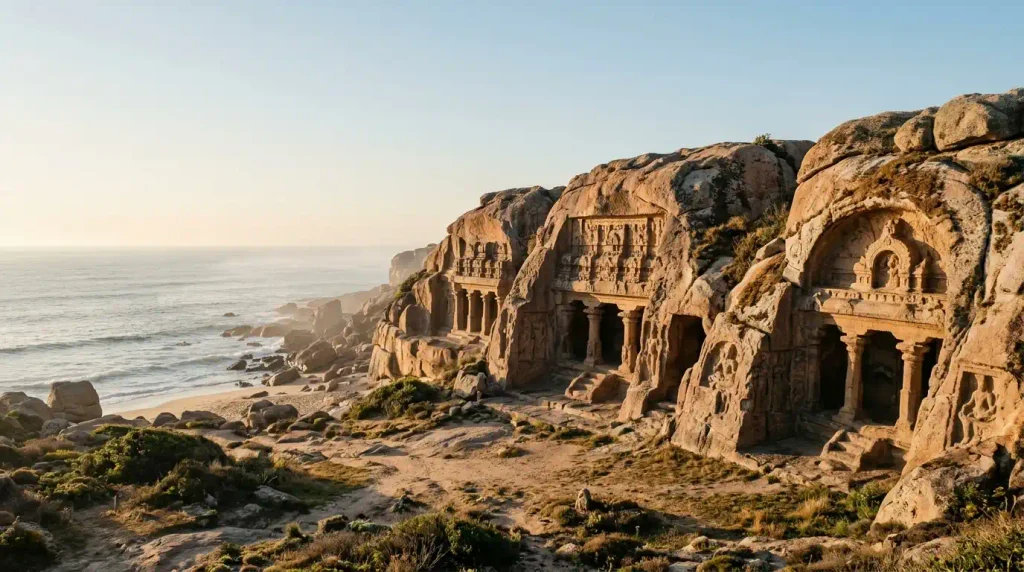
November through February brings the mildest weather on the Coromandel coast. Daytime highs typically range from 28°C to 30°C, with nights cooler around 20°C to 22°C. Humidity drops compared with summer, making walks around the Shore Temple and Pancha Rathas easier. Clear skies help photography in the early morning and late afternoon. This is the peak tourist season, so hotels fill faster and rates rise. Booking ahead is practical.
The Mamallapuram Dance Festival usually runs from late December into mid-January. Classical and folk performances take place near the monuments, often with free entry to the complex during the event. The combination of pleasant weather and cultural programming makes these weeks popular with visitors from across India and overseas.
Shoulder Season: October and March
October can still see residual monsoon rain as the northeast monsoon retreats. Temperatures remain moderate, and crowds are lighter than in December. March warms up, with highs moving toward 32°C, but the air stays drier than in May. Both months offer a balance of fewer visitors and still-manageable heat. Morning visits remain the best strategy to avoid the strongest sun on the open granite sites.
Accommodation prices are generally lower than in peak winter. Travelers who prefer quieter monuments often choose these transition months.
Summer: April to June
April and May bring the highest temperatures, frequently above 35°C and sometimes reaching 37°C or more. Humidity climbs, and the lack of shade around the rock-cut monuments makes midday exploration tiring. Early morning openings, often from 6 a.m., become essential. Afternoons are better spent indoors or by the coast with shade. Crowds thin out, and some hotels offer lower rates. Heat remains the main limitation for outdoor time.
June marks the start of the southwest monsoon influence in parts of the region, though the heaviest rain usually arrives later.
Monsoon: July to September and Peak Rain in October-November
July through September sees regular rainfall and higher humidity. Outdoor plans can be interrupted by showers. October and November often record the heaviest totals on the coast, with November frequently the wettest month. Rough seas and strong currents make unsupervised swimming less advisable. Monument visits are still possible between showers, but waterproof gear and flexible timing help. Some travelers use the period for lower prices and fewer people, accepting the weather trade-off.
Local conditions vary year to year. Checking recent forecasts before travel remains useful.
Daily Timing Tips
Whatever the month, the best hours are early morning and late afternoon. The Shore Temple and other open sites have limited shade. Soft light in the first hours after opening improves both comfort and photos. Sunset near the temple offers coastal views. Midday heat is strongest from late morning through mid-afternoon in every season except the coolest winter weeks.
Most monuments are open daily from around 6 a.m. to 6 p.m. Entry fees and exact hours can change, so confirming on arrival is standard.
Getting There and Staying
Mahabalipuram sits about 55 to 60 kilometres south of Chennai. The drive takes roughly 1.5 to 2 hours depending on traffic. Public buses and private taxis run regularly. The nearest major airport is Chennai. Within the town, many sites are walkable or a short auto-rickshaw ride apart. Two to three days covers the main UNESCO monuments without rushing.
Hotels range from budget guesthouses near the beach to mid-range properties. Peak winter requires advance booking. Shoulder and summer months give more availability.
What to See in Any Season
The Shore Temple, Pancha Rathas, Arjuna’s Penance, and the Krishna Mandapa remain the core attractions year-round. The beach offers walks and fishing-boat views when conditions allow. Local seafood restaurants serve fresh catches. The dance festival is the main seasonal highlight. Visitors can combine the sites with a day trip from Chennai or use the town as a base for a short coastal stay.
Current 2026 information continues to list November to February as the most comfortable window for the majority of travelers.
FAQs
What is the best time to visit Mahabalipuram?
November to February offers the most comfortable temperatures, lower rainfall, and good conditions for exploring the outdoor monuments. The dance festival in December and January is an added draw.
Is summer a good time to go?
April to June is hot and humid. Early mornings work, but midday is difficult. Crowds are smaller and some prices are lower.
Does it rain a lot in Mahabalipuram?
The heaviest rain typically falls in October and November. July to September also sees regular showers. Winter months are drier.
When is the Mamallapuram Dance Festival?
It usually runs from late December into mid-January, with performances near the rock-cut monuments.
How far is Mahabalipuram from Chennai?
About 55 to 60 kilometres, or 1.5 to 2 hours by road depending on traffic.
What are the best hours to visit the monuments?
Early morning right after opening and late afternoon for softer light and cooler temperatures.
Can you swim at the beach in winter?
Sea conditions are generally calmer outside the monsoon. Always check local advice on currents.
Do I need to book hotels in advance?
Yes for November to February. Shoulder months have more flexibility.
Are the sites open year-round?
Most monuments are open daily. Hours are typically 6 a.m. to 6 p.m., but confirm on site.
Is Mahabalipuram crowded in winter?
Yes, it is the peak season. Arriving early helps avoid the largest groups at the main temples.
What should I pack for a winter visit?
Light layers for cooler evenings, sunscreen, a hat, and comfortable walking shoes. A light rain jacket is useful in shoulder months.
How many days do I need?
Two to three days is enough to see the main UNESCO sites at a relaxed pace.