Best Things to Do in Genoa Italy (Updated for 2026)
Genoa offers a historic centre of narrow caruggi alleys, grand Rolli palaces, and a revitalized old port. The city is the birthplace of pesto and sits on the Ligurian coast. Visitors can walk from the aquarium to Boccadasse fishing village in one day. It works as a base for the Italian Riviera.
Wander the Historic Caruggi
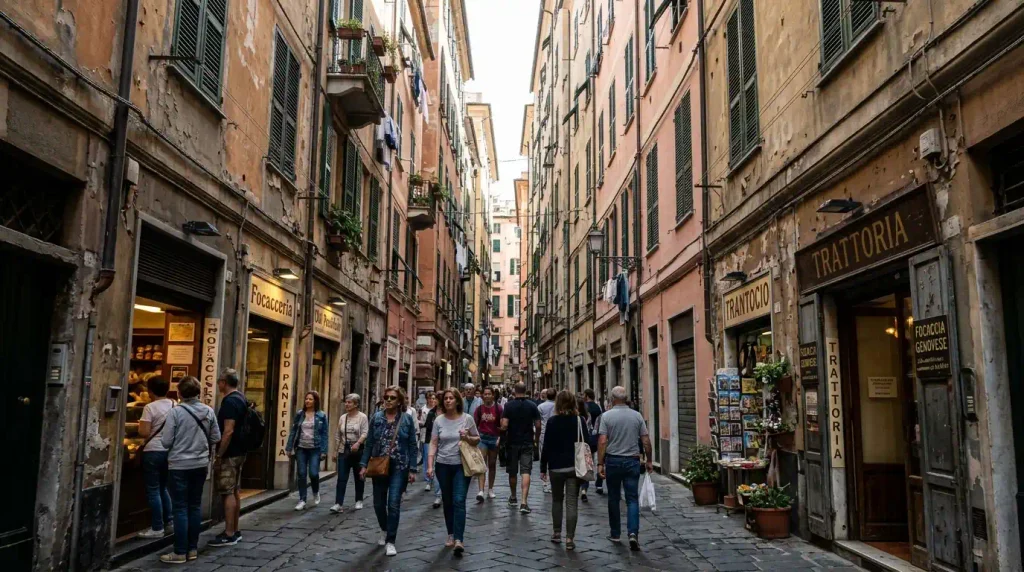
The caruggi are Genoa’s medieval alleyways, among the largest in Europe. They twist between tall buildings with shops, cafes, and homes. Getting lost is part of the experience. The area connects to Piazza de Ferrari, the main square with its fountain. Allow a few hours to explore. The streets stay lively day and night. Many buildings show layers of history from different eras.
Look for trompe l’oeil windows painted on walls. Small squares open up for rest. The density makes the centre feel distinct from other Italian cities.
Visit the Rolli Palaces
Via Garibaldi holds the UNESCO-listed Rolli palaces. These grand homes once hosted dignitaries. Palazzo Rosso, Palazzo Bianco, and Palazzo Doria-Tursi form the Strada Nuova Museums. They display art including works by Rubens and Caravaggio. Entry is modest. The interiors show Genoese wealth from the Republic era. Plan 2-3 hours for the main ones.
The street itself is impressive with its architecture. Guided tours explain the history. They rank among Genoa’s top cultural stops.
Explore Porto Antico and the Aquarium
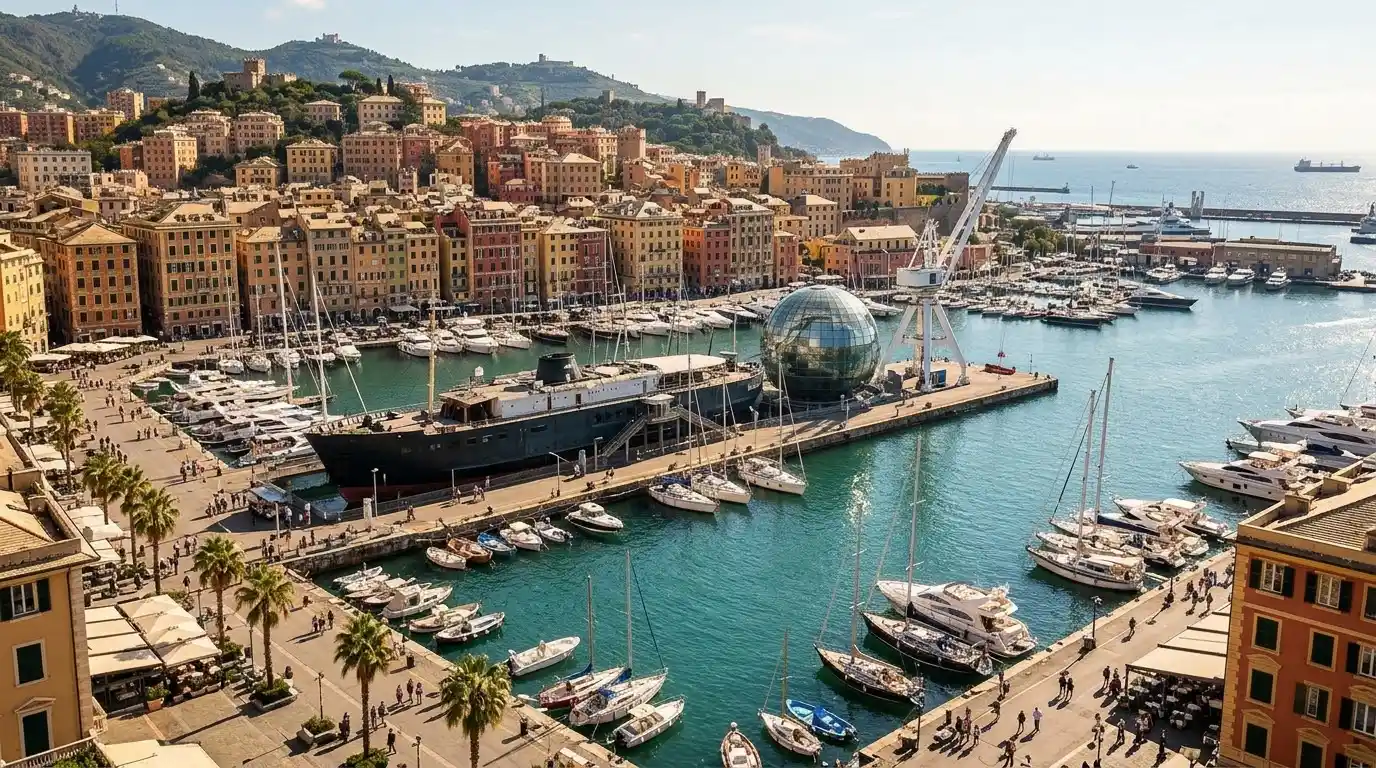
Renzo Piano redesigned the old port area. It now has the Aquarium of Genoa, Europe’s largest, plus museums and restaurants. The Galata Museo del Mare covers maritime history. A waterfront walk is free. The aquarium costs about 30 euros and needs 2-3 hours. Families like the marine exhibits. The area mixes culture and leisure.
Evening lights on the water are attractive. Ferries and boats depart from here for coastal trips. It is easy to reach from the historic centre on foot.
Visit Boccadasse
Boccadasse is a former fishing village within the city. Colourful houses line a small pebble beach. It offers sea views and a relaxed pace. Walk or take a short bus from the centre. Cafes serve coffee and gelato. Sunset is popular. The village feels separate from the busy port. It is free to visit and photogenic.
Many locals come here for an evening stroll. It pairs well with a longer coastal walk. The setting contrasts with the dense centre.
See the Cathedral and Piazza de Ferrari
Cattedrale di San Lorenzo has a striped facade and historic interior. Climb the tower for views. Piazza de Ferrari is the main square with a large fountain and surrounding buildings. Both are free to see from outside. The cathedral sits in the old town. They form natural starting points for walks. Allow time for the square’s cafes.
The cathedral holds important relics. The square hosts events. Together they show Genoa’s civic and religious sides.
Taste Pesto and Local Food
Pesto alla Genovese originated here. Trofie pasta with pesto is the classic dish. Focaccia is another staple. Many trattorias in the caruggi serve both. A meal costs 15-25 euros per person. Markets sell fresh basil and other ingredients. Cooking classes are available. The food is simple and tied to the local microclimate.
Try it at a busy local spot rather than a tourist restaurant. Pair with Ligurian wine. Street food options exist for lighter meals.
Take Coastal Walks and Day Trips
The Passeggiata Anita Garibaldi in Nervi offers a scenic path with sea views. It is free and accessible by bus or train. Day trips reach Portofino or the Cinque Terre by train or boat. Distances are short. The Italian Riviera scenery is a highlight. Many visitors use Genoa as a base for these. Trains run frequently.
A half day in Nervi adds variety. Full day trips need early starts. The coast has both beaches and hiking paths.
Practical Tips for Genoa
Spring and autumn are best. Summer is warm but not extreme. The centre is hilly in places but walkable. Trains connect to Milan and the coast in under two hours. The airport serves European flights. The port has cruise arrivals. Book the aquarium online. Wear good shoes for the alleys.
The city feels less touristy than Florence or Venice. English is spoken in main areas. Cash helps in small places.
FAQs
What are the best things to do in Genoa Italy?
Wander the caruggi, visit the Rolli palaces, explore Porto Antico and the aquarium, and walk to Boccadasse. Taste pesto and take a coastal path.
How many days do you need in Genoa?
Two days cover the main sights. Three days allow a day trip to the coast. The city rewards a slower pace in the alleys.
Is Genoa worth visiting?
Yes, for its history, food, and less crowded feel. The combination of medieval streets and grand palaces is unique. The port adds a maritime character.
What is the best time to visit Genoa?
April to June and September to October are ideal. Summer works for the coast. Winter is mild but rainy at times.
How do you get to Genoa?
Trains from Milan or Florence are fast. The airport has European connections. Cruise ships dock at the port. Buses serve regional routes.
What food is Genoa known for?
Pesto with trofie pasta and focaccia. Seafood appears on many menus. The cuisine is Ligurian and herb-focused.
Is Genoa walkable?
Yes, the historic centre and port are compact. Some hills require effort. Buses and the metro help for longer distances like Boccadasse.
Are there free things to do in Genoa?
Walking the caruggi, the waterfront, and Boccadasse is free. Piazza de Ferrari and exterior views of the cathedral cost nothing. Coastal paths are free.
Can you visit Genoa as a day trip?
Yes from Milan by train. You can see the centre and port in one day. An overnight stay allows more depth.
What is unique about Genoa?
It has one of Europe’s largest medieval centres and is the home of pesto. The Rolli palaces show Republic-era wealth. The port has a long maritime history.
Where should you stay in Genoa?
The historic centre or near the port is convenient. Areas toward the east suit those wanting quieter streets. Boutique options exist in old buildings.
Is Genoa expensive?
It is more affordable than major tourist cities. Meals and entry fees are moderate. The coast raises prices in summer. Good value is easy to find.