
Vegetarian Meal Prep Ideas: Recipes, Storage Tips, and Weekly Plans
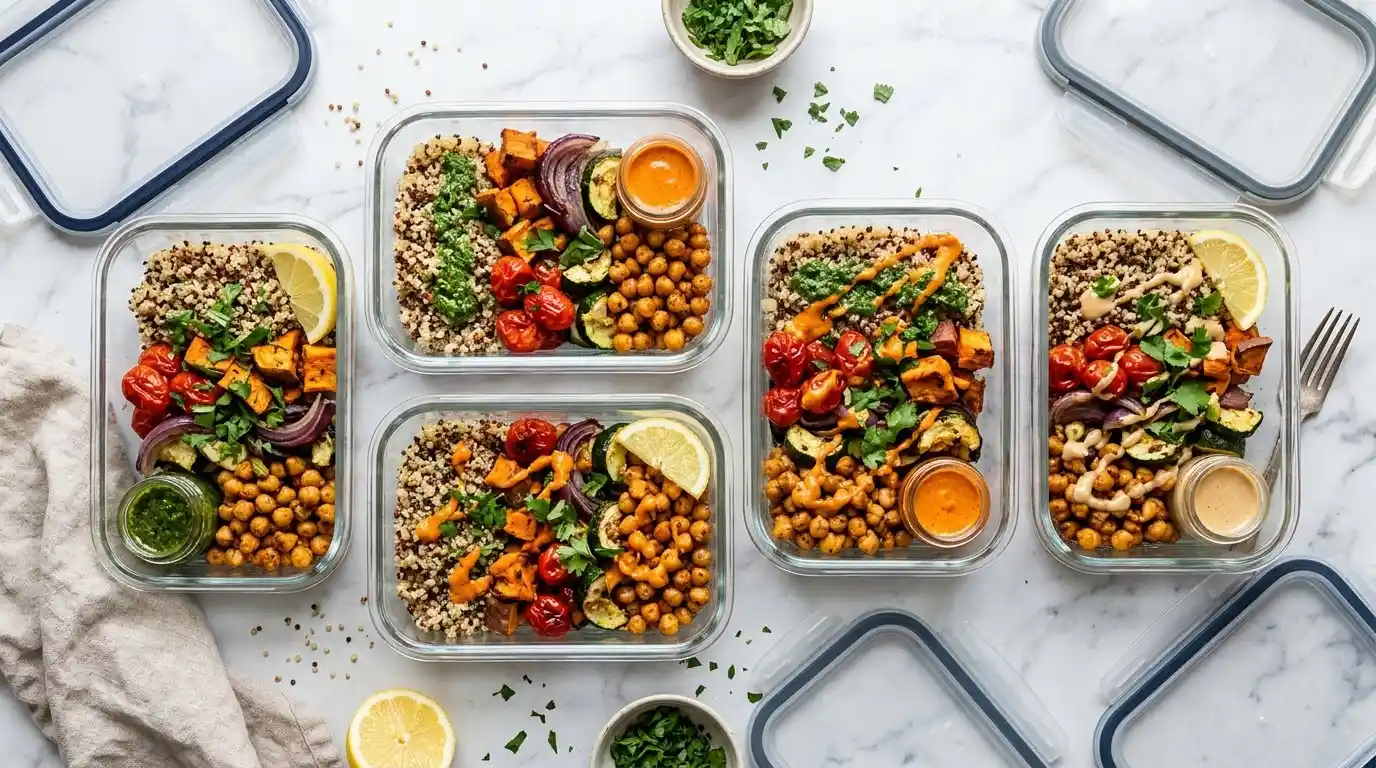
Vegetarian meal prep ideas center on batch-cooked grains, legumes, roasted vegetables, and sauces that stay fresh for four to five days. Common builds include burrito bowls, mason-jar salads, and sheet-pan tofu or chickpea dishes portioned into containers.
Successful prep starts with a base (rice, quinoa, or pasta), a protein (tofu, tempeh, beans, or lentils), and vegetables that hold up well. Sauces and dressings stay separate until serving to keep textures crisp. Most cooked components refrigerate safely for four to five days; some freeze for longer.
High-protein options such as chickpea curries, lentil soups, and Greek-yogurt bowls help meals stay filling. A single Sunday session of two to three hours can cover lunches and dinners for the work week when recipes share ingredients.
Core Components That Prep Well
Grains such as brown rice, quinoa, and farro cook in large batches and reheat evenly. Legumes—chickpeas, black beans, and lentils—provide protein and fiber without extra steps once canned or pre-cooked. Firm tofu and tempeh accept marinades and hold shape after roasting or pan-searing.
Roasted vegetables (broccoli, sweet potatoes, bell peppers, cauliflower) last longer than raw leafy greens. Hearty greens such as kale tolerate dressing better than spinach. Nuts, seeds, and cheese can be added at serving time to preserve crunch.
Sauces made ahead—tahini, pesto, yogurt-based dressings, or simple vinaigrettes—transform the same base ingredients into different meals across the week.
Easy High-Protein Vegetarian Recipes
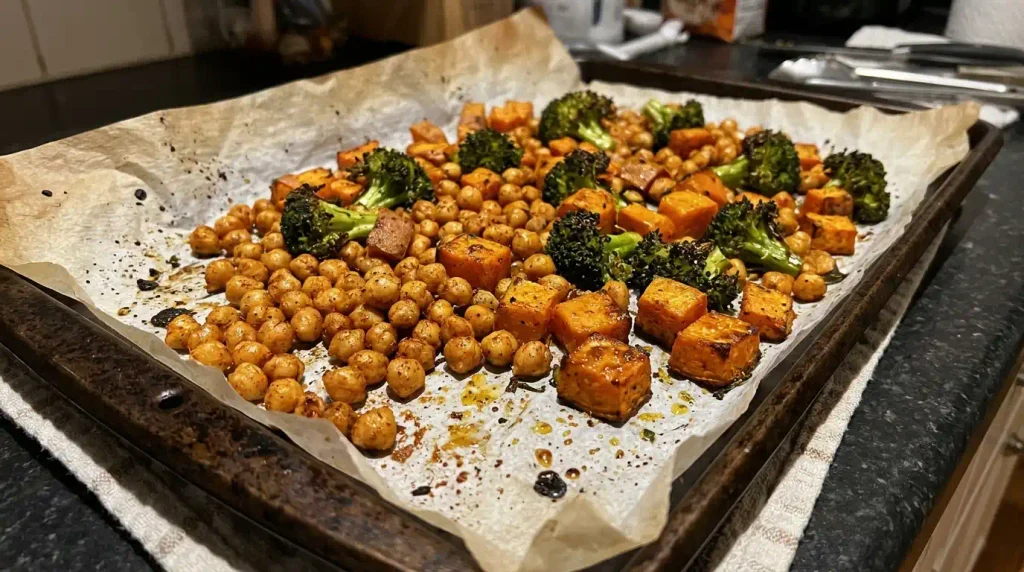
Chickpea tikka masala or coconut lentil curry scales easily and freezes well. Stuffed peppers with quinoa and black beans reheat without becoming soggy. Tofu stir-fry with cauliflower rice or regular rice stays flavorful for several days when sauce is packed separately.
Mediterranean mason-jar salads layer dressing at the bottom, then chickpeas, vegetables, and grains so the greens stay crisp until shaken. Breakfast options include overnight oats, Greek-yogurt bowls with fruit and nuts, or freezer breakfast burritos filled with eggs, beans, and vegetables.
Sheet-pan meals—roasted chickpeas with vegetables and a grain—minimize active cooking time. Most of these dishes provide 15–25 grams of protein per serving when legumes or tofu form the center.
Storage and Food-Safety Guidelines
Cool cooked food quickly and refrigerate within two hours. Use airtight containers and label with the date. Most prepared vegetarian meals keep four to five days in the refrigerator at or below 4 °C (40 °F).
Soups, stews, and curries freeze for up to three months. Rice and pasta freeze adequately if slightly undercooked before freezing. Leafy salads and dishes with fresh avocado or cucumber are better assembled the night before or morning of.
Reheat grains and proteins thoroughly. Add fresh herbs, crunchy toppings, or a squeeze of citrus after reheating to restore brightness.
Sample Weekly Prep Plan
Sunday: cook a large pot of quinoa or rice, roast two sheet pans of mixed vegetables and chickpeas or tofu, and prepare one pot of lentil or bean stew. Portion into five lunch and five dinner containers.
Vary the meals by changing the sauce or add-ins: one day tahini and cucumber, another day salsa and avocado (added fresh), another day pesto. Breakfast can be overnight oats portioned into jars or a big batch of yogurt parfaits assembled each morning in under five minutes.
Shopping once for shared ingredients—onions, garlic, canned tomatoes, beans, grains, and seasonal vegetables—keeps the list short and the cost lower than buying individual meals.
Time-Saving Techniques
Use the oven for multiple items at once. While vegetables roast, grains simmer on the stove and a sauce blends in the food processor. Pre-chopped vegetables from the store reduce knife work when time is tight.
Double recipes that freeze well so the following week requires less cooking. Mason jars and divided containers make grab-and-go lunches faster than reassembling plates each morning.
Flavor boosters prepared ahead—caramelized onions, roasted garlic, or a big batch of spice mix—let the same base ingredients taste different without extra daily effort.
Common Mistakes to Avoid
Dressing salads too early makes greens wilt. Packing hot food into sealed containers creates condensation and speeds spoilage. Relying only on low-protein sides leaves meals less satisfying by mid-afternoon.
Overcooking vegetables during the initial roast causes them to turn mushy on reheating. Slightly firmer textures hold up better. Forgetting to season each component separately results in bland meals even when sauces are added later.
Planning only one cuisine for the entire week leads to flavor fatigue. Rotating sauces and fresh add-ins keeps interest high with minimal extra work.
FAQs
vegetarian meal prep ideas
Vegetarian meal prep ideas include grain bowls with roasted vegetables and chickpeas, mason-jar salads, lentil curries, tofu stir-fries, and overnight oats. Batch-cook bases and proteins on one day, then vary sauces through the week for four to five days of meals.
How long do vegetarian meal prep meals last?
Most cooked vegetarian dishes stay good in the refrigerator for four to five days. Soups and curries can be frozen for up to three months. Salads with delicate greens are best assembled closer to eating.
What are good protein sources for vegetarian meal prep?
Tofu, tempeh, chickpeas, lentils, black beans, Greek yogurt, and eggs (if lacto-ovo) provide solid protein. Combining legumes with grains improves the amino-acid profile and keeps meals filling.
Can you freeze vegetarian meal prep?
Yes for soups, stews, curries, cooked grains, and many casseroles. Cool completely before freezing in portion-sized containers. Add fresh vegetables or herbs after reheating for best texture.
How do you keep salads from getting soggy?
Layer dressing at the bottom of a jar, followed by sturdy ingredients, and place greens on top. Shake just before eating. Or pack dressing separately and add it at serving time.
What containers work best for meal prep?
Airtight glass or BPA-free plastic containers with dividers help keep components separate. Mason jars suit salads. Label everything with the date so older portions are used first.
How much time does vegetarian meal prep take?
A focused two-to-three-hour Sunday session can cover most lunches and dinners for five days when recipes share ingredients. Using the oven and stove at the same time shortens the active period.
Are vegetarian meal prep meals high in protein?
They can be. Dishes built around tofu, tempeh, or a full serving of legumes commonly reach 15–25 grams of protein. Adding Greek yogurt, cheese, or eggs raises the number further for lacto-ovo eaters.
What vegetables hold up best in meal prep?
Broccoli, cauliflower, sweet potatoes, bell peppers, carrots, and Brussels sprouts roast well and reheat without turning mushy. Kale tolerates dressing better than softer greens. Add cucumbers or tomatoes fresh.
How do you avoid eating the same meal every day?
Cook neutral bases and change the sauce or toppings. One batch of quinoa and roasted vegetables becomes different lunches with tahini, salsa, pesto, or a yogurt dressing. Fresh herbs or a squeeze of citrus also shift the flavor.
Is vegetarian meal prep cheaper than buying lunch?
Usually yes. Bulk grains, canned beans, and seasonal vegetables cost less per serving than prepared meals or daily takeout. Planning around shared ingredients reduces waste and shopping frequency.
What is an easy first vegetarian meal prep recipe?
Sheet-pan roasted chickpeas and vegetables served over pre-cooked rice or quinoa with a simple tahini or yogurt sauce. The method uses one pan, minimal active time, and portions cleanly into containers for the week.