
Bolivia Things to Do: Top Attractions and Routes in 2026
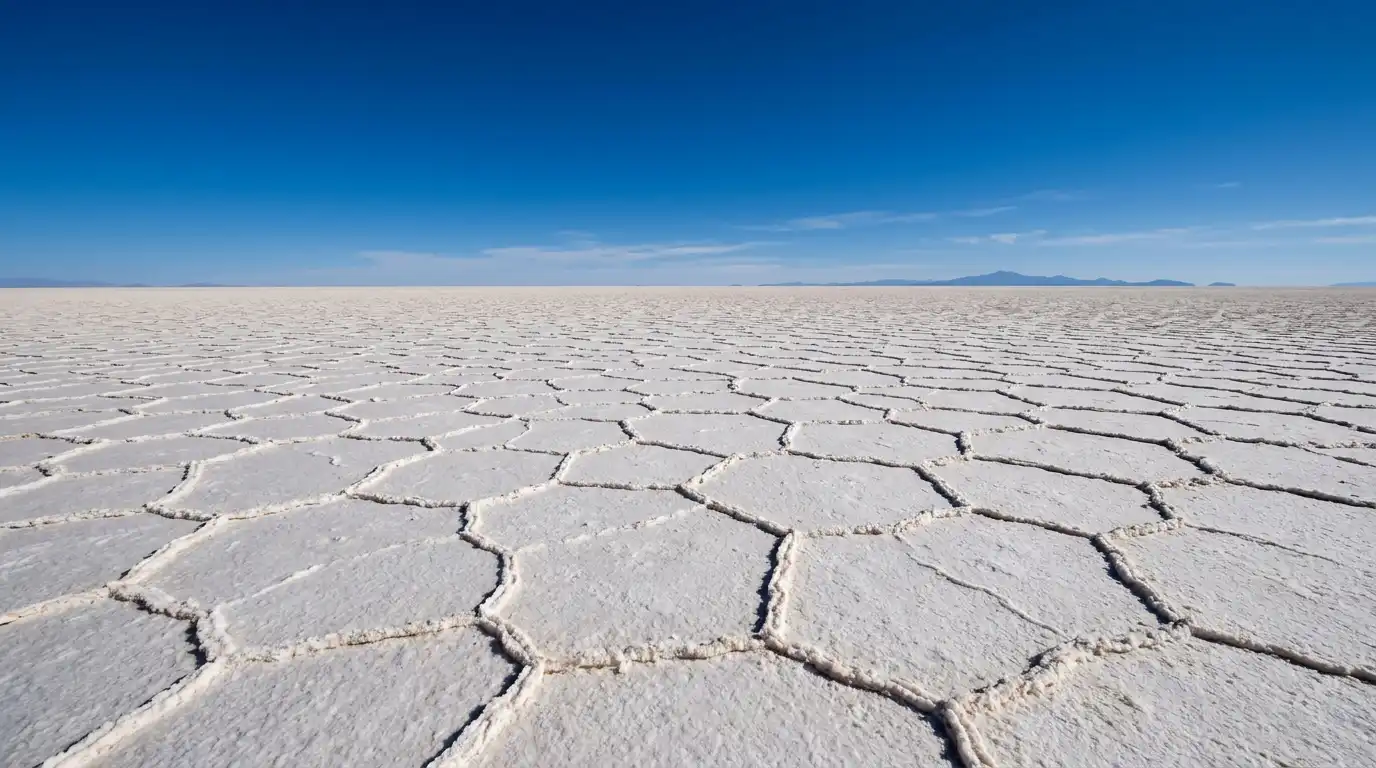
Bolivia things to do center on the Salar de Uyuni salt flats, La Paz cable cars, and Lake Titicaca. The country stays cheaper and less crowded than neighbors. High altitude requires acclimatization. Most routes start in La Paz then move south or west.
Bolivia packs salt flats, high peaks, colonial cities, and Amazon edges into one trip. Key Bolivia things to do include a multi-day Salar de Uyuni tour, the Mi Teleférico in La Paz, and a boat to Isla del Sol. Tiwanaku offers pre-Inca ruins as a day trip from La Paz. Sucre and Potosí show colonial history. Prices stay low by regional standards in 2026.
What Are the Must-See Bolivia Things to Do?
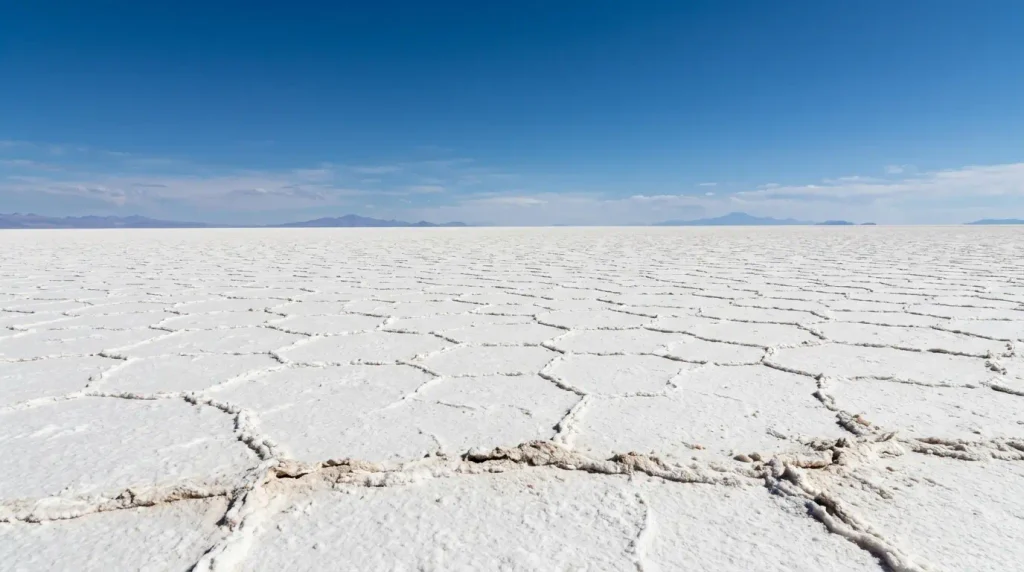
The top Bolivia things to do start with the Salar de Uyuni. The world’s largest salt flat covers about 10,500 square kilometres. Dry season shows hexagonal patterns. Wet season from December to March creates a mirror effect. La Paz’s cable car network offers the best city views. Lake Titicaca and Isla del Sol add high-altitude scenery. Tiwanaku sits about 1.5 hours from La Paz. Check cape town day trips for similar high-impact day options elsewhere.
| Attraction | Base | Time Needed | Altitude Note |
|---|---|---|---|
| Salar de Uyuni | Uyuni | 3 days | 3,656 m |
| Mi Teleférico | La Paz | Half day | City ~3,600 m |
| Isla del Sol | Copacabana | 1-2 days | Lake ~3,800 m |
| Tiwanaku | La Paz | Day trip | Moderate |
How Do You Visit the Salar de Uyuni?
Most travelers book a 3-day 4×4 tour from Uyuni. Routes cross the salt flat, pass the train cemetery, stop at cactus islands, and continue to colored lagoons and geysers. Dry season (May to October) shows cracked white plains. Wet season turns the surface into a mirror. Tours often end near the Chilean border. Hotels in Uyuni use salt blocks. Drive times from La Paz to Uyuni run about 10 to 12 hours by bus or less by plane. Pair with luxury travel Machu Picchu if continuing into Peru.
What Can You Do Around La Paz?
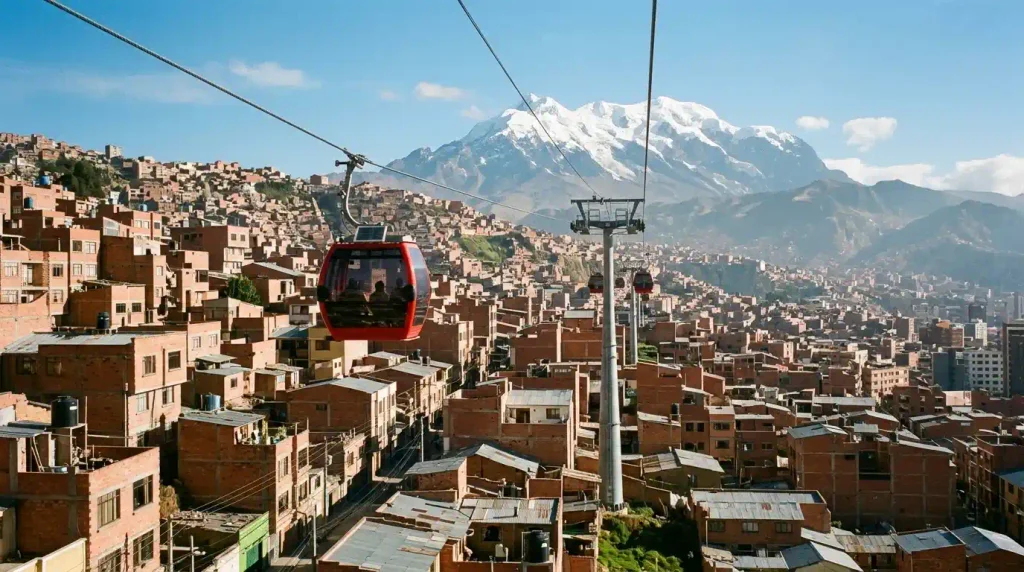
La Paz sits at roughly 3,600 metres. The Mi Teleférico is the world’s highest urban cable car network and the easiest way to see the city and Illimani peak. Valle de la Luna lies a short drive outside the city and shows eroded rock formations. The Witches’ Market sells traditional items. Tiwanaku is a 1.5-hour drive for pre-Inca ruins including the Gateway of the Sun. Death Road bike tours start near the city. Acclimatize for at least one day before strenuous activity. Nearby planning ideas appear on things to do in Seattle for altitude-free city days.
How Do You Reach Lake Titicaca and Isla del Sol?
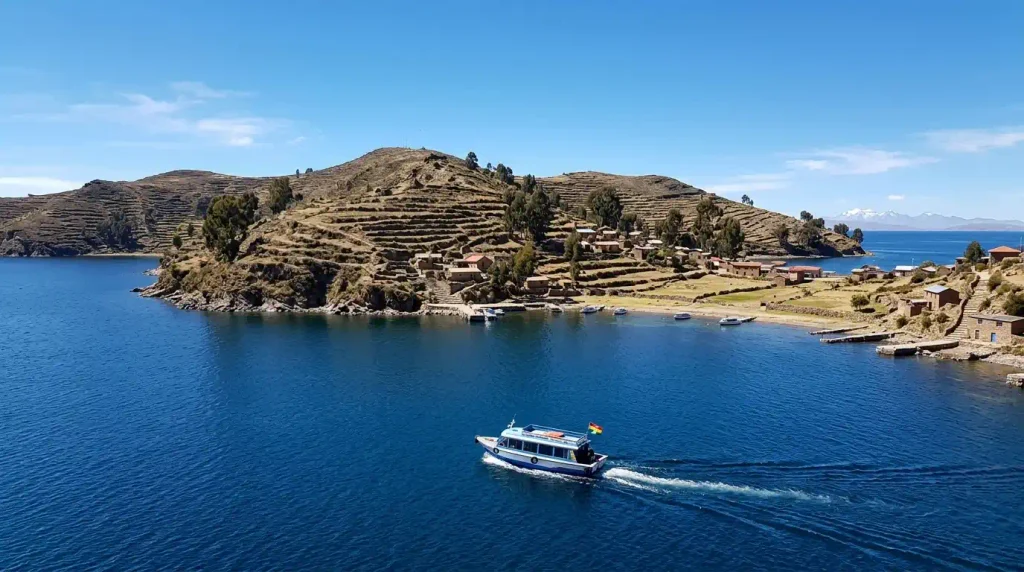
Copacabana sits on the Bolivian shore of Lake Titicaca, the world’s highest navigable lake at about 3,800 metres. Boats cross to Isla del Sol, the mythical Inca birthplace. Trails connect ruins and viewpoints. The drive from La Paz to Copacabana takes about 3 to 4 hours. Many travelers overnight on the island. Flamingos appear on nearby lagoons during certain seasons. Combine with Sucre if heading south. See best sun holidays for other high-altitude lake options.
What Colonial Cities Are Worth Visiting?
Sucre is the constitutional capital and a UNESCO site with white buildings and a relaxed pace. Potosí holds the historic silver mines of Cerro Rico. Both sit at high altitude. The drive from Sucre to Potosí takes about 3 hours. Samaipata lies east of Sucre with carved rock ruins. Jesuit Missions of the Chiquitos require extra days from Santa Cruz. These cities show Spanish colonial architecture and mining history. Travelers comparing cities can review old towns in Europe for similar heritage walks.
How Should You Handle Altitude?
Most key sites sit between 3,500 and 4,000 metres. Spend the first day in La Paz resting and drinking water. Coca tea is common. Avoid alcohol and heavy exercise on arrival. Huayna Potosí climbs reach over 6,000 metres and need proper acclimatization. Bus routes between cities are long. Domestic flights save time but still land at altitude. Plan slower days at the start. Related recovery ideas sit on best meditation apps for travel stress.
What Is the Best Time to Visit Bolivia?
Dry season from May to October offers clearer skies and better roads for the salt flats. Wet season from December to March creates the mirror effect on the Salar but can close some routes. Oruro Carnival draws crowds in February. Temperatures drop at night year-round at altitude. Book Uyuni tours in advance during peak months. Shoulder seasons balance weather and crowds. Check best places to visit in October for regional timing.
Final Thoughts
Bolivia things to do reward travelers who plan for altitude and long drives. The Salar de Uyuni remains the signature experience. La Paz cable cars and Tiwanaku fill city days. Sucre and Potosí add colonial depth. Start with rest in La Paz then move to the salt flats. Ready for more South America ideas? See the questions about South America guide next.
FAQs
What are the best things to do in Bolivia?
The top experiences are a multi-day tour of the Salar de Uyuni, riding the Mi Teleférico in La Paz, and visiting Isla del Sol on Lake Titicaca. Tiwanaku ruins and the colonial cities of Sucre and Potosí also rank high. Altitude planning is essential for all of them.
How long do you need for the Salar de Uyuni?
Most travelers book a 3-day 4×4 tour. This covers the salt flat, train cemetery, cactus islands, lagoons, and geysers. Some shorter options exist but miss the full route. Book ahead in peak season.
Is La Paz worth visiting?
Yes. The cable car network gives the best views of the city and surrounding peaks. Valle de la Luna and the Witches’ Market fill a day. Tiwanaku is an easy day trip. Rest on arrival because of the altitude.
How do you get to Isla del Sol?
Travel from La Paz to Copacabana by bus or car, about 3 to 4 hours. Boats then cross Lake Titicaca to the island. Many people overnight on Isla del Sol to walk the trails and ruins without rushing.
What is the altitude like in Bolivia?
La Paz sits around 3,600 metres. The Salar de Uyuni is about 3,656 metres. Lake Titicaca reaches roughly 3,800 metres. Acclimatize for at least one day. Coca tea helps many visitors. Avoid strenuous activity on the first day.
When is the best time to visit the salt flats?
Dry season from May to October shows the classic white hexagonal surface. Wet season from December to March creates the mirror effect after rain. Roads can be harder in the wet season. Book tours early for either period.
Are there UNESCO sites in Bolivia?
Yes. Potosí, Sucre, Tiwanaku, the Jesuit Missions of the Chiquitos, El Fuerte de Samaipata, and Noel Kempff Mercado National Park are listed. Most fit standard routes. The missions and national park need extra days.
How do you travel between cities in Bolivia?
Long-distance buses connect most cities. La Paz to Uyuni takes about 10 to 12 hours. Domestic flights save time but still land at altitude. 4×4 tours handle the southwest salt flat circuit. Roads improved in recent years but remain long.
Is Death Road still open?
Yes. Guided bike tours still run the famous road from La Paz. Operators use the original route for downhill sections. It remains popular but requires a reputable company and proper gear. Most tours last a full day.
What should you know about Oruro?
Oruro is known for its Carnival, a UNESCO intangible heritage event. Outside Carnival the city has a sanctuary built over a mine, a large Virgin monument, and nearby hot springs. Many travelers stop for one night on the way to Uyuni.
Can you climb mountains in Bolivia?
Yes. Huayna Potosí is one of the more accessible 6,000-metre peaks. Guided two-day trips exist for people without prior mountaineering experience. Proper acclimatization is required. Other peaks demand more skill.
How expensive is Bolivia in 2026?
Bolivia remains one of the more affordable countries in South America. Tours, buses, and meals cost less than in Peru or Chile. Fuel prices rose after subsidy changes in 2026. Budget travelers still find good value on standard routes.


